Plantations produce many of the commodities that structure everyday life—from the palm oil in processed foods and cosmetics to the soy that feeds industrial livestock, the timber that furnishes our homes, the rubber in our tyres, and the sugar and tea that fill our cupboards. Yet plantations are often imagined as relics of a colonial… Read More
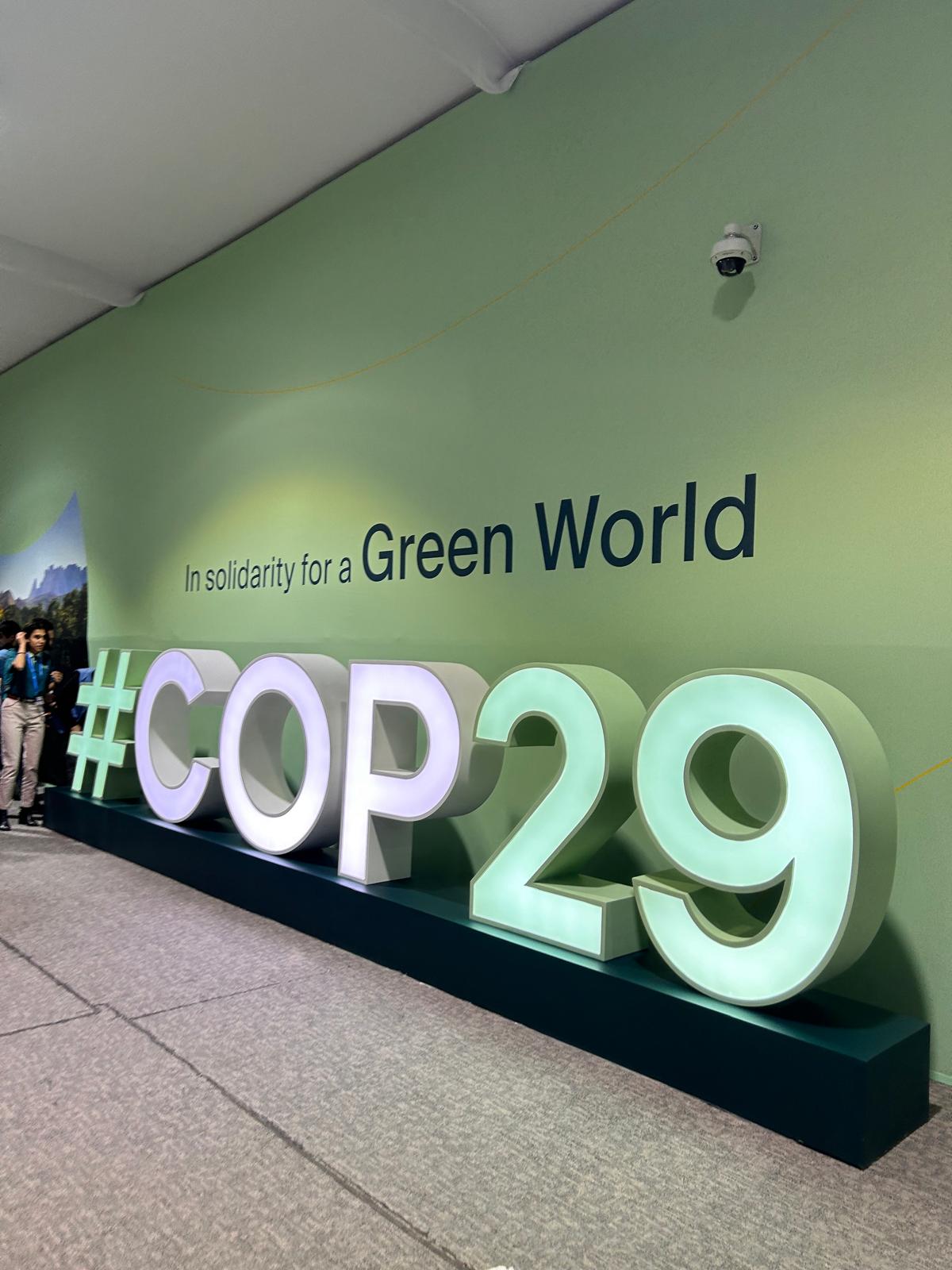
At the heart of the Brazilian Amazon, in Belém do Pará, my field research at the 30th Conference of the Parties to the United Nations Framework Convention on Climate Change (COP30/UNFCCC) involved me in circumstances I could never have imagined and which led me to write this account. A fire broke out in the tents… Read More
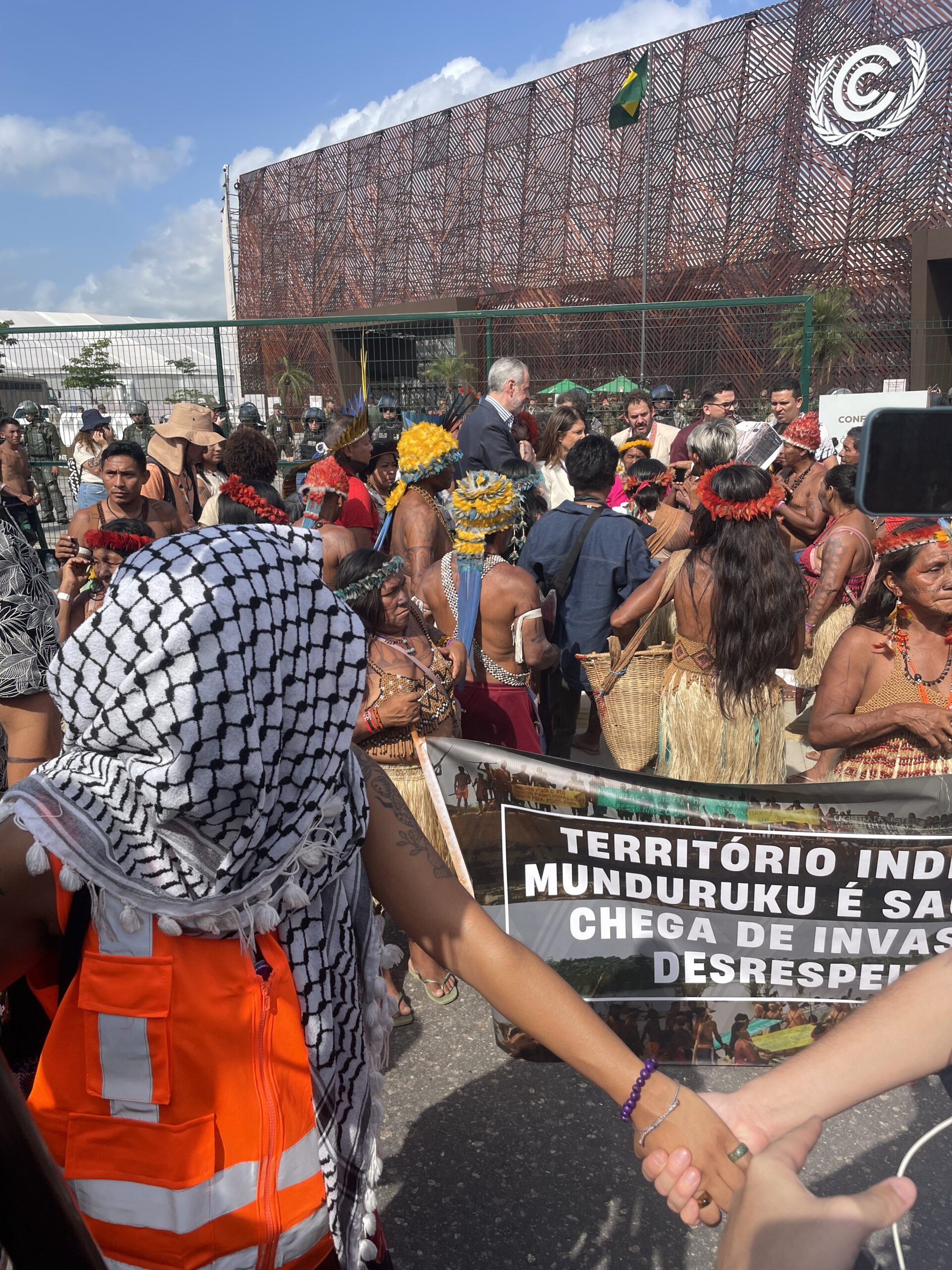
On most days, delegates are rushing through the gate on their way from the city into the premises of COP30’s restricted Blue zone. Not today. On this morning, activists are blocking the gate. On this side of the fence, throngs of delegates congest the street. It is a motley crew of diplomats, lobbyists, activists and… Read More
I was hesitant when, in 2009, my then-boyfriend, Tyler, asked if I were interested in keeping bees. I did not much care for honey and was alarmed by the prospect of stings. But when we ended up renting an apartment with a small orchard in the yard, we decided to give it a shot. We… Read More
The sixty-second sessions of the Subsidiary Body for Scientific and Technological Advice (SBSTA) and the Subsidiary Body for Implementation (SBI) of the United Nations Framework Convention on Climate Change (UNFCCC), colloquially referred to as SB62, emphasized a shared understanding among parties and observers of the need for intersectional approaches to climate mitigation. Delegates recognized…
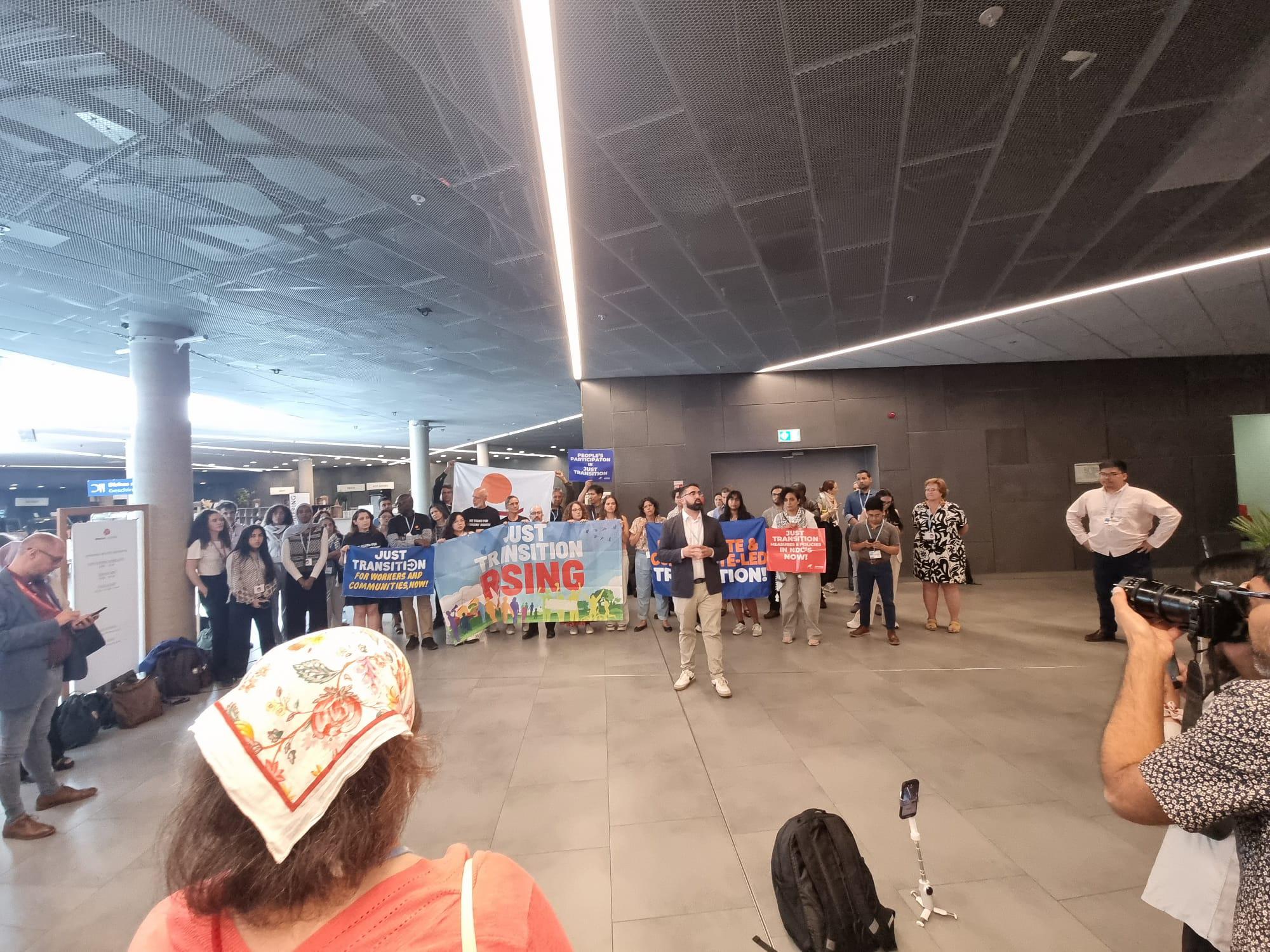
As a researcher who has a deep involvement in Indigenous communities in Brazil, I frequently receive questions from community members about how climate decisions are made and who has the authority to speak for whom. These questions, and the urgent need for more transparent and equitable processes, prompted my participation at UNFCCC SB621 in Bonn… Read More
Since Alexis Wright’s novelistic oeuvre of “aboriginal-realism,” the term is frequently used in academic discourses, particularly in developmental and environmental studies. The term “aboriginal-realism” has become a new theoretical paradigm to understand and legitimize the Indigenous communities and their knowledge system. Wright herself perceived it as opposed to “magic-realism,” which sounds…
The UNFCCC has struggled to be effective in driving ambitious climate action due to several structural and procedural limitations. In the follow up to the Paris Agreement 2015, its reliance on consensus-based decision making has been impeded by divisions between developed and developing and small island nations due lack of inclusivity, lack of accountability, and… Read More
Hello, my name is Emily Hite, and I’m an Assistant Professor of Anthropology at Saint Louis University. I am thrilled to now serve as the blog editor for EnviroSociety. My research focuses on understanding how human-water relationships are shaped and challenged by climate governance, with particular attention to the justice and equity of decision-making processes… Read More
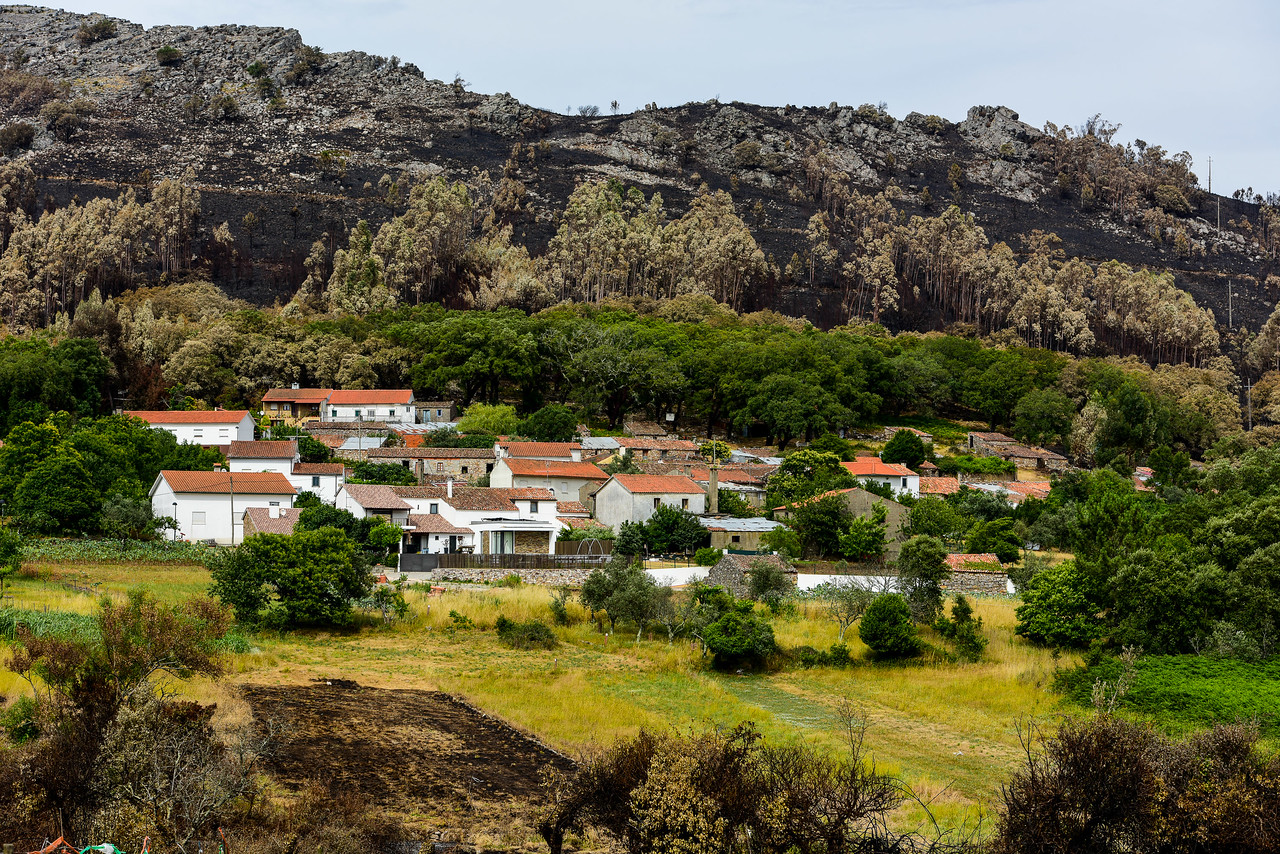
On June 17th, 2017, Ferraria de São João (hereafter Ferraria), a small-sized village in central Portugal remotely located at the top of a hill, was encircled by flames. The two available fire engines, one at each end of the village, were unable to refill with water at some point. There were no helicopters either. The… Read More