
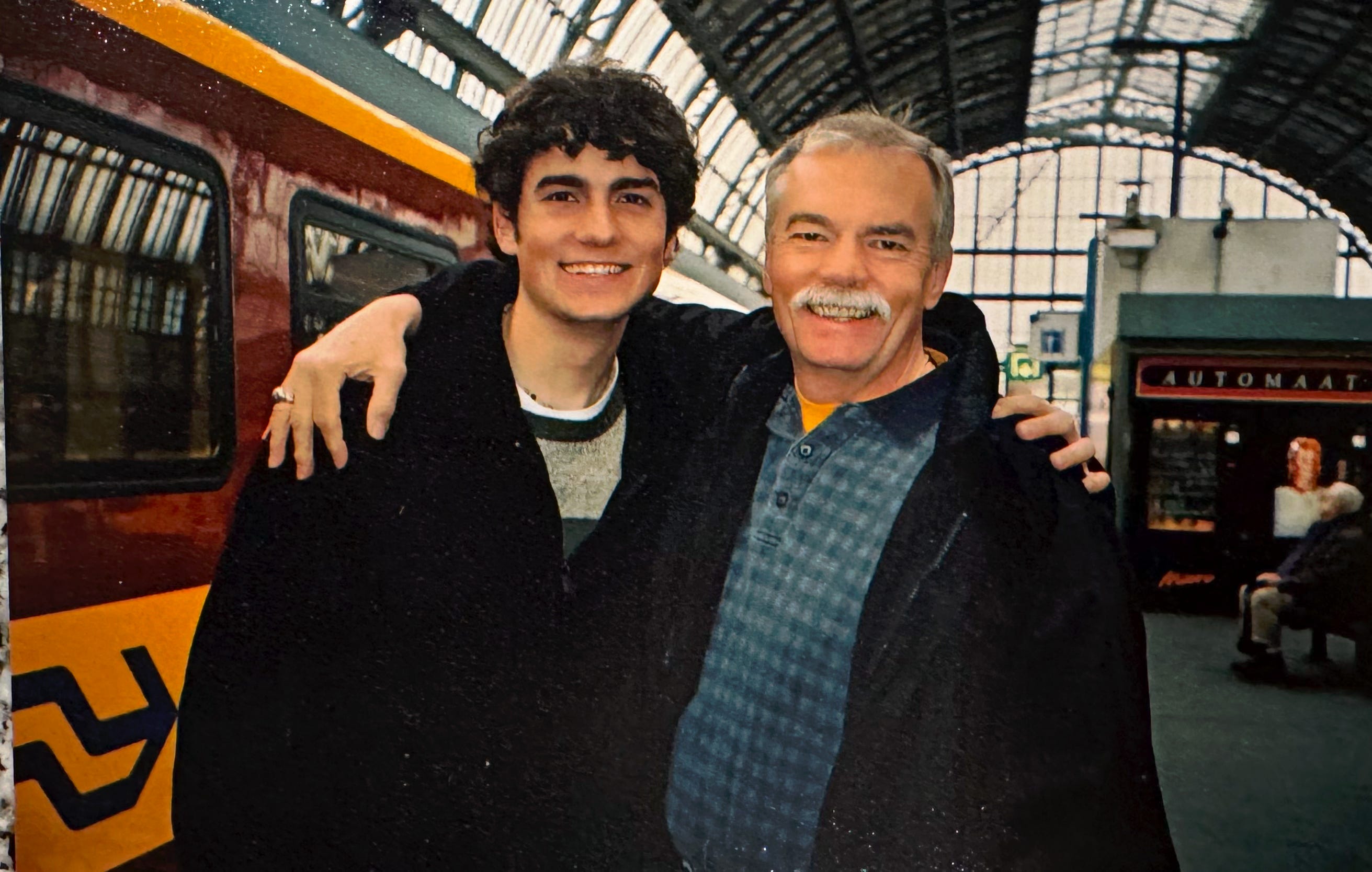
By Marc Boom, Senior Director of Public Affairs at Environmental Protection Network
My dad could fix almost anything.
His father was a mechanic, and he grew up knowing his way around cars, tools, and the practical work of keeping a home running. He became a mechanical engineer, so fixing and improving things was not just something he did around the house. It was part of how he understood the world.
When I was a kid, he fixed our cars, built things for the house, and helped with scout projects and science-class assignments. He didn’t just do the work—he made sure I learned how to do it, too.
But for all his skills, he always knew that some jobs called for a professional. Replacing the electrical box. Fixing the roof. Rebuilding a transmission. Part of understanding how things work is knowing when a problem is too big, too technical, or too risky to take on alone.
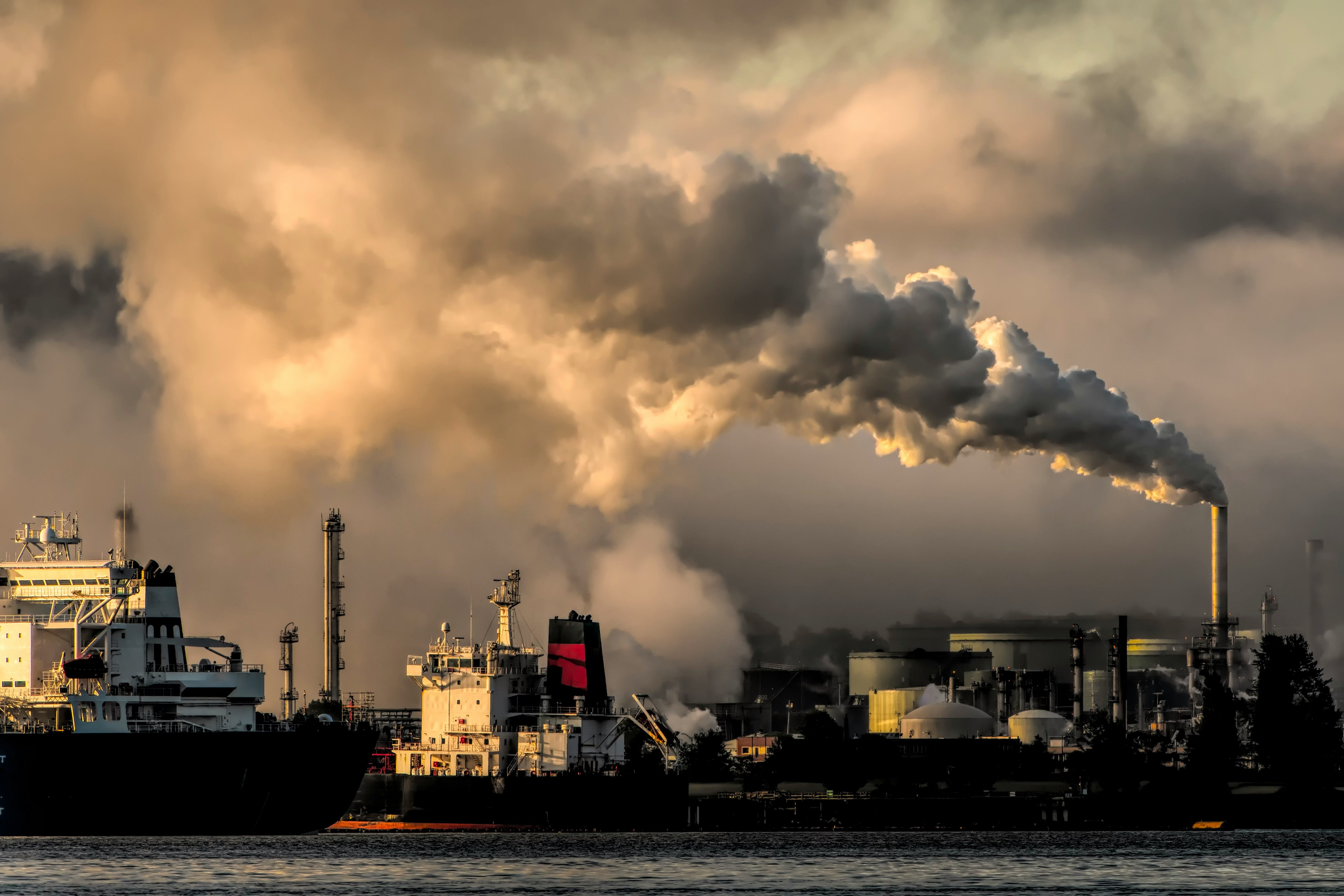
That lesson feels especially relevant now, because toxic pollution is one of those problems that needs fixing, but one that families cannot fix on their own. We can take reasonable steps to protect ourselves, but no family can filter, shop, or research its way out of systemic pollution. We need EPA to do its job: use independent science, enforce safeguards, and stop pollution before it reaches our air, water, food, homes, and bodies.

Dads can fix a lot. But no dad can fix polluted air, contaminated water, or toxic chemicals with a toolbox.
I think about that a lot around Father’s Day: my dad, the kind of father he was, and my own role as a dad to my son and daughter. I want to be there for them. I want to protect them. I want to leave them a world that is safer, healthier, and better than the one we inherited.
My dad passed away in 2013 at age 67 from heart failure. Although I was an adult, losing him as a father, and watching my children grow up without the grandfather he would have been, has been deeply painful.
I do not know whether pollution contributed to my dad’s heart failure. What I do know is that air pollution is one of the most well-established risk factors for heart attacks, strokes, and other serious cardiovascular risks. That possibility is something I cannot unknow.
And my family’s grief is not unique. Research published in Environmental Science and Technology Letters estimates that air pollution from sources in the United States contributes to about 100,000 deaths in this country each year. Behind every number is a family absorbing stress, medical bills, caregiving, and loss that no one chose and no one should have to carry alone.
Too often, the companies responsible for that pollution face far less of the burden than the people harmed by it. We all depend on products and industries that create pollution. But dependency is not consent to absorb the health costs and those costs should not unfairly fall onto families.
We often talk about men’s health in terms of diet, exercise, stress, checkups, and family history. Those things matter. But they are not the whole story. The air we breathe, the water we drink, the products we use, the places we live, and the chemicals we may encounter at work can also affect our long-term health.
Toxic exposures can affect men in serious and specific ways, including:
Heart and lung health: Fine particle pollution and smog are linked to heart attacks, strokes, asthma attacks, chronic bronchitis, and long-term lung damage. For a dad with heart disease, asthma, or a job that keeps him outside, dirty air is not abstract. It can affect whether he can work, exercise, or keep up with his kids.
Fertility and reproductive health: Chemicals such as phthalates and PFAS have been linked to reduced sperm quality, lower testosterone levels, and reduced fertility. For men trying to start or grow a family, these exposures can become part of an already stressful and private struggle.
Cancer risks: Toxic substances including benzene, formaldehyde, TCE, vinyl chloride, and arsenic have been linked to different forms of cancer, with some risks especially serious for workers exposed over time. These are not risks most people can see, smell, or trace back to one source until years later.
Workplace and community exposure: Men who work with chemicals, fuels, solvents, pesticides, or industrial materials, or who live near factories, refineries, or industrial sites, can face cumulative exposures over years or decades. Many are simply doing their jobs, supporting their families, and living where they can afford to live. They should not be left to carry those risks alone.
These are not niche concerns, and they are not concerns men are ignoring.
A May 2026 YouGov survey commissioned by EPN found that among men ages 30 to 44, many of whom are raising families, building careers, or both, 80% are concerned about harmful air pollution, 78% are concerned about toxic chemicals on fruits and vegetables, and 77% are concerned about microplastics in drinking water.
That concern makes sense to me. And policymakers who assume men are not paying attention to environmental health should think again. When men say they are worried about air pollution, toxic chemicals on food, and microplastics in drinking water, they are calling for safeguards that reduce exposure before people get sick.
That is why we have the Environmental Protection Agency.
EPA safeguards are supposed to stop harmful pollution before it reaches our lungs, tap water, food, homes, and workplaces. They are supposed to make risks visible, require proven pollution controls, and hold polluters accountable when they break the law.
But right now, EPA leadership is weakening, delaying, or reconsidering too many of those safeguards. Independent science is being sidelined. Enforcement is being reduced. Health protections against toxic chemicals and pollution are being rolled back or slowed down, even when the risks are well known.
The agency’s leadership has also taken another deeply troubling step: it is no longer fully counting the health costs avoided and lives saved when air pollution is reduced, while still counting the costs to industry of cutting pollution.
That is not just a technical change. It is a statement of values.
My dad’s life was worth more than a company’s compliance costs. My son’s life is worth more. My daughter’s life is worth more. My life is worth more. Your life is worth more.
Treating industry costs as real while pushing aside the value of fewer heart attacks, cancers, asthma attacks, lost parents, and grieving families is deeply disrespectful to the value of human life.
Are we leaving our children a world where preventing avoidable illness is something government takes seriously? Or one where every family is expected to manage pollution on its own?
This Father’s Day, I am thinking about my dad, what he taught me, and what it means to protect the people we love. He believed things could be fixed and improved. But he also knew that some problems require the right tools, the right expertise, and the responsibility to do the job correctly.
Toxic pollution is one of those problems. It is EPA’s job to protect us from these risks, and our job to demand that they do it right.
That is the legacy worth leaving.
This Father’s Day, Read EPN's new Men's Health and Toxic Exposures Issue Brief, sign the Safer, Not Sicker petition at https://safernotsicker.org/take-action/, and share them with a dad, grandfather, son, brother, or friend who wants a healthier future for the people and they love.
Comments
Nothing yet. Say the first thing.
Sign in to join the conversation.