
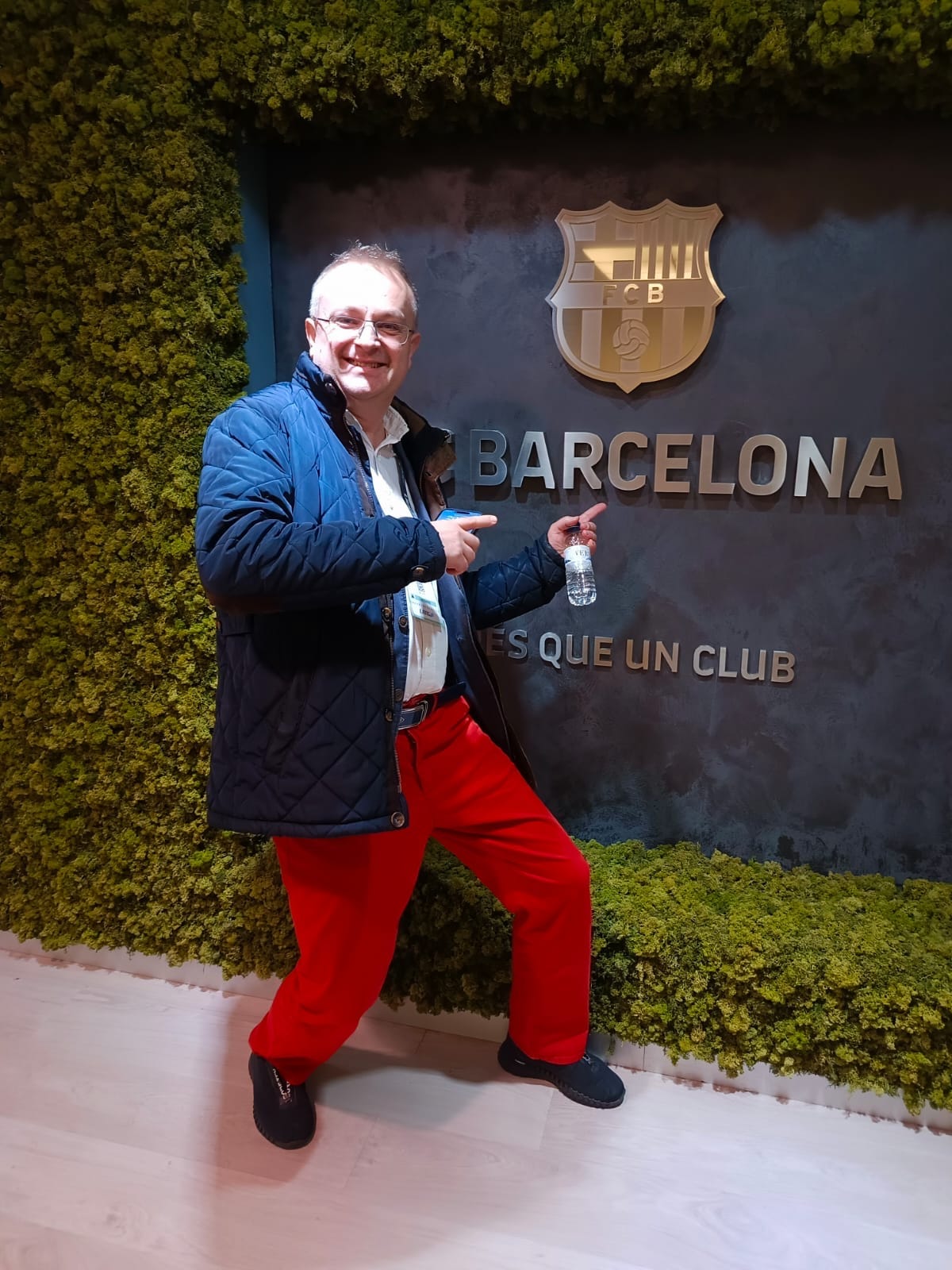
Most stadiums and arenas operate two businesses, although only one of them is usually managed as such
The first is obvious: the event calendar. Matches, concerts, tournaments, conferenges and other large-scale productions generate ticket sales, hospitality revenue, sponsorship exposure and significant visitor traffic.
The second business is the venue itself: thousands of square metres of corridors, halls, former technical areas, hosppitality zones and auxiliary spaces that may be intensively used on event days but remain largely empty for the rest of the year
These spaces still generate costs. They require maintenance, security, heating, cooling, cleaning and technical infrastructure. Yet in many venues, they produce little or no direct revenue outside the main event calendar
This creates a significant opportunity.
By converting selected areas into permanent or semi-permanent immersive attractions, stadiums and entertainment venuues can become destinations that people visit throughout the year—not only when a match, concert or championship is taking place.
The starting point is to stop thinking about unused rooms as empty real estate and begin designing the venue as an experience platform rather than simply a building.
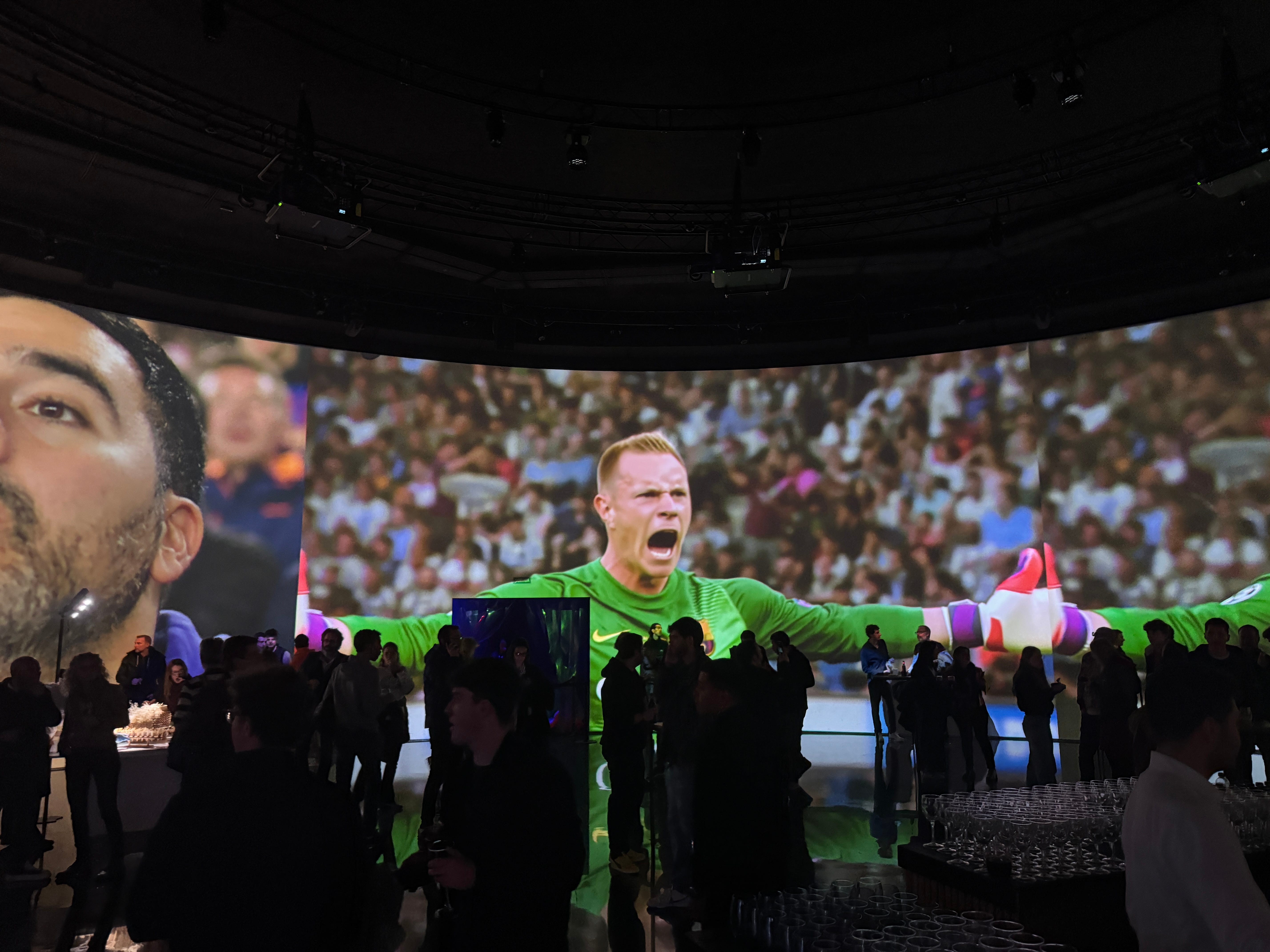
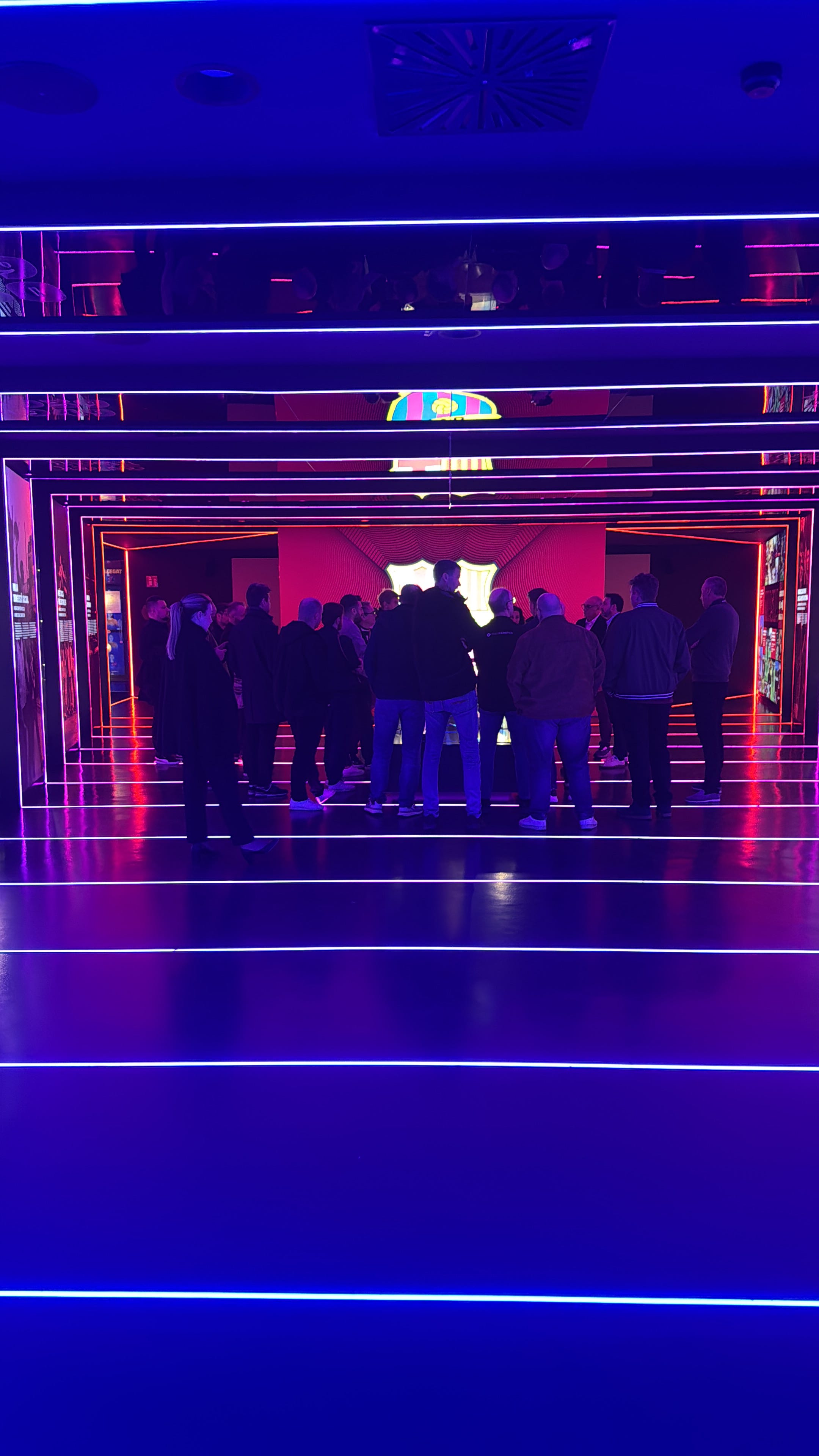
One of the most interesting examples is the Barça Immersive Tour in Barcelona.
The experience demonstrates how a stadium can use its brand, history and emotional connection with supporters to create a ticketed attraction operating independently of the match calendar.
What makes the project especially relevant is the way the story iz communicated. It is one of the strongest examples of immersive audiovisual technology used in a modern sports museum.
This is not a traditional museum in which several screens have simply been placed next to display cases. Technology is one of the principal storytelling materials. Displays, projections, sound, interactive elements and spatial media environments guide visitors through the club’s past, present and future
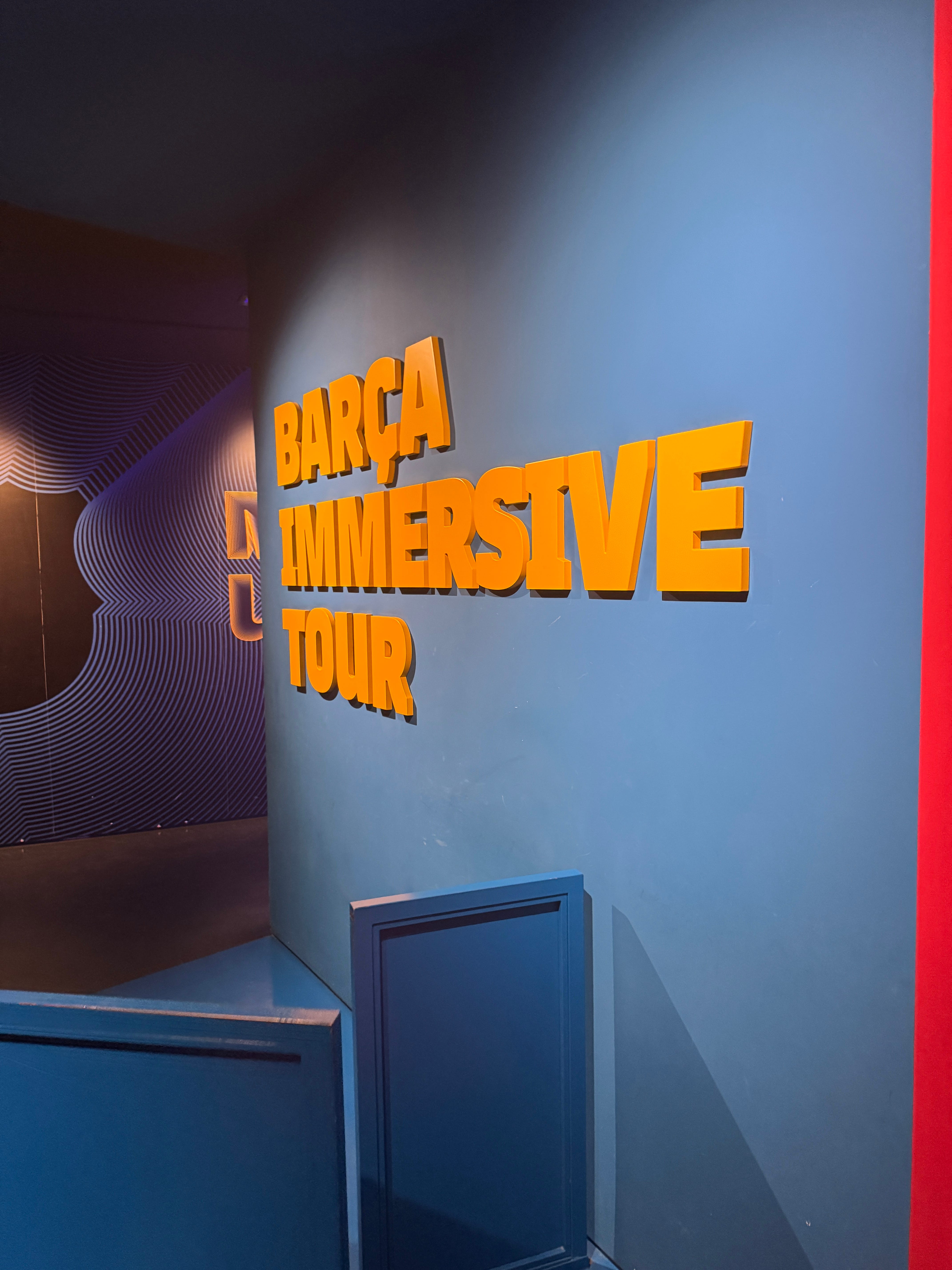
Historic objects and trophies remain important, but they no longer have to carry the entire exhibition. In my observation, physical exhibits appear to represent less than 40% of the complete visitor journey. They are carefully integrated into a much broader audiovisual narrative..
This changes the way people experience the story.
Visitors do not simply read about important moments. They enter them. They see them at scale, hear them, interract with them and become surrounded by them.
This is much closer to the way contemporary audience, particularly generations accustomed to screens, interaction and on-demand media… consume information and entertainment
The stadium therefre becomes more than a place in which football happens. It becomes a media destination capable of monetising its brand, history and physical infrastructure throughout the year
For many sports organisations, the relationship with the audience is still concentrated around the main event.
A supporter arrives, watches the match and leaves.
But the commercial and emotional relationship can begin much earlier and continue long after the final whistle. This is why technology-driven sports environments are beginning to extend the fan experience beyond the match itself.
An immersive attraction can become part of the stadium tour, a standalone ticketed experience or a new fan zone operatingg throughout the year.
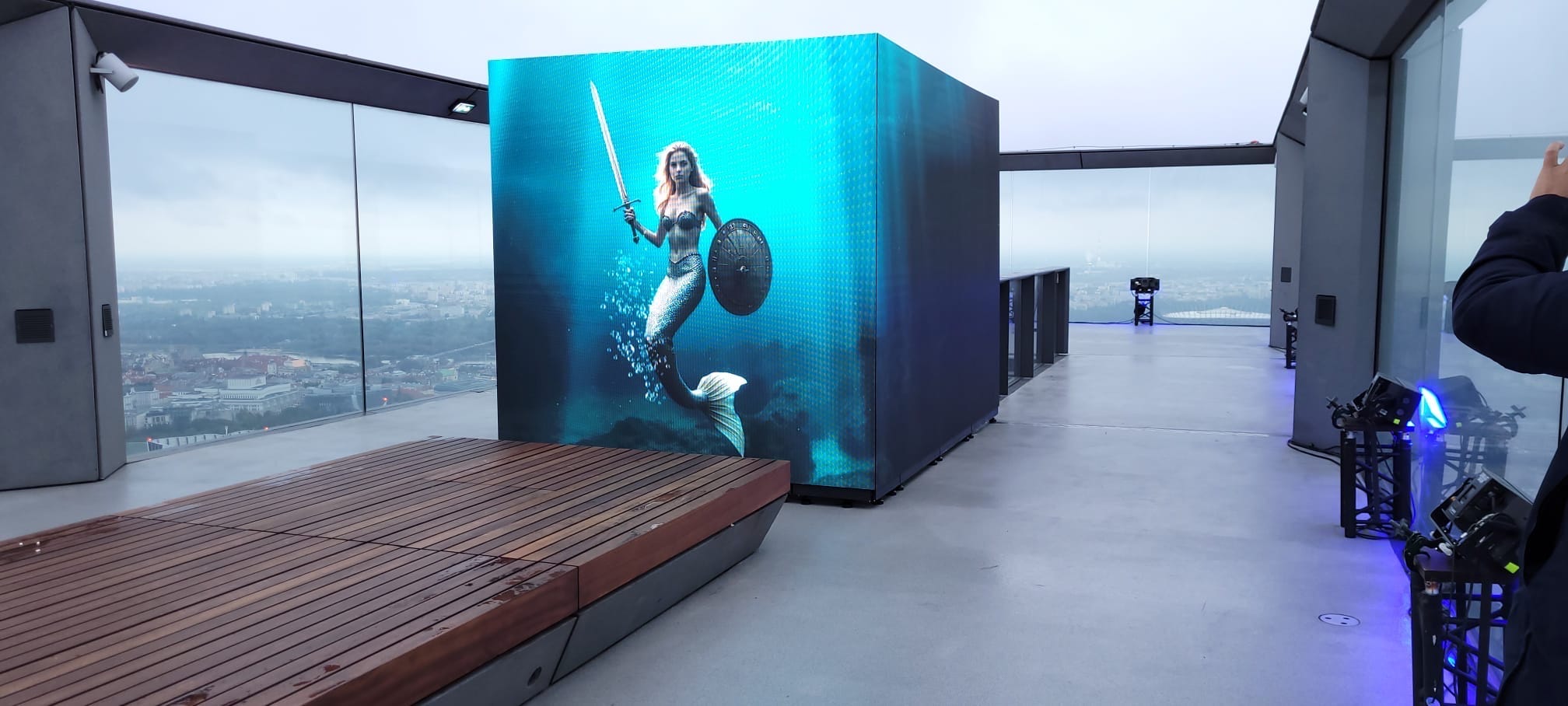
It can also provide an additional destination for tourists, school groups, families, corporate visitors and supporters who may not have access to match tickets.
For stadium operators, this means that fan engagement is no longer limited by the capacity of the stands or the number of games in a season.
For sports organisations, the most obvious concept is an immersive journey through the history of the club
A permanent attraction can celebrate legendary players, major victoriesmemorable matches, supporters, the evolution of the stadium and the relationship between the team and its city.
But that is only one possible model.
A properly designed immersive space does not need to remain permanently attached to one story. It can become a programmable canvas on which many different narratives are presented.
One month, it may host an experience dedicated to the club’s greatest victories. Later, the same space could present the history of the city, an exhibition created by a contemporary artist, an educational programmer for schools, a sponsored experience or a family-oriented multimedia production,
The content can change while the technical and architectural infrastructure remains in place.
This is a fundamental shift in thinking. Instead of building a single exhibition, the venue creates a content platform.
This approach is particularly valuable when transforming old or underused spaces into modern multimedia attractions. The goal is not simply to renuvate an existing room. It is to give that space a new commercial and cultural function.
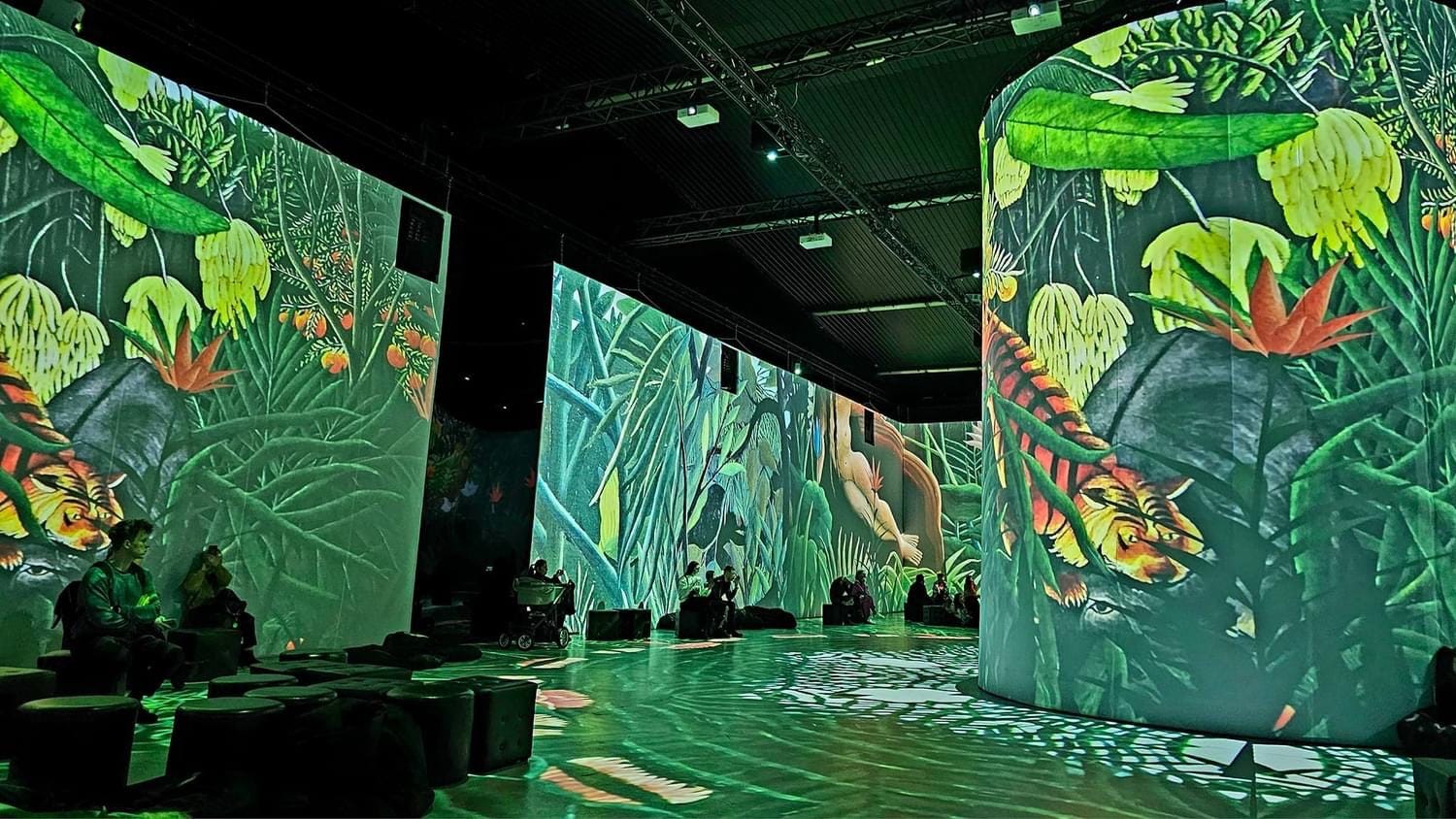
The simplest way to understand such a space is to think of it as a new type of cinema.
Traditional cinema is built around one screen and a fixed viewing direction. An immersive venue may use walls, ceilings, floors, transparent displays, scenic elements, spatial sound, interactive interfaces and physical objects.
The audience is no longer watching the story from outside. Visitors are standing inside the image.
The term “immersive” is currently used across almost every branch of entertainment, architecture, retail and communication. Nevertheless, its most understndable commercial form remains relatively simple: a room or sequence of rooms in which the image extends beyond a single screen and surrounds the visitorr
The experience becomes more powerful when audiovisual technology is combined with physical scenography, lighting, sound, interactive elements and carefully designed visitor movement.
This is not about filling every surface with animated content. It is about creating a controlled emotional journey.
A good immersive space knows when to overwhelm the audience, when to become quiet, when to invite interaction and when to allow a single original artefact to become the centre of attentiom
For decades, the screen was treated as a rectangular surface added to the architecture.
Today, that relationship is changing.
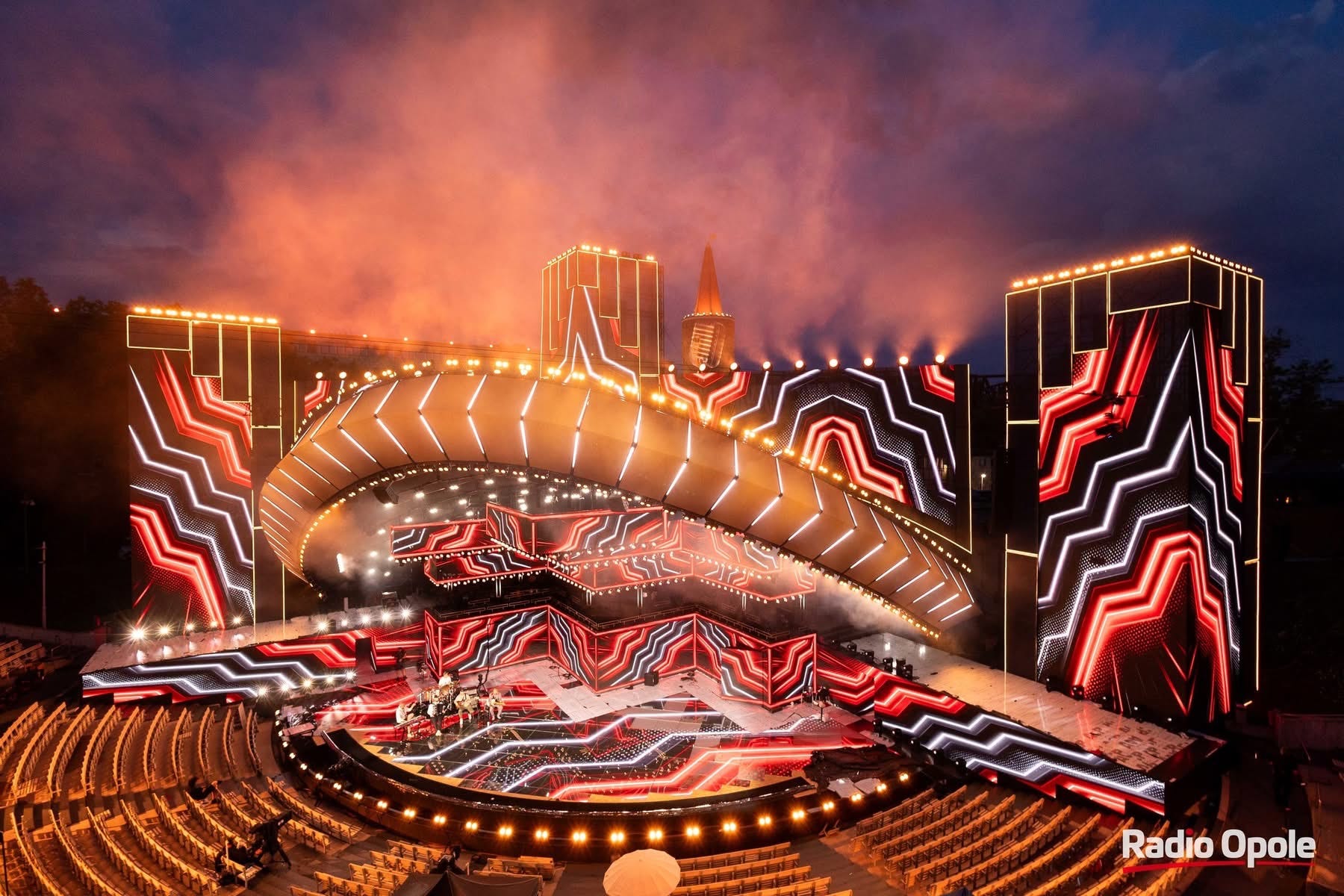
LED displays, projections and digital surfaces can define the architecture itself. They can create rooms, tunnels, ceilings, portals, sculptures and environments that physically guide visitors through a story.
In other words, LED technology no longer has to function only as a screen—it can begin shaping the space itself
This matters because a programmable media surface can change its function without requiring the venue to reconstruct the entire interior.
A wall that presents club history during the day may become a sponsor environment in the evening. A digital tunnel can welcome supporters before a match, host an interactive exhibition on non-event days and become part of a corporate presentation at night.
The same physical infrastructure can support many visual identities and commercial uses.
Whenever I visit stadiums, arenas and major entertainment venues, I see spaces with enormous potential.
Some are used as temporary hospitality areas on match days. Others accommodate sponsors, media, catering or operational functions during major events. Many are actvated only several dozen times a year.
For the remaining days, they stand largely empty.
An immersive attraction can change the economics of these areas by creating a new reason to visit the venue.
It can generate:
individual ticket sales
school and tourist group visits
corporate bookings
sponsored experiences
premium hospitality packages
private events
merchandise sale’s
food and beverage revenue.
The attraction may also support the wider commercial ecosystem of the venue
A visitor entering an immersive exhibition may subsequently visit the official store, restaurant, fan zone or stadium tour. A corporate client attending a private presentation may later book hospitality or event space. A sponsor may use the environment for product launches, customer events or branded content.
The project should therefore not be evaluated only on the basis of admission revenue. Its impact should also be measured through visitor frequency, average spend, sponor value, corporate bookings and increased use of the complete destination.
This is the broader business logic behind turning underutilised spaces into revenue-generating immersive entertainment centres.
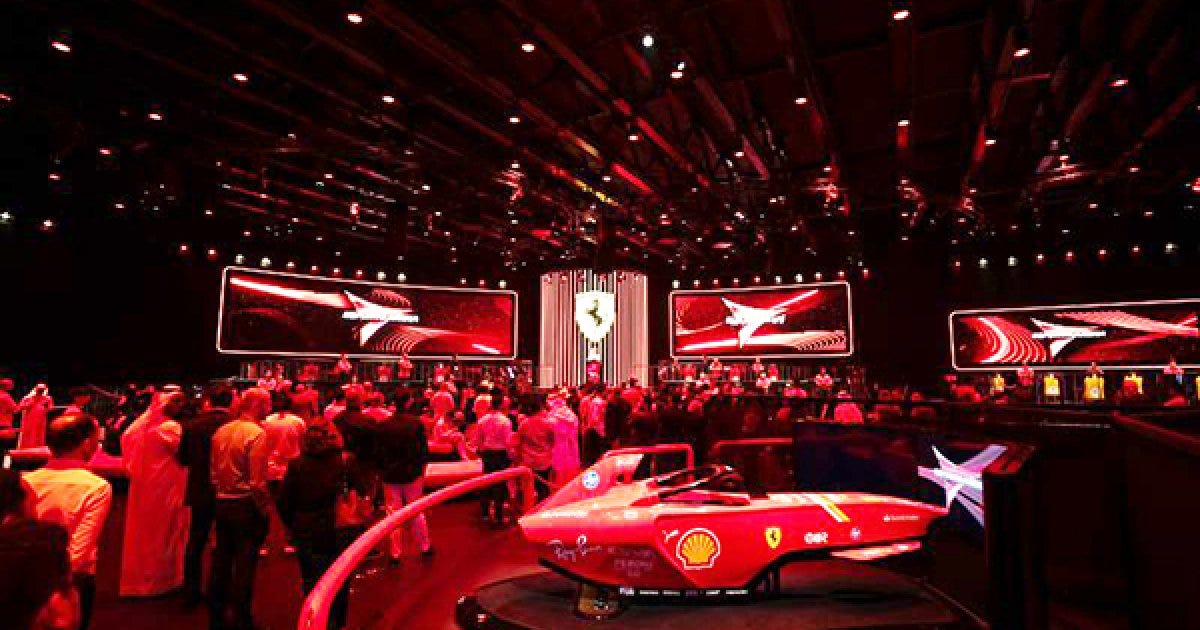
The Ferrari Esports Arena at Ferrari World Yas Island in Abu Dhabi illustrates a different but equally important approach.
Rather than functioning as a conventional museum or professional esports tournament venue, it was designed as a permanent interactive attraction that allows visitors to experience the emotion of Ferrari motorsport
ARAM was responsible for the complete experience and technical design, including the functional layout, multimedia systems, LED displays, projection, sound, interactive zones, lighting, themed interiors, structural supports and integration of technical systems.
The result is a permanent Ferrari-branded gaming attraction combining immersive technology, simulation and spatial storytelling.
The important point is that the technology is not presented as technology
Visitors do not enter the arena to admire screens, processors or audiovisual infrastructure. They enter because they want to feel like Ferrari racing drivers.
Technology is the invisible engine of the experience.
At the same time, the venue remains operationally flexible. It can support individual visitors, families, competitiv events, brand activations, live audiences and digital content.
This demonstrates how one permanent environment can deliver many different visitor and commercial functions.
The companies best prepared to design this new category of attraction may not always be traditional museum contractors.
Organisations that have spent years designing festival stages, television environments, esports arenas, concerts and large scale corporate productions already understand how to create emotion through space, image, sound, light and movement.
They understand:
audience behaviour,
sightlines and viewing distances,
visitor flow,
show control
content playback
system redundancy,
maintenance access
technical safety
the relationship between physical scenography and digital content
Most importantly, for these companies, the screen is not simply a device installed at the end of the projectt
It is a construction material.
LED displays, projections, transparent media surfaces, lighting systems and spatial audio can define architecture, direct movement, change the perceived dimensions of a room and transform the same physical environment into completely different worlds.
This is why the right technical production partner should be involved while the creative concept is still being developed, rather than being asked only to price equipment after the design has already been approved.
A spectacular opening is not enough.
Many technology-driven attractions become outdated because they were conceived as one-off installations rather than continuously operated media platforms.
The real questions begin after the opening:
How frequently can the content be changed?
Can new exhibitions be introduced without rebuilding the room?
Can external artists and content studios work within the system?
Can the same infrastructure support school visits in the morning, individual visitors in the afternoon and a corporate event in the evening?
How easily can the operating team control the experience?
Can sections of the attraction be sponsored or rebranded?
How much does it cost to create and introduce a new show?
These decisions have a direct impact on the long-term commercial performance of the project.
A viable immersive centre needs not only screens and projectors, but also a carefully planned content workflow, media-server architecture, show-control system, technical support model and clearly defined process for introducing new productions.
It also requires the less glamorous but equally essential parts of venue design: accessibility, emergency egress, acoustics, ventilation, cooling, electrical infrastructure, visitor capacity, maintenance routes, storage and back-of-house operations.
Before construction begins, the creative vision therefore has to be translated into a buildable system. This requires technical design that connects multimedia, lighting, rigging, power, architecture and venue operations.
The project succeeds when creative ambition, technical reliability and commercial practicality work together.
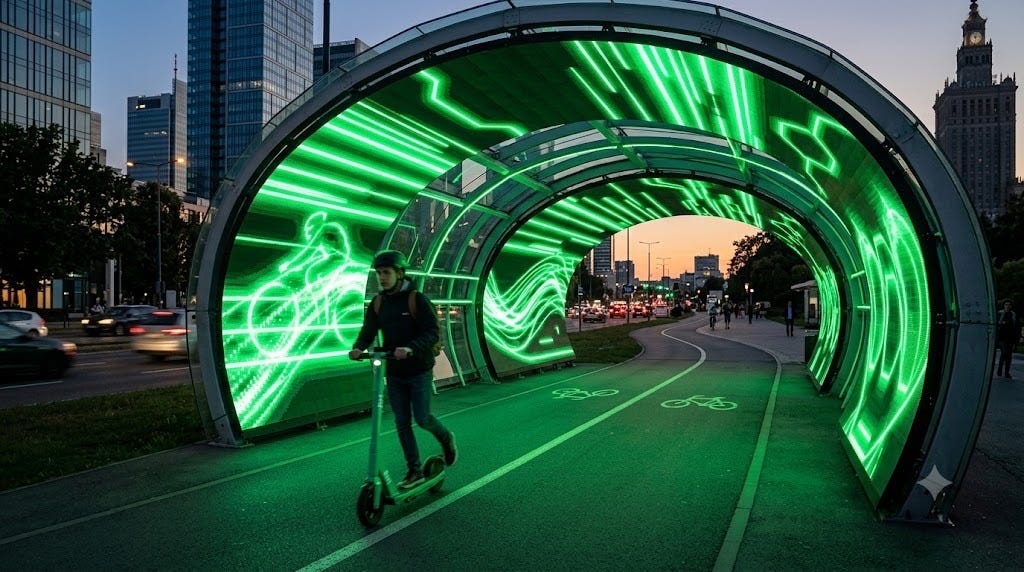
A well-designed immersive environment can serve multiple audience groups without losing its identity.
For sports supporters, it can present club history and legendary moments.
For tourists, it can become an introduction to the stadium and the city.
For schools, it can host educational programmes.
For artists, it can function as a digital gallery or immersive theatre.
For sponsors, it can become a branded experience platform.
For corporate clients, it can provide an unusual setting for presentations, product launches and private events.
For the venue operator, this variety creates resilience. The business is not dependent on one exhibition, one audience segment or one annual calendar.
The same infrastructure can continually acquire new commercial functions.
For decades, stadiums and arenas were designed primarily as containers for major events.
The next generation of venues will increasingly operate as permanent contenttplatforms.
Their value will not be determined only by seating capacity or the number of headline events they host. It will also depend on how effectively they use their remaining space, how frequently visitors return and how easily the venue can introduce new forms of entertainment.
This requires a different relationship between owners, architects, content creators and technology companies.
At ARAM, we approach these projects as a combination of creative architecture, entertainment design and audiovisual engineering. Our experience in building festival stages, esports arenas, televsion environments, multimedia exhibitions and permanent attractions allows us to treat technology as part of the space from the very beginning…not as equipment added at the end
The process should not start with a catalogue of displays or projectors.
It should begin with three questions:
What should visitors feel?
How should the space operate?
How will it generate revenue throughout the year?
Stadiums and arenas were built to hold emotion.
The opportunity now is to keep creating—and monetising—that emotion even on the days when the seats are empty.
Owners and operators considering such a transformation should begin by working with a creative design and technical production partner specialising in immersive venues, attractions and audiovisual environments.
Comments
Nothing yet. Say the first thing.
Sign in to join the conversation.