
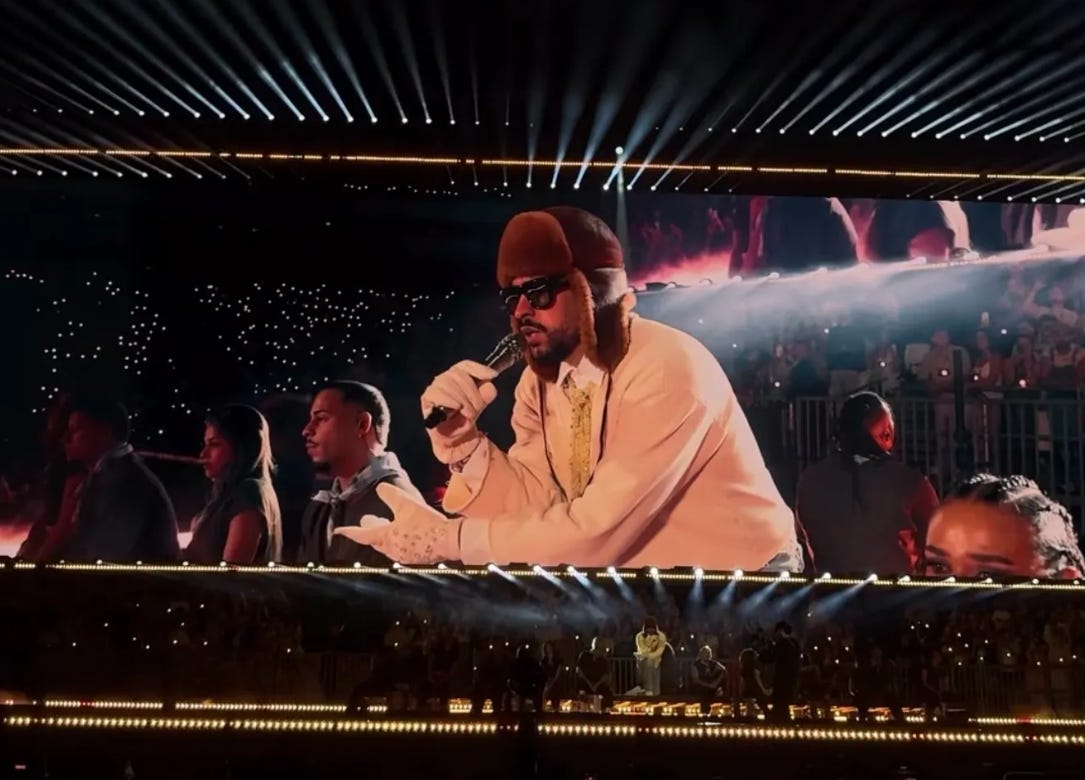
For decades, the United States was the default point of reference for the global entertainment industry.
It offered the largest budgets, the most influential promoters, the strongest media ecosystem and an enormous, relatively unified consumer market. A format that succeeded in America was frequently treated as a format ready for the world.
That advantage is not disappearing.
But the balance of power is changing.
Europe is increasingly becoming more than another stop on an international tour. It is becoming a place where global entertainment concepts can be launched, tested, produced and scaled.
This does not mean that the world’s biggest concerts and events are suddenly relocating from the United States to Europe. A more accurate conclusion is that live entertainment is moving away from a model dominated by one market and towards a multipolar structure
Europe is becoming one of its most important centres.
The more time people spend in front of screens, the more valuable experiences become that cannot be scrolled past, copied or watched later.
Concerts, festivals, esports tournaments, immersive shows and themed attractions no longer compete only with other events. They compete with an unlimited amount of digital content available instantly and often almost free of charge.
Paradoxically, this is not weakening the live entertainment market.
It is strengthening it.
In 2025, Live Nation concerts attracted 159 million attendees, an increase of 5% compared with the previous year. The company said that growth was driven partly by stadium activity and international markets. It also invested almost USD 15 billion in artists and shows during the year. (Live Nation Entertainment)
This supports a broader argument about why live entertainment may become one of the biggest winners of the AI era.
Artificial intelligence can generate images, video, music, stage concepts and marketing content. It can accelerate planning and help teams visualise ideas that previously required weeks of work.
But AI cannot install an LED wall inside an arena.
It cannot build a stage overnight, coordinate hundreds of signal paths, manage the safety of thousands of visitors or reproduce the atmosphere created when an audience experiences something together.
People can listen to music anywhere, but they still want to stand in the same venue with thousands of other fans.
They can watch esports online, but they still want to experience the championship final live.
They can explore places through a phone screen, but they are willing to pay to enter an environment that physically surrounds them.
Live entertainment is therefore growing not despite digitalisation, but partly because of it.
The greatest advantage of the United States remains the scale of one country.
Europe responds with a different model: an unusually dense network of cities, venues, airports, rail connections, technical suppliers and local communities.
The Schengen Area covers 29 countries and enables freedom of movement for more than 450 million European citizens, as well as non-EU nationals legally present within the area. Its members also apply common rules for short visits of up to 90 days within a 180-day period. (Migration and Home Affairs)
A project produced in Berlin, Barcelona, Amsterdam, Paris, Vienna, Prague or Warsaw can attract audiences from numerous countries without requiring most European visitors to pass through a separate immigration procedure.
A fan can fly to a concert in another country for the weekend.
A player can travel to an esports tournament by train.
A sponsor can invite clients from several European offices to one event.
A touring production can move between markets without repeatedly leaving and re-entering completely separate immigration areas.
Europe is not administratively uniform. Taxation, labour regulations, posted-worker requirements, safety procedures and venue standards differ between countries. The United Kingdom, following Brexit, operates within a separate customs and immigration framework.
This is why international organisers still need to understand how to choose the right European production partner for conferences, product launches, exhibitions and global events.
Europe is not one production market.
But from the audience’s perspective, much of continental Europe functions as one connected travel area. For an event whose success depends on international attendance, this is a significant competitive advantage.
Creating a strong programme is no longer enough.
The audience must also be able and willing to reach the event.
That decision is influenced by:
ticket prices,
flight and hotel costs,
availability of transport connections,
predictability of border procedures,
perceived safety,
and the possibility of combining an event with a wider city break.
Pollstar’s analysis of global ticket prices placed the United States among the world’s most expensive major live entertainment markets after normalising the underlying data. Many continental European markets remained below the United States, Australia and the United Kingdom.
Europe is not universally inexpensive. Prices vary greatly depending on the city, artist, venue, ticket category and purchasing power of the local market.
However, the combination of multiple transport options, a dense network of destinations and different pricing levels gives organisers considerably more flexibility.
A lower ticket price does not necessarily mean lower commercial value.
It can create:
higher attendance,
a broader demographic reach,
more merchandise sales,
stronger sponsor visibility,
greater food and beverage revenue,
longer visitor stays,
and a larger economic impact on the host city.
This is why the value of an event is increasingly measured not only through box-office revenue, but also through accommodation, transport, hospitality, tourism and wider urban activity.
One of the clearest signs of the growing importance of live entertainment is the rise of event-driven tourism.
According to UK Music, concerts and festivals attracted a record 24.7 million music tourists to the United Kingdom in 2025. Their combined spending reached GBP 11.2 billion, while the number of international music tourists increased by 26.8%. (UK Music)
The broader lesson is important.
A major event is no longer simply a product sold to a local audience.
It is a reason for people to choose a particular destination.
The same mechanism applies far beyond music. It can be seen in:
major esports and gaming tournaments,
international sports finals,
fan conventions,
immersive exhibitions,
family entertainment attractions,
popular culture festivals,
conferences,
and global technology events.
People are no longer travelling only to visit a city.
Increasingly, they are travelling to experience something specific located in that city.
For host destinations, the event becomes a temporary tourism engine. For organisers, the city becomes part of the product.
This creates an incentive for cities, venues, tourism organisations, brands and private investors to treat live entertainment as economic infrastructure rather than as a one-night cultural activity.
Europe is also becoming more attractive because producing international tours and events in the United States has become more expensive and less predictable for some artists, producers and technical teams.
In April 2024, the basic US petition fee for international performers increased from USD 460 to more than USD 1,600 per application. Smaller and mid-sized artists may also face legal fees, consular charges and approximately USD 2,800 for premium processing.
Industry lawyers cited by the Associated Press reported cases in which processing that had previously taken between one and four months began taking as long as eight months. Some artists cancelled, postponed or reconsidered US tours because the expected return no longer justified the administrative cost and risk
The largest global performers can absorb these expenses within multimillion-dollar tours.
For smaller bands, theatre companies, dance groups, independent producers, showcase festival participants and specialised crews, the risk is much more significant.
The most serious issue is not simply the fee.
It is unpredictability.
A promoter may need to reserve the venue, hotels, transport, production resources and marketing campaign without having complete certainty that every performer and crew member will receive approval on time.
This does not mean that the United States will stop being an enormous and highly attractive entertainment market.
But administrative risk is becoming another factor considered alongside ticket demand, sponsorship potential, venue availability and production cost.
For some international projects, Europe may offer a more predictable starting point.
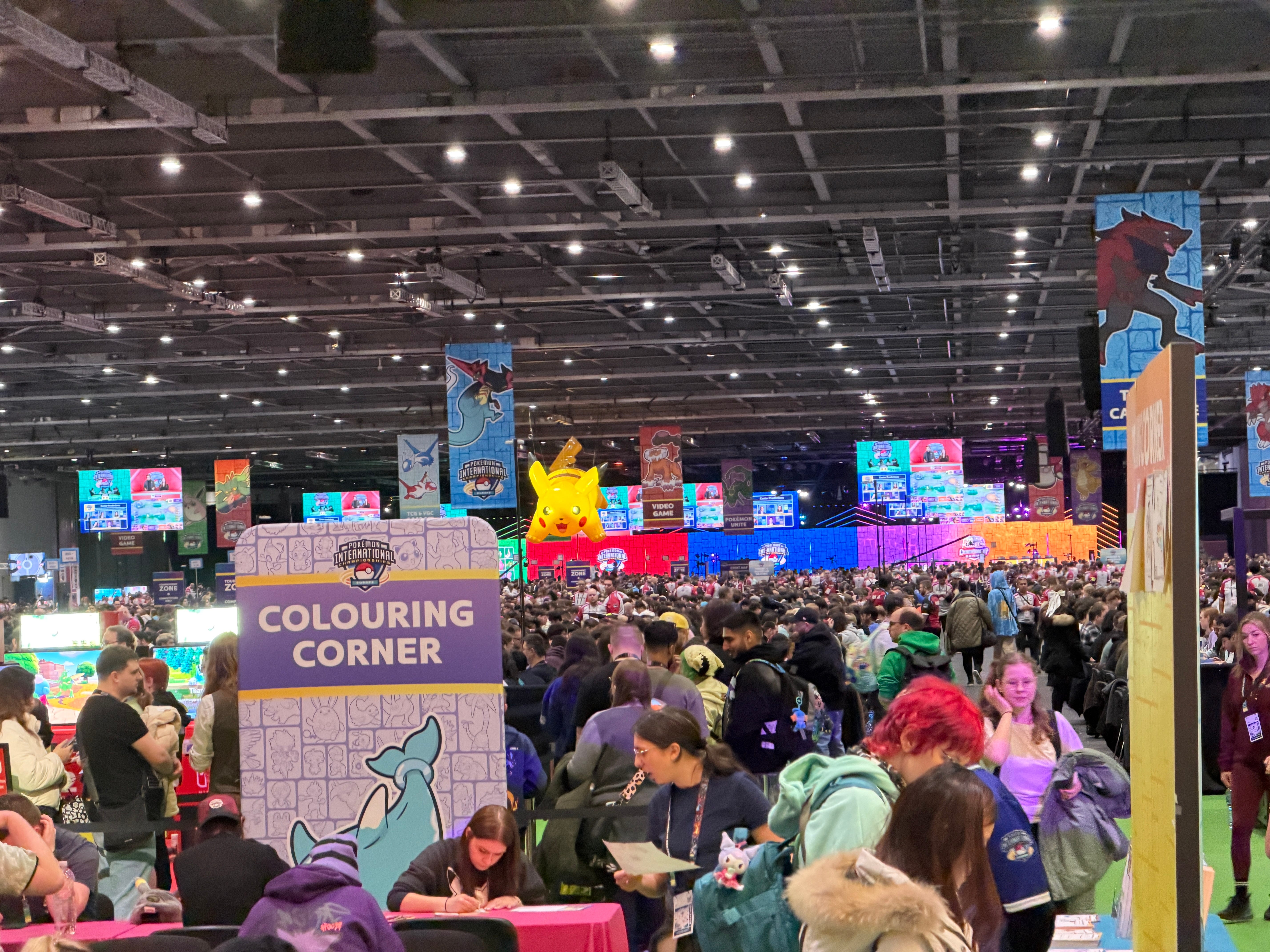
At ARAM, we have had the opportunity to observe this transformation directly.
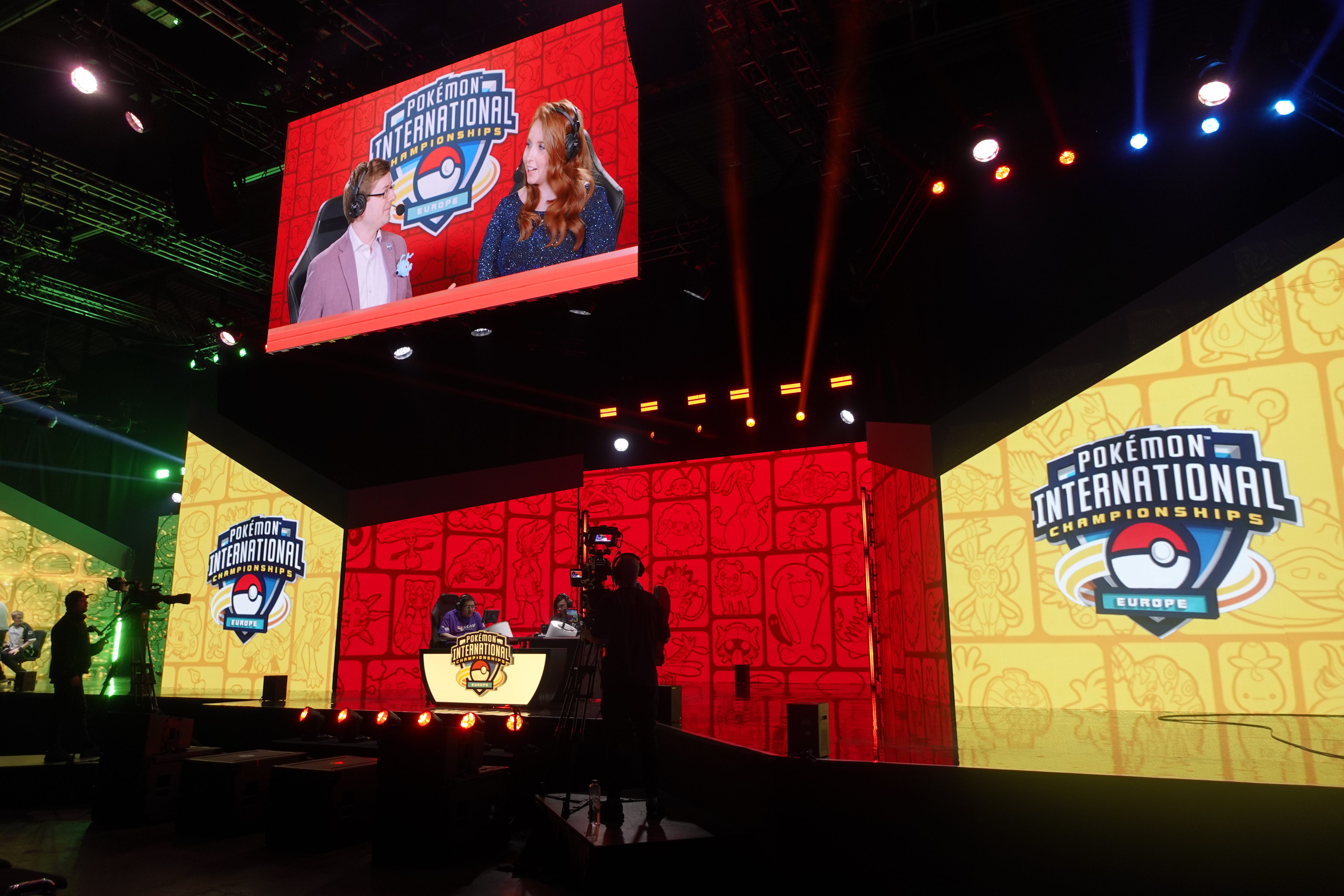
For five consecutive editions, we have been responsible for the technical production of the Pokémon Europe International Championships.
The Pokémon Europe International Championships 2026 at ExCeL London brought together players and fans of the Pokémon Trading Card Game, Pokémon Scarlet and Pokémon Violet, Pokémon GO and Pokémon UNITE.
Over the years, we have seen the event evolve from a large competitive tournament into a complex live entertainment ecosystem.
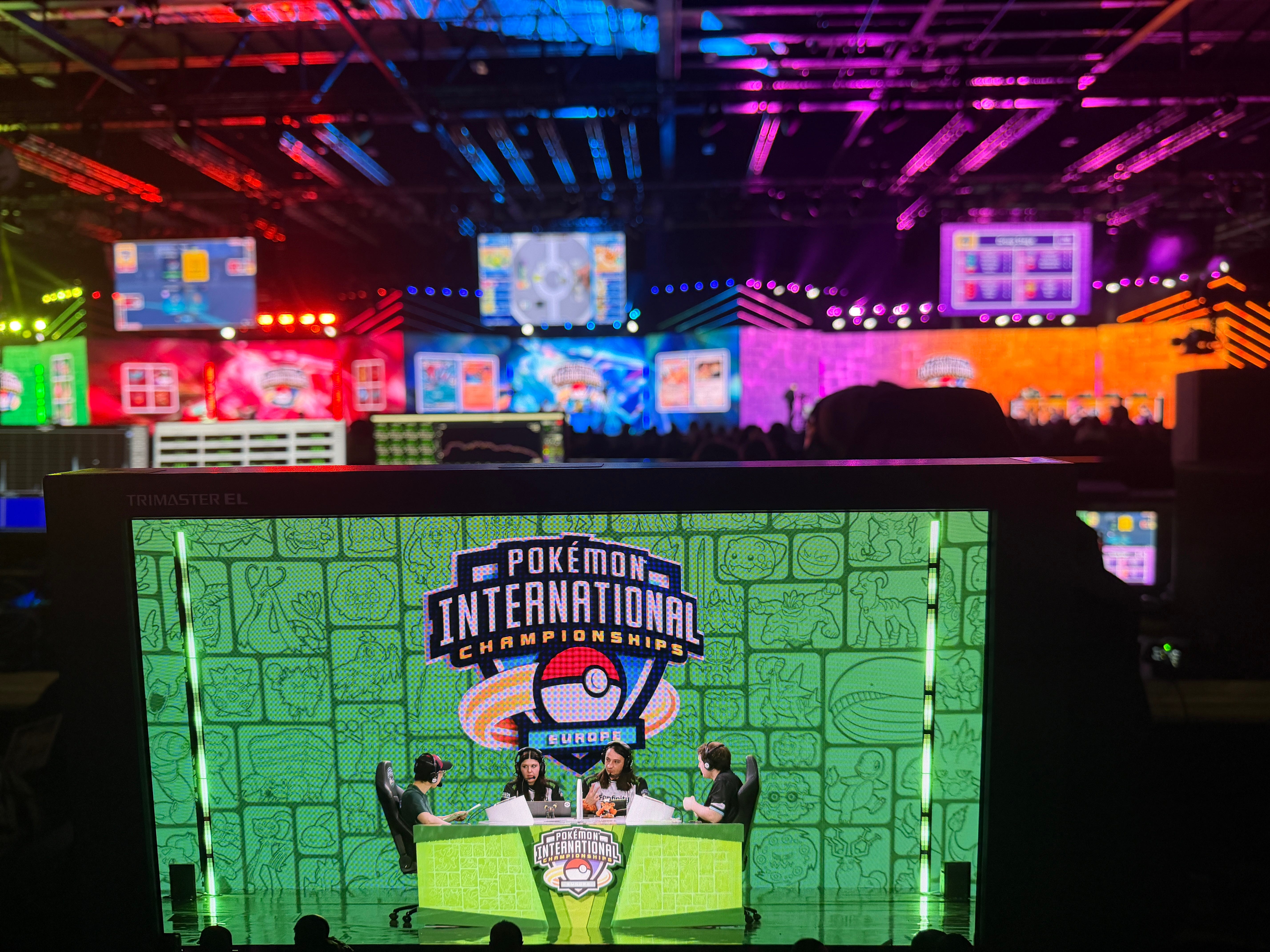
The change is not limited to the physical size of the production.
The number of competitions, environments, screens, player stations, broadcast systems, scenic elements and activities for visitors has also increased.
It is no longer simply a collection of gaming tables and competition stations.
It is a multi-day gathering of a global community, combining:
professional competition,
live broadcast,
digital content,
merchandise,
family entertainment,
fan culture,
social interaction,
sponsor visibility,
and destination travel.
Players, spectators and content creators travel to the event from across Europe and from other parts of the world.
For many of them, the championship is the main reason for travelling to London.
From the perspective of a technical production company, the shift in expectations is particularly visible.
Organisers are no longer asking only how many LED screens, cameras or lighting fixtures they require.
They are asking:
How should the complete visitor journey be designed?
How can competition be integrated with entertainment?
How should the event serve both on-site and online audiences?
How can broadcast requirements be integrated into the physical venue?
How can different groups use the same space throughout the day?
How can technical systems support the identity of the brand and its community?
These questions are becoming central to professional esports stage design and technical production for global gaming events.
They also show where traditional event production begins to merge with location-based entertainment.
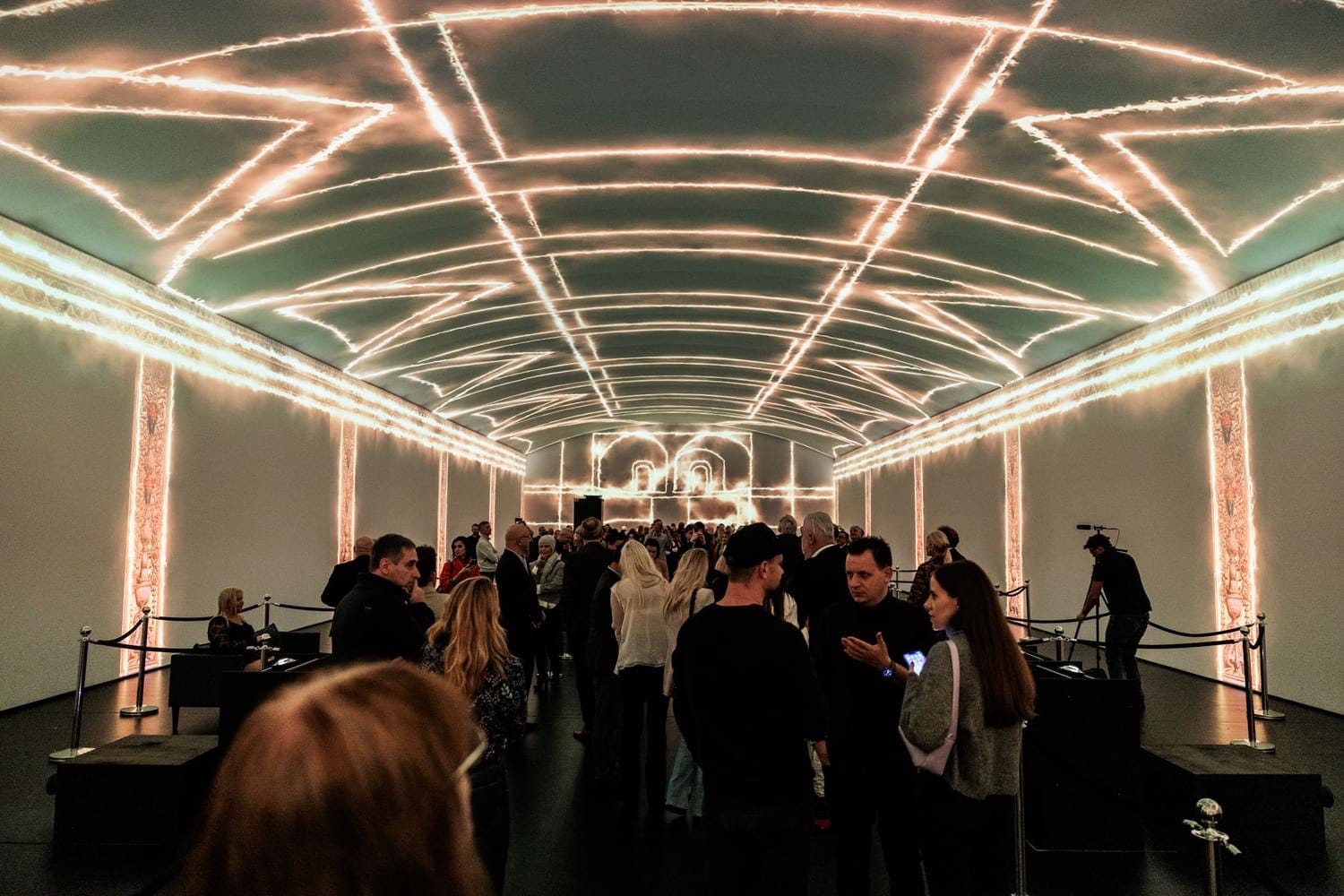
One of the most important developments in the industry is the move away from thinking about an event as one stage facing one audience.
A contemporary event increasingly consists of multiple parallel experiences:
a main stage,
tournament areas,
broadcast studios,
sponsor environments,
interactive zones,
retail and merchandise,
immersive installations,
hospitality areas,
spaces created for social media content,
and attractions operating between the main programme moments.
This is also why large screens and multimedia environments are becoming the architecture of modern entertainment.
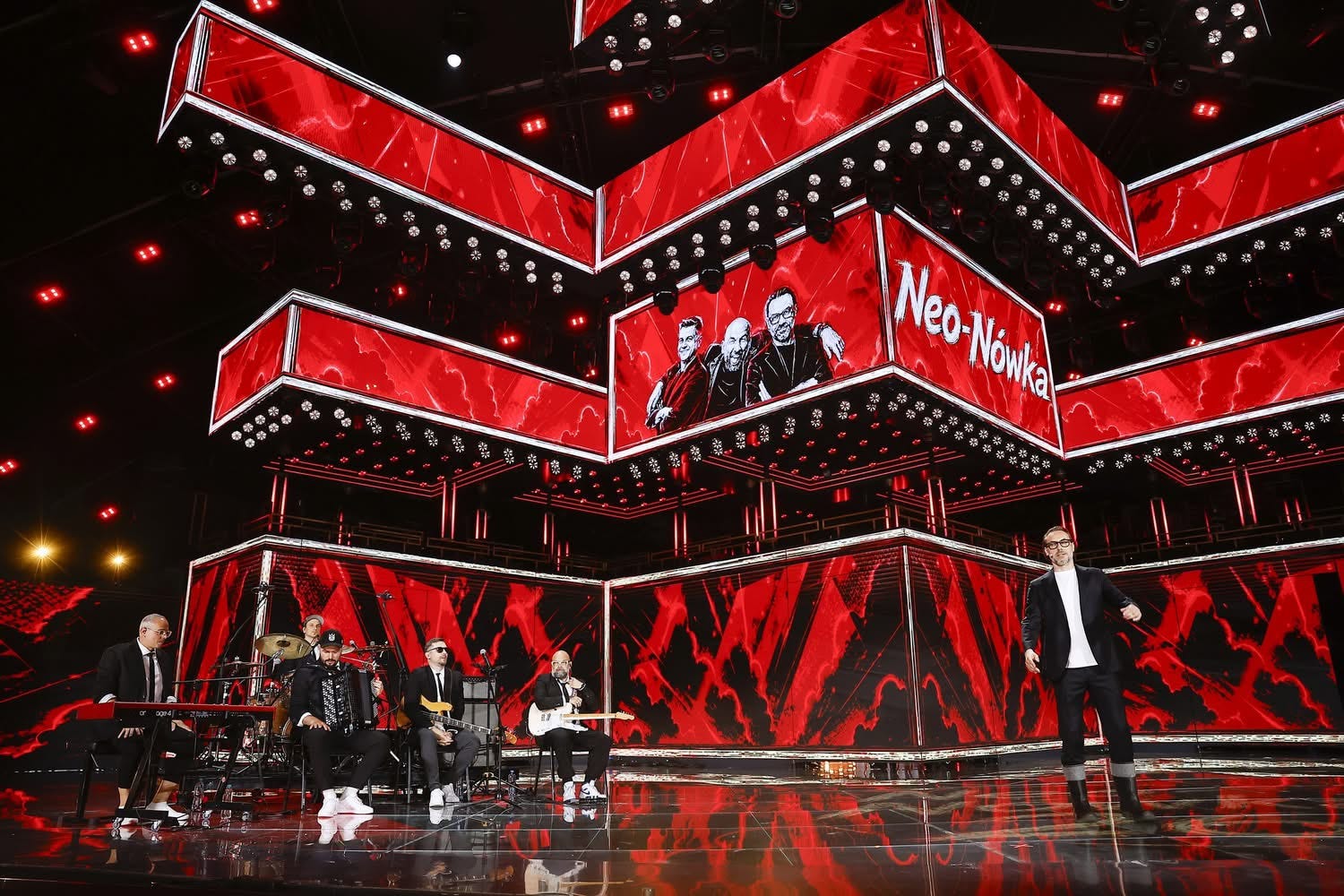
LED displays are no longer only surfaces placed behind performers.
They can define the walls, ceilings and geometry of the environment. Lighting is no longer only used to illuminate a stage. It can guide the visitor, transform the atmosphere and connect multiple parts of the venue.
Audio, video, lighting, interactive systems and physical scenography are becoming components of one responsive environment.
Similar technologies are used in permanent location-based entertainment venues.
The difference between a three-day event and a permanent attraction is increasingly not the type of technology being used, but the length of time for which it is deployed and the business model surrounding it.
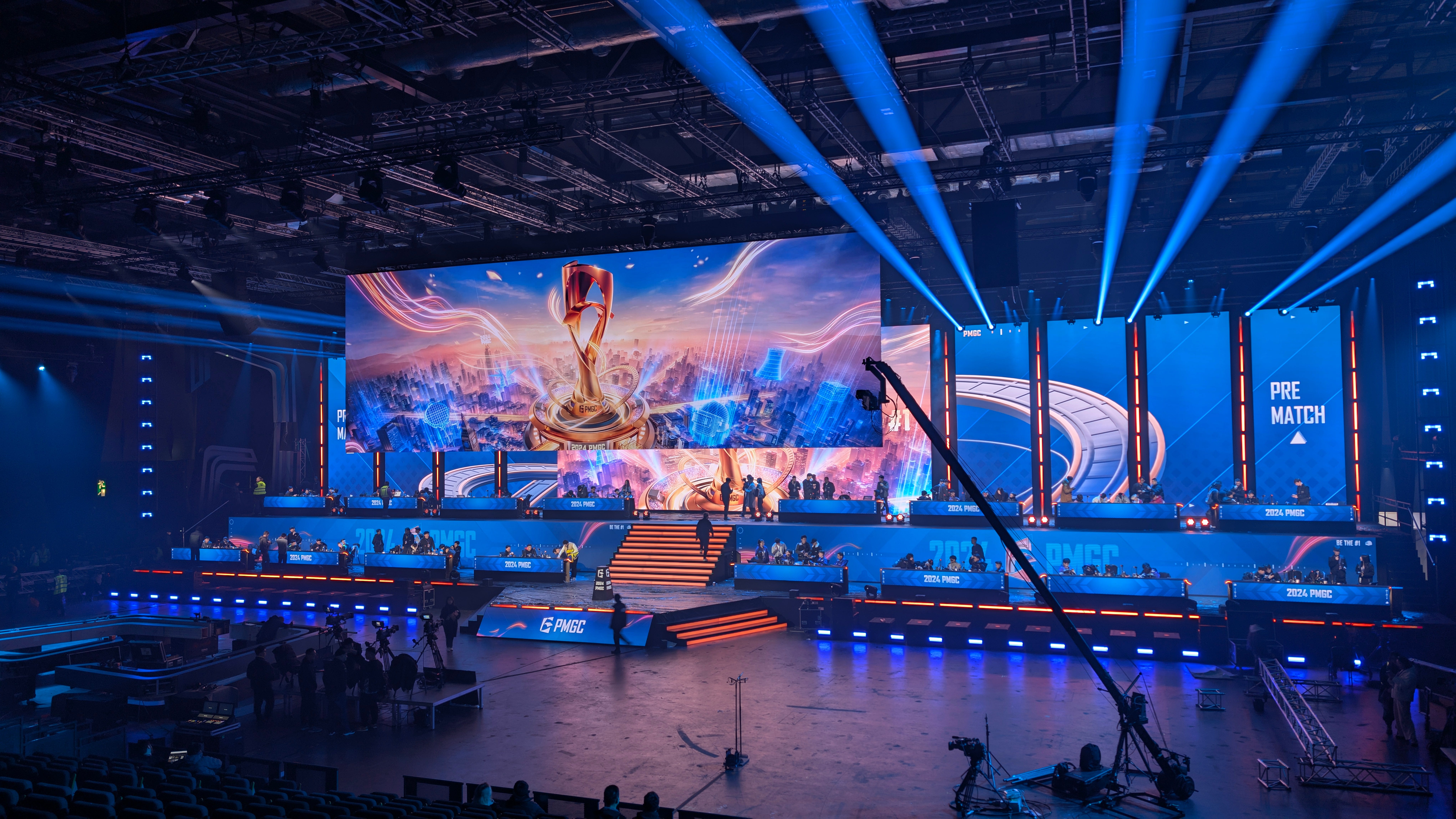
At ARAM, we see this convergence across temporary productions such as Pokémon, Intel Extreme Masters and PUBG Mobile Global Championships, as well as in permanent esports arenas, studios and immersive attractions.
The Ferrari World Esports Arena in Abu Dhabi is one example.
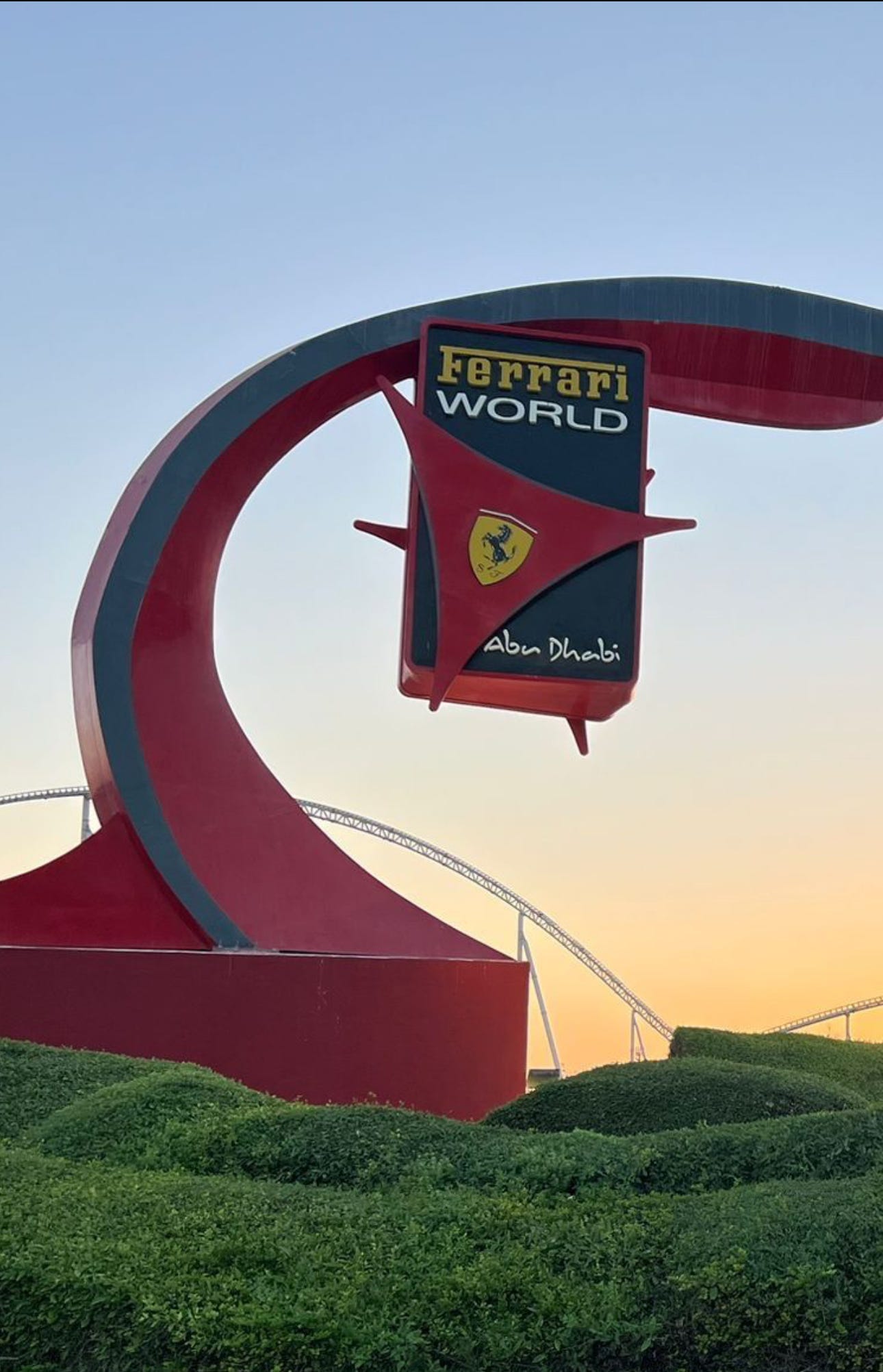
The project combined the operational requirements of a real gaming venue with the storytelling, spatial design and emotional identity of a global entertainment brand.
It was not intended to be a decorative simulation of esports.
It was designed as an actual esports experience inside one of the world’s best-known theme parks.
This reflects a broader transformation.
Theme parks are learning from esports.
Esports events are learning from television.
Concerts are learning from immersive exhibitions.
Corporate events are learning from festivals.
Museums are learning from live production.
The market can no longer be divided neatly into concerts, events, esports, broadcast, attractions and theme parks.
Increasingly, it is one market focused on designing physical experiences.
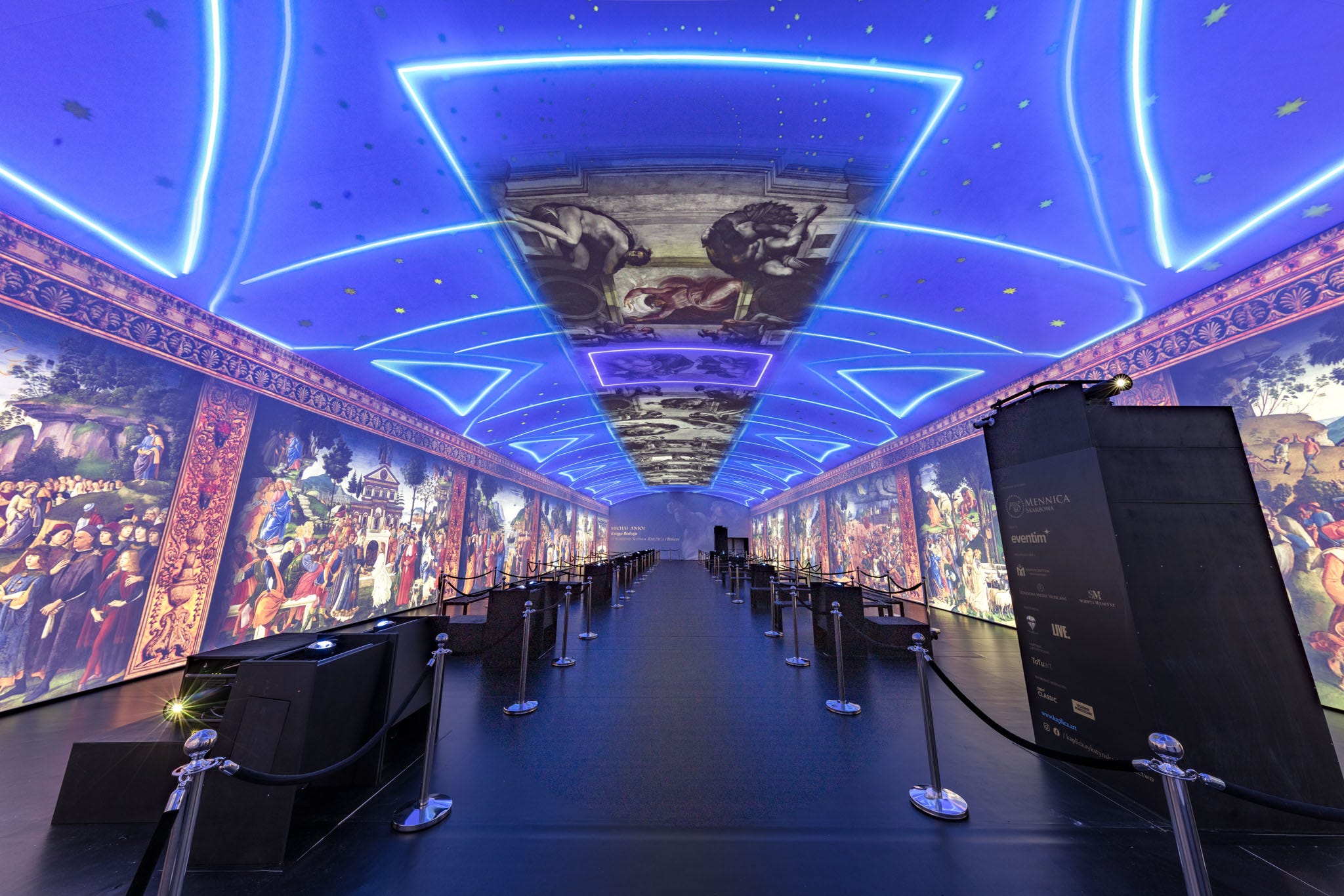
The convergence between live events and location-based entertainment is also changing how projects are developed commercially.
A successful event format can become:
a touring production,
a permanent attraction,
a seasonal residency,
a branded roadshow,
an exhibition,
a ticketed urban experience,
or a modular attraction installed in shopping centres, hotels and entertainment destinations.
This is one reason we developed a touring immersive venue that can be deployed in different cities and markets.
THE CUBE TOURING is based on the idea that an immersive attraction should not need to be designed from zero every time it enters a new location.
The infrastructure, projection system, technical logic and operating model can be repeated, while the content and visitor proposition can change.
Similarly, The Cube turnkey immersive theatre for permanent and touring use demonstrates how a proven technical format can support different stories, audiences and commercial models.
This approach is likely to become increasingly important.
Many investors and operators do not lack ideas. They lack formats that have already been engineered, tested and operated in front of real audiences.
The next generation of live entertainment companies may therefore create not only individual events, but repeatable experience platforms.
Audience demand alone is not enough.
For a market to grow, it also needs venues, production infrastructure, suppliers and skilled people.
Europe has a dense network of:
exhibition and congress centres,
stadiums and arenas,
theatres and clubs,
television studios,
industrial and non-traditional venues,
rental companies,
scenic production workshops,
audiovisual integrators,
lighting and multimedia designers,
broadcast operators,
engineers,
and specialised technical crews.
At the beginning of 2024, Live DMA represented 3,208 European music venues, clubs, festivals and related organisations across 20 regions. Its represented network had increased by 28% over six years. (Live DMA)
The figures do not describe the whole European market, but they show its density and diversity.
Europe also has a substantial base of companies capable of moving crews and equipment between countries while working according to international production and safety standards.
This matters because large events increasingly require more than a local equipment supplier.
They need a partner capable of understanding scenery, multimedia, broadcast, IT, power, rigging, safety, logistics and audience experience as one connected system.
A useful starting point for organisers is this practical guide to technical production, live event technology, festival production and concert infrastructure.
The growing scale of the market therefore does not mean only a greater number of concerts and events.
It also means increasing demand for full-service technical production and companies able to take responsibility for the complete technological ecosystem of a project.
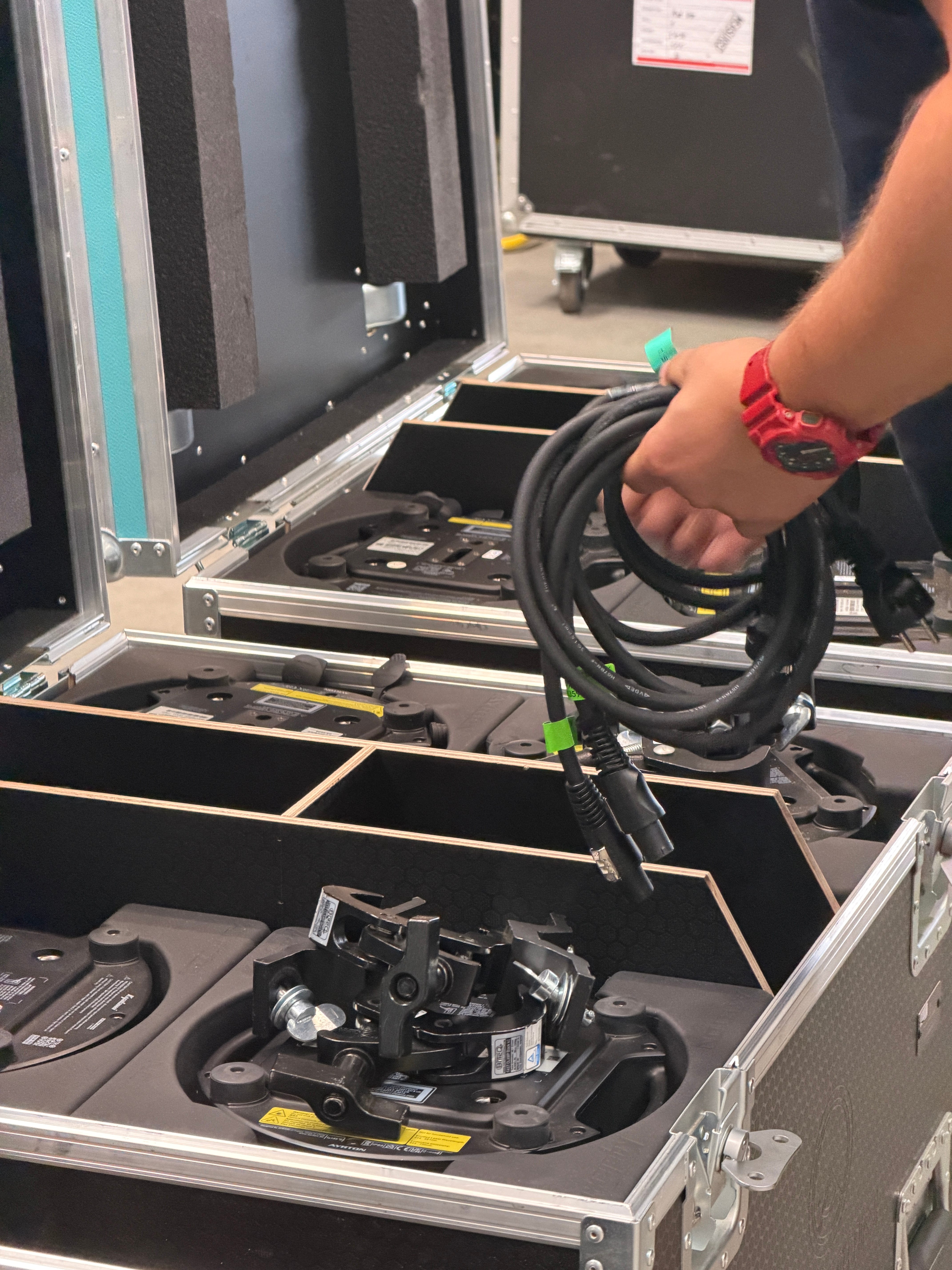
As events become more complex, the difference between supplying equipment and delivering technical production becomes increasingly important.
Equipment rental answers the question:
What hardware should be delivered?
Technical production answers a much wider set of questions:
Can the concept be built?
Can the venue support it?
How should the systems be integrated?
What risks need to be resolved before installation?
How much crew and installation time are required?
How will the live show, broadcast and audience systems work together?
Can the project be repeated in another country?
Who has responsibility when something changes?
This distinction matters because equipment is rarely the greatest source of risk.
The greatest risks usually appear between different systems, suppliers and responsibilities.
A screen may work.
A lighting system may work.
A broadcast system may work.
But the event succeeds only when they all work together, at the right time, inside the operational limitations of the venue.
That is why execution, not only creativity, will define the future of event production.
Ideas are becoming easier to generate.
Reliable execution remains difficult.
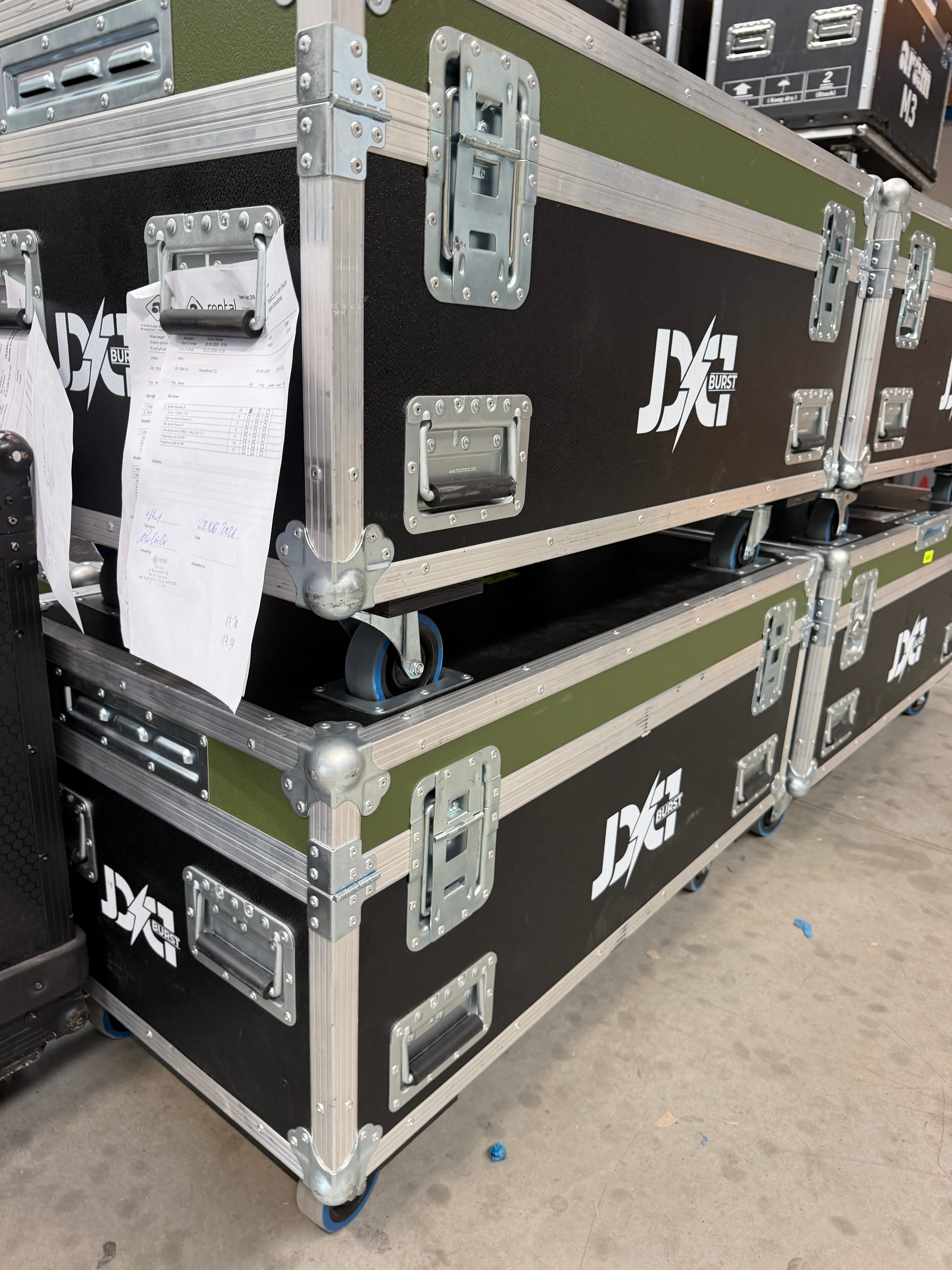
One of Europe’s advantages is that creative direction, technical production, equipment supply and project delivery do not all need to come from the same city.
An international event may be created by an agency in London, commissioned by a client in the United States, delivered in Germany and technically supported by teams from Poland.
Poland has developed into a significant production base for European and international projects.
Its advantages include:
experienced technical crews,
a strong television and broadcast tradition,
advanced audiovisual inventory,
established esports production expertise,
scenic and structural manufacturing,
access to the European transport network,
and competitive project delivery compared with several Western European markets.
International organisers researching event technical production in Poland for conferences, concerts, esports and immersive experiences are increasingly looking for more than lower costs.
They are looking for technical competence, capacity and the ability to take responsibility for complex delivery.
The same principle applies when evaluating event technical production companies in Poland and the capabilities they should offer.
A credible international production partner should understand both global client expectations and local execution realities.
At ARAM, our role increasingly begins before equipment is selected.
We may support:
concept feasibility,
venue evaluation,
technical design,
production planning,
supplier coordination,
multimedia and lighting integration,
broadcast requirements,
crew planning,
installation,
show operation,
and final delivery.
This end-to-end capability is becoming more important as events become larger, more visual and more dependent on technology.
Our global portfolio of concerts, esports tournaments, exhibitions and multimedia productions also demonstrates how knowledge developed in one entertainment segment can be transferred into another.
The US market is enormous, but it is also highly commercial and increasingly concentrated around major operators.
Europe develops through a more varied structure.
Alongside stadium tours, it has:
strong local music scenes,
city festivals,
public cultural institutions,
commercial exhibitions,
independent venues,
international trade fairs,
corporate events,
government summits,
ticketed immersive attractions,
and hybrid public-private projects.
The EU’s Culture Moves Europe programme has a budget of EUR 25 million and is intended to support approximately 7,000 artists, cultural professionals and host organisations between 2025 and 2028. (Kultura i Kreatywność)
This is not comparable with the budgets of the world’s largest commercial entertainment projects.
It does, however, demonstrate that artistic mobility is treated as part of Europe’s wider cultural development policy.
This mixed ecosystem creates space for both a global stadium artist and an experimental immersive production, a gaming tournament, a travelling exhibition or an attraction installed inside a shopping centre
Smaller experiments can later become scalable international formats.
A positive analysis of the European market needs an important qualification.
The sector is facing rising costs of:
labour,
transport,
energy,
security,
accommodation,
insurance,
and venue rental.
Availability of major arenas during the most attractive dates is becoming increasingly difficult
Many small venues and independent festivals remain under financial pressure. Live DMA research has highlighted rising operating costs and the difficulties faced by smaller and mid-sized live music venues.
Europe also remains administratively fragmented.
Freedom of travel does not automatically create uniform rules for employment, taxation, permits or customs processes.
The United Kingdom’s relationship with the EU adds another layer of complexity for touring artists, production companies and logistics providers.
Growth will therefore not be equal across every segment.
Major events, established brands and well-designed formats may expand rapidly, while smaller projects without a clear community, programme or commercial advantage may face increasing pressure.
The European opportunity is real.
But it rewards preparation, differentiation and operational competence
Europe does not need to replace the United States in order to become more important.
Its greatest strength lies in the ability to choose between multiple:
markets
cities,
languages
pricing levels
venue types
production ecosystems
and audience groups.
A project can begin in London, be developed in Paris or Amsterdam, scaled in Germany, technically produced with support from Polish teams and then moved to Spain, Italy, Scandinavia or the Middle East.
This model increasingly reflects a world in which fandoms are global, artists build audiences online and physical events become places where digital communities materialise
From the perspective of nearly three decades in the industry, I can see that the physical scale of productions is growing.
But their complexity is growing even faster.
A client no longer needs only a stage.
They need a world.
They do not need only a broadcast.
They need an experience that works both on-site and online.
They do not need only equipment.
They need a project that can be safely designed, built, operated, scaled and repeated in multiple locations.
This is where full-service live event production for concerts, esports and brand experiences across Europe and MENA becomes a strategic part of the project rather than simply a technical purchase.
Europe has the audiences, cities, infrastructure, technical capabilities and cultural diversity required to create the next generation of live entertainment formats.
We are not witnessing the end of US dominance.
We are witnessing the end of a world in which an event first had to succeed in America in order to be considered truly global.
Comments
Nothing yet. Say the first thing.
Sign in to join the conversation.