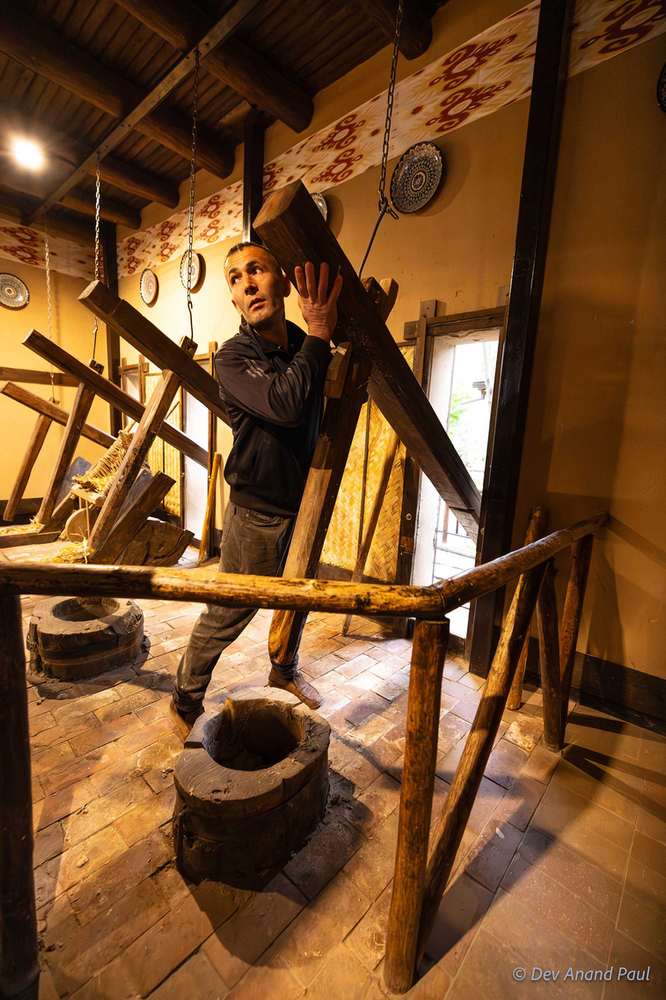
Visit Konigil Meros Paper Mill, near Samarkand, to learn about the revived ancient Silk Road tradition of papermaking, and watch the stages of the process. A guide demonstrating the traditional Samarkand papermaking process by beating boiled mulberry bark into pulp Reading about the city’s history before travelling to Samarkand, we discovered that, besides its celebrated monuments, Samarkand was…
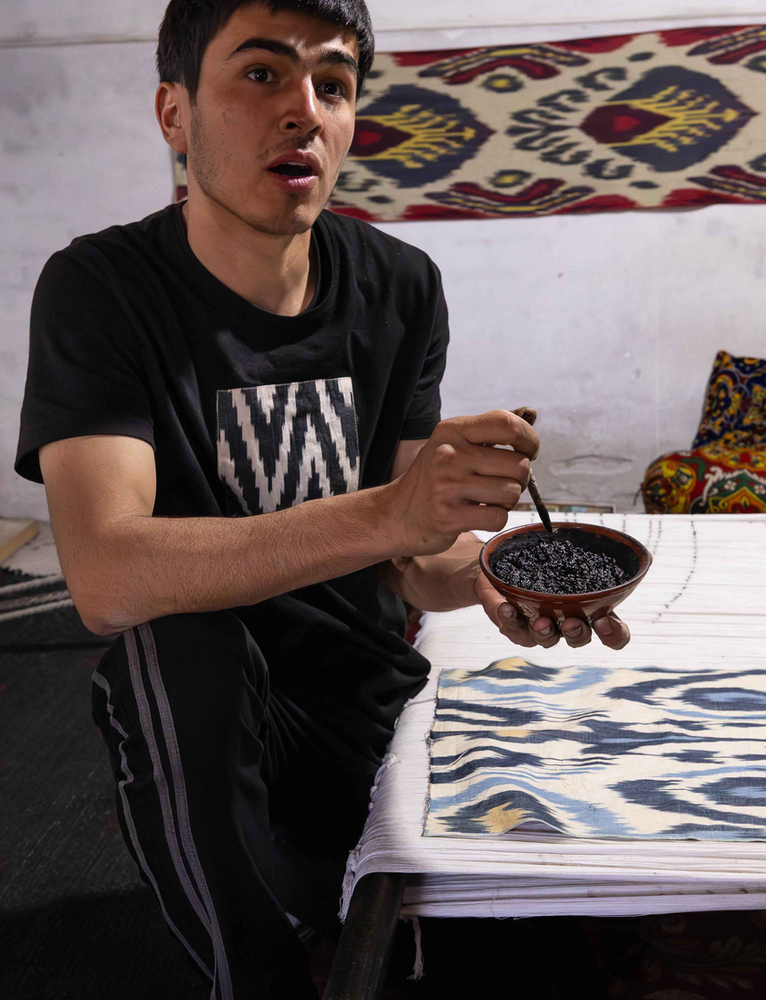
From silkworm cocoons to handwoven silk fabric—know how traditional ikat textiles are made in Margilan, Uzbekistan, using centuries-old dyeing and weaving techniques. Silk originated in China, from where sericulture and weaving spread west along the Silk Road. Fergana Valley, in Uzbekistan, a major region on the Silk Road, developed its own distinctive textile tradition, and by the 10th century,…
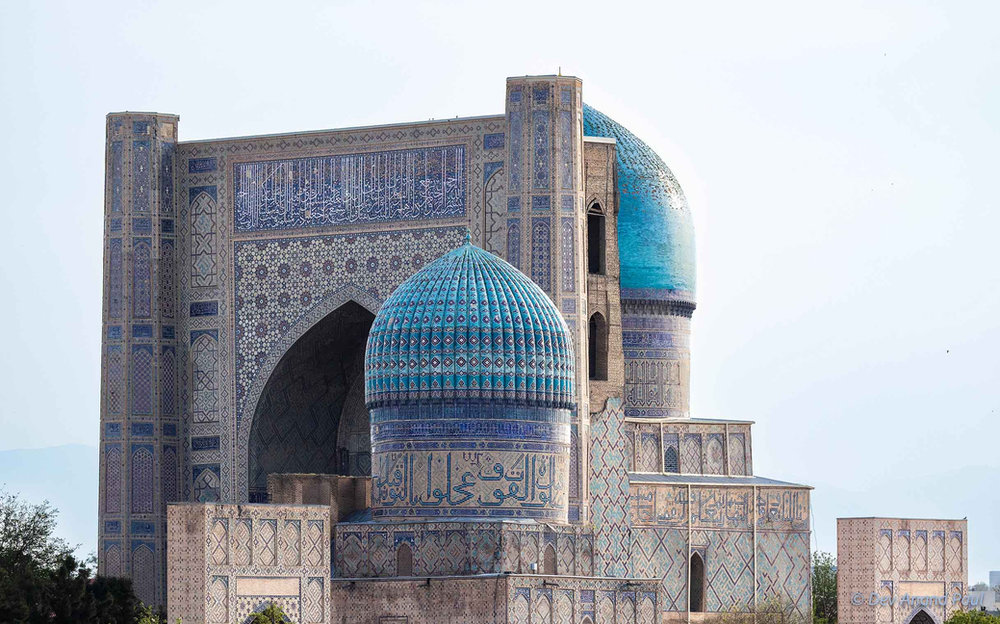
Step inside Bibi-Khanym Mosque in Samarkand and learn how Timur created one of Islamic world’s largest mosques despite immense engineering challenges. Bibi-Khanym Mosque, Samarkand, Uzbekistan If Registan Ensemble reflects Samarkand’s scholarship and artistic refinement, Bibi-Khanym Mosque reveals Timur’s imperial ambition, having been built on the wealth and power of military conquest. The…
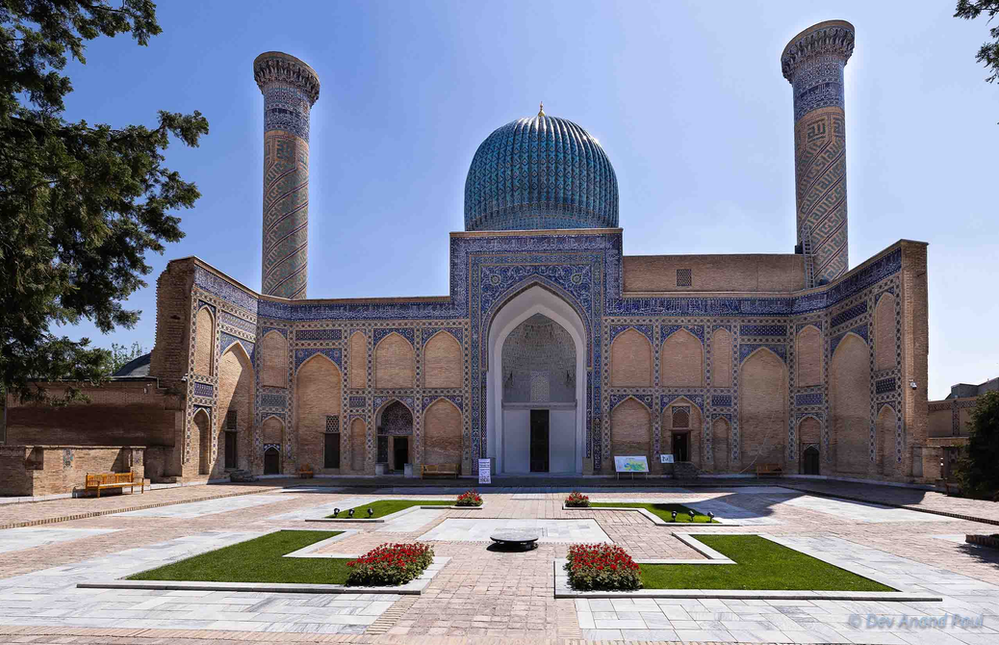
Visit Gur-e-Amir Mausoleum in Samarkand; know why Amir Timur was buried here and the history behind the Timurid dynasty, and appreciate the architecture of one of Uzbekistan’s greatest monuments. Gur-e-Amir (mausoleum of the 14th-century Turko-Mongol conqueror Amir Timur) After exploring Samarkand’s mosques, madrassas, and public squares, I visited Gur-e-Amir, the mausoleum of the 14th-century…
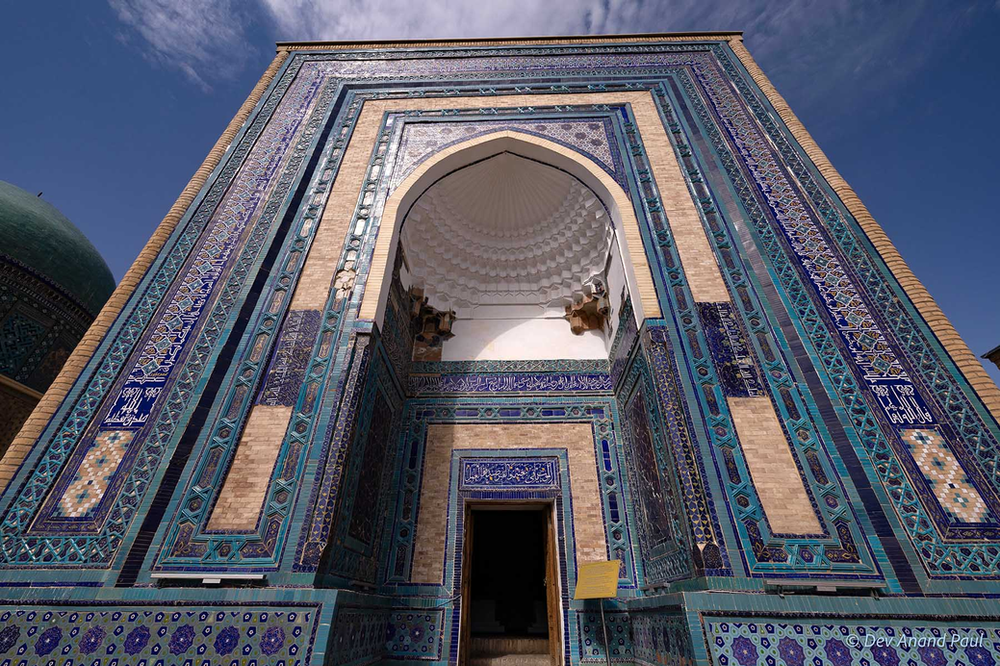
Throughout my travels in Uzbekistan, I noticed meticulously maintained cemeteries. Families visit their loved ones’ graves and tend them, read the Quran, and introduce younger generations to those who came before them. The practice of remembering the dead was most evident at Shah-i-Zinda, Samarkand’s necropolis, where local families still pray in the centuries-old mausoleums. (Necropolis, in…
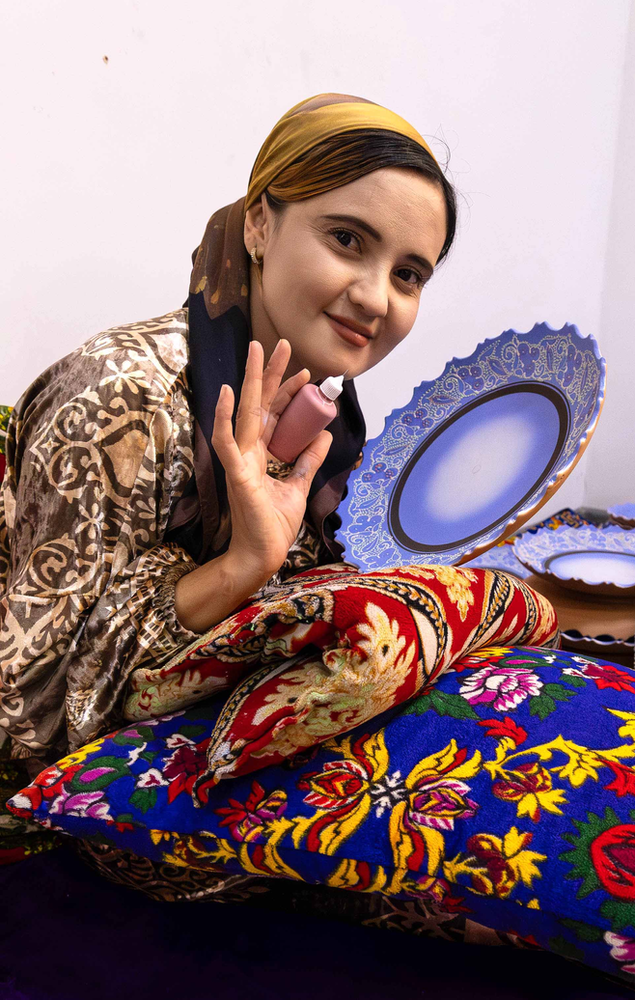
Discover Rishton, Uzbekistan’s best-known pottery town, where more than 2000-year-old pottery-making, especially blue-glazed ceramics made with traditional ishkor glaze, continues to shape everyday life. After weeks exploring Uzbekistan’s Silk Road cities—Samarkand, Bukhara, and Khiva—we travelled east into the Fergana Valley, in particular the town Rishton, where people have been making pottery…
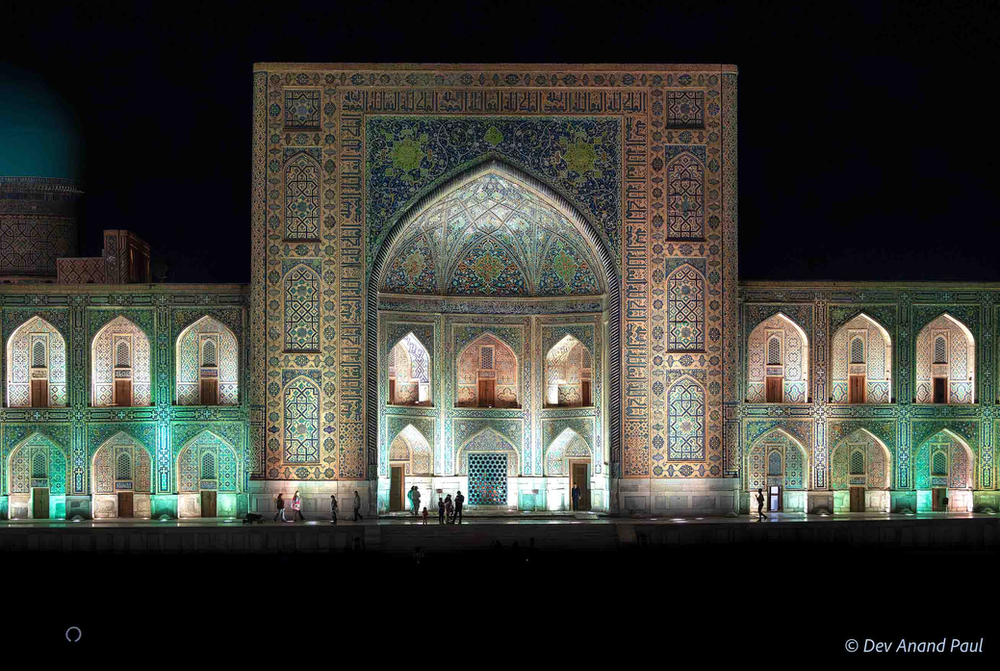
Registan Square, an ensemble of three monumental madrasas, reveals the evolution of Islamic architecture, Timurid patronage, and the architectural history that shaped Samarkand over two centuries. Registan Square at night: Lights and shadows emphasize the depth and symmetry of the entrance portal Certain monuments become familiar long before we see them in person—Registan is one such. I had seen…
Birding in Dosdewa, Karimganj, Assam, combines forest trails, streamside bird hides, visits to the Hathikhira Tea Estate, and chance encounters of Siberian blue robin, white-tailed robin, Asian stubtail, Van Hasselt's sunbird, and Cachar bulbul. Van Hasselt's sunbird (photo credit: Dr. Santhosh Mahalik) Dosdewa forest, located in the southern corner of Assam near the borders of Bangladesh,…
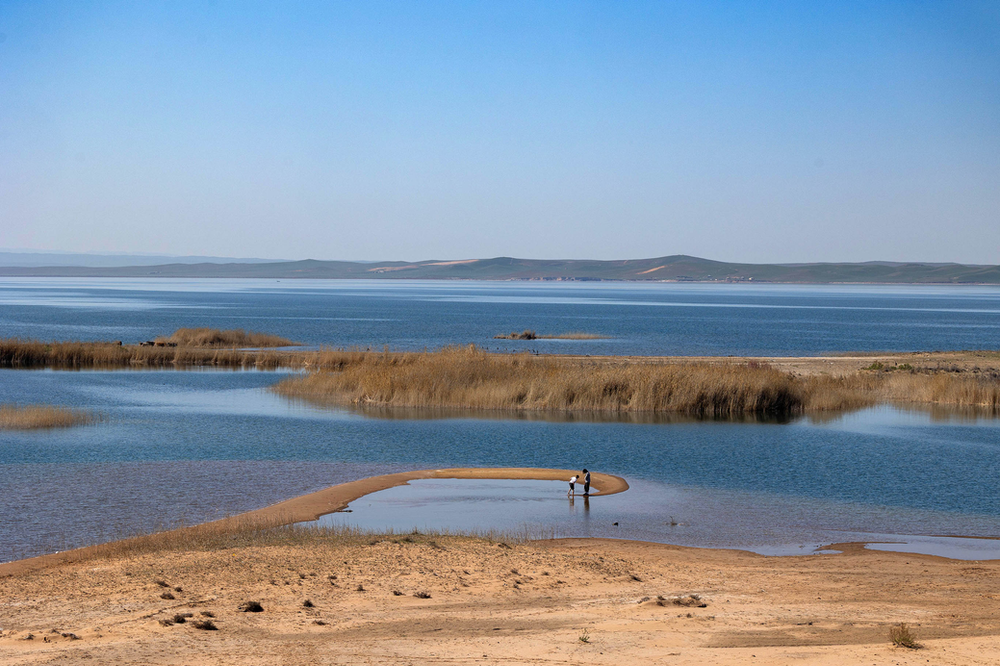
Located in the Kyzylkum Desert between the cities of Bukhara and Samarkand, Aydarkul Lake is one of the largest lakes in Uzbekistan. Unlike natural lakes, Aydarkul was created by Soviet-era water diversion projects linked to the Syr Darya River, the same schemes responsible for the environmental changes that contributed to the Aral Sea shrinking. Curving sandbar forming shallow pools at Aydarkul…
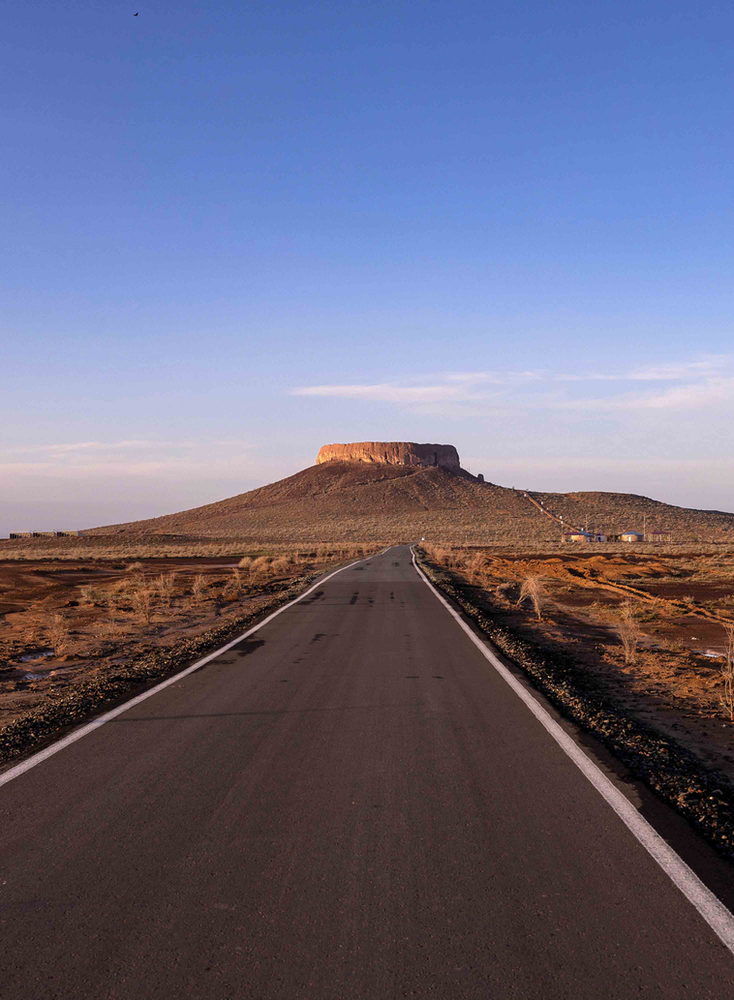
Chilpik Dakhma, in Uzbekistan, is one of the most unusual places to visit in Uzbekistan. Located between the cities Nukus and Khiva, this ancient tower of silence stands on an isolated hilltop overlooking desert plains. Its circular mud-brick structure was built for burials following the Zoroastrian principle that earth, fire, and water should remain unpolluted. Visiting Chilpik Dakhma gave me an…