
Catch up quick: Last month, Mayor Lee kicked off her re-election with a report card titled “365 Days of Action and Results.” It spans homelessness, illegal dumping, fire safety, small business, and more. Today we dive into a topic Oaklanders consistently rank as their top concern: public safety.
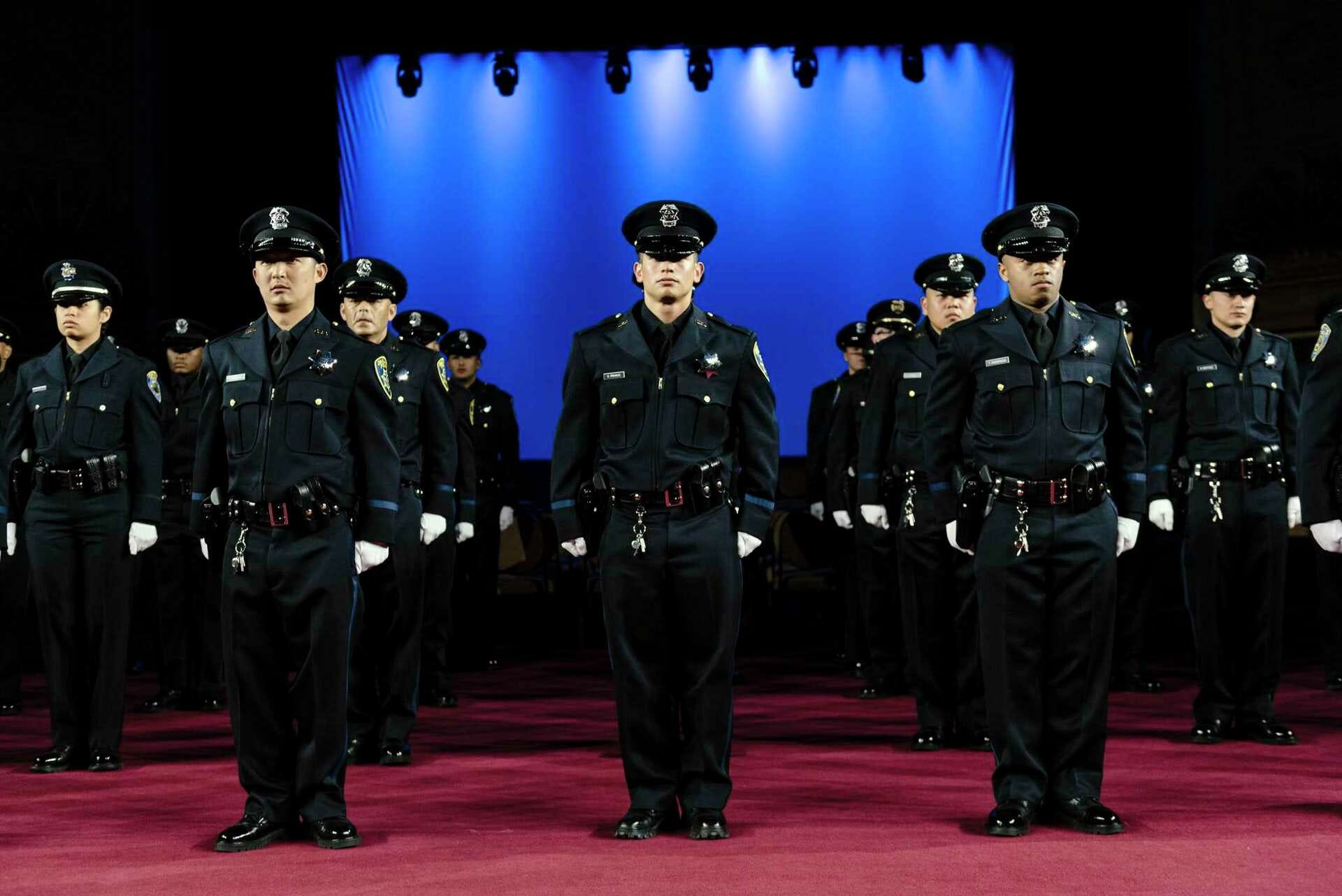
What she’s running on: As part of Mayor Lee’s “Making Oakland Safer” message, the report card leads with the numbers you’d expect.
Homicides fell 39% in 2025 to a 58-year low, the fewest since 1967.
Violent crime overall was down 22%, which Lee credits to Operation Ceasefire.
The state Attorney General called Oakland a national model for community gun violence reduction.
In context: These declines are real, and fewer Oakland families lost someone last year than in the years prior.
Every item on her list is an outcome, not a thing the mayor’s office built or controls, and the drop wasn’t all Oakland’s doing.
Crime fell nearly everywhere in 2025. A study of 35 major cities found homicides down 21% YoY, with San Francisco reaching its lowest count since 1954 and Los Angeles its lowest since 1966.
Operation Ceasefire, the strategy Lee credits, was reinstated under Sheng Thao before Lee took office.
When the same decline shows up in cities running opposite policies, no single mayor can claim the result.
What’s missing: Oakland pays more for police per resident than any big city in California, and gets the fewest cops for it. Police staffing is noticeably absent from Mayor Lee’s report card, despite it being one of the few things she controls. The more honest report card would show:
877: the city’s own commissioned study says Oakland needs this many officers
850: long-term target Mayor Lee campaigned on last year
700: what voters funded in 2024, a staffing level legally required through Measure NN
678: what the city budget currently supports
618: positions currently filled
546: available officers, after leave and light duty
Why staffing is the real report card: Crime numbers tell you what already happened, whereas staffing tells you what happens next.
At 546 officers, Oakland can barely answer 911 calls and investigate crimes. Everything else gets cut, like community policing, traffic enforcement, and officers assigned to certain neighborhoods. That’s the work that prevents crime and builds trust, and it’s always first to go.
Not even the experts can fully explain why crime has fallen nationwide since Covid, so nobody can say when it stops. Staffing is what determines whether Oakland can hold the line when the trend reverses.
Last year is the proof. Staffing hit a historic low and crime fell anyway, which means the drop wasn’t something Oakland built. We may have gotten lucky on timing, but luck isn’t a plan.
A police force short 300+ officers is exposed the moment the trend reverses, and it takes years to rebuild even when things are going well.
Zoom in: The staffing picture is getting worse, not better.
Oakland loses about six officers a month — roughly 45 over the past year — and its academies aren’t replacing them fast enough. The last two classes graduated just 14 and 17 officers, and the current class has already shrunk from 40 recruits to 34 before finishing.
So the hole gets deeper every month, and no one has explained why so many recruits wash out before they reach the street.
The strangest part: OPD couldn’t even spend all the Measure NN money voters approved for police, because the money is tied to hiring and the city can’t hire fast enough to use it. Funds meant to grow the department instead sit unspent or backfill the gap.
Even so, the city council keeps declaring “extreme fiscal necessity,” which suspends Measure NN’s staffing requirement while the city keeps collecting the tax attached to it.
Zoom out: The stats don’t match how the city actually feels.
Violent crime is down, but Oakland’s property crime rate is still among the highest in the country, almost none of it gets solved, and 911 response is improving but still below the national standard, answering roughly 70% of calls in time.
People still plan errands around which blocks feel safe and treat one break-in as proof nothing has changed.
Oaklanders have said loud and clear that public safety is the number one concern for residents, in every district and every demographic, no matter what the homicide count does.
Credit where it’s due: Staffing is hard, and no one rebuilds a force in a year.
Last week, Lee named James Beere, a 29-year OPD veteran, as permanent chief, ending months of vacancy. He’s expected to lead OPD out of 22 years of federal oversight, likely this September.
Since Beere took over as interim chief, about 14 officers who’d left for other departments have returned.
The appointment shows the city can move on an input it controls when it treats that input as a priority.
What’s next: With crime down, Mayor Lee and city council have room to address the chronic staffing issue. As we head into the November election, that’s the public safety metric they should be held accountable to.
Keep the officers we already have. The cheapest officer is the one who doesn’t quit. A retention bonus a few years back dropped attrition sharply before the budget killed it, but pay is only half of it: sergeants spend up to 80% of their time on paperwork and patrol officers get stuck with mandatory overtime. Officers leave for cities like Alameda that pay more and burn them out less.
Stop hiring behind the problem. Oakland loses about six officers a month and takes six months to replace one, so it’s always chasing holes that already exist. San Jose hires above its target on purpose, so a replacement is ready the day someone leaves.
Figure out why recruits drop out. Recent academies started with 40 and graduated as few as 14, wasting both time and money on every recruit that drops out. Before Oakland spends more on recruiting, it should learn why so many of the people it already recruits never make it to the street.
Comments
Nothing yet. Say the first thing.
Sign in to join the conversation.