
The Self-Preservation instinct is always taking stock. Of the temperature in a room, the quality of what’s in the refrigerator, whether a fabric has any real weight to it, whether a film’s visual world communicates warmth and material sufficiency, or leaves you feeling aesthetically cold and unmoored. This isn’t anxiety, although it can become that at the extremes; it’s a perceptual orientation, a way of being in a body that notices the material conditions of life with a specificity that other instinctual types simply don’t share. Self-Preservation types are always, beneath whatever else is happening, quietly assessing whether they are sufficiently provisioned, sufficiently safe, sufficiently at home in the world they inhabit, and what I wanted to understand, and eventually designed a study to test, is whether that same attentional orientation also governs what they find beautiful across the full range of visual experience.
Before reading further, spend a moment with the collage below. Look at it the way you’d look at a world you’ve just stepped into, before you’ve decided what you think.
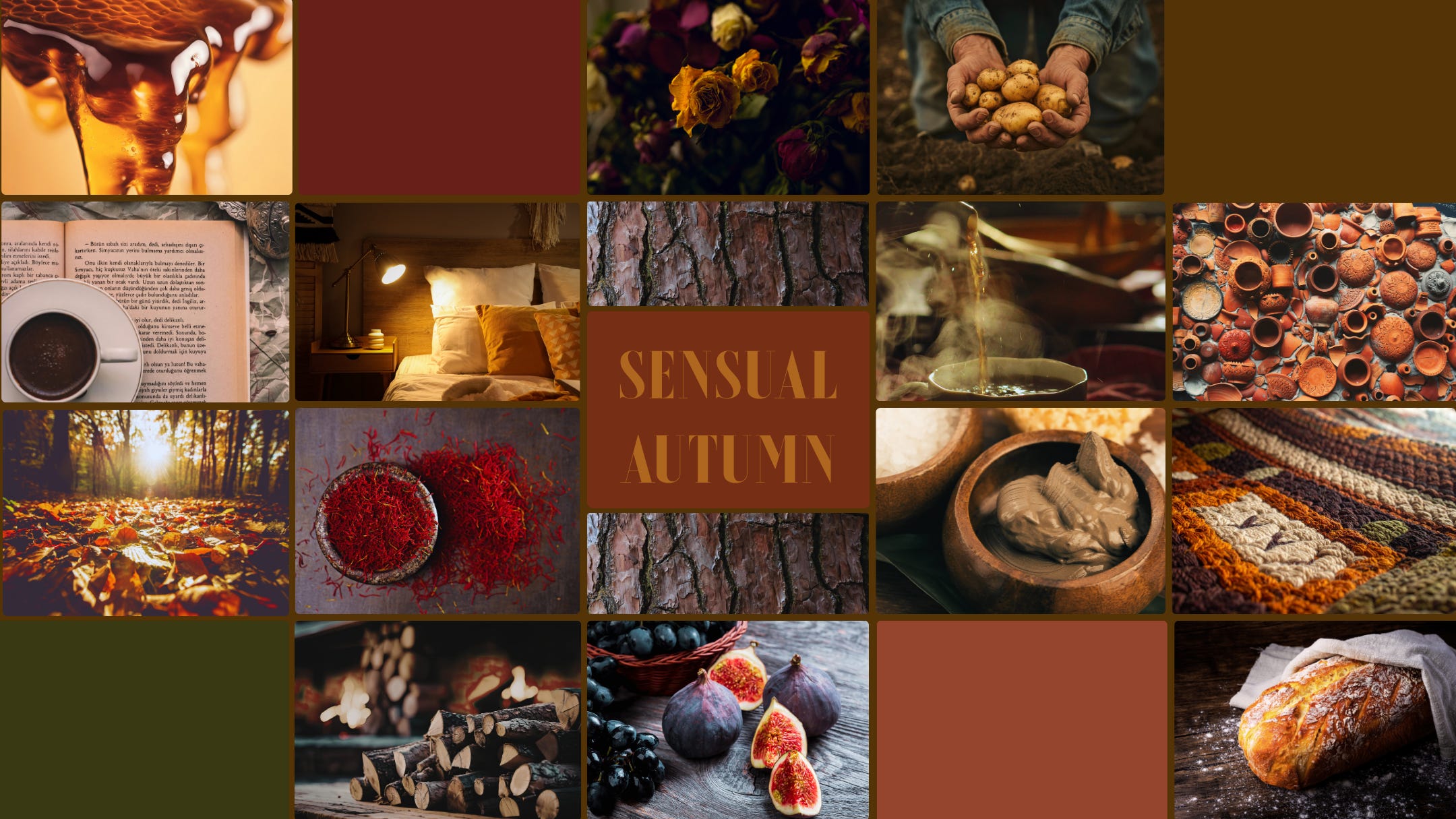
Does it feel like coming home, or does it feel like someone else’s house?
What the Research Found
The study came out of a simple question I had been sitting with for years: is the relationship between instinctual drive and aesthetic preference actually consistent, or was I pattern-matching across a relatively small pool of people I’d worked with closely? To test it properly, I designed an IRB-approved study at the University of Oklahoma using the same collage-based visual instrument I’d been developing and refining since 2021, presenting participants with an instinct assessment and a separate aesthetic preference measure without connecting the two for them, so that neither instrument could prime responses to the other.
What came back was decisive. Across the full sample, more than three-quarters of participants chose the aesthetic world that matched their dominant instinctual drive, without being told what they were supposed to choose, and without any framing that pointed them in any particular direction. The Self-Preservation finding was the one that still gives me pause when I look at it; essentially, every Self-Preservation dominant participant chose the Sensual current, forty-eight out of forty-nine. That level of consistency, in a psychologically complex construct measured through images rather than verbal self-report, is not something you expect. It suggests that these people were not discovering a preference in the moment of the study. They were recognizing something they had always known.
The Sexual instinct showed similarly strong concordance with the Magnetic current, and when Sexual-dominant participants chose something other than Magnetic, they moved almost entirely toward the Sensual rather than the Social, which maps onto what we already understand about the Sexual instinct’s relationship to physical depth and intensity. The Social instinct distributed more broadly across all three aesthetics, and rather than treating that as an inconclusive finding, I’ve come to think it’s the most theoretically interesting result of the three; the Social drive is context-adaptive by nature, oriented toward what the group values rather than toward a fixed personal visual signature, so the fact that it doesn’t cluster as tightly around a single aesthetic profile is itself a precise reflection of how that drive actually operates.
The Sensual Autumn Profile
The collage above contains honey dripping from a spoon, dried roses in amber and burgundy, hands lifting potatoes from dark soil, bark texture, clay pottery being shaped on a wheel, woven ochre and rust textiles, saffron in a wooden dish, stacked firewood, figs split to show their garnet interiors, dark grapes, a loaf of bread with a cracked crust, and a lamp-lit bedroom with layered warm-toned bedding. These are not random images assembled for visual appeal. Each one is a precise expression of what the Self-Preservation instinct finds inhabitable; natural materials over synthetic ones, evidence of making and preserving, warmth in both palette and physical weight, the aesthetics of a life that is well-stocked and seriously tended.
The Self-Preservation instinct’s visual signature, across all four of its seasonal expressions, runs toward the tactile and the grounded. It is drawn to things that communicate physical quality, materials that have weight and substance, visual worlds that feel inhabitable rather than merely viewable. Where the Sexual instinct is pulled toward charged intensity and the Social instinct toward collective warmth and relational atmosphere, the Self-Preservation instinct is always asking whether the visual world in front of it has enough material reality to actually live inside. This is why Self-Preservation types tend to register synthetic materials, cold palettes, and the overly spare or architectural as subtly wrong, even when such things are technically accomplished; the instinct isn’t finding what it’s looking for.
The seasonal layer is what adds specificity to that general orientation, and Autumn gives the Sensual register its most literally nourishing expression. Autumn is the harvest season philosophically and visually; the moment in the annual cycle when things are being gathered and preserved before winter’s dormancy, when the palette deepens toward amber, terracotta, rust, deep olive, and clay. When the Self-Preservation instinct crosses with the Autumn palette, what emerges is a visual world organized around fullness and preparation, the specific satisfaction of a life that is ready. This is the seasonal current of Jean-Baptiste-Siméon Chardin’s copper pots and irregular loaves of bread, William Morris’s densely patterned botanicals produced through deliberately labor-intensive processes, and Dries Van Noten’s layering of velvet against raw silk against hand-embroidered cotton. It is the visual world of the film Chocolat, with its worn molds and candlelit shop interior, and of the domestic sequences of Howards End. What these works share is not a single style but a shared instinctual argument that the beauty worth seeking is inseparable from the quality of materials, the evidence of making, and the sense that what you’re looking at was built to be inhabited rather than observed, and that this argument is most fully expressed when it carries autumn’s particular emotional temperature of abundance before dormancy.
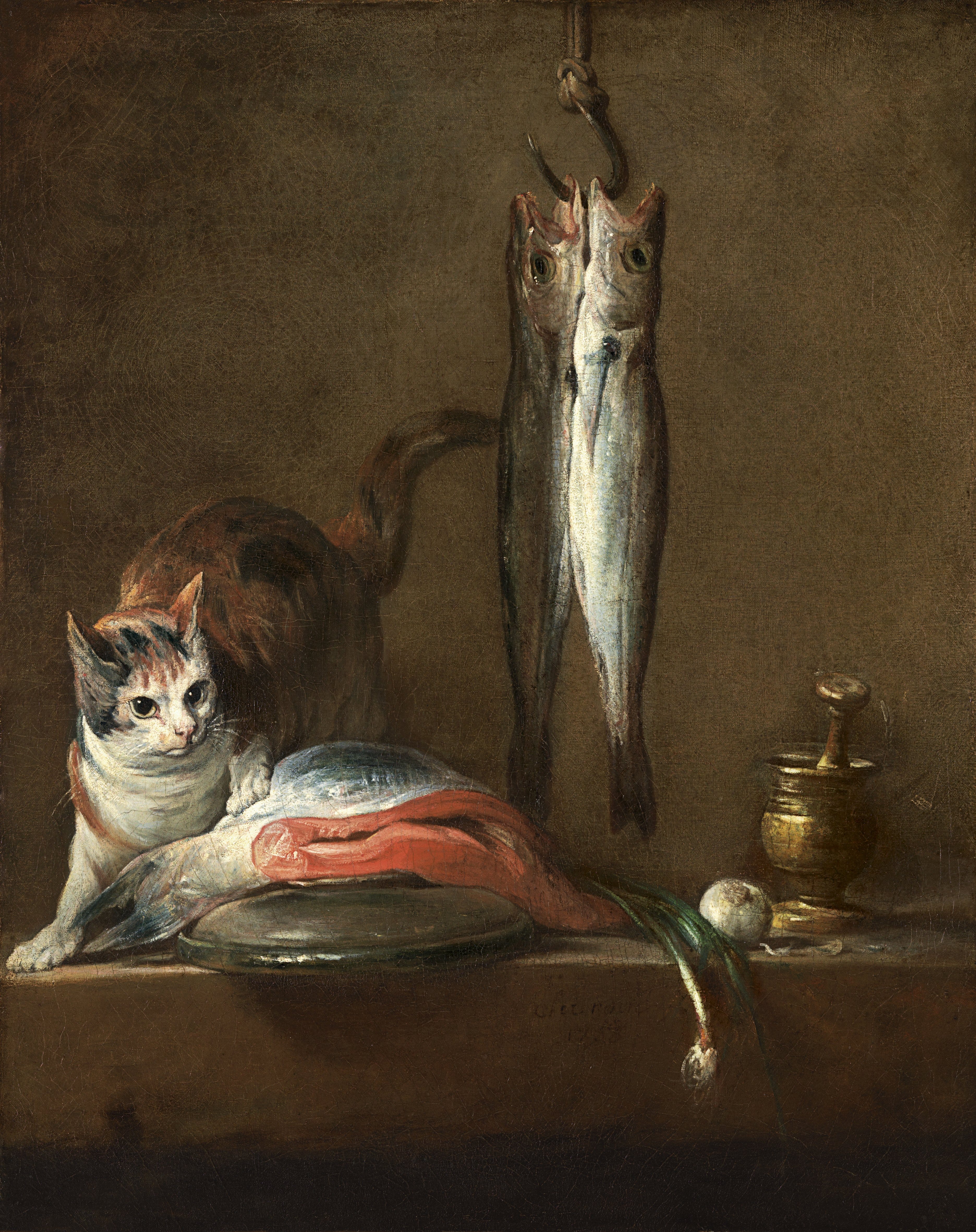
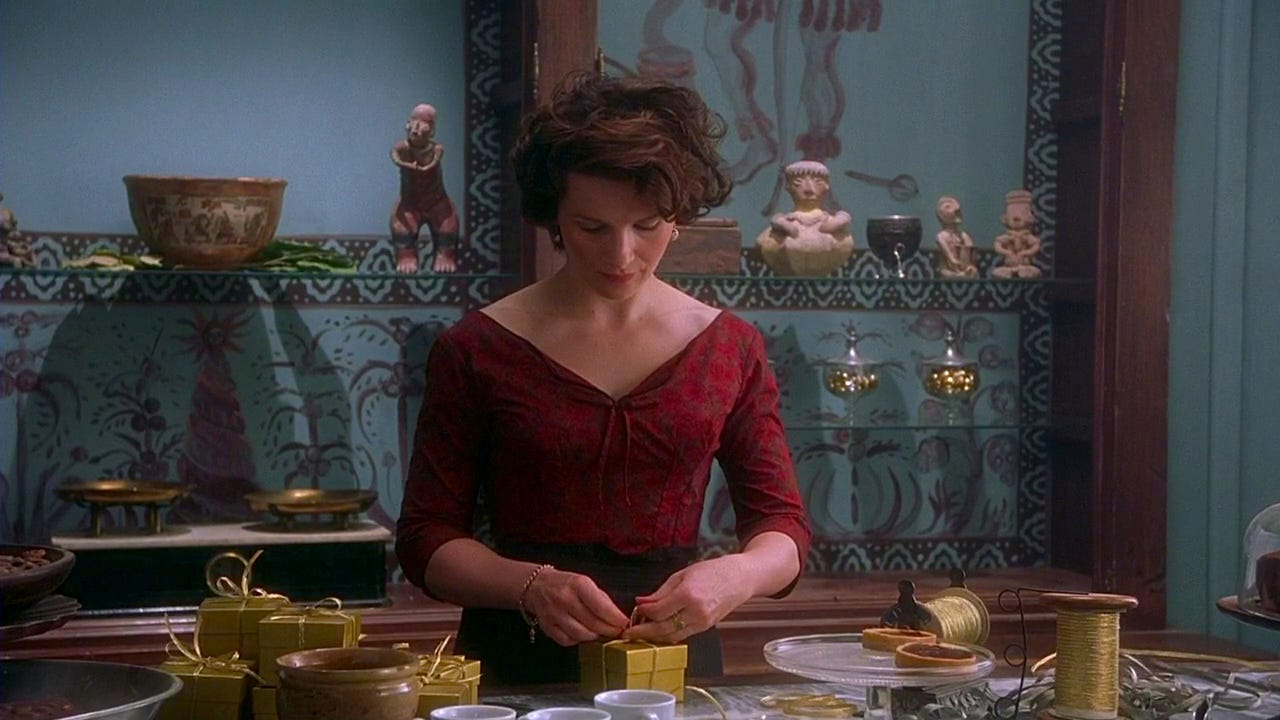
This distinguishes the Sensual Autumn profile meaningfully from its neighboring expressions within the Sensual register. The Sensual Summer profile is cooler and more diffuse, oriented toward sensory atmosphere and elevated restraint; the spa rather than the harvest kitchen, the carefully edited linen wardrobe rather than the Dries Van Noten archive piece. The Sensual Winter profile is starker, materially rich but with considerably more contrast and less organic warmth. The Self-Preservation type who lives in the Autumn expression tends to be drawn to visual worlds that feel earned and inhabited rather than designed and presented. What runs through every image in the collage is the same implicit question that has always been at the center of this instinct’s relationship to the world: what would it mean to take seriously the beauty of the things that sustain us, and to understand that sustenance itself is one of the oldest and most dignified of human aesthetic acts?
What This Means Practically
For those who recognized themselves in the collage, that recognition is real information. When you feel genuinely at home in a film’s visual world, in a fashion aesthetic, in an artist’s particular way of rendering material life, your instinct is registering coherence between its own orientation and what it’s encountering. When you feel friction with something that is visually accomplished but somehow cold or thin, that friction is equally real, and it has nothing to do with whether the work is objectively skilled.
This extends into how you build your own visual life; the environments you choose to work in, the materials you find yourself drawn toward or quietly repelled by, the gap between the visual world you instinctively reach toward and whatever you’ve actually constructed so far. For coaches, therapists, and practitioners reading this, understanding that the Self-Preservation client’s aesthetic responses are instinctually organized rather than merely preferential gives you a new layer of attunement to their experience and, for those whose practice has a visual dimension, a more precise language for why certain environments and visual choices feel restorative to them, and others don’t.
For Social and Sexual readers, if the collage reads as beautiful but not particularly charged for you, or if it feels like too much warmth and groundedness, that response is equally useful. The Social instinct produces a different relationship to visual worlds altogether, oriented toward the collective and the atmospheric rather than the material and the personal. The Sexual instinct pulls toward something charged and high-contrast, depth-seeking in a way that tends away from nourishing warmth and toward the kind of beauty that makes demands on you before it gives anything back. Each instinct has its own visual signature with the same internal coherence as this one, and learning to read your own changes how you understand a dimension of your perceptual life that most people move through entirely without examining.
Where This Goes
The Sensual Autumn profile is one of twelve in The Instinct Aesthetic™ framework, each sitting at the intersection of one of the three instinctual drives and one of the four seasonal palettes. On Tuesday, June 17th, from noon to 2:00 pm Central, Aaron and I are teaching the full system publicly, working through all three instinctual currents, all four seasonal personalities, and a guided self-identification process so that you leave knowing which profile is native to you.
$149. Recording available for thirty days after the live session.
Read the full course curriculum
Comments
Nothing yet. Say the first thing.
Sign in to join the conversation.