
Events are winning because of one thing: biology. How we experience the world is a combination of memories and emotions, and events create both.
The brands investing into experiential marketing and in-person events understand that IRL connection delivers something a media buy cannot replicate. When you give someone a physical experience, you are not just getting in front of them, you are able to occupy space. You can’t scroll past a living moment.
Our brain disproportionately retains memories formed during emotionally charged, out-of-ordinary experiences, and when we get home and return to our routines, those memories do not just sit in the past. They surface. We talk about them, we text the people we met, we scroll back through the photos, and for a moment we are back in the feeling of being there.
Why does this matter? The emotional memory of a live experience outlasts any digital impression by months, sometimes years.
There is ALOT of science behind this. Dopamine is released during novel and socially stimulating experiences, and it directly signals the hippocampus to encode what is happening as a long-term memory. The way something becomes a “core memory” is because dopamine told your brain those moments were worth keeping. Embodied cognition tells us that our bodies process experience alongside our brains, and when you are physically present, your entire nervous system is engaged, not just your attention.
The same mechanism activates inside experiences, and the brands gaining market share do so by inserting themselves into the lives of their customer through curation, proximity, or utility. The best brands do all three.
I am in Cannes writing this, and I am watching it happening in real time.
Curation is the intentional design of an experience that makes someone feel like the room was built for them. The details, the environment, the programming, and the flow all work together to create a feeling of belonging that gets encoded alongside everything else. When a brand curates well, they are not just hosting an event. They are engineering a memory. Brands like HarbourView, Airops, Croud, Substack, and Microsoft created spaces that felt intimate and unique. They brought the right people together into an exclusive room that each felt specific and aligned with the brand curating it. The relationships built as a result, become a positive affiliation with the brand, even when you aren’t conscious it’s happening.
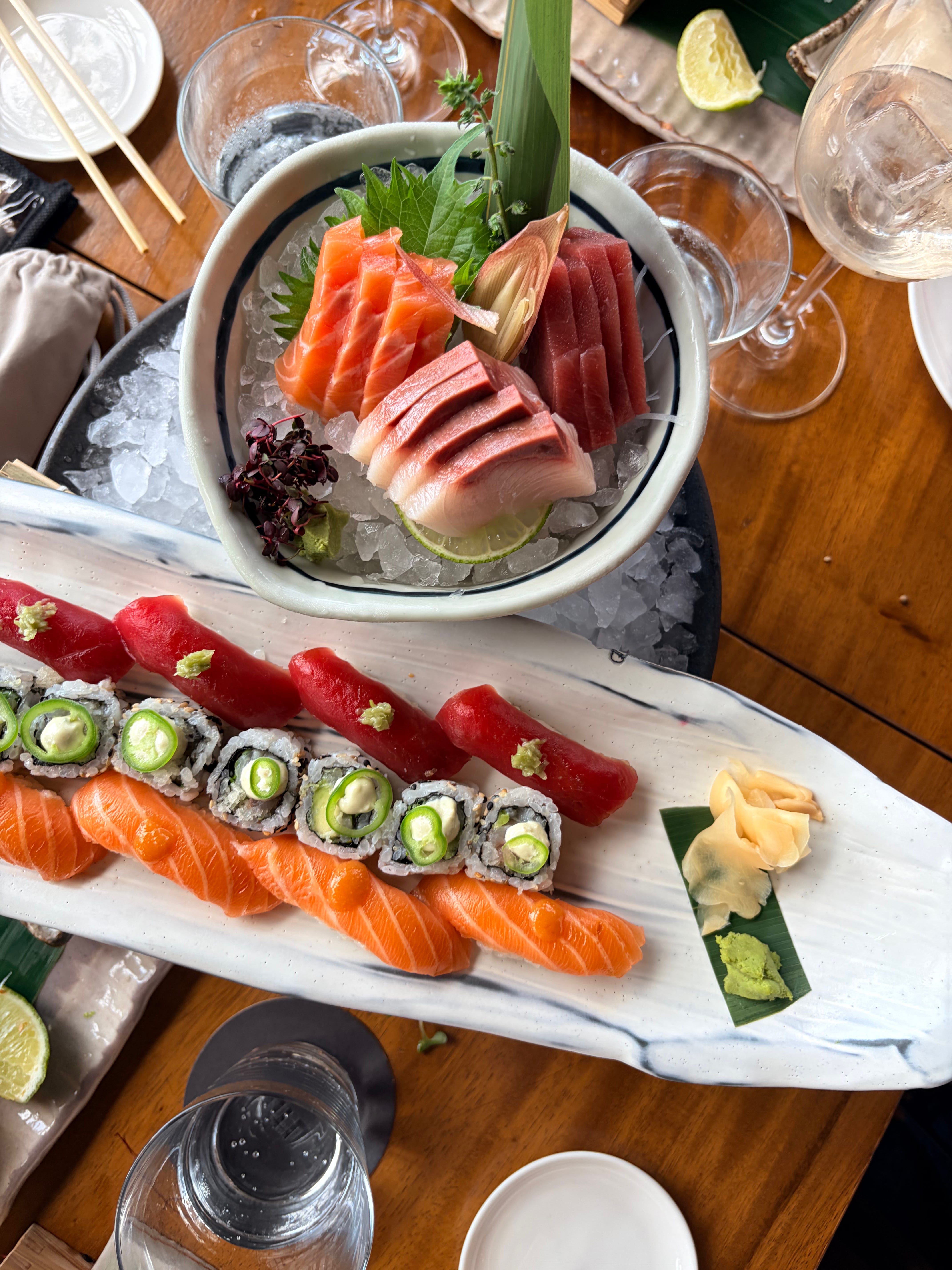
Proximity is about being in the right room at the right time, whether you built it or not. The fastest way to earn trust with a new audience is to be present in a space or affiliated with something/someone they already trust. (That’s why word of mouth remains the most powerful acquisition strategy.) Co-hosting, co-branding, and showing up inside someone else’s ecosystem are all proximity plays. At Cannes, brands are constantly collaborating beyond just splitting costs. They work to transfer trust in person in a way a tag or a mention online cannot.
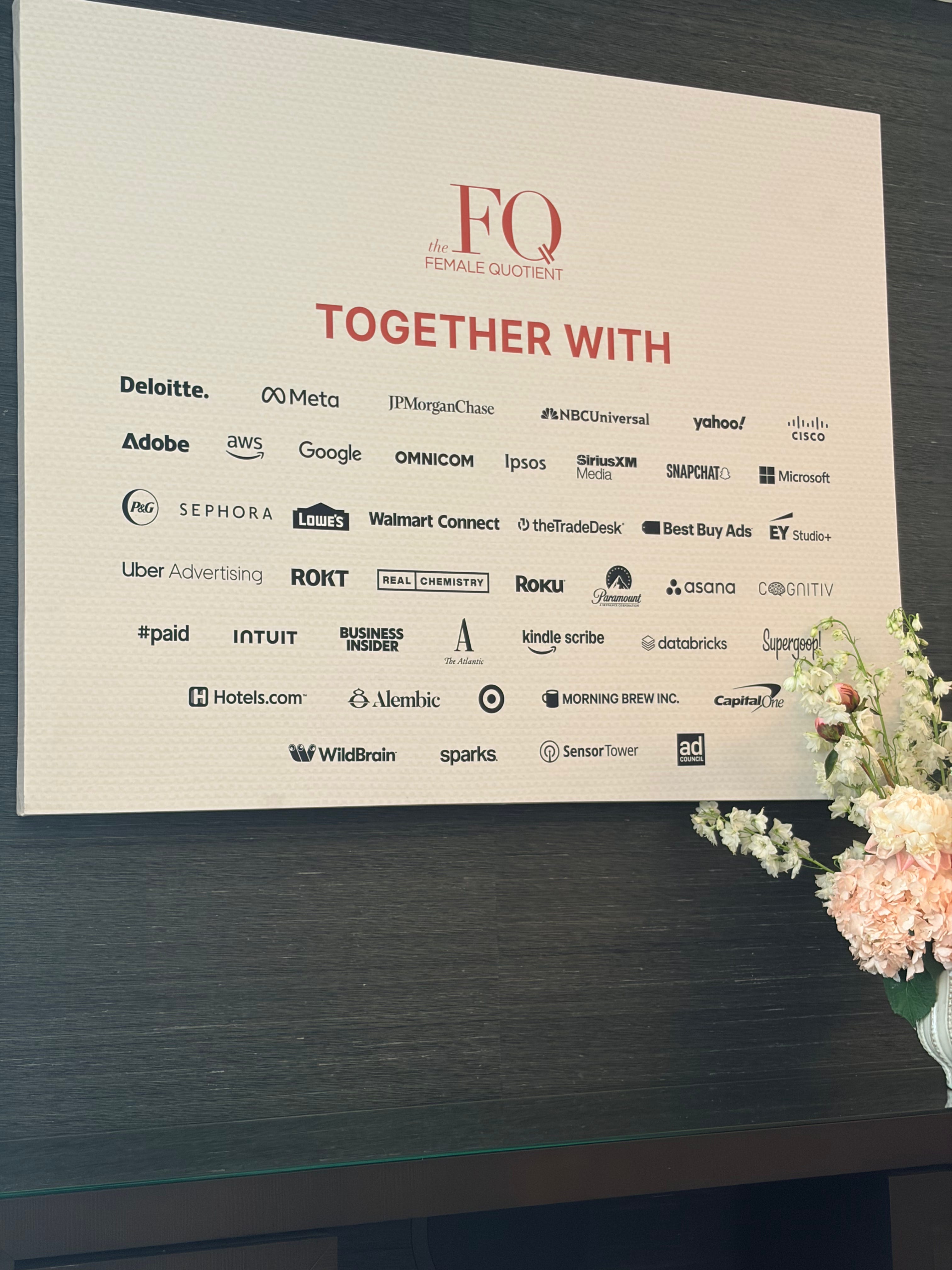
Female Quotient has been one of the most strategic presences at Cannes for exactly this reason. If you want to reach executive women, they are the doorway. Their programming, including CMO happy hours, panels, and activations inside their space, pulls the exact audience that other brands spend enormous budgets trying to find. Co-hosting with them or showing up inside their ecosystem is not a shortcut. It is a strategic decision about whose audience already trusts them and how that trust transfers to you when you are in the room together. Proximity to the right brand is its own form of endorsement, and at an event like this, that endorsement is encoded into memory alongside everything else.
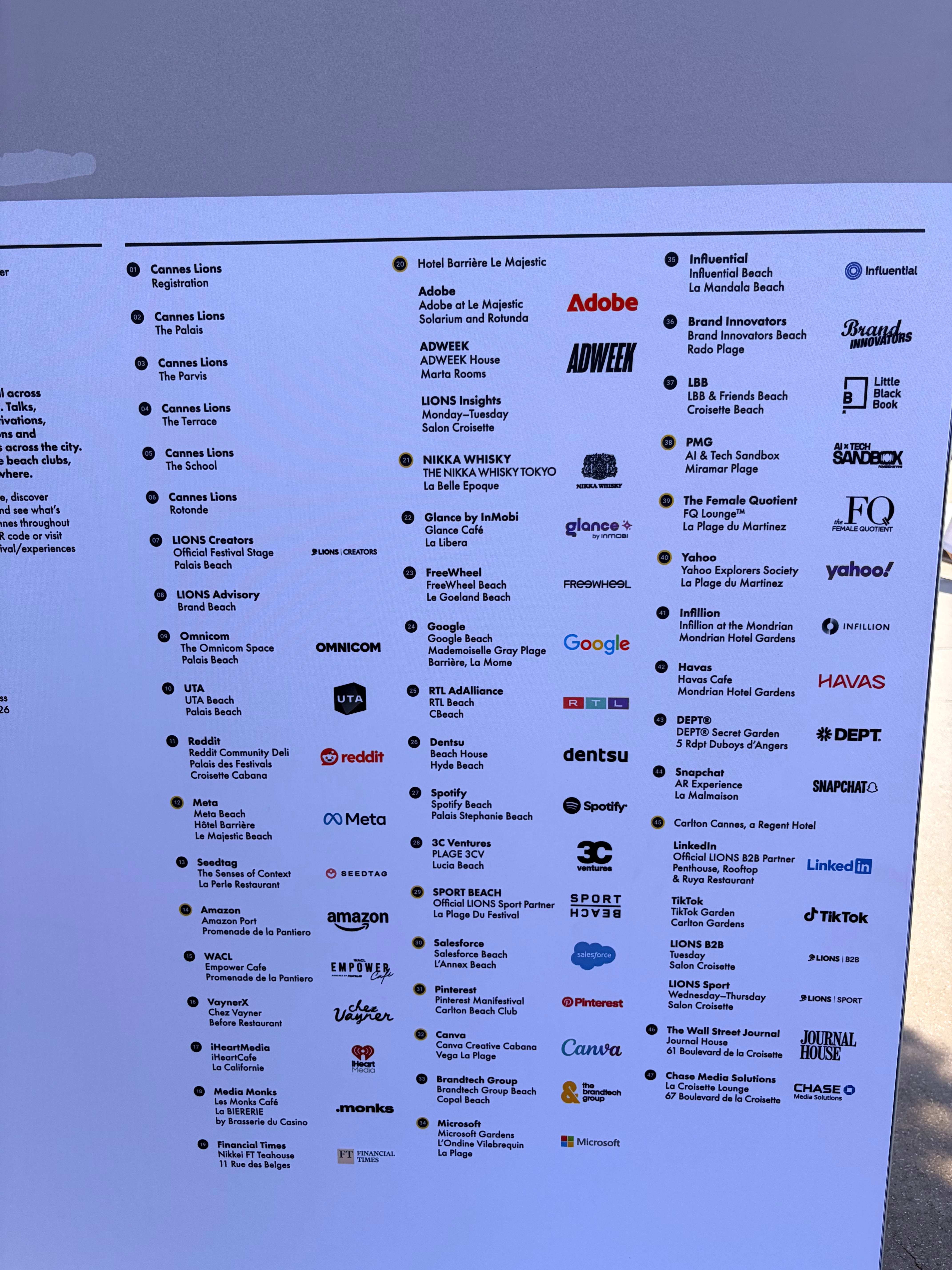
The brands doing this well understand the difference between being present and being useful. Canva was passing out sunscreen to people waiting in line to enter the Creative Cabana. Sports Beach had actual food. Air Ops hosted a yacht on the first day, which meant people left with a group of friends they could spend the rest of the week with. Walmart had a market stand with fans, pimple patches, and fresh fruit. None of those activations were loud, and all of them were woven into the emotion of the moment. That is what buying affinity looks like when it is done right. You make yourself relevant to what people actually need, and in doing so, you become part of the memory. I used that Walmart fan DAILY!
I created experiential strategies and pitches for all my clients, because every entrepreneur needs to be thinking about this, not just the brands with seven-figure event budgets. Brands that choose to stay digital only are not saving money. They are losing the acceleration that in-person connection produces. A customer journey that takes several months to move through online collapses in a single conversation at the right event. Brand awareness, recall, and demand creation all operate differently when a human being is physically in the room with your brand. Digital keeps you visible, but live makes you felt.
The old model measured event ROI by how many leads you scanned at a booth. (Foolery and doesn’t actually indicate the real amount of MQLs or SQLs). The new model is broader and more honest about how buying decisions actually get made. People leave an experience and post about it, they mention the brands that showed up for them, they text their network about the conversation they had at the luncheon, and they book meetings with people they met on a yacht on day one.
The metrics that matter are share of voice during the event window, inbound connection requests and follows in the days immediately after, meetings booked within 30 days, and mentions from attendees who experienced something worth talking about. Every one of those outcomes is traceable, and every one of them was triggered by a memory. Emotion is not a soft metric. It is the mechanism behind every purchase decision a human has ever made, and the brands that understand this are not just winning at events. They are compressing the entire customer journey in ways that digital alone will never replicate.
I want to explore how this will shift as agentic commerce continues to grow and evolve, but we have more years to reap the benefits of the IRL experiences. See you at Cannes in 2027?
Comments
Nothing yet. Say the first thing.
Sign in to join the conversation.