
Between East 79th and 80th Street in Central Park there’s a sculpture called Group of Bears. We slipped notes to our dead mother, the boys’ dead father, under the crack at the base of the sculpture. In Greek myth, bears symbolize divine protection. There, on a sunny spring morning in the park, we could commune with the dead.
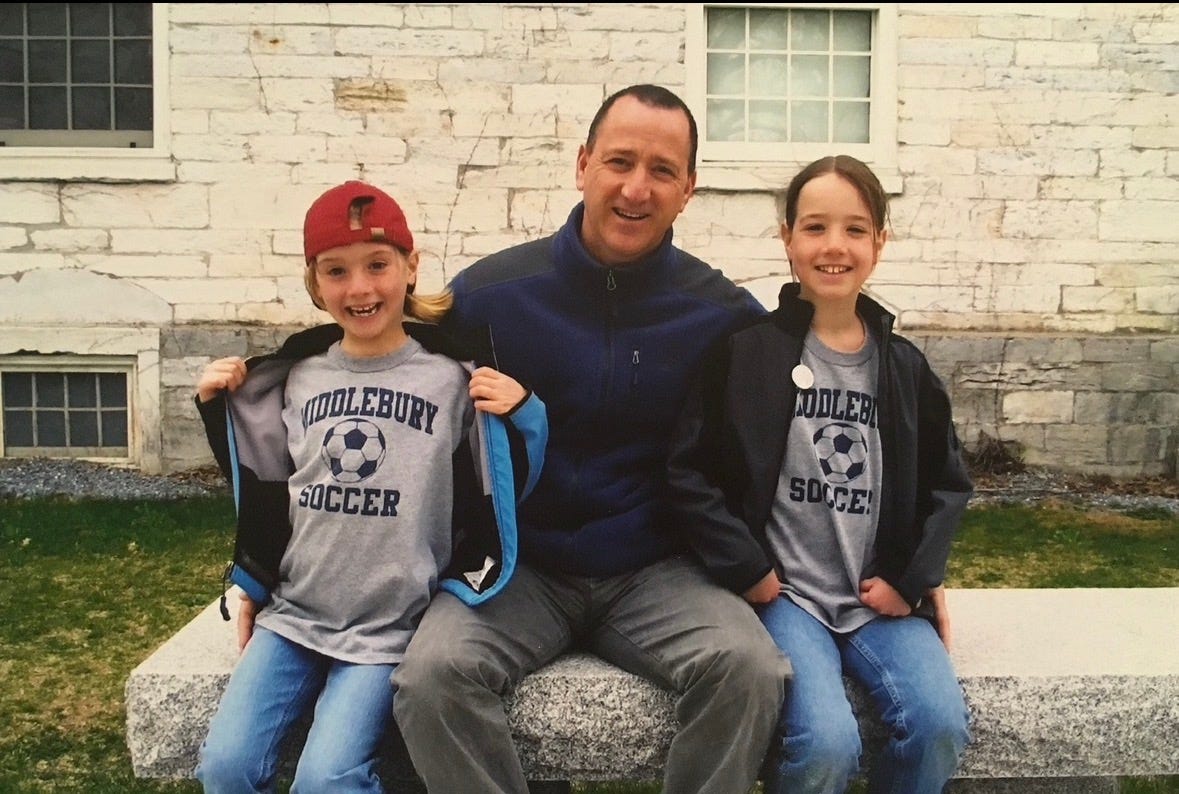
My dad’s girlfriend at the time was a poet. Both she and my father were in grief – we all were. She’d lost her husband to cancer just a few years’ prior, he, his wife – my mother. There were six of us then. Mira and her two boys… me, my dad, and my sister. They had us watch The Brady Bunch on repeat, hoping that might get us excited about our new family. About blending and starting anew.
She lived in a bucolic college town, an hour and a half outside the city. On weekends, we would drive back and forth from lower Manhattan to visit his girlfriend and what might’ve been our new family. I loved it – retreating to the suburbs – and I hated it, all at once.
They were all blonde – the boys, my sister. I was brunette. Though I was completely a normal weight, in my imagination, they were all skinny and I was not. “Mira thinks you have an eating disorder,” my dad called me into his bedroom one night to say. “Well I don’t,” I said. Though I knew all about them from books about anorexia, bulimia. I knew I did, to some extent. But what else was there to say? I was eight years old. I knew about all kinds of things I shouldn’t have from books. Starving oneself, heroin, suicide. I loved those types of books.
We met for lunch in the Village, Mira and I, twenty years later. Vichysoisse, we both ordered. Cold soup on a summer’s day, in keeping with both our diets. I loved the way the word sounded, the cool metal of the spoon on my tongue. When I told her I was sober now, she cried, pulled me in for a hug. We were both writers – she and I – neither of us had had a drink in years.
I want to say that it felt like a homecoming, seeing her all those years later. That it healed something in me, to linger over iced cappucinos and hear about those boys – who were now men – who were nearly my brothers.
How would you feel if we moved to [bucolic college town]? My dad asked me and my sister on our walk to school one day in 2004. How would you feel if I married Mira? We cried. We weren’t sure why, exactly – I wasn’t sure at least – but the wound of our dead mother felt raw.
My mom’s ashes in their green box, sealed with a gold sticker. The same ones my grandma, her mother, would use to wrap our birthday gifts. She looked just like a present then, her cremated remains all packaged nice. Ready to be buried in the sandy Cape Cod soil.
Theirs was a volatile relationship. Not the one between my parents, but the one between my dad and his new girlfriend. They were constantly breaking up and getting back together. Constantly trying to stitch together the flesh of a new family, where it had been ripped so unevenly. Wound still fresh and bleeding, pulsing arterial blood. Neither of them were surgeons. They were, in retrospect, just young people. Trying their best to move forward with four little children in tow.
My depression mirrored my dad’s, then. My first time knowing the dull ache of loss. Of heartbreak. Of knowing that something wasn’t going to work, as much as one might want it to. Mira threw me a party. It wasn’t my birthday, or any other special occasion. I had no friends in [bucolic college town], and it didn’t sit right with her that I spent all my time alone, up in the big oak tree in her front yard, trying not to eat, to the extent that an eight year old can get away with such things. She wanted friends for me. She saw me. And…she believed I hated her.
She was so young, I now realize. Of course she was insecure. Of course it hurt her that my little sister could climb on her lap and call her “mama” – too young to remember ours – and I could not.
When I meet her over soup, I cry too. She lives here now, in Manhattan. She is doing as poets do. She tells me about early lovers – before my father, before her late husband – awful men who painted, who drove her to drink. I don’t think either of us actually drank so much, ever. I don’t think either of us had the tolerance to become what they call in the program “low bottom drunks.” I want to say we were moderate. That we stopped the train before it became destructive. As I said, we were writers. We sought lucidity.
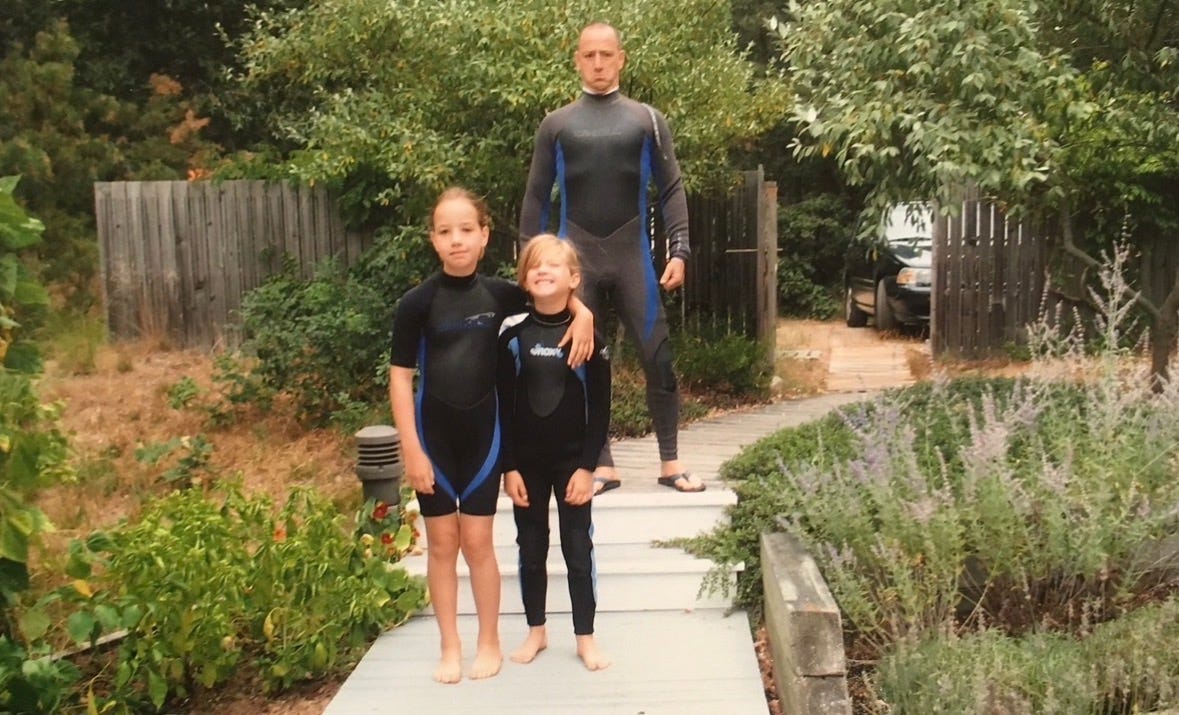
Even when it was over, it wasn’t quite. January, a couple months after the final breakup, we met up at MOMA – our once-maybe family reunited. We browsed exhibits. Realized it was never going to work.
When it was over – really over – my dad booked a two week vacation to Greece for us. Rented us a villa on the island of Crete with a swimming pool overlooking the Mediterranean. Mira had loved the classics. He thought we might go, in all our heartbreak, to a place we could talk to the gods. Home of Zeus, of Apollo, of Artemis. We cooked grilled cheeses and pesto pasta – simple meals – or ate at the taverna run by a Bulgarian couple when we felt like going out. We swam lazy laps in the pool and went into town to pet the donkey and buy fresh tomatoes, cucumbers.
There was an infestation of ants in the house – more than I’ve ever seen in my life. My dad drove us down cliffside roads in the dark where we stumbled upon an Orthodox wedding where they offered him shots of ouzo. There were no tourists in this town – certainly no Americans. We were alone under the unforgiving blare of the hot Cretian sun, just the three of us once again.
I remembered then, the bears. Wondered whether she’d gotten the note I’d left, my mother. In the myths of Artemis, bears are the symbol for young girls. Transformed into constellations, sacred companions. This trip to Crete is seared into my memory – woven into the myth of my life. That villa, the three of us alone at sea. And at the same time, I sensed we weren’t.
No posts
Comments
Nothing yet. Say the first thing.
Sign in to join the conversation.