
Canada. The land of everything good.
Touching down here always makes me feel both ecstatic and melancholy. I first lived in Canada in 1976, the year of the Montreal Olympics, because my parents couldn’t make a living in London, and being refused a mortgage was the last straw. My dad took us home, or maybe he was doing what they call a geographical, putting an ocean between himself and whatever he didn’t want to face. I’ll never know. Moving to Canada was the best thing that ever happened to us.
Each arrival stirs up a jumble of feelings, memories of my father, the 1970s, when my parents were young and gorgeous and it all felt so optimistic. Or maybe it’s my youth I’m chasing.
Canada is remarkable compared to almost everywhere else. Yes, it has a dark past, but these days it’s mostly getting it right. The Canadians all voted for Mark Carney because he stood up to Trump. They run TV ads welcoming immigrants and congratulating teachers. Everyone smiles at you. The coffee is strong, the streets are clean, and even the customs officers seem like they’d help you move house if you asked nicely.
Being here made me think of Margaret Trudeau. She came to mind while I was musing about what to write next, and I got excited. Plus-one gold, so cool, so utterly a ’70s icon.
When she married Pierre in 1971 he had already been Canada’s Prime Minister for three years. She was 22 and he was 51, nearly three decades between them. To be fair, he was sexy, in that older French-guy way. And in the 1970s, we didn’t really know what older French guys were actually like. Or maybe we did, and chose to ignore it.
Marg is a plus-one inspiration. She changed the game. She flipped it. Sometimes I wonder if Trudeau was actually her plus one. Flirting with Castro, partying with Mick Jagger, this woman wasn’t playing.
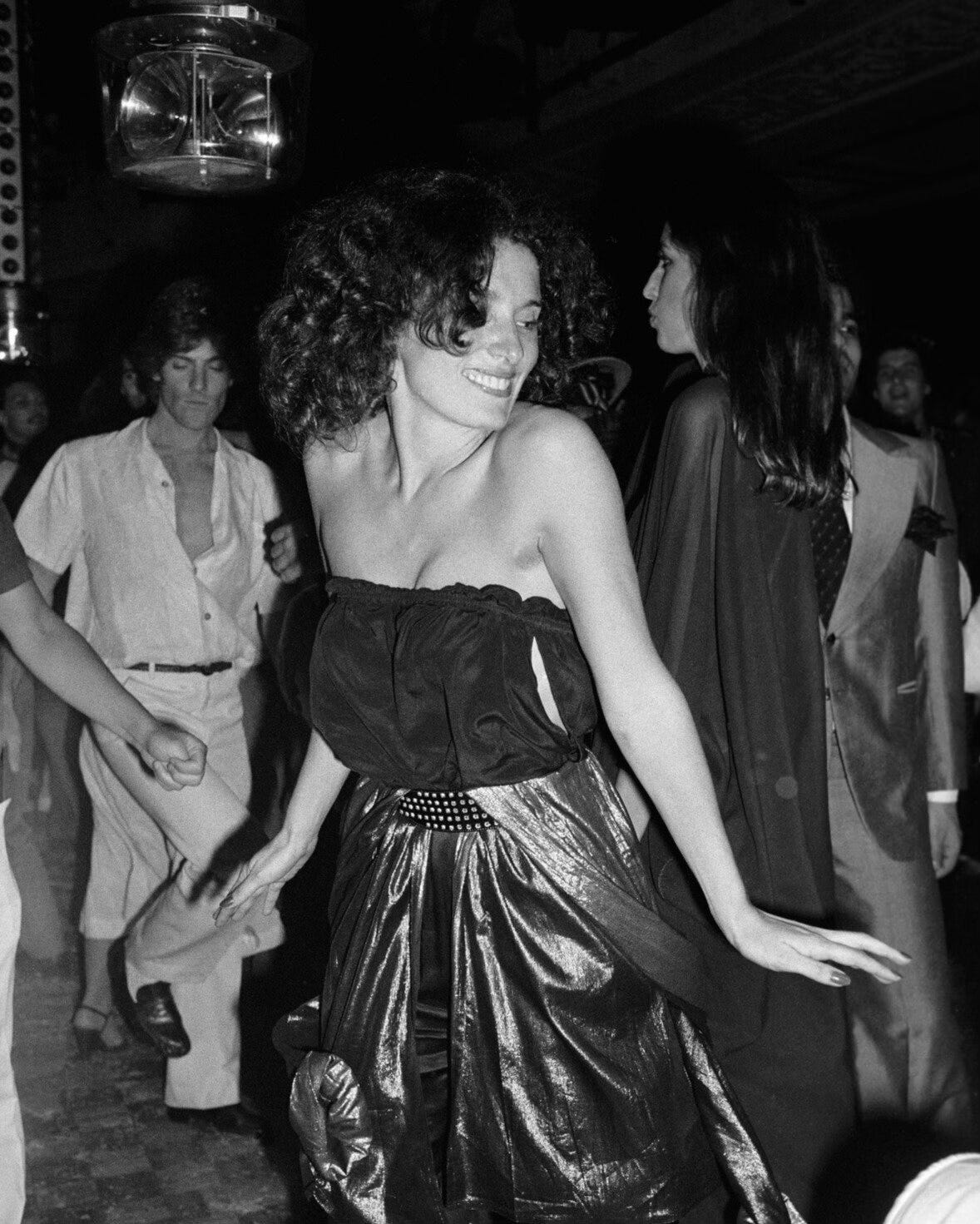
A flower child in Chanel. She danced at Studio 54, charmed world leaders, and made the cover of People. Decades later, she spoke openly about her bipolar diagnosis and the toll it took on her life, rare honesty for a former political spouse, and rarer still for a woman whose glamour was once her armour.
Her plus-one era didn’t last. By 1977, she and Pierre were separated; the marriage officially ended in 1984. The press treated it like a scandal, but she seemed lighter, even defiant. She wrote books, spoke her mind, raised her children on her own terms.
Divorce was everywhere in the 1970s. Everyone’s parents split, except mine. Ironic, considering my dad was gay. I never wanted to get married. Ironic again, given that I’ve now been married for several decades. Maybe it was because I knew my dad was gay before he married my mum. But in the 1960s it was illegal to be gay. It was terrifying. By the time the law changed, they already had two children.
In that context, marriage wasn’t romance; it was camouflage. A survival strategy. A trapdoor in polite society that could force good people into lies that scarred everyone, themselves, their partners, their children.
And yet my dad loved my mum. He was adamant he never regretted his marriage. I think my mother’s feelings were more complicated, but what I do know is she adored him.
When I think of Margaret Trudeau, I think of my dad, not because they were alike, but because he loved smart, glamorous women, the kind who could walk into a room and tilt it just by being there. He liked them sharp, funny, sexy, political. Ideally, they smoked. I never felt I quite measured up, though I know he was proud of me.
So maybe I’ll try to channel a little more Marg, not just the glamour, but the flirt, the party, the tilt of the room. If you see me, I’ll be the one looking for a pop star and a revolution.
No posts
Comments
Nothing yet. Say the first thing.
Sign in to join the conversation.