
When it comes to the state of the news in the United States, there is a lot to bemoan. Media confidence hit record lows again in 2023. The year previous, the US had the third-highest rate of news avoidance of the 46 countries surveyed in the Reuters Institute Digital News Report.
Mis- and dis-information abound, as well as debate over how the government should handle the problem. Younger generations (including myself) are obsessed with TikTok, despite protestations from Congress. And the rise of AI-generated content is making us doubt whether we can trust anything we see online at all.
But for all the weeping and gnashing of teeth, there is surprisingly little done to help consumers navigate an increasingly polarized, complex, and content-laden environment.
A few states now incorporate media literacy into school curricula, but resources for adults are sparse. Many people don’t know the basics: the difference between hard news and an op-ed (and where to look to see whether the article you’re reading is one or the other), why checking handles on social media is crucial for avoiding untrustworthy sources, or how to evaluate an article’s sourcing or research.
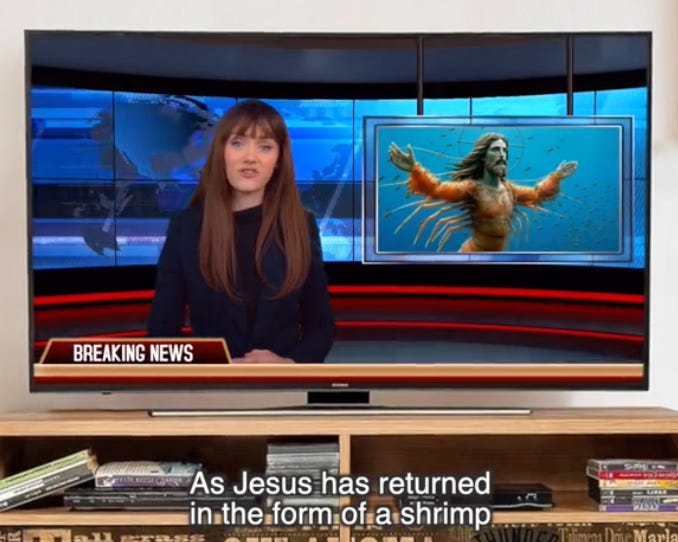
As for more complicated matters, forget it. Do most Americans feel educated on how to spot deepfakes? We’d like to think we know better than to believe in the son of God resurrecting as a prawn, but many of us were fooled by “Pope puffer-gate” not too long ago. What about identifying comment bots, what “lying with statistics” looks like, or how scrutinize a survey or poll for quality?
Large swathes of the American public feel overwhelmed and poorly served by modern media. A lot of that has to do with factors outside of our control—the media itself, the algorithms of tech giants, and bad actors and influencers posing as journalists. But we can at least address the factors within our control.
That’s what I hope to do here: give people the knowledge of journalism that journalists have, introduce the best concepts from media literacy experts, and equip people with a news engagement strategy that doesn’t advise to simply “take a break” as a coping mechanism. I don’t have a long-term plan for this Substack other than to be a gathering place and a feedback machine for a book I’m working on about these topics. (👋 to any publishers out there.)
Subscriptions are free. If you subscribe, you’ll receive intermittent posts with media literacy tips, analyses of the modern media landscape, historical deep dives on American journalism, and more. The first posts I’m planning will be a multi-part series on the basics, from how to quickly assess a social media account for authenticity to how to tell if an article includes original reporting or not, and why it matters.
I’m so excited to get started on this, and to have you here along with me! Here’s to becoming savvier media consumers, together.
Comments
Nothing yet. Say the first thing.
Sign in to join the conversation.