
By the time you open your phone in the morning, your body has already been awake for a while.
Every morning, I open Substack on my phone. It is filled with positive affirmations and guidelines for discipline. How to build habits, stay healthy, excel in your career, and make money on Substack. The list goes on.
These are great when you are looking for guidance outside yourself. But first and foremost, your own foundation needs to be in place. Your physical and mental state has to be aligned before you can really be influenced by others.
Sometimes you get sick. If you are a woman, you ovulate, which completely shifts your rhythm. Knowing how to listen to your own body and condition is the first step, before listening to anyone else.
Most heart attacks happen in the morning, between 6 and noon. Cortisol surges, blood pressure climbs, and blood clots more easily right after waking. A sudden burst of exercise, cold air, a heavy meal, or having a fight with your spouse in the morning can tip the balance further.
None of this is accidental. Atherosclerosis builds quietly over decades. What triggers the actual attack is usually a small vulnerable plaque rupturing inside a coronary artery, not always the biggest one. A clot forms. The artery seals. The heart muscle downstream starts to die.
Birds do not wake up instantly. About 30 to 60 minutes before getting up, the body starts warming back up. Core temperature drops overnight to conserve energy, and the gradual warming is what physically pulls them out of deep sleep. The same way humans wake more easily when warm.

Right after waking, birds do not go looking for food straight away. Instead, they sit completely still, feathers slightly puffed. This is thermoregulation, trapping warm air close to the body, but also a moment of alertness before committing to movement. They are scanning for predators before exposing themselves.
The part I find most interesting is that some birds, especially songbirds, open one eye at a time. One hemisphere of the brain stays in a light sleep state while the other monitors the environment.
Before any physical movement, they also let out a soft call. Testing their voice, signaling presence to nearby birds.
Once fully alert, the search for food begins. They take the time waking up gradually, and it’s not an instant switch.
We are not so different. The body does not go from zero to ready. It eases in, warms up, scans the environment. But most of us wake up to an alarm. That single sound cuts straight through the body’s natural transition, pulling us out before the process is done. The rhythm breaks before the day even starts. And as we saw with heart attacks, that abrupt shift in the morning, when cortisol is already surging and blood pressure is climbing, is not just uncomfortable. It can be dangerous.
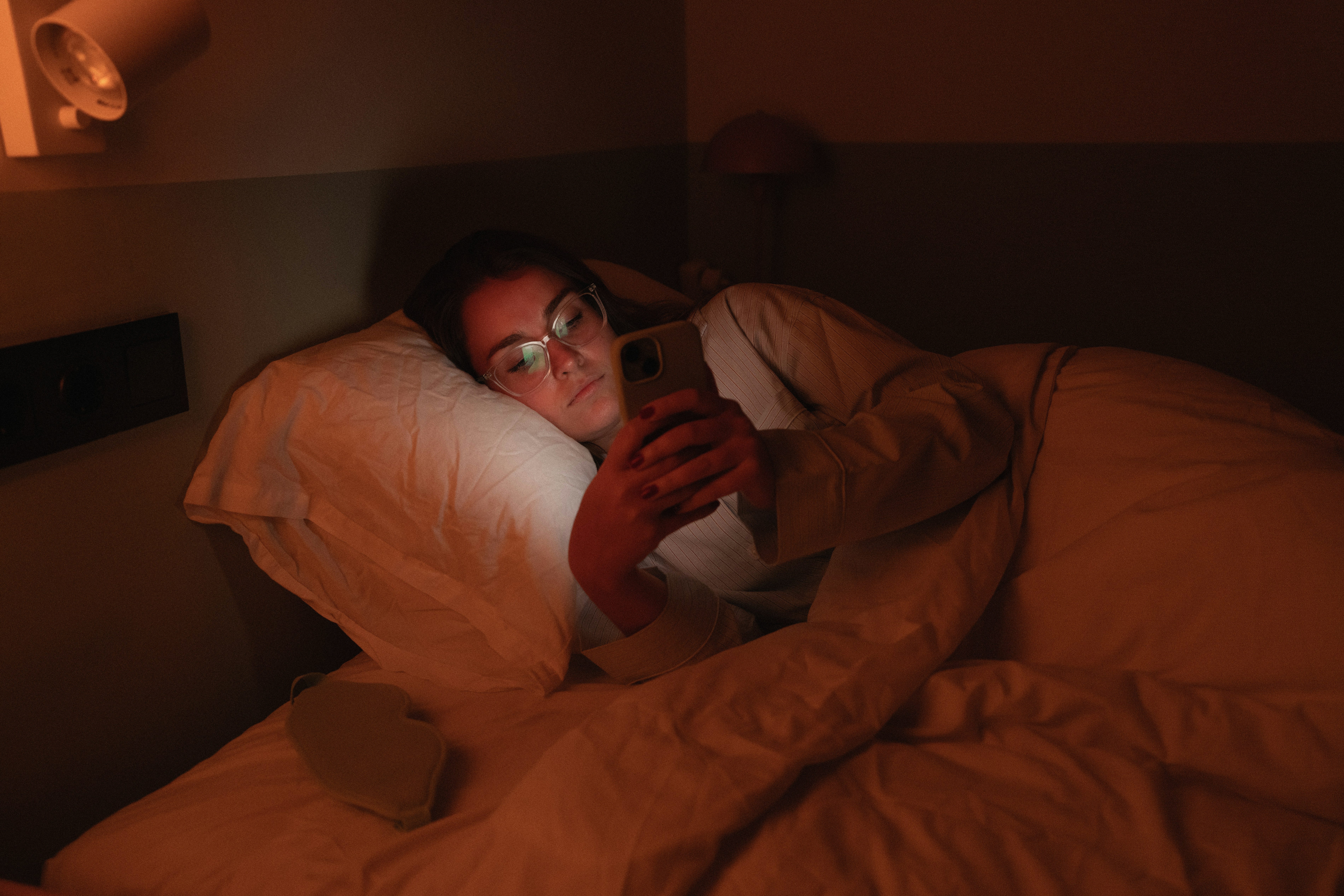
The problem is we then skip straight to the phone, the news, the notifications, before the body has even finished what it was already doing on its own.
The morning routine everyone talks about is not something you build from the outside in. It starts with giving the body the time it is already asking for.
I am curious how your transition from sleep to awake looks. Would love to hear your routines in the comments.
No posts
Comments
Nothing yet. Say the first thing.
Sign in to join the conversation.