
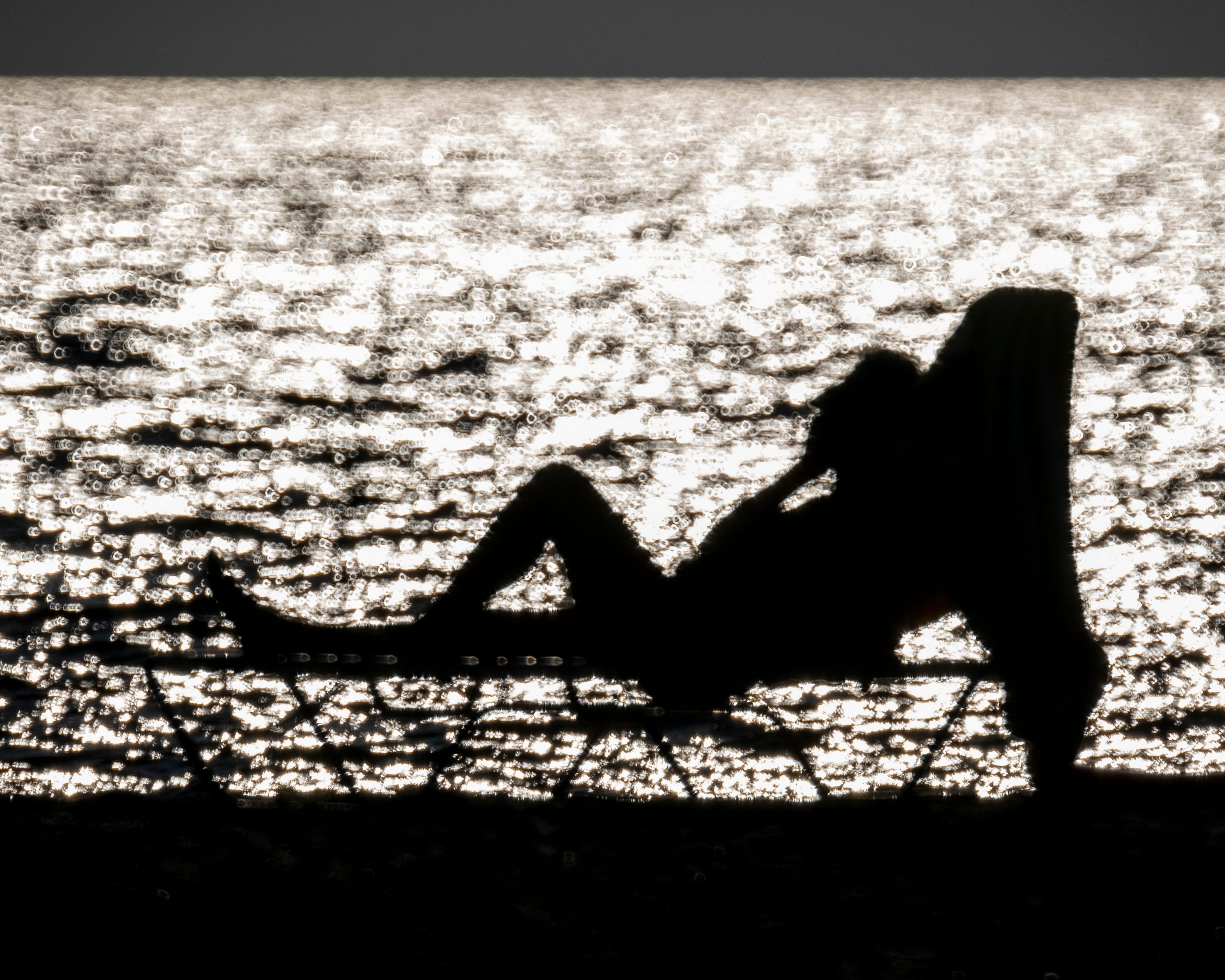
One thing I enjoy about searching for optical phenomena in everyday life is that when I go to a new place, there are things to look for that are particular to that place. If I’m at the beach, I enjoy watching the shape of the sun’s sparkling reflection as it changes throughout the day. This happens every sunny day in a predictable pattern.
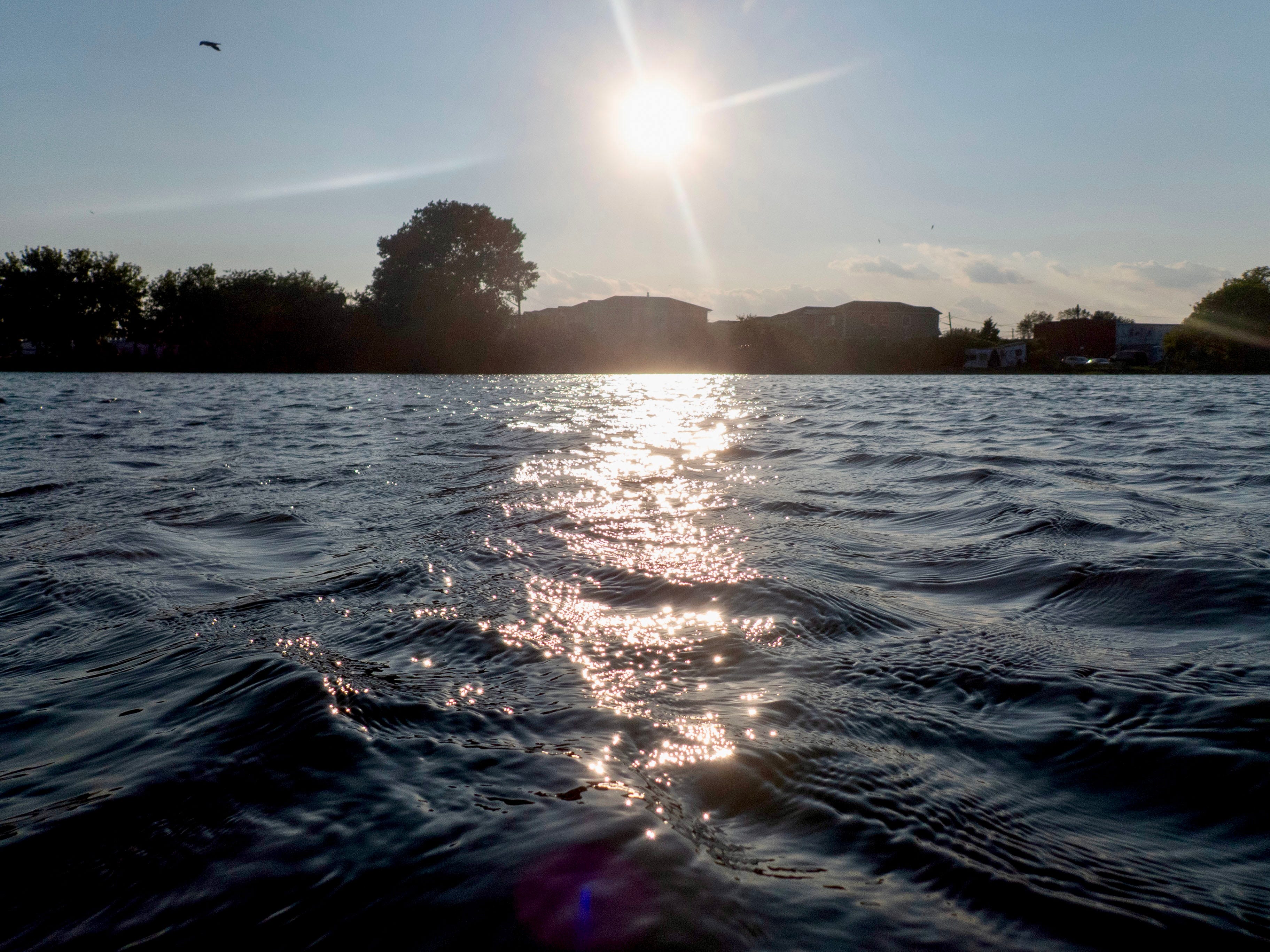
When the sun is overhead, its light reflects like scattered glitter across the surface of the water, concentrating into a large, bright patch of sunlight.
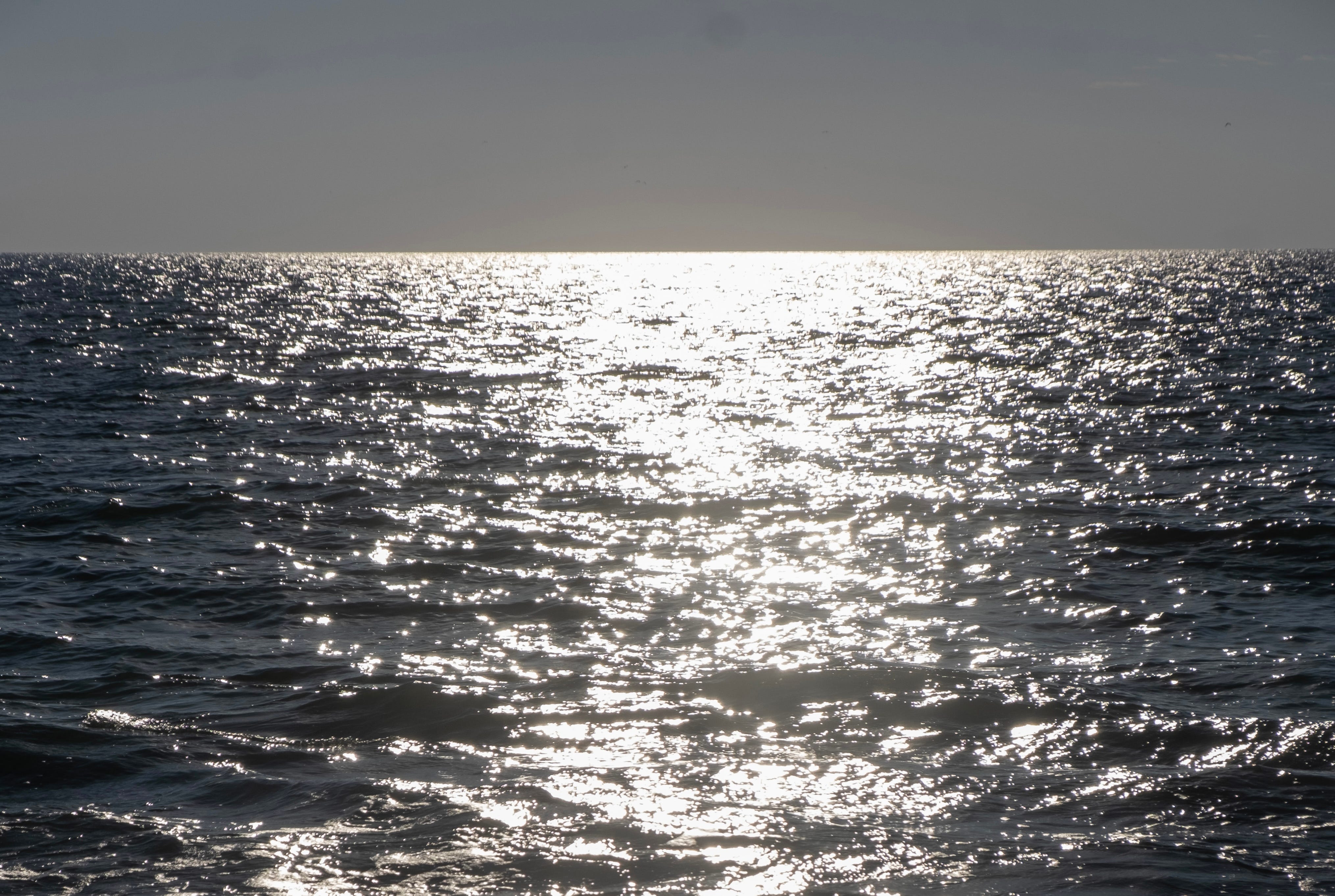
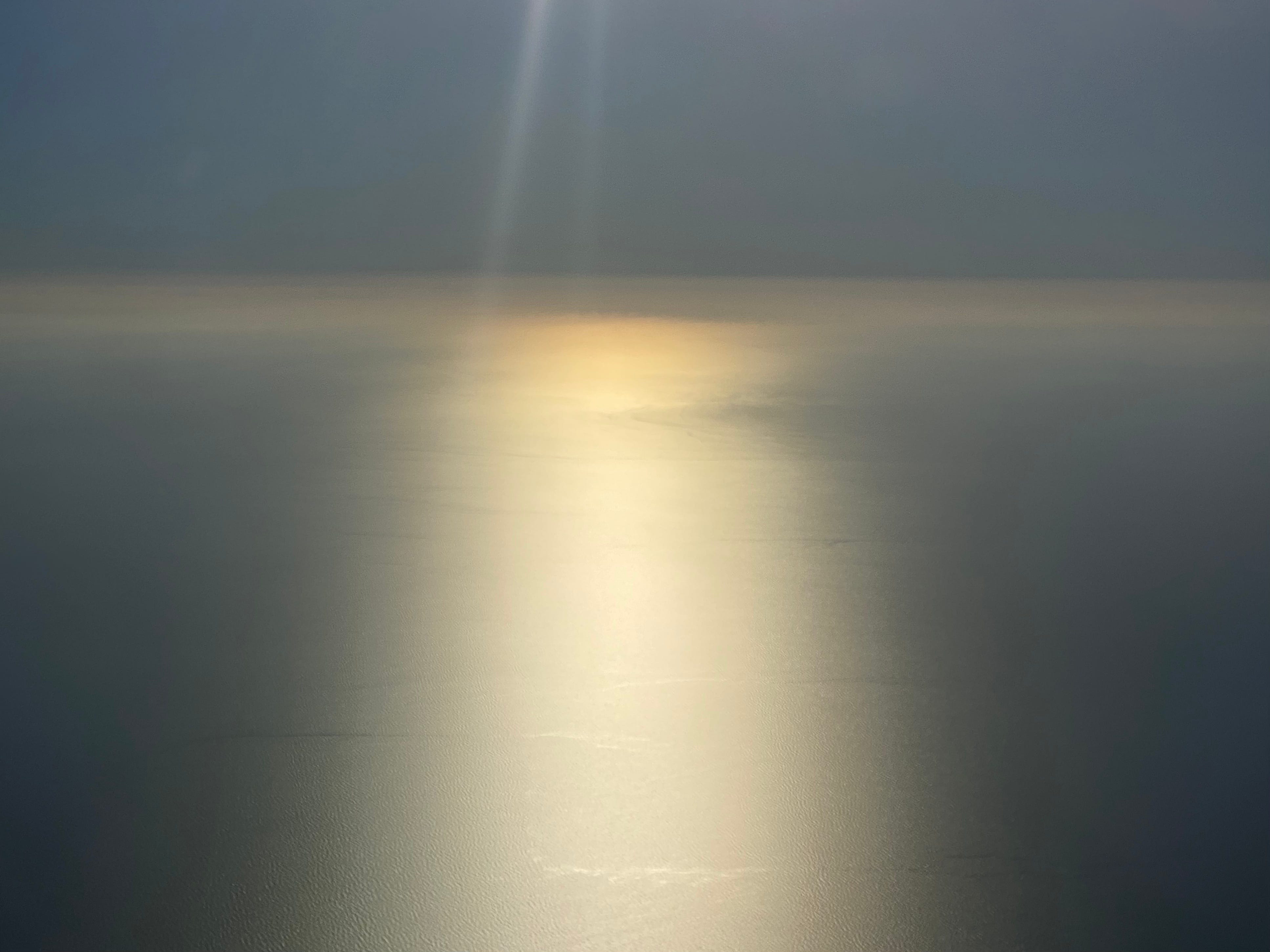
The size, intensity, and shape of these reflections change as the day progresses. They become brighter and larger as the sun rises, and narrow to a column when the sun is closer to the horizon.
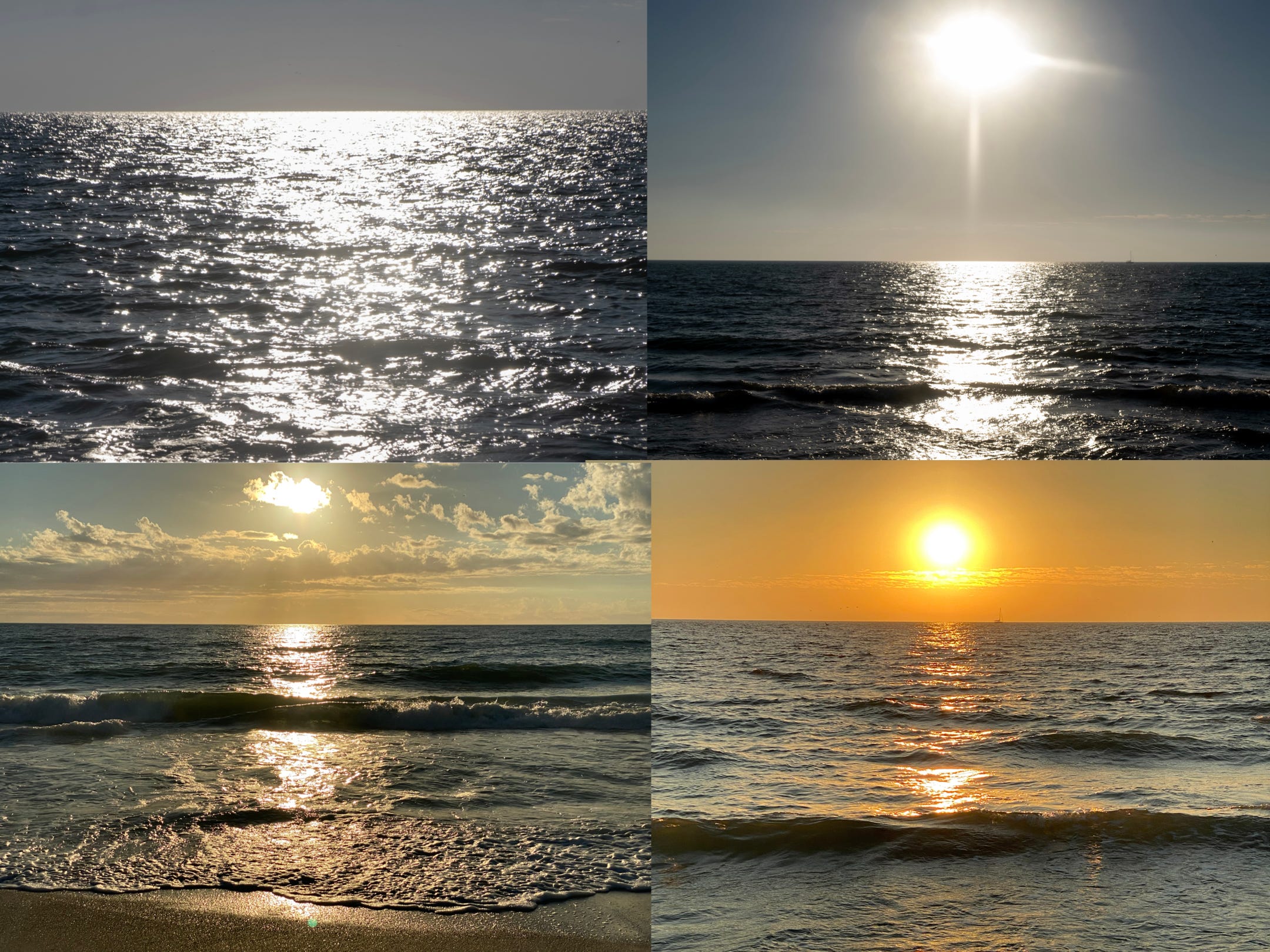
When the sun is low enough to sit right on the horizon, its reflection often forms a triangle.
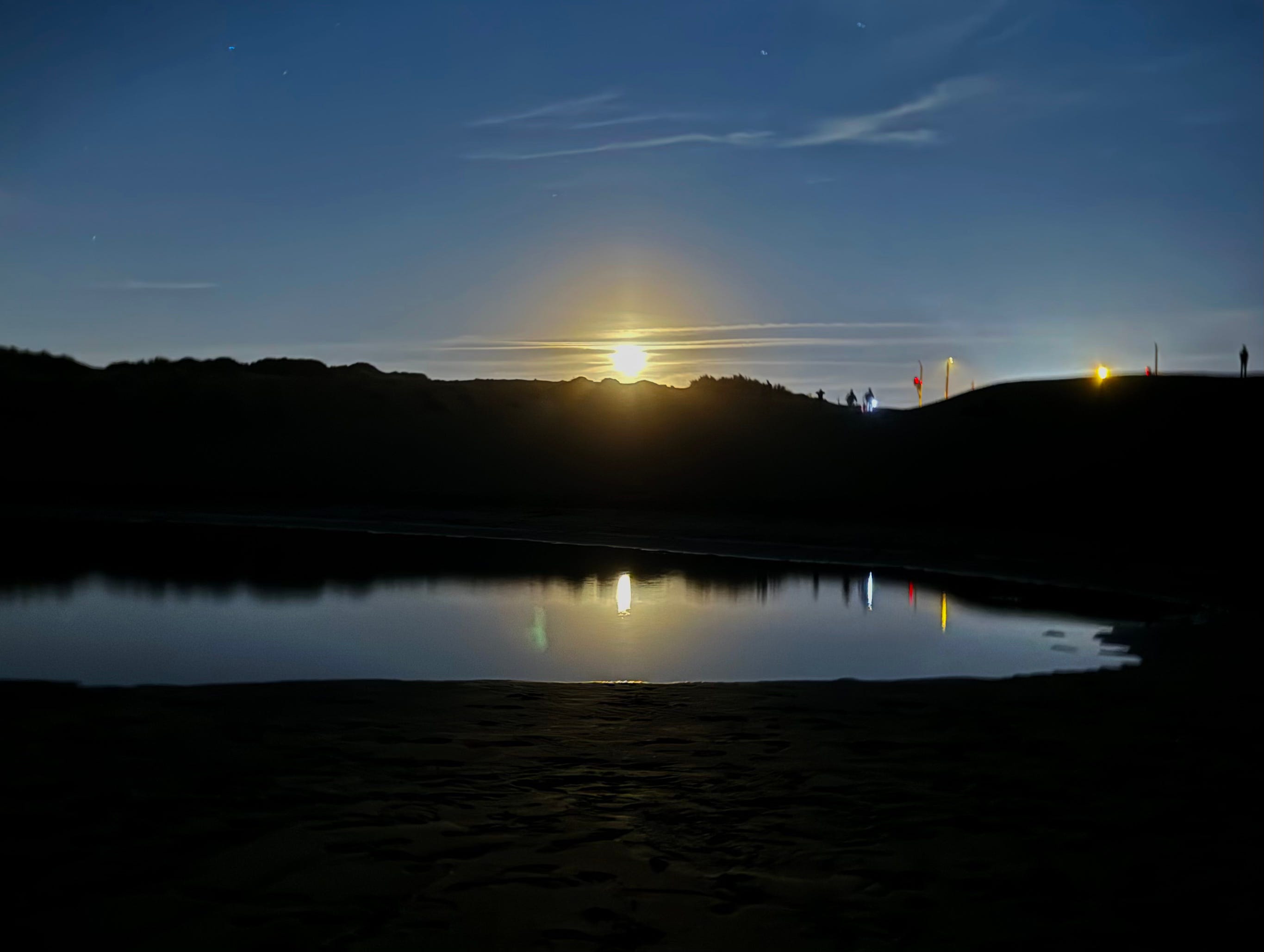
At night, the reflection of moonlight follows the same pattern as the reflection of sunlight.
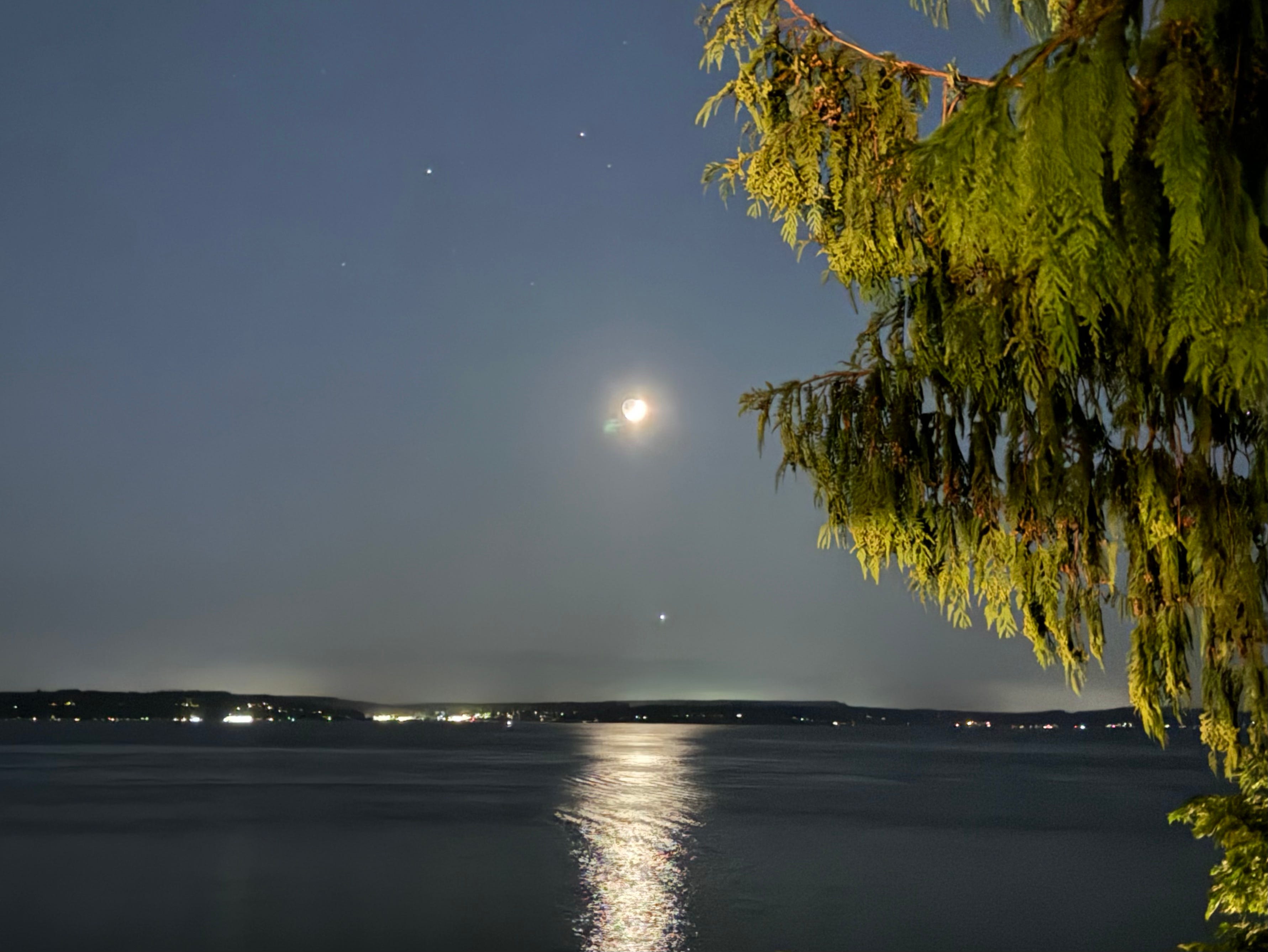
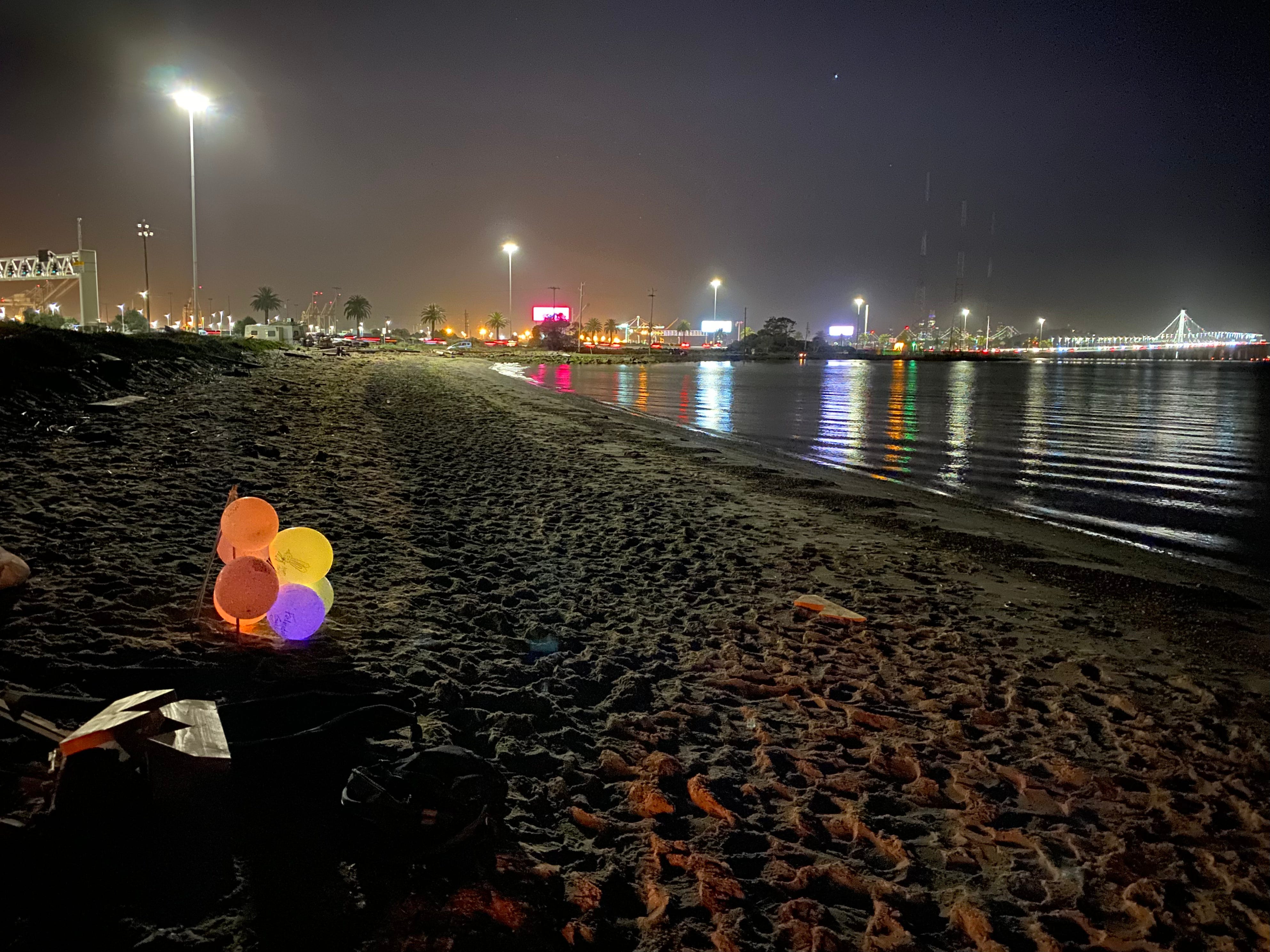
Artificial lights reflect in vertical lines extending down from the horizon.
This phenomenon doesn’t happen if the water is completely calm and flat. Still water reflects the sun like a mirror, and still water reflects the landscape.
If there is a landscape behind the water, the roughness of the surface erases its reflection.
This roughness does not remove the water’s reflective qualities. Rather, its effect is somewhat like viewing a broken mirror, like piles of glass shards facing all directions.
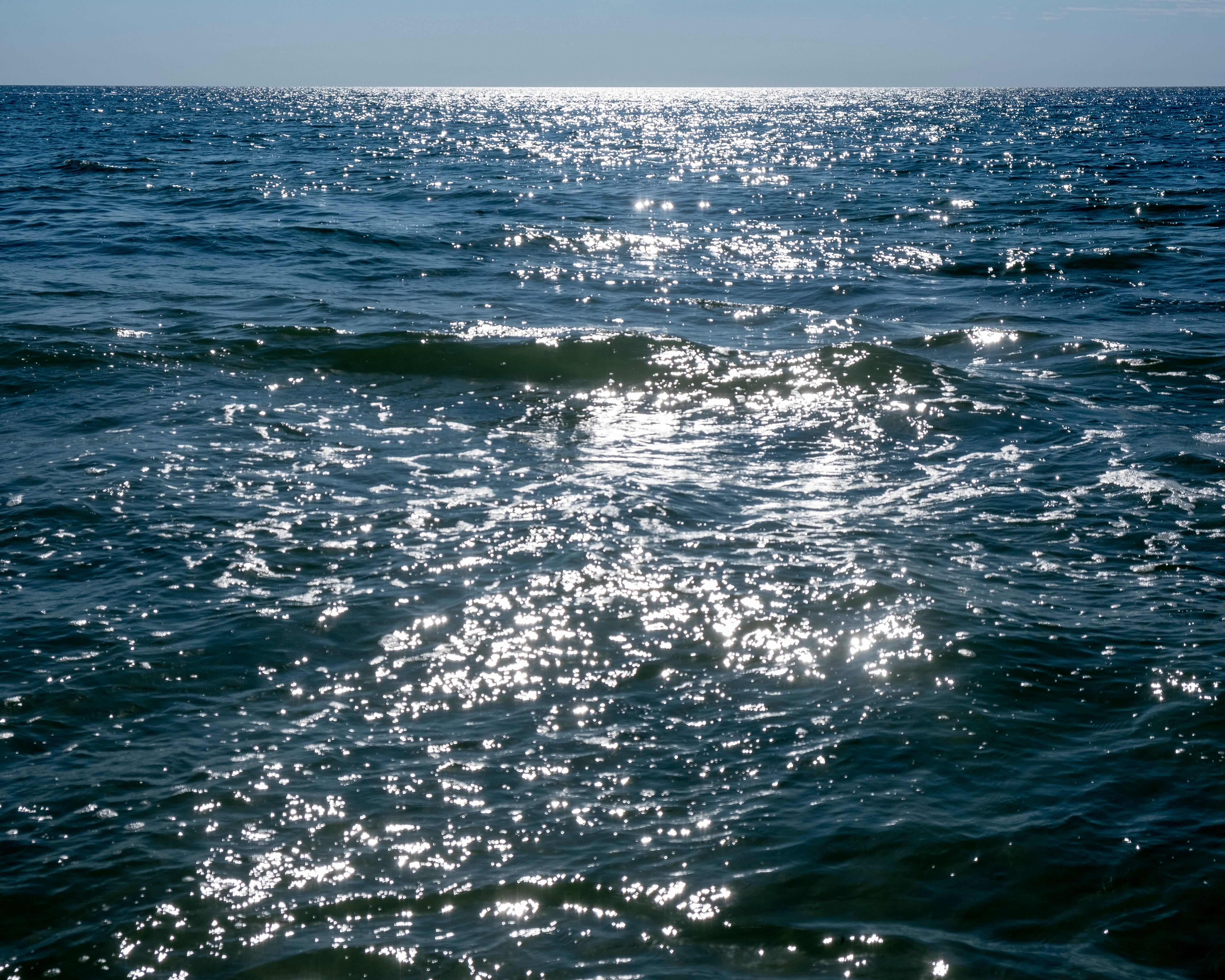
In Marcel Minnaert’s book The Nature of Light and Color in the Open Air (1954), he describes this phenomenon as one in which a point of light such as the sun transforms into “a path-like patch of light directed towards our eyes, while the waves themselves are absolutely irregular and equally frequent in every direction” (p. 17), and “at a great distance, we can only see the side of the waves turned toward us” (p. 23-24).
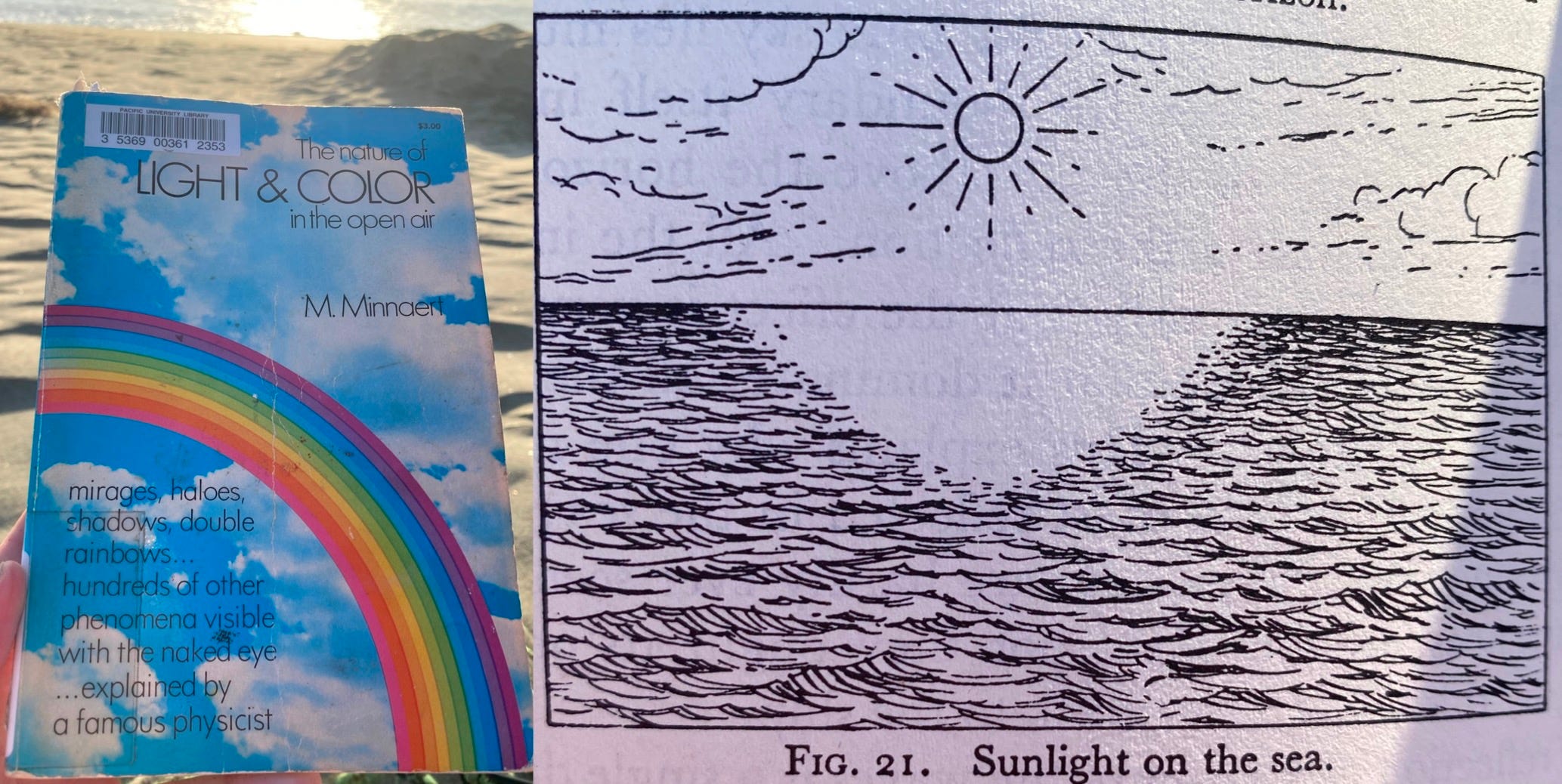
The way I picture this is to imagine the tiny mirrors of a disco ball, where no matter where you are, you see light bounce off of the mirrors that happen to be facing your direction.
Bodies of water are not the only place where this phenomenon occurs. Asphalt roads, made reflective by rain, have so many irregularities that they act like tiny waves, causing streetlights and headlights to reflect as vertical lines, which, in Minnaert’s words “if we examine the surface, we can see these roughnesses at once, and notice that they are just like real waves, with their crests at right angles to the direction of the road (p. 22-23)”.
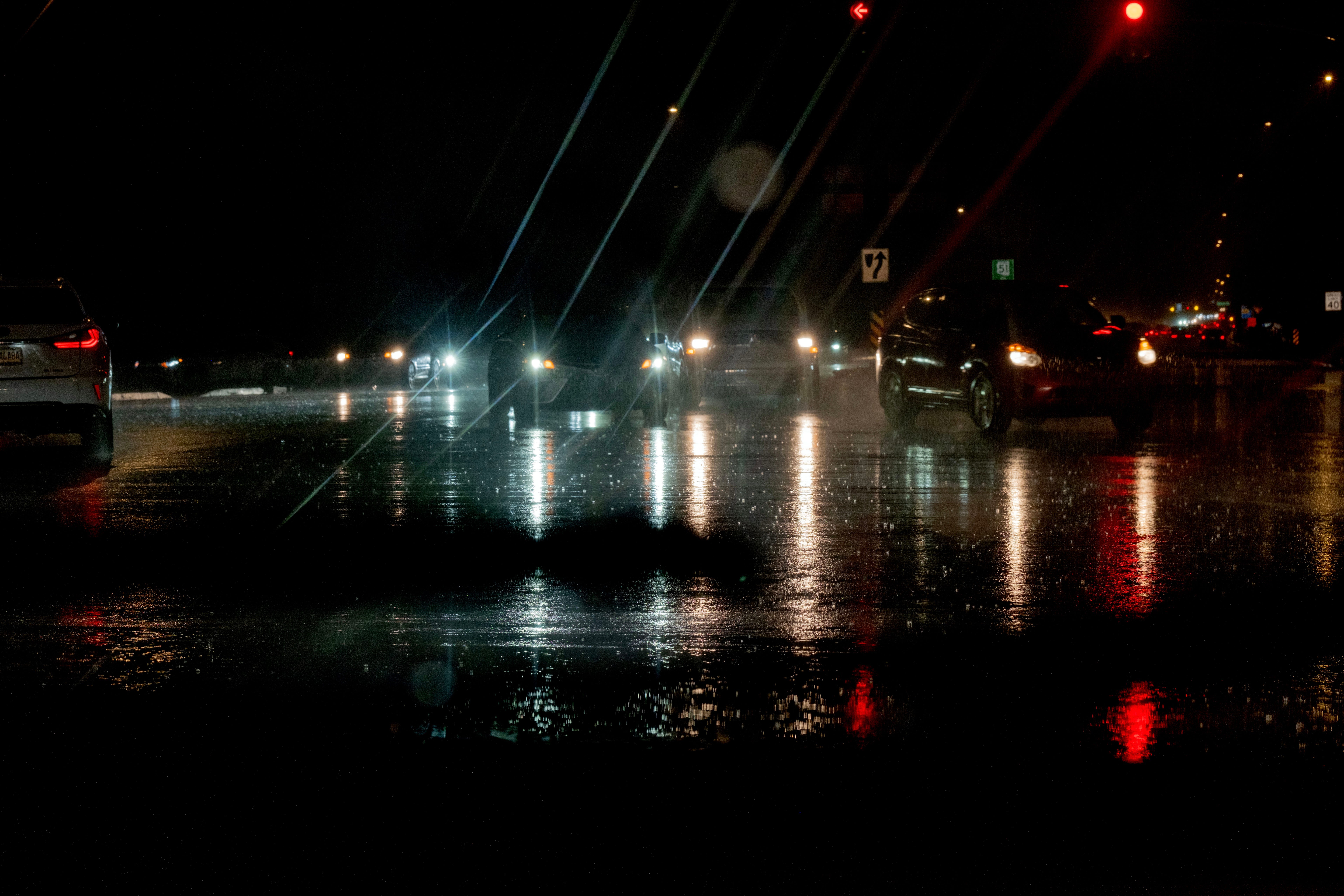
My mental picture of a choppy ocean and a rough, wet road alike is now of a miniature terrain, a tiny landscape of mirrored crystals.
Share Have You Seen This Phenomenon?
There is something soothing to me about the connection between the roughness and the multiplication of the light, something satisfying about the relationship between the time of day and shape, something exactly right about the correlation between imperfection and beauty.
It’s like the heavens are using the earth’s surface to print a receipt of exactly where we are at any single moment, in a constellation of glitter that will never be repeated in that exact formation again.
All Photos By Emily Wick Unless Otherwise Noted
Comments
Nothing yet. Say the first thing.
Sign in to join the conversation.