
0:00
-4:09

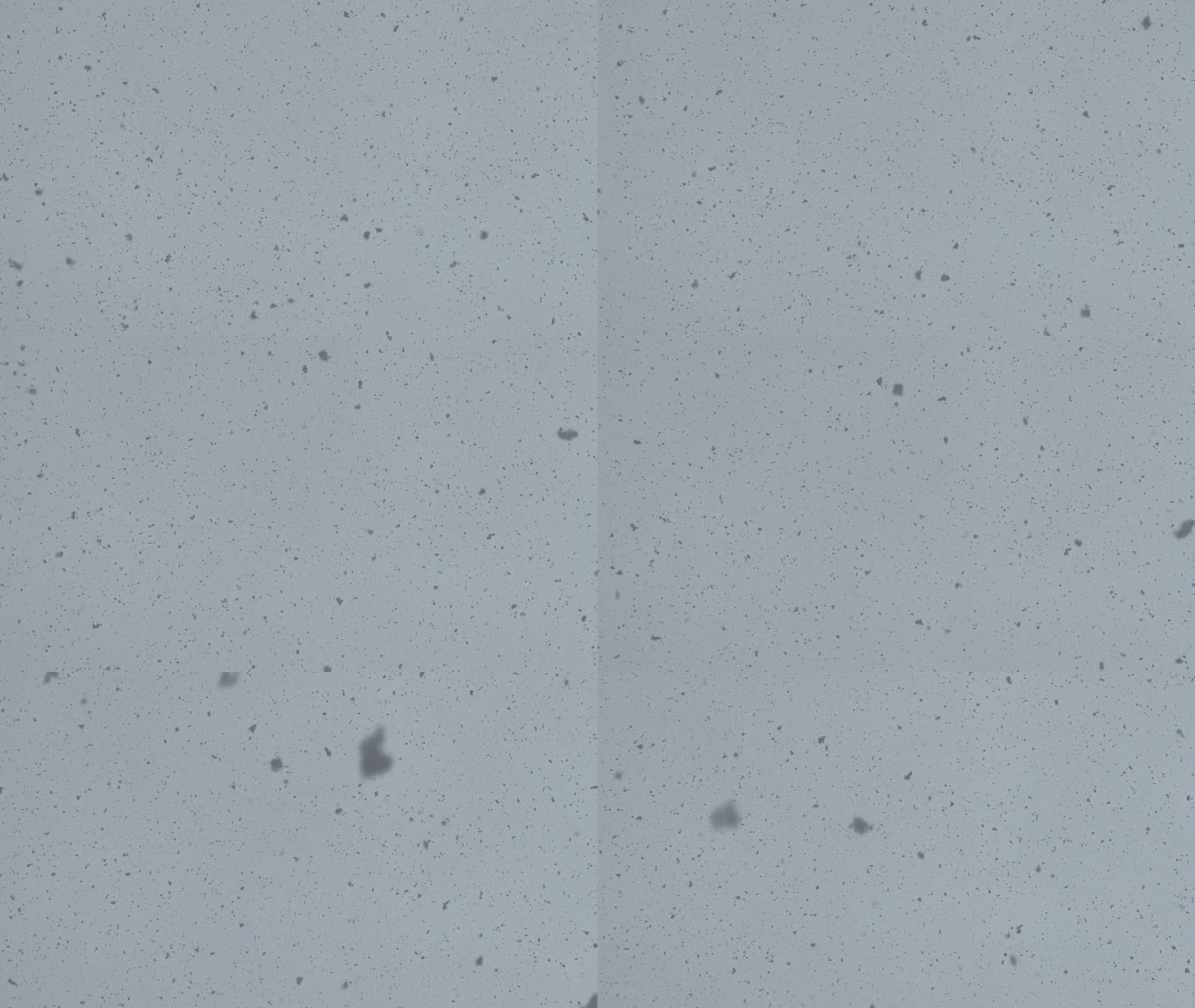
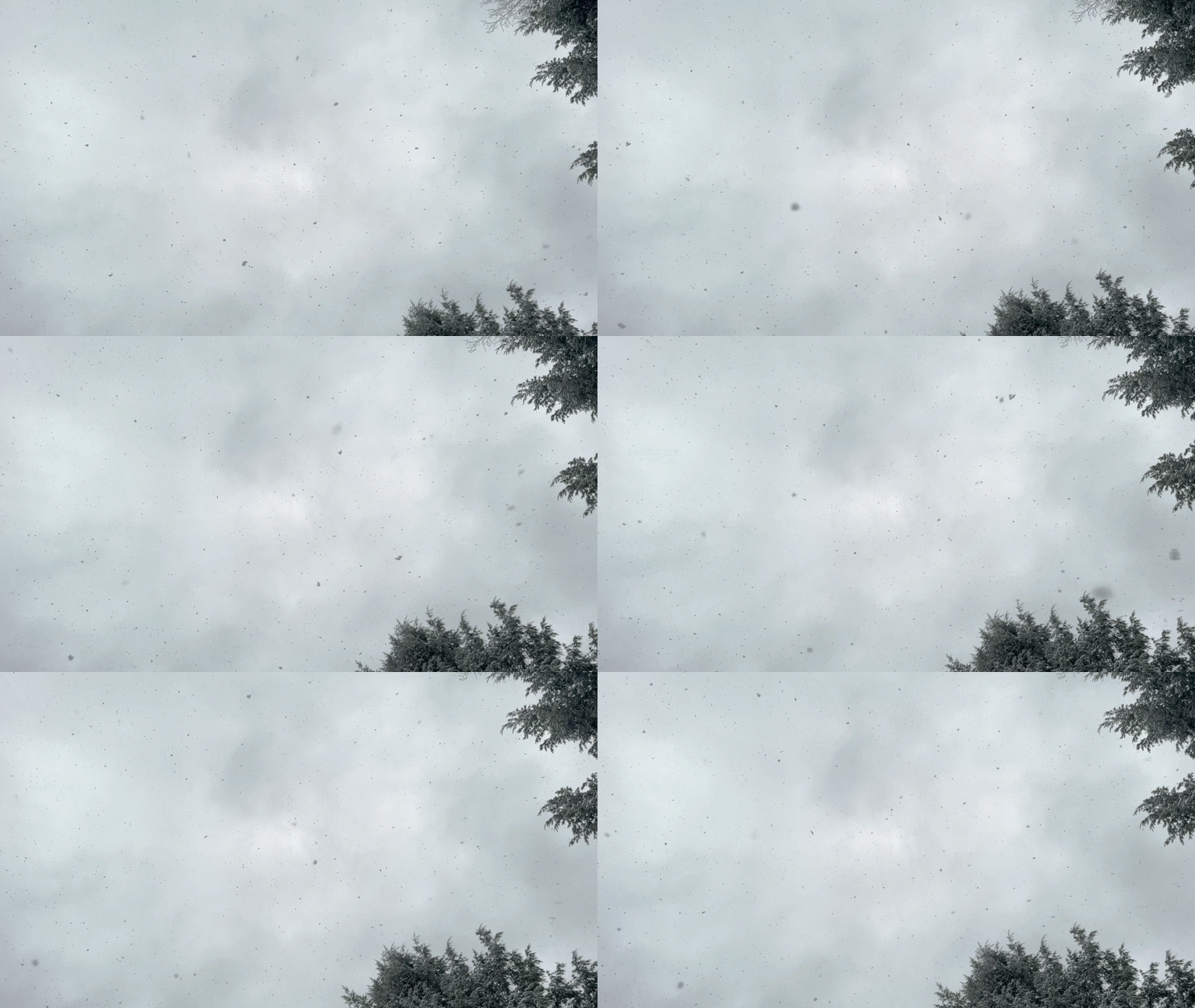
If you look up at the sky during a snowfall, the snowflakes will look dark grey or black. This is because they are backlit by a sky that is so much brighter than the falling snow.
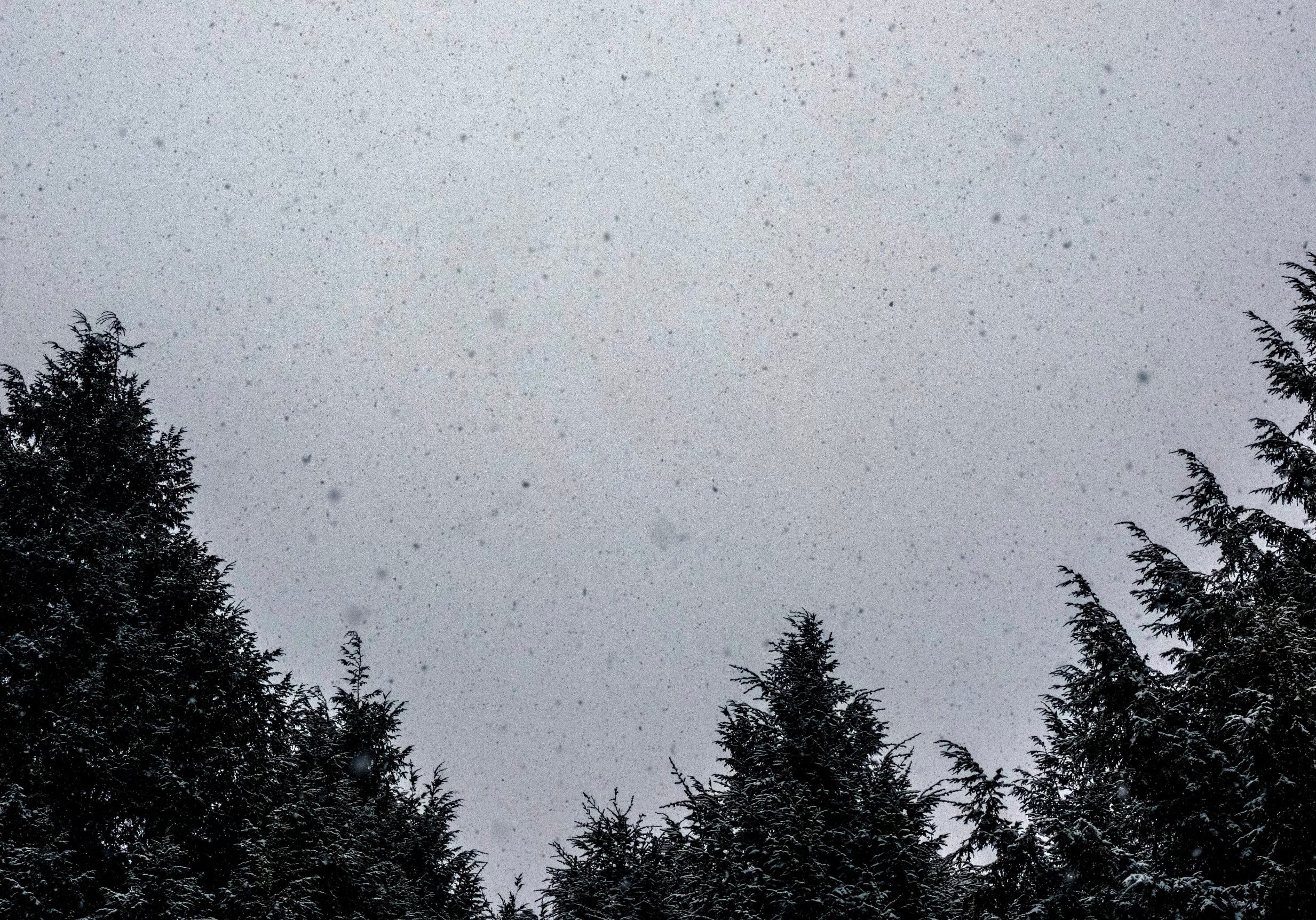
On an overcast day, it is easy to forget how intense a daylight sky really is. Even on a cloudy day, the sky is typically much brighter outside than it is in most indoor environments. The power of a gloomy sky completely transforms the color of snowflakes. It reminds me that even the dreariest winter days still feature a gigantic light box in the sky. It relieves us from the relentless brightness of the midday sun, softly illuminating faces without glare, landscapes without harsh shadows.
Low winter moods can take hold when the sun is nowhere to be seen. It can be tempting to write these days off as “bad weather” to be ignored because they are not a sunny “nice” day. Upon training myself to remember the brightness of the overcast sky, it can entice me to go outside, or to sit by a bright window to take in the light. Experiencing the sensation of daylight on my face can make a gloomy day feel better.
As a teenager taking photos with a film camera, I realized how dark it actually was indoors: so dark that there typically wasn’t enough light to take a handheld photo, even though, to my eyes, it didn’t seem that much darker. This is a testament to the outstanding ability of our eyes to adjust to changing lighting conditions.
I learned about the black snow phenomenon from Marcel Minnaert’s 1954 book “The Nature of Light and Color in the Open Air” (a major inspiration for this newsletter).
Minnaert writes, under an entry called “Black Snow” (p. 32):
“Watch the snow-flakes drifting down out of a grey sky. Seen against the sky, the flakes look decidedly dark. One must bear in mind that the only quality in which black, grey, and white differ is their brightness, for which the surrounding background provides the standard of comparison. In this case we refer all brightness to that of the sky, and this sky is much brighter than we would have thought, much brighter, anyhow, than falling snowflakes seen from below. This phenomenon was mentioned by Aristotle.”

Minnaert goes on to describe how a grey sky often “looks much duller than the snow-clad earth. And yet the effect is evidently misleading, for it is this same sky that illuminates the earth, and the illuminated object can never have greater surface brightness than the source of light.”
To see this, he suggests placing a mirror in the snow such that it reflects the sky, and assures us that the experiment “is as convincing as it is surprising”.

A deeper understanding of how bright the cloudy sky actually is can be a powerful force in daily life. Focusing on basking in the glow of the cloudy sky for just a few minutes can feel more accessible, more appealing, than getting the motivation to do an outdoor winter activity itself.
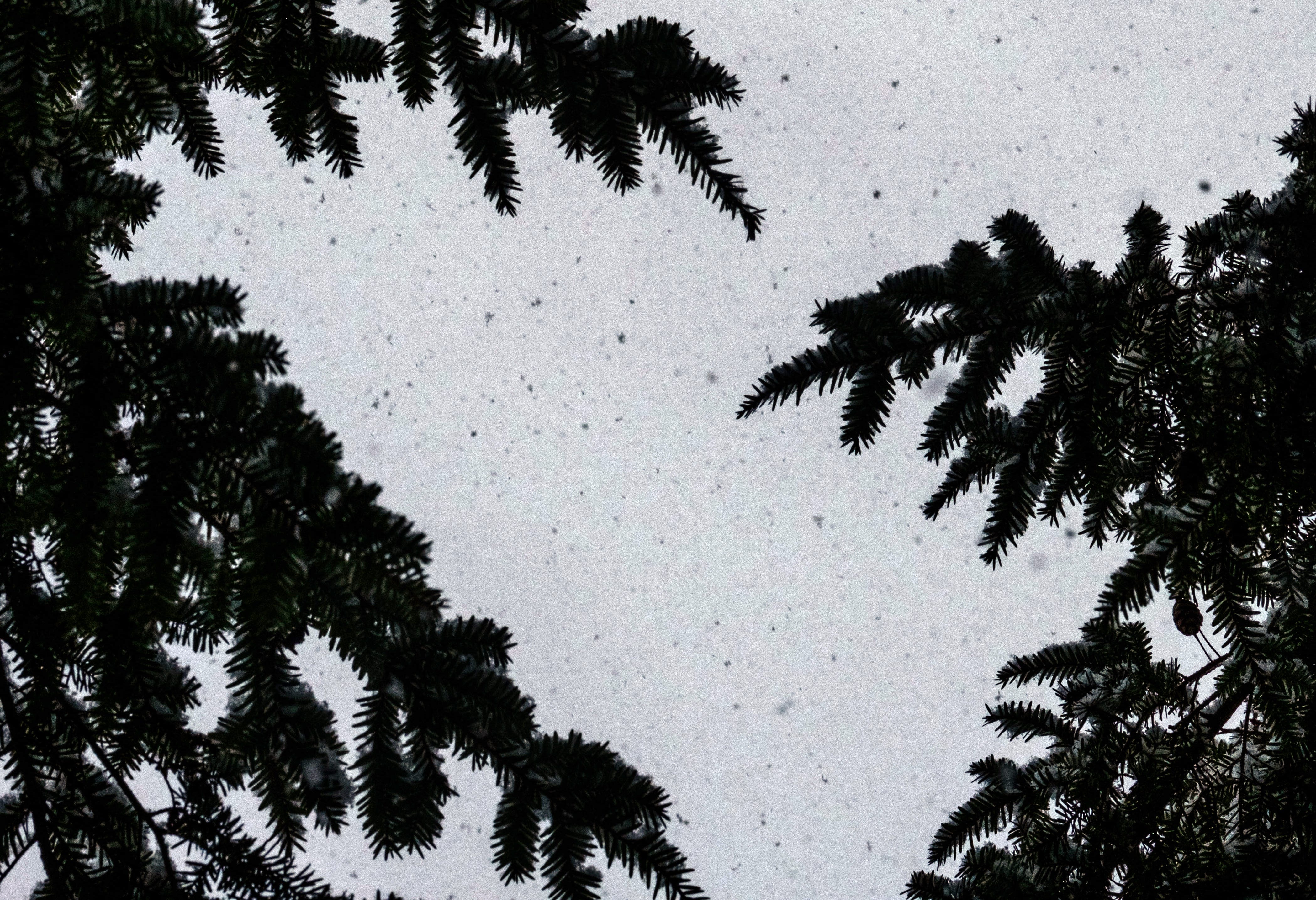
This month’s phenomenon is thus not just the black snow effect, it’s an appreciation of the overcast skies in the background: available even if you don’t live where it snows.
If you are in snowy climate, I recommend pointing your face upward and spending a few minutes watching dark snow fall against the bright sky. For me, it is a psychedelic experience. The intense three-dimensionality of being within a snowfall, rather than just watching it from a window, is dramatic.
The snowflakes falling in all directions around my head create the sensation of flying through an inverted-color outer space, light grey with dark stars whizzing by. It occurs to me that our view of the night sky from earth flattens the stars into two dimensions. It’s like the stars are snowflakes that we can only watch from a window.
Comments
Nothing yet. Say the first thing.
Sign in to join the conversation.