
In a time when it seems like there’s no end to the amount of content available to us whenever and wherever we need it, there’s one key quality that’s quickly differentiating a select few from the mass of consumers and creators of information: taste.
It’s true that everybody has personal taste. Whether we’re aware of its presence or not, personal taste informs every choice in our lives at an individual level: what we read, what we do, what we wear, where we spend our time, how we spend it, who we spend it with. But there’s a particular extension of taste that’s becoming an increasingly valuable and important quality in the current attention economy: curation, or the ability to carefully and intentionally select what items specifically deserve our time and attention when everything demands it.
If the first quarter of the 21st century was marked by content creation, the next will see a slower shift to a skill that’s always been around, quietly waiting for its moment on a larger scale: content curation. Today’s ‘It’ girls aren’t just consuming and creating — they’re curating.
Originating from the Latin cure (“to take care”), to curate is at its core to be selective. Curators have long been guardians of the precious, tasked with protecting artifacts, documents, manuscripts, and other treasures deemed as important to history and worth preserving for future generations. While many associate curation with art galleries or museums, the gift of having an eye for the unusually special has extended into many parts of our culture — there’s a White House Office of the Curator, an emerging job field in digital curation, and even a role as a Spotify Playlist Curator. People are drawn to those with good taste — and they’re willing to pay them for it.
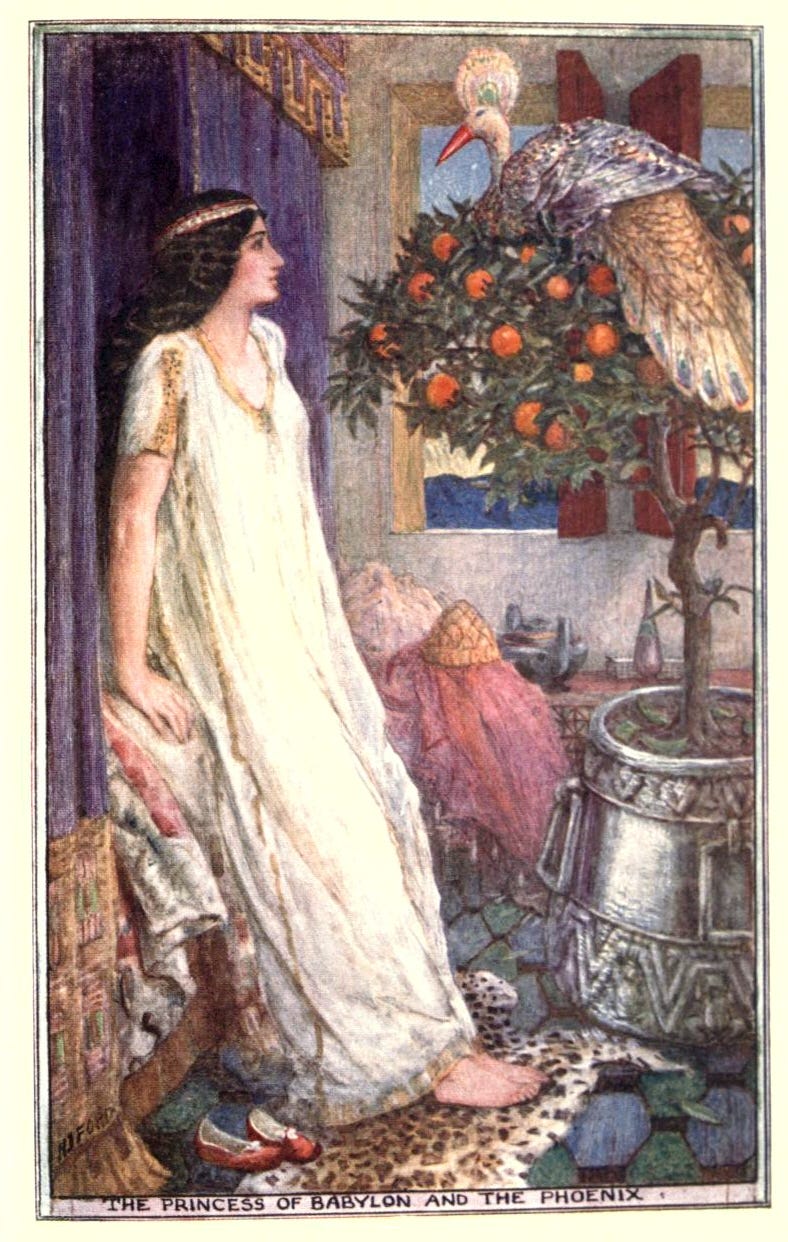
For the better part of the 19th and 20th centuries, curation remained a somewhat mystical, niche activity and profession reserved for subject-matter experts with fancy degrees or connections, sometimes elitist, often haughty. To be a curator is to be an arbiter of taste and style, a title one has to earn and not just self-associate with. This view, while partially outdated, remains strong even today:
“[F]or the most part, popular culture is simultaneously extending the moniker to people who definitely don’t deserve it. The longstanding broadening (or bastardization, depending on whom you ask) of the word ‘curator’ reaches far beyond the art world. An app that allows users to make what are essentially on-screen mood boards calls itself ‘Curator.’ The idea of ‘curating experiences’ turns marketers into elite gurus. These days, even your home decor can be ‘curated,’ which suggests that anyone with decent taste in end tables has an expertise that’s on par with art history Ph.D.’s.” - Alina Cohen
Opinions are strong on both sides, but the question remains: who is a curator in today’s world?
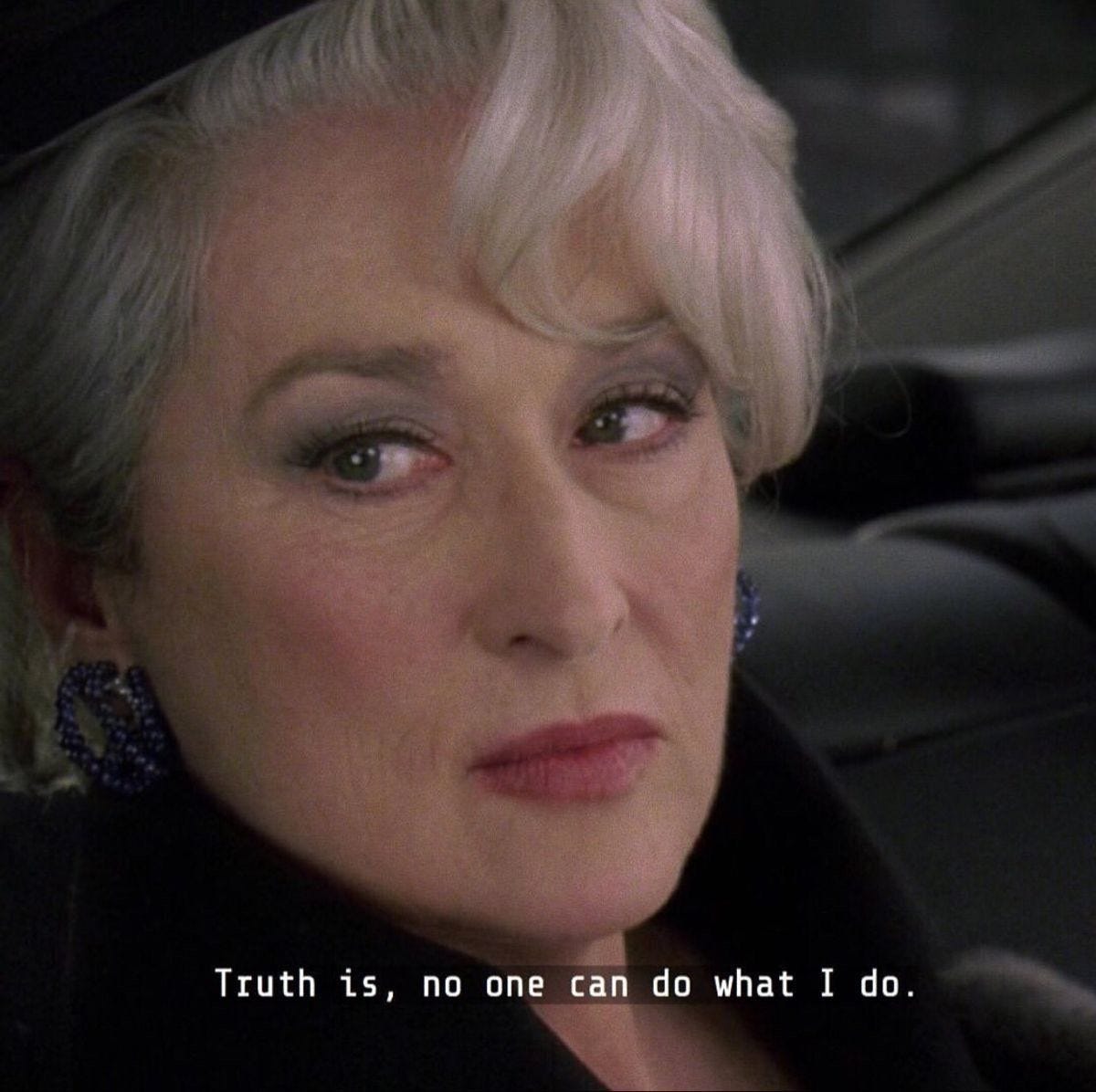
In some ways, influencers have created a bridge between creation and curation simply by creating content about curated materials, often monetized. The act of participating in social media is in itself a form of curation for consumers using the platforms — we’re forced to choose our best moments, rebrand ourselves with a digital identity, and create our own curated highlight reels. And while to some extent we can curate what we see on our feeds, a lot of it is decided for us through algorithms, ads, AI slop, and creators that are paid to tell us what to buy.
That’s why content curators are increasingly important: to sift through the noise and select the things that are actually worth our time and attention.
The idea of the attention economy was first introduced in the 1960s by psychologist Herbert Simon, who said that “a wealth of information creates a poverty of attention.” If only good ol’ Herbert could see us now. The attention economy has been dissected, discussed, and debated since then, but increasingly with the rise of social media.
Rai Hasen Masoud’s definition of the attention economy we’re dealing with today is simple but alarming:
“The attention economy is a system in which human attention, a finite and valuable resource, is treated as a commodity: captured, analyzed, and traded for profit by digital platforms and advertisers. In this model, attention becomes the currency, and platforms like Facebook, YouTube, Instagram, and TikTok act as brokers.”
Masoud says this goes beyond cultural effects and will have lasting, possibly irreversible impacts on our world: “The attention economy erodes core democratic values, undermining the cognitive autonomy, reflective reasoning, and informed citizenship necessary for healthy democratic societies.”
Without leaning into the doomsday vibes, I do think we’re at a point where we’re all asking ourselves: what do we do with all of this stuff? What’s worth spending time on? What should we lean into? What should we leave behind?
Enter the content curator.
The content curator isn’t just a tastemaker or a trendsetter. Nor are they chronically online, browsing and digesting every piece of content on their feeds and in their inboxes. They use their knowledge of history, culture, literature, art, and real life experience to distill what’s worth our attention, and they know instinctively what is not.
The content curator has their finger on the pulse of a growing online database without giving their whole arm to the swarm. They are immune to the “Watch me! Read me! Like me! Share me! Buy me!” rhetoric that has come to dominate our digital landscape. They are carefully building a digital library of pieces our generations should be remembered by, not which generated the most revenue. They choose intentional seeding over engagement farming. They protect the best creations of our time, honoring quality over quantity in a time where that small mantra matters more than ever.
The content curator takes both innate taste and learned skill to discern what is worth giving our attention to — and shares it with others. They are unaffected by the smaller trends of the moment but rather gravitate towards larger, more telling trends of the times. The content curator helps us answer the question, “What is worth experiencing?” It’s not a simple task, but it is a fulfilling one.
“My experience is what I agree to attend to. Only those items which I notice shape my mind - without selective interest, experience is an utter chaos. Interest alone gives accent and emphasis, light and shade, background and foreground - intelligible perspective, in a word.” — William James
In joining Substack, I’ve noticed I’m not alone in feeling a certain type of disillusionment with the chaotic marketplace the internet has become, paired with hope for what it can still be. Substack has leaned into celebrating our minds, building our online communities, and importantly, rewarding those with taste.
The people using this app to write, learn, read, and recommend will be among the first I’ll turn to and trust when we reach the already emerging dawn of the content curator. Until then, it’s my job to refine my own taste and protect my attention myself — one that I take very seriously.
No posts
Comments
Nothing yet. Say the first thing.
Sign in to join the conversation.