
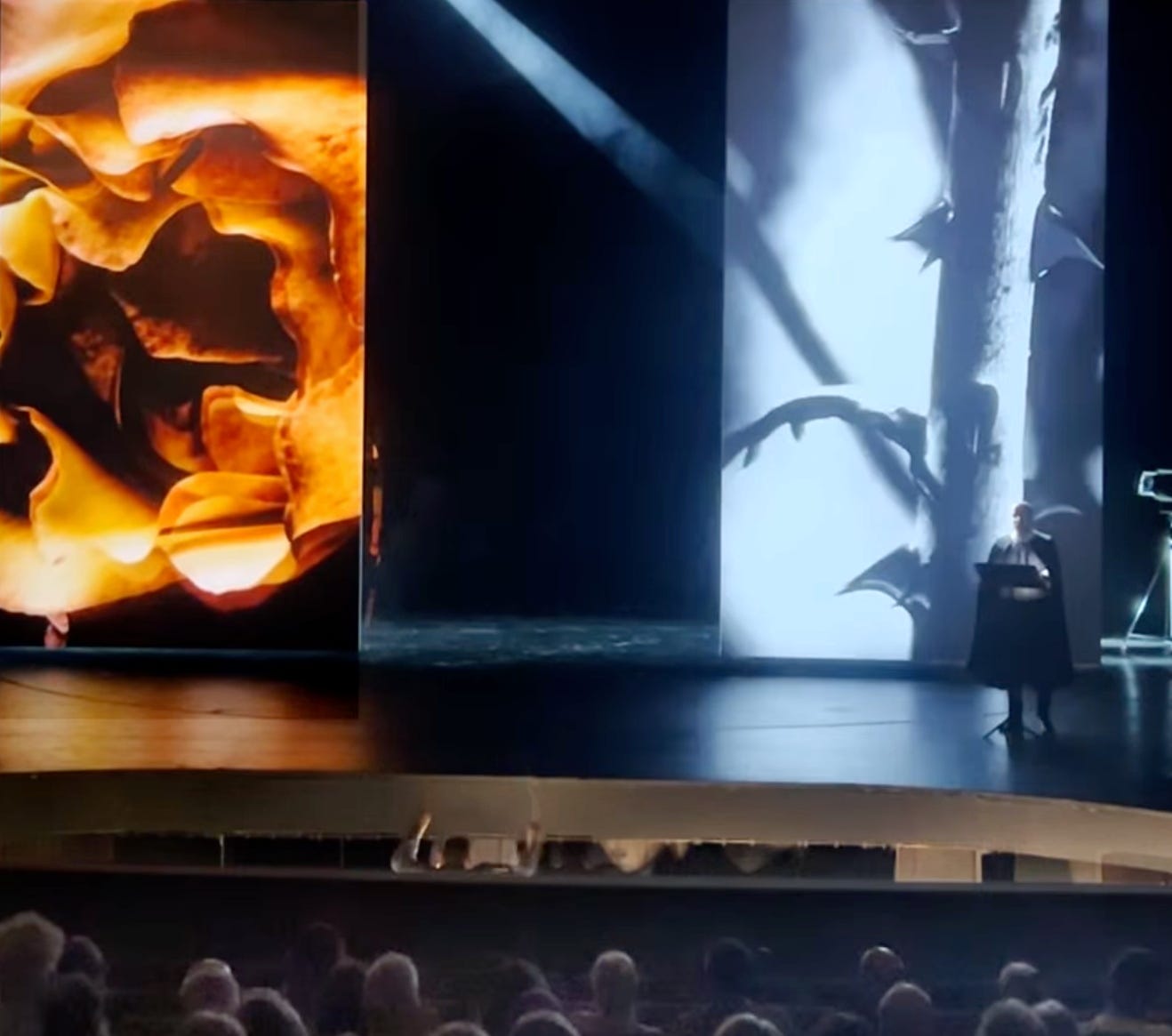
Performance day begins with dress rehearsal at the theater at 10AM. The energy is present but a bit subdued. It’s an old tradition to not give it all up at dress, save it for the show. The work is now in the form that it will take at its premiere in the evening and neither tweaks nor edits are possible at this point. Even with this knowledge, as the rehearsal proceeds I find myself noting places in the score that need something: perhaps 4 bars excised, a shaker instead of a drum here, transpose the trombone part by one octave there...and so on. Mental note to edit the score for the next performance, wherever and whenever it will be. When we reach the last note, there’s a relief, a sense that we finally made it all the way from beginning to end. Not without errors though: there are missed entrances in places, some little raggedy things. But it’s best that they happen now - this is what rehearsals are for. Even in reserve, Valentino sounds fantastic and the orchestra is tightening up, the choir as well. Visually, the opera looks great throughout with video, lights, staging, and choreography all working as designed.
After the rehearsal, Janene and I get a light lunch at a cafe then return to the hotel for some rest. Later I do an interview for the Czech journal Composer’s Voice - it may be read here:
https://www.hisvoice.cz/komponovani-jako-darwinovsky-proces/
The Substance premiere is at 1830 with doors to the theater opening at 1800. We return to the hall at 1715. The orchestra tunes, Valentino and the choir warm up, no doubt the dancers do likewise. Using a computer to play back soundfiles always incurs an element of risk though I’ve hardly ever had a failure. Still, there’s a bit of prophylactic angst and I go through my patches to reassure myself. The hall is nearly full at curtain time. The safety or fire curtain is here called “the iron curtain,” a massive metal shield that goes down if there’s a fire, whether on the stage or in the audience. Given Czechia’s history under the Soviet Union in the 20th century, the name carries more than a bit or irony (so to speak). Just after 1830, the curtain rises. When it reaches its apogee I launch the opening synthesizer pulse with Petr Kotik bringing in the orchestra for the instrumental introduction, an overture, but here titled Exquisition, played beautifully and with fire.
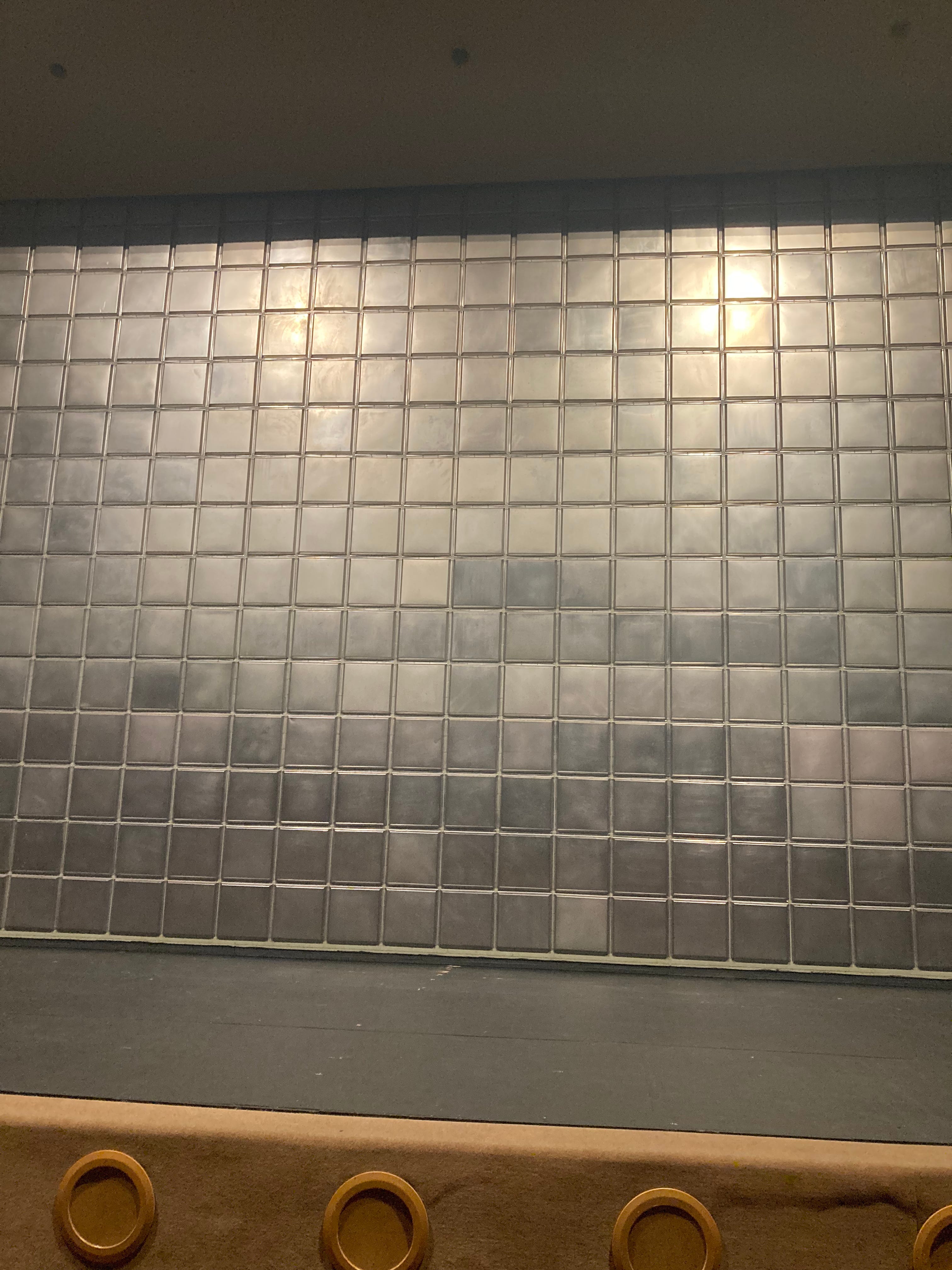
The opera continues with Scene 2, Home, in which Spinoza ponders the notion of life with a community who he is supposed to be in resonance with because they’re “his people.” The connection must be questioned given the way they forced his teacher Uriel to suicide and in their scorn for Spinoza himself for his way of thinking. In the 3rd scene, Forbidden Thoughts, the Jewish community of Amsterdam is represented by the choir and they chide and warn Spinoza whom they call “Espinoza: the thorny rose.” Spinoza explodes myths of religion and government and states that ultimately, it is love that will destroy despotism. The community responds to these notions in the fourth scene, Herem, in which Spinoza is reviled, cursed, and exiled. Spinoza is grateful for having been given his freedom from the restrictive life in Amsterdam’s Jewish community - he feels that his eyes are now open. In Spinoza’s life story, he then moves to Leyden where he pursues his career as a lensmaker. I felt that his work with optics was the physical manifestation of his ideas of the infinite extending both microscopically and macroscopically into the cosmos. Though the majority of the libretto is composed of Spinoza’s thoughts and my framing and extrapolation of them, Herem also makes use of a Borges poem about Spinoza the lensmaker, set for the antiphonal voices of the choir and finally an excerpt from William Blake sung by the mezzo-soprano with the three string players:
He who binds to himself a joy Does the winged life destroy
He who kisses the joy as it fies Lives in eternity’s sunrise.
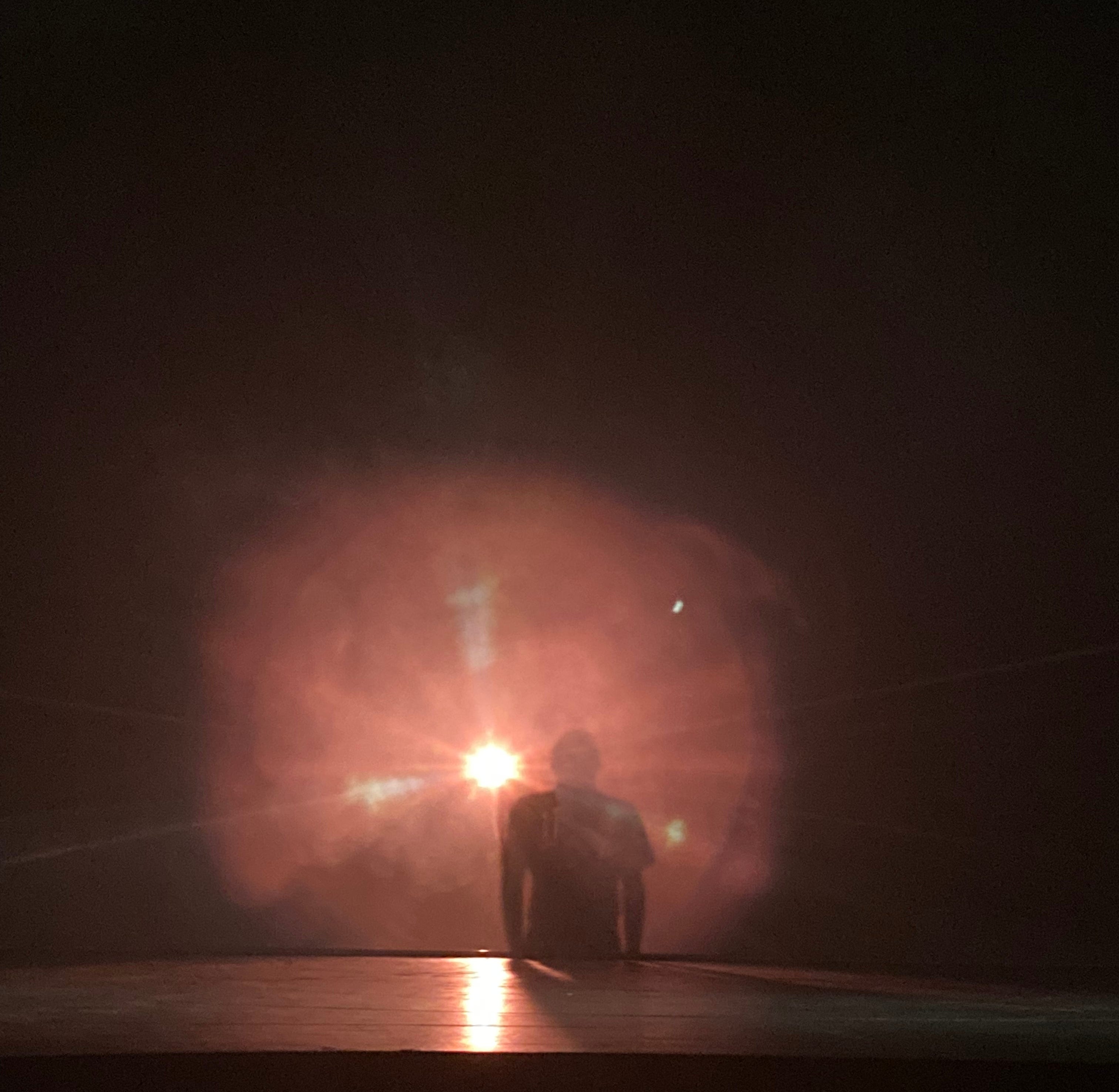
Scene 5, Lens On Exile, finds Spinoza expounding on his core beliefs about how to live in his world. These are excerpts from the libretto:
The eyes of the mind
I should attempt to treat human vice and folly geometrically the passions of hatred, anger, envy, and so on follow from the necessity and efficacy of nature
I shall, therefore, treat the nature and strength of the emotion in exactly the same manner as though I were concerned with lines, planes, and solids.
In order to see an entire object we need not only rays coming from a single point but also all the other rays that come from all the other points
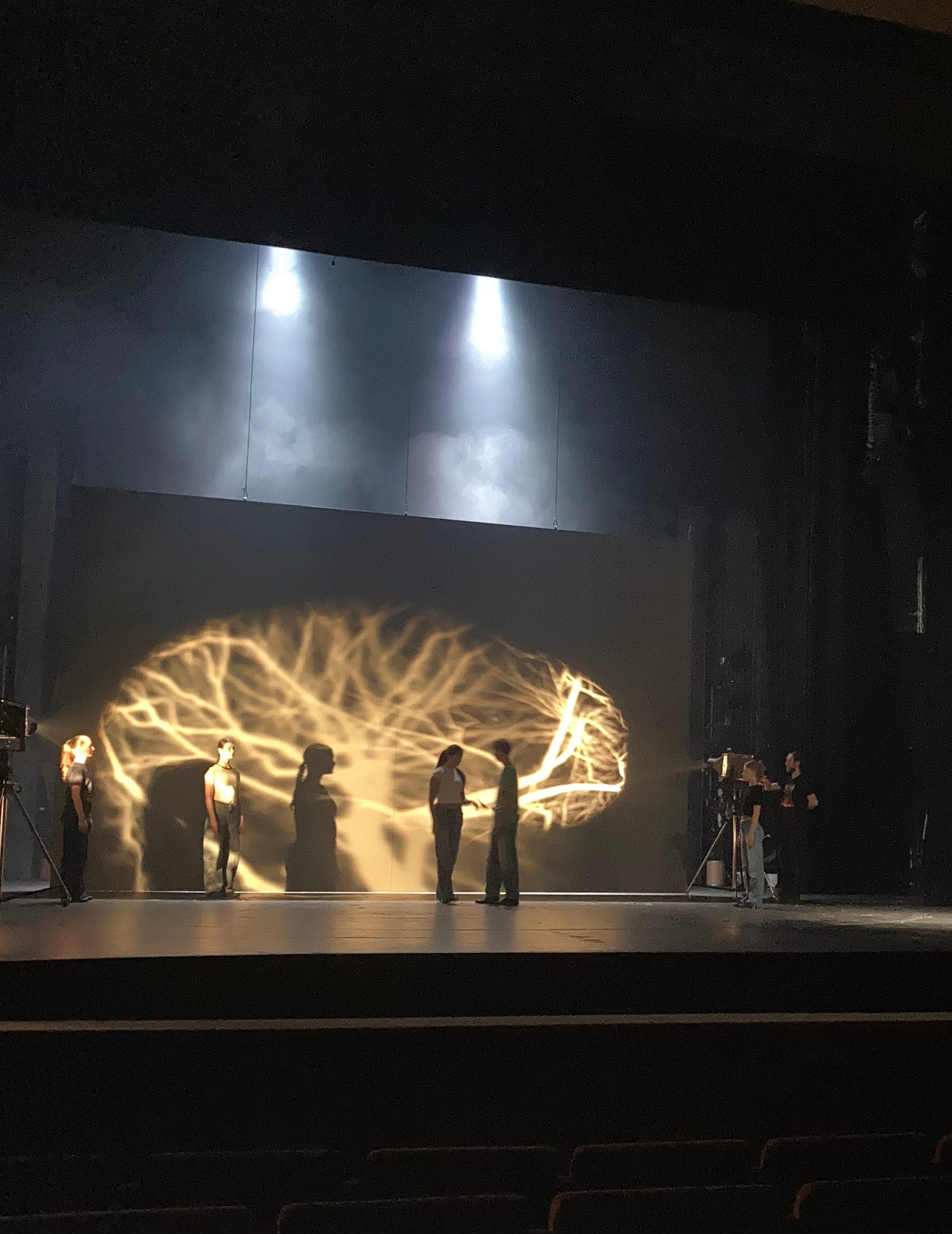
Desire and Need is the title of Scene 6. Here Spinoza tackles problems of human nature and the joys and challenges of life:
Pleasure is desire Pleasure is good Pleasure is real
Passion is the need, passion is beyond control, passion is pain
Affectio or Affectus: do we make the affection or feel the affect?
Occursus: a state of a body insofar as it is subject to the action of another body.
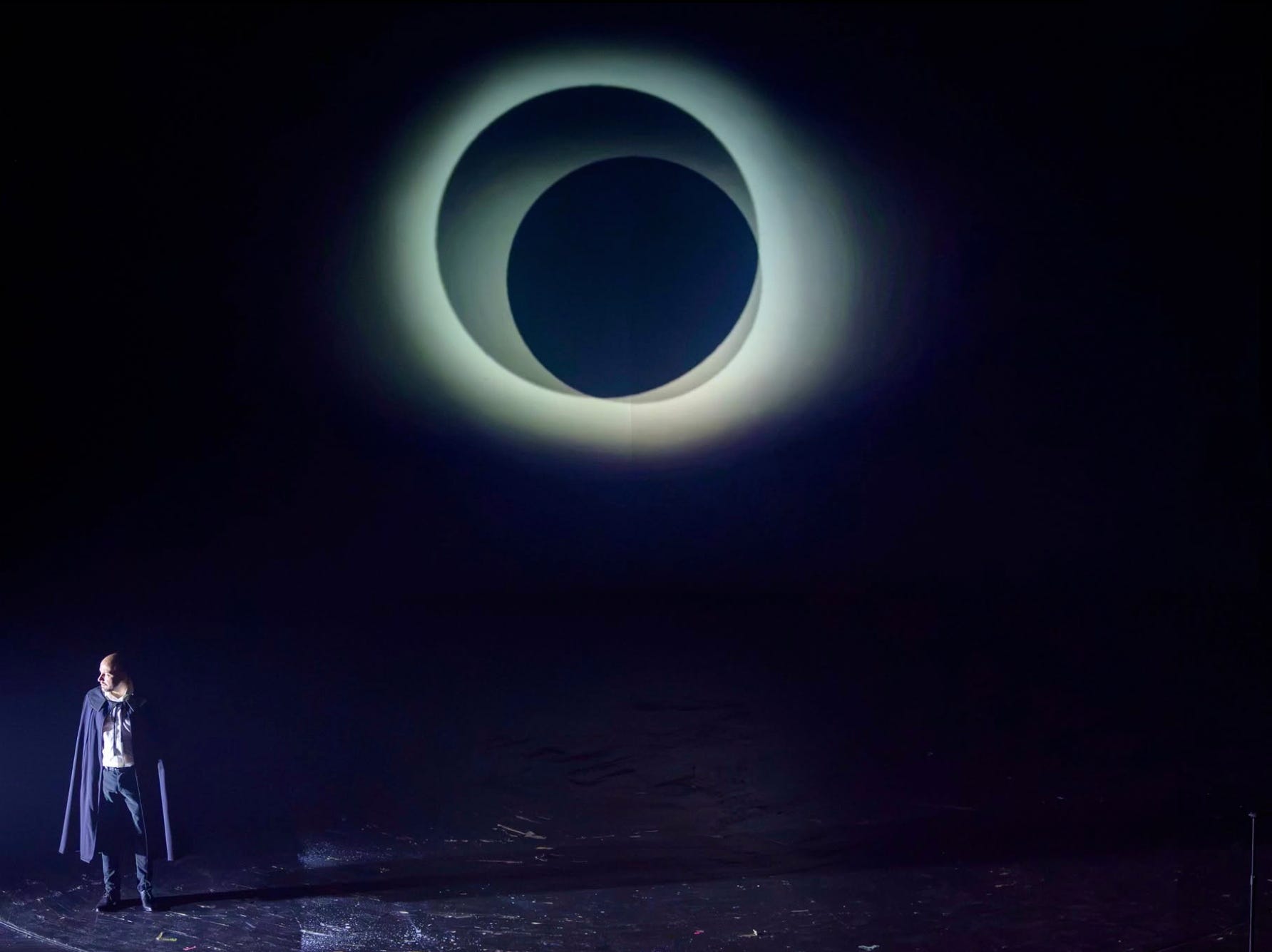
This leads to Scene 7, Ethics, where the various elements of Spinoza’s philosophies begin to cohere into a unified thought encompassing the infinite, the nature of religion, and how it interacts with the political.
the inherent knowledge of the universe...to see the infinite in all...conatus.
The mind and the body are one and the same thing, which is conceived now under the attribute of thought, now under the attribute of extension: natura naturata.
Amor dei intellectualis: this is the highest emotional & cognitive state - love for the infinite system that is reality.
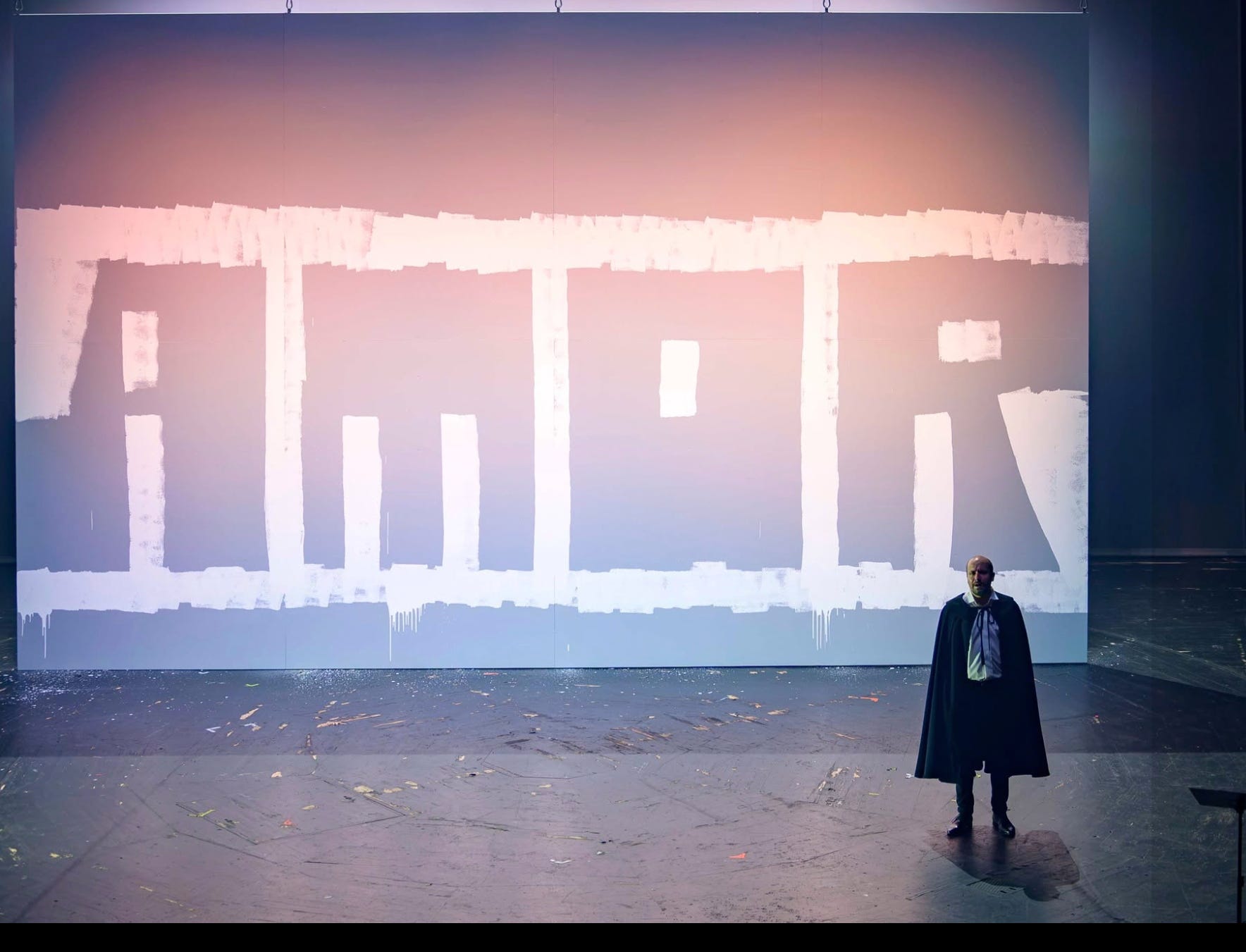
The opera finishes with Scene 8 Infinitude in which a graffiti artist paints a massive AMOR on a screen suspended across the stage. Valentino sings passionately and virtuosically with melismatic ornamentation in his cadenzas where Spinoza expounds:
Substance As A System of Attributes:
Attributes without limit, infinitude Each an extension but also a component
No Substance without attributes No attributes outside of the Substance
The idea of all things The idea of Substance
Substance is the idea in an infinite loop...
“the face of the world as a whole” is our home
we touch we feel and breathe it - it has limits - it is finite but there is the immediate touch of the infinite in every point of this face
Every point is moving every point is the effect of its attribute
Every attribute emerges from the Substance yet gives back to the substance
an infinite loop - an infinite loop
And ultimately, for Spinoza, is “amor” - a cosmic love that encompasses all attributes and is the greatest weapon against tyranny.
And it was complete! A thrill and, naturally, a bit of a letdown as there isn’t a second performance on the next day, nor on the next. We’re now starting the process of sending out feelers for future productions.
As we leave the theater, there are many hellos and goodbyes. After many years, great to see Burkhard Stangl of Klangforum Wien. There’s a little celebration with everybody in the theater’s pub and then Janene and I go off with my friend Petr Studeny for dinner in the town square. The next day, J and I head to Wien and a stay at a hotel right in the Flughafen Schwechat with early departures in the morning.
No posts
Comments
Nothing yet. Say the first thing.
Sign in to join the conversation.