
It was the summer after my freshman year of college. Sitting in the doctor’s waiting room with my mom, I was probably scrolling on my phone or flipping through a magazine. And that’s when I heard it—a loud, angry voice disrupting the usually quiet, sterile atmosphere.
When I looked up, I saw a man standing at the front desk, berating the receptionist. I can’t remember what he was upset about, but he made his frustrations known to her—and to everyone else in that room.
I felt my body tighten as I watched the exchange, my nervous system responding to the spectacle in front of me.
What stood out to me most, though, was not the man’s anger and disrespect toward her. It was the grace and patience she showed in return. While he expressed hostility toward her, something she did not deserve, she responded with gentleness, something he did not deserve.
After a little while, the man finally stopped yelling at her and left the office in anger. I felt my body relax a little, knowing the storm had passed.
After my appointment, I asked my mom if we could drive to the mall. My heart went out to this kind receptionist who faced the brunt of an uncontrolled temper, and I wanted to make her day a little lighter. So, we drove to See’s Candies, bought a box of chocolates, and returned to the office just before closing.
When we arrived, I excitedly walked up to the front desk and handed the box of chocolates to the kind receptionist. I told her I was so sorry for the way the man spoke to her—and that I hoped the chocolates would make her feel a little better. She was very surprised and touched by my kind gesture. When I walked out of that office, I was filled with joy. Doing something for this woman—even if it was small—felt empowering. I couldn’t change the cruel words spoken to her, but I could offer her kindness.
It has been almost eight years since that day. And in the few times I would recall this memory over the years, I clumped it together with the other acts of kindness I had done. I’ve always enjoyed doing small acts of love for people—paying for someone’s coffee, surprising cashiers with a sweet treat, leaving flowers on a neighbor’s front porch. And this felt no different.
And then, about six months ago, my friend told me about her recent trip to the store, where she witnessed a man treating a cashier with hostility. She explained that when she saw interactions like this, she would rebuke the customer for mistreating the worker. Her reaction didn’t surprise me, as I knew my friend enjoyed confrontation. I, on the other hand, tend to try to find subtler ways to keep the peace. And yet, I wondered if I had something to learn from her boldness. And suddenly I flashed back to that day in the doctor’s office—and I looked at it in a whole new light.
My initial response, when I saw a man mistreating the receptionist, was to stay silent, let the moment pass, and then show her quiet compassion. I don’t fault my younger self for that response. It felt like the only thing I was able to offer in that moment.
And yet, if I were to experience a similar situation today, I hope I would not only show compassion to the person being wronged, but also stand up to the person committing the wrong.
As I think about the ways we respond to the many injustices happening in our community, our country, and the world at large, I can’t help but think of this moment from my young adulthood. Obviously, that situation was not nearly as intense as the ones we see or hear about in the news. But at its core, it is the story of a person treating a fellow human being unkindly—and a room of bystanders who stayed silent.
How we respond to small injustices can reveal how we will respond to big ones.
How do I want to respond in the face of injustice? Looking at our current political climate—and the injustices occurring on the streets of America at this very moment—this question feels more important than ever. And I think my answer to it is different from what it was eight years ago. Because I realize that, as beautiful as kindness toward the oppressed is, it is not enough.
Dietrich Bonhoeffer, a German pastor who the Nazis executed for resisting Hitler, said:
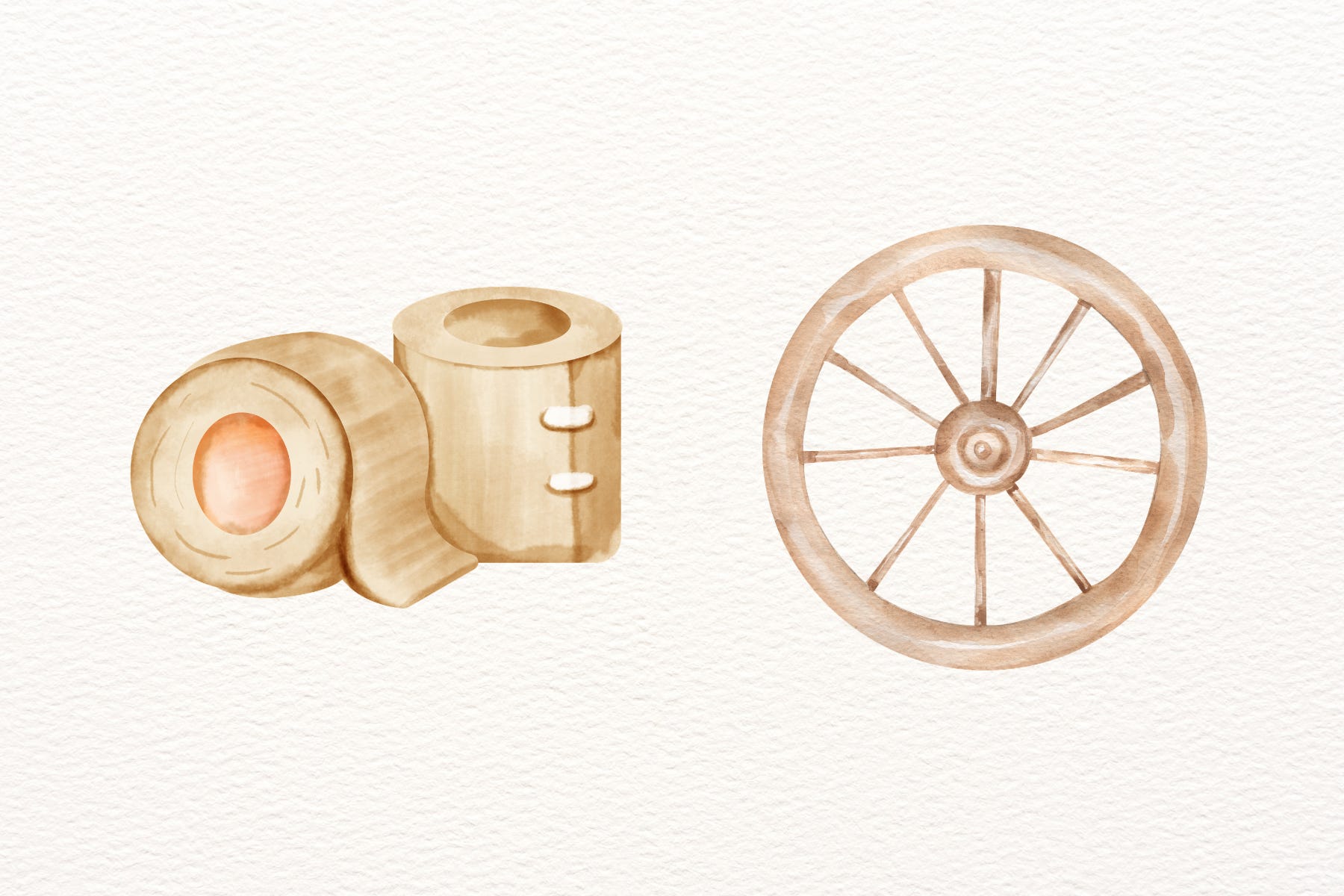
“We are not to simply bandage the wounds of victims beneath the wheels of injustice, we are to drive a spoke into the wheel itself.”
It is not enough to send our thoughts and prayers to the families who’ve lost loved ones to gun violence if we’re not going to advocate for safer gun laws and more accessible mental health care in our country.
It is not enough to care for victims of human trafficking if we’re not going to prosecute the perpetrators.
It is not enough to smile and wave to our immigrant neighbors if we’re not going to condemn their horrific treatment sanctioned by members of our own government.
Don’t get me wrong—showing compassion and kindness to those who are mistreated is beautiful and important. And some people are called to the honorable roles of literally “[bandaging] the wounds of victims” of violence and injustice. But as a society, we cannot stop there. We must hold the people who committed harm accountable—and change the systems that enabled their actions.
I feel convicted by the times I’ve chosen to withdraw in comfort rather than speak out against something I know is wrong. Something deep inside me recognizes a responsibility I have to my fellow human beings—to acknowledge injustice rather than ignoring it. To raise my voice against cruelty rather than remaining silent. To stand up for the mistreated rather than shrinking back with the excuse that “it’s not my fight.” And to reach for spokes, not just bandages, in this fight.
Speaking up feels scary because it is. We may face backlash and criticism. We may offend friends and family members who disagree with us. And yes, we may even put ourselves in harm’s way. Bonhoeffer paid the ultimate price for his courage.
Each one of us has to choose what we are willing to sacrifice to stand up for what is right. Often, there is a cost to speaking up.
And yet, I can’t help but wonder, What is the cost of staying silent?
If you’d like to encourage a friend, please share this post.
“Buy Me a Coffee” is a service that allows readers to support creators. If this post encouraged you, you can show your appreciation by offering a small contribution!
Want to receive more encouragement? Connect with me on Instagram!
Comments
Nothing yet. Say the first thing.
Sign in to join the conversation.