
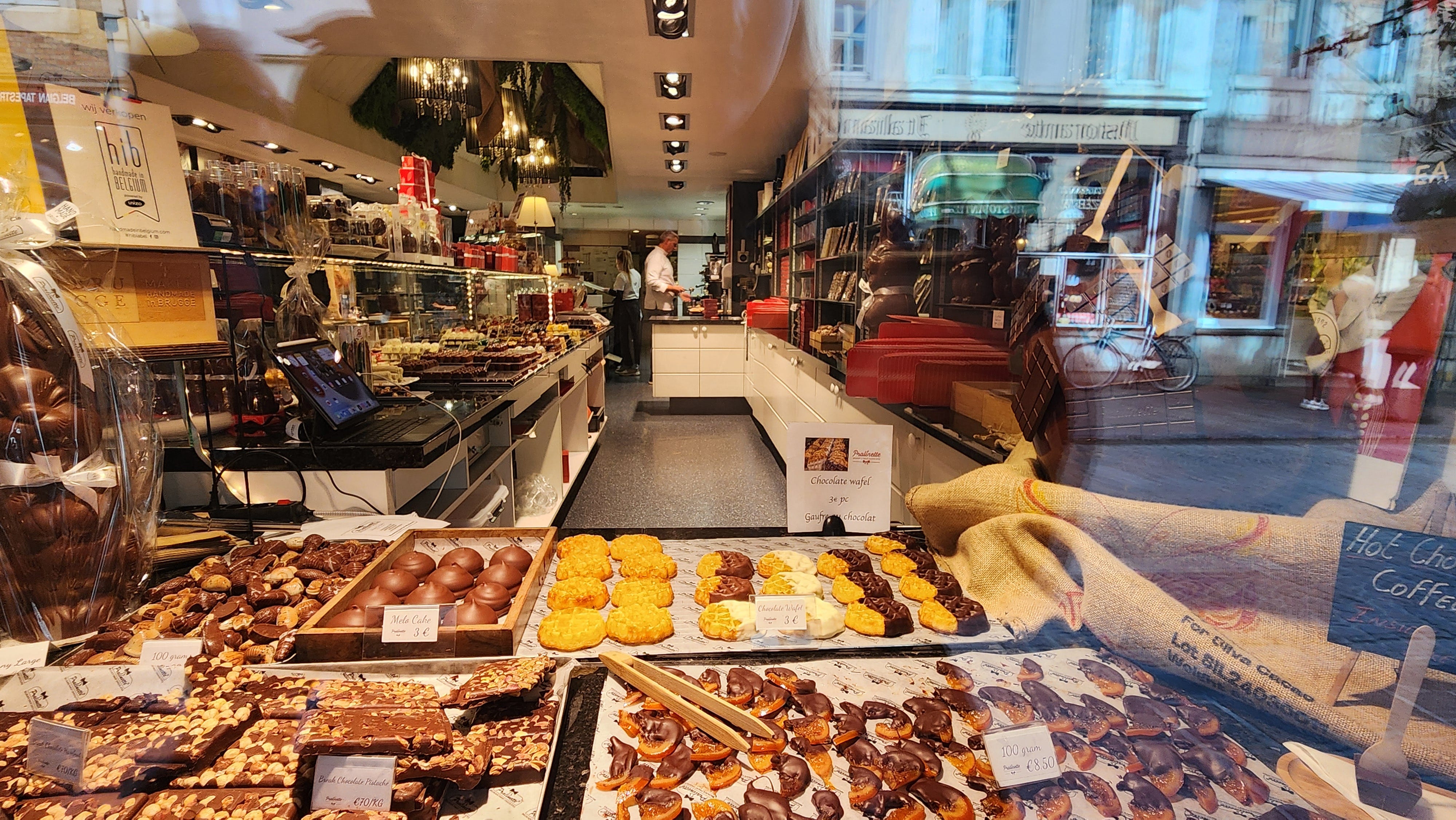
It wasn’t enough that one whole wall of this shop was a flowing liquid chocolate waterfall. Nor that the clerk was 100% correct when she told me that the ice cream created with chocolate from Madagascar tasted like “a hug on Christmas morning.” Nor had this shop turned the knob-of-awesomeness “up to eleven” just because the other chocolate ice cream available that evening - made with chocolate from Vietnam - had absolutely zero banana in it, yet upon tasting it I was delighto-violently thrust from current reality into some imagined coconut tree be-shadowed banana grove in a misty streamside garden on the Mekong Delta. Nope. Not because of that.
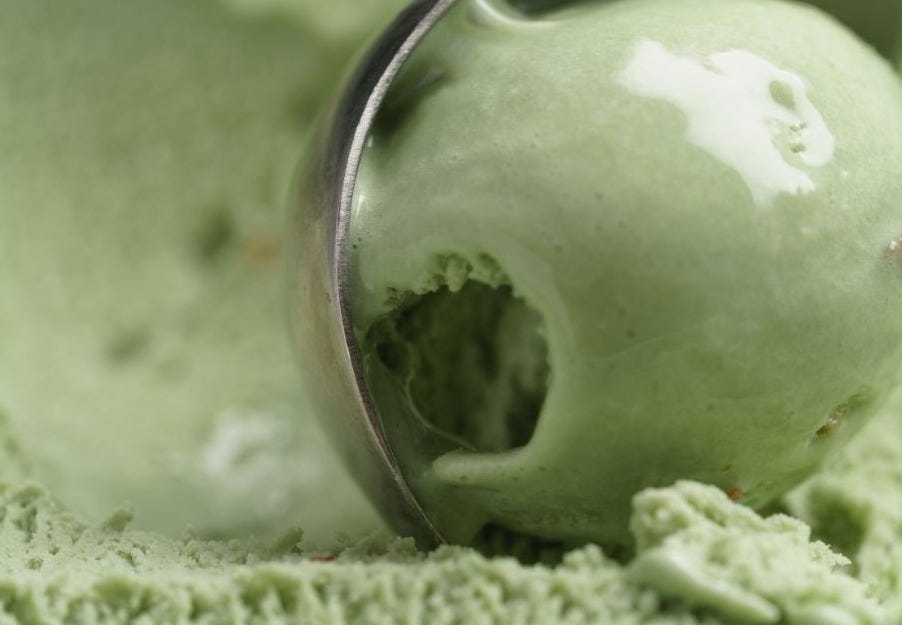
What made this chocolate shop Mt. Vesuvius-level jaw droppingly great was not the chocolate at all. It was the pistachio ice cream, glowing an odd sort of creamy-green, gently nuzzled in among the special confections of the day.
This pistachio ice cream utterly broke my will. Resting on its throne of chocolate-lined fresh-baked waffle cone, it beckoned me like a vampire king. I welcomed its silky caress. And from my lips, its million percent fat content drew the hallelujah.
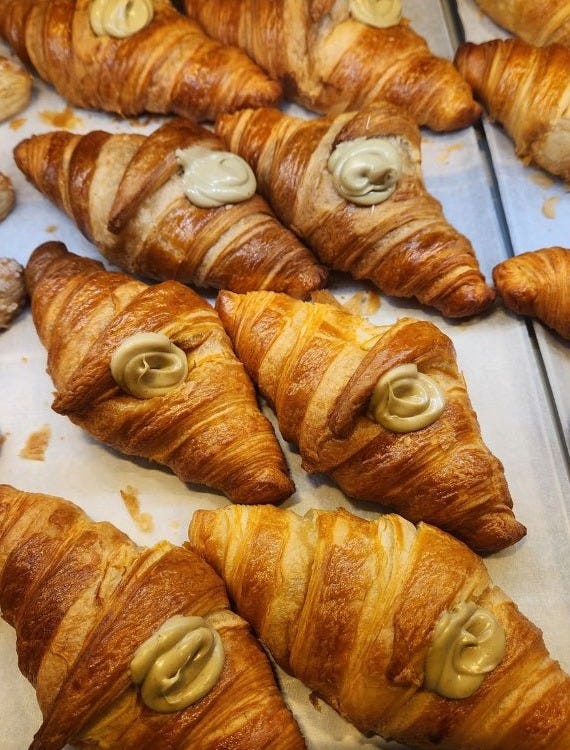
In waffle shops. In corner cafés. At the little bodega at the train station. Pistachios, it turns out, are everywhere here in Europe because of our ever-conquesting ol’ friends, the Romans. It turns out that these little hand-picked nuggets of “green gold” have continuously been cultivated for thousands of years in the region that is now Syria (another phenomenal pistachio place I found here in Brussels: a Syrian Baklava shop, featuring deep emerald green Aleppo pistachios fused by rose and orange-blossom scented syrups to the lightest of pastries…).
…
Uh, where was I? Oh yes, Brussels. The Romans. Conquest.
The Romans loved these fatty little beauties because a) they were delicious and b) they grew in rocky, dry places - a perfect match to Sicily’s volcanic soil, where they began to grow them. And thus, a love of the pistachio, traded throughout Italy and Europe, has graced the hearts of Italians ever since. Especially, it turned out, Italians who had immigrated to America.
And thus, this little nut, misunderstood by the childhood version of American me as the odd color to be avoided in a tub of five-flavor ice cream, made itself known to the adult version of American me in a way that finally made sense:
It took a move to Europe and uncovering treasures of my heritage to make me aware that when my grandpa Lino Toneatti ate pistachio ice cream, he was not just eating ice cream. He was consuming his culture.
Eating ice cream in Brussels today, I think frequently about my Italian ancestors and their love of pistachios - and as I mentioned, I especially think of my mother’s dad, Lino.
I knew that holding both a US and and EU-member state passport would allow my family the greatest flexibility in terms of future life choices. But back then - during and just after the pandemic - this was not my sole motivation.
I started looking into it because I wanted to honor my mom.
Watching my mother from afar during the quarantine, I knew she was on a mental descent. A bad streak of undiagnosed UTIs had struck her in 2020, and it seemed to have set off a major decline in her mental faculty. But since 2019 she had already been causing my dad and a few Florida heath care providers some angst. A blood clot in her leg had taken a vicious trip to her lung, but not, we were all assured, to her brain. But immediately after that medical incident in 2019 my family knew that the woman we now beheld in that pre-Covid hospital - emotional and confused - was different from the funny and curious lady who’d gone in. “She’s probably just being affected by the blood thinners,” they said, “It’ll likely settle out.” It didn’t.
So I found myself in that challenging year of 2020, isolated from my ailing mother, scrolling through my 10 million emails I never seemed to clean out of my Gmail account. There I discovered some of my earliest indications that something in my current life was out of balance: dozens of unopened emails my mom had sent me over the years. As a CEO, I was just too busy to read all of my mom’s emails. I’d just read them later, right? Acknowledging the disrespect and lack of care I had shown as a daughter hurt.
As my mom tumbled further into dementia, these emails became like sharply cut, precious jewels to me. Messages to treasure. Messages to trigger grief.
In them, I found she’d copied me on correspondence with a lady from the local orchestra where for years she’d played violin: Fiona, mom’s Irish friend.
Here were bits of genealogical mysteries.
“Fiona, my grandfather is buried in Budapest, he’d been murdered and thrown into the Danube just before the Soviets came in in 1956. When you visit can you see if you can find his grave?”
Here were pieces of our family puzzle.
“Hi Fiona! I put together this family tree for you in case it helps! My grandfather was Eduard, here is a picture. He was born out of wedlock to my great-grandmother Susannah, and took her last name. I’m just scandalized! (ha ha!)”
Here, in these unopened emails, I found an adventure that my mom had started and never finished. I simply made the decision to finish it for her.
During the pandemic I’d get her on the phone and chat about it. Once it was possible, I made my way to Florida, and we dug into my parents’ old filing cabinet together. I saw that my mom’s long term memory was more intact than any other of her experiences (“Covid? What’s that?”). With her permission, I returned to my home in North Carolina with her old photos and documents, and kept working.
These all remain with me still, here in Belgium, and will accompany me and my family to our citizenship ceremony in an embassy in Brussels next month.
My mom passed away in 2024, but in this unexpected way, she will not be lost.
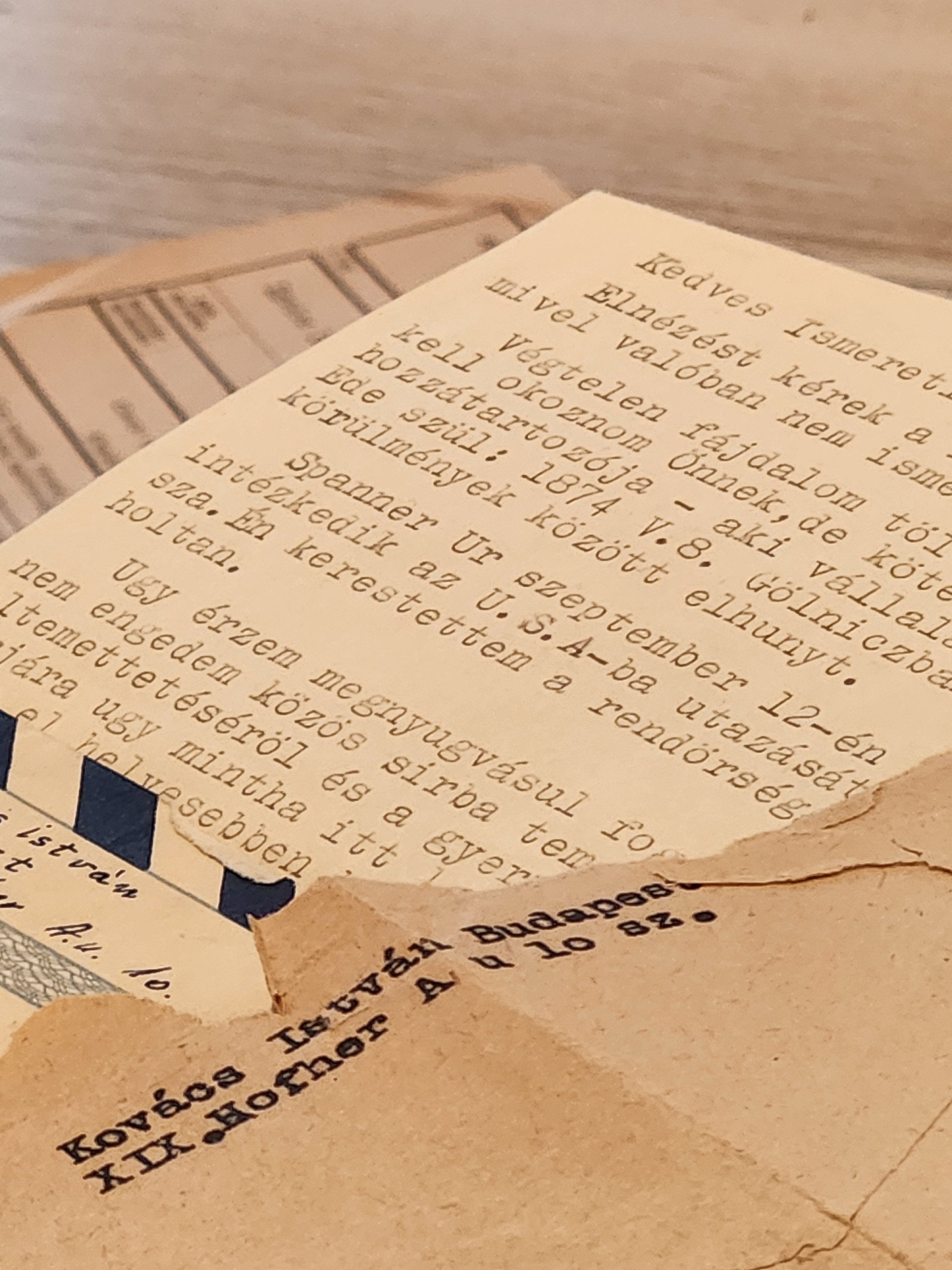
In picking up this project, I found a secret doorway into the mind of my mother, and in going through it, we were able to be together again in all our fullness. The stories of her family from her well-remembered early life, including memories of her Italian father, Hungarian mother, cat-loving aunt, beloved brother, and multicultural neighbors on the Queens street of her childhood, were all shared beautifully with me, even if just in short bursts, in details as rich and sweet as any pistachio cream-filled treat.
In witnessing these pauses in my mother’s mental decline, I saw that her sense of self was recovered through journeys into the past (especially as she recalled her Peace Corps adventures from 1962 to 1964 as a teacher of girls in Nigeria). I knew for certain that I, too, who might also someday face the challenge of dementia, would set forth on memory-making adventures of my own.
I began to see that wild instincts might just run in my blood - back to my great-great-grandmother Susannah, who in 1874 gave her fatherless son her own last name; her boy Eduard, who raised two girls alone and crossed an ocean twice before being swept up dramatically in a revolution; his daughter Irene, who worked while going to night school and raising a family and completing a college degree in her 60s, when people rarely did that kind of thing; and her child, my mother Barbaralee, who fell in love with Africa in her 20s and went to seek her heart’s desires there, a desire that even the cruelest of nature’s machinations could not crush 62 years later.
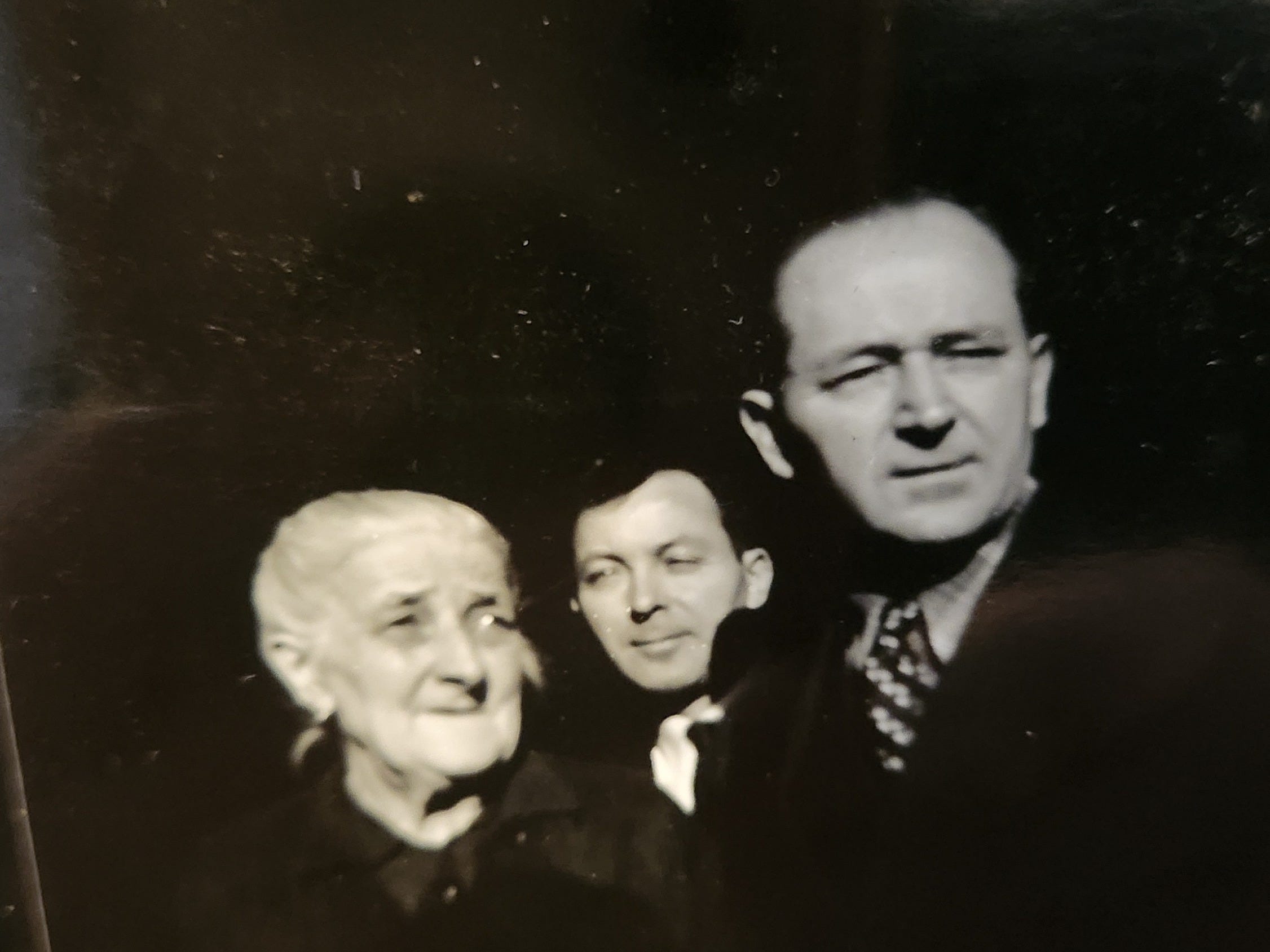
As you consider leaving whatever it is you think you might like to leave, I encourage you, as I have done, as my mom did, and as my ancestors did, to go for the fat. Relish in weighty, sweet, rich, and precious things: family stories, intimate moments with your loved ones; and yes, consuming cultural totems like pistachio ice cream. Enjoy them as often as you can as you plan, and then step outward on your journey.
These things have some magic to them: they will sustain you now, connect you backward with your culture, and perhaps even bring you forward into the light if you ever lose your way in the far-flung future.
Thanks for reading Elizabeth's Substack! This post is public so feel free to share it.
No posts
Comments
Nothing yet. Say the first thing.
Sign in to join the conversation.