
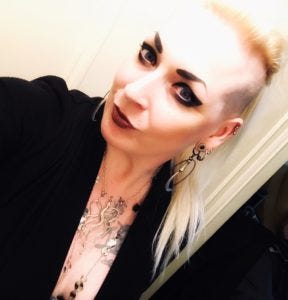
Donna Lynch is a three-time Bram Stoker Award-nominated and Elgin Award-nominated dark fiction poet and horror author, spoken word artist, gallery curator, designer, singer and co-founder—along with her husband, artist and musician Steven Archer—of the dark electronic-rock band Ego Likeness (Metropolis Records).
She teaches dark poetry workshops, and speaks on panels, symposiums, and podcasts about all aspects of the horror genre in literature, art, film and television.
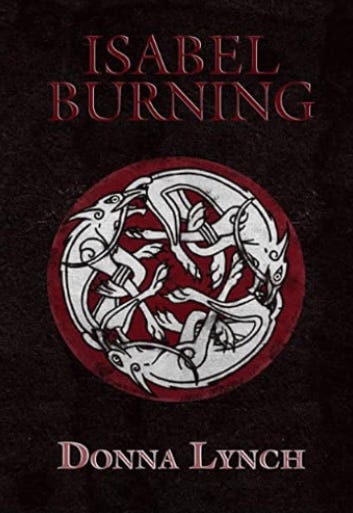
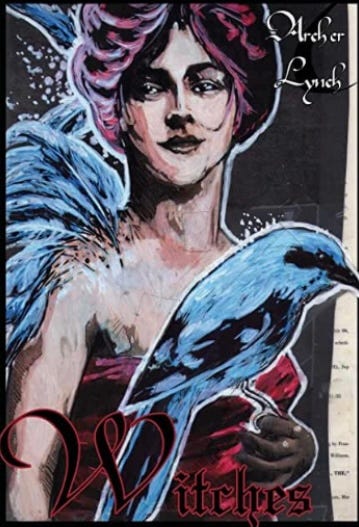
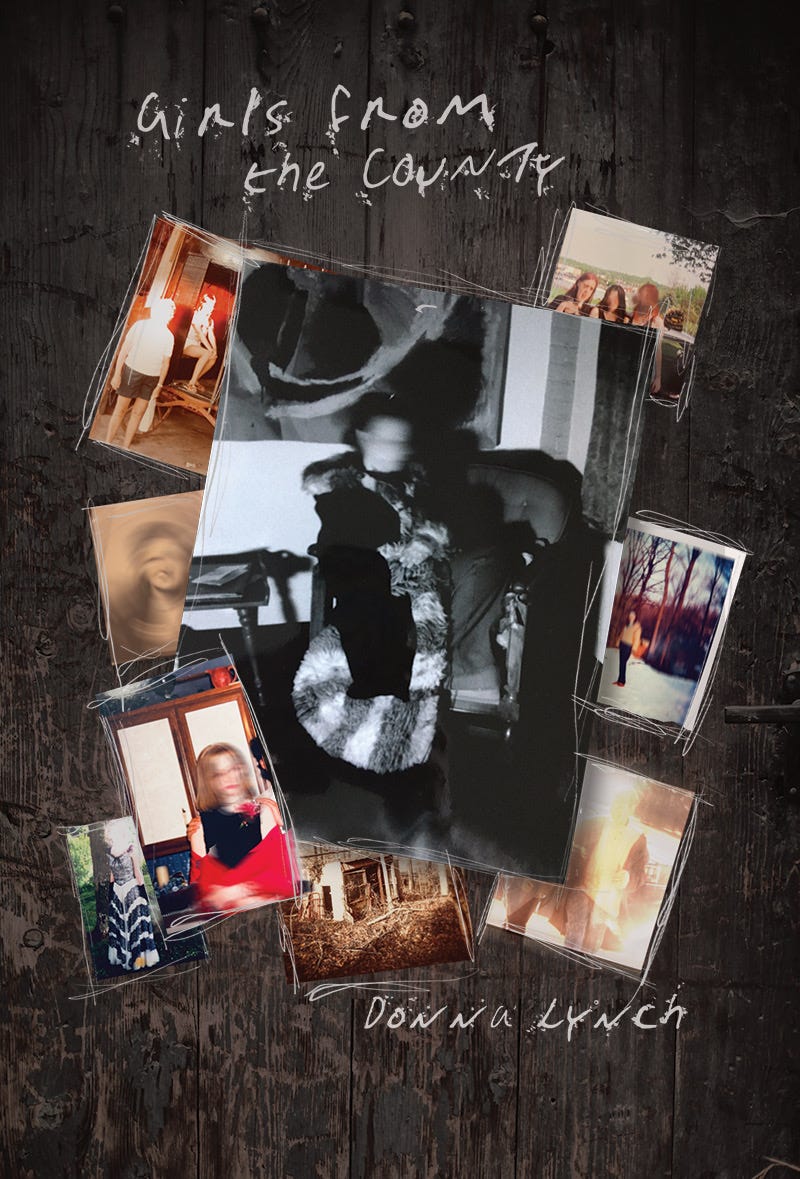
Her published works include the novels Isabel Burning, and Red Horses; the novella Driving Through the Desert; and the poetry collections In My Mouth, Twenty-Six, Ladies & Other Vicious Creatures, The Book of Keys, Daughters of Lilith, Witches, and the Ladies of Horror Fiction Award-winning Choking Back the Devil, and Girls From the County (Raw Dog Screaming Press).
Her work, both poetry and short stories, appears in numerous anthologies and publications, including Under Her Skin and Into the Forest (Black Spot Books), Found: An Anthology of Found Footage Horror and Howl (BSB).
She has also written non-fiction essays on dark confessional poetry, including “Writing the Wound” featured in Writing Poetry in the Dark.
In 2024, she completed a US cross-country, 16 city spoken word tour.
She is the founder of the Garbage Witch clothing brand, part-time tour manager, travel photographer, avid cross-country driver, and geography fanatic. She and Steven live in Maryland.
As always, thank you to Candace Nola from Uncomfortably Dark Horror for partnering with me on this interview series!
How long have you been writing? What brought you to it, and what are important highlights of your writing journey?
I wrote my first horror shorts in the second grade. I still have them! In the stories, there was always an unknown entity at the door or in the woods. And one with a witch that turned me into a bee. In the third or fourth grade, I wrote a short story called “A Trip to Transylvania” which I’m pretty sure broke many copyright laws.
In high school, I had to have a talk with the guidance counselor for my submission to the school literary magazine, but my friend was one of the editors and she made sure it got in.
What kind of horror do you write? What brought you to the horror genre in particular, and what keeps you around?
I’ve written two novels, a novella, and short stories, but poetry (8 collections) is my forte. I love and write a pretty wide range of horror sub-genres : body horror, personal trauma and psychological horror, folklore—especially witches and malevolent entities, and for reasons unknown to me, cannibals.
I’m currently obsessed with the Wendigo and skinwalkers.
I was a very emotional, anxious child. Scared of the dark, scared of strangers, scared of shadows, everything was haunted as far as I was concerned. I had a love/ hate relationship with scary books—like when it’s so upsetting but you can’t turn away.
And horror movies, even the TV trailers, were more than my little brain could take.
I Stockholm Syndrome’d myself with horror stories, forcing myself to look at scary pictures, and as I said, writing them from day one. I could handle the books, even when they gave me nightmares. I did it to myself on purpose, undoubtedly as a means of control.
I didn’t enjoy a horror movie until I was 13. It was The Lost Boys, which was a good way to ease in, essentially being a horror-comedy. But the thing that grabbed me was the idea of being enthralled by the monster. Though I later realized that my first vampire crushes weren’t David and his crew, but George Hamilton’s character in Love at First Bite. If you know me at all, you know how much that tracks. For a horror aficionado, I’m unabashedly ridiculous.
Can you tell us about your books?
My most recent releases were poetry collections, both Stoker-nominated, ‘Choking Back the Devil’ and ‘Girls From the County’ (Raw Dog Screaming Press). I was also honored to have short stories in the ‘Howl’ and ‘Into the Forest’ anthologies from Black Spot Books. Short stories are a challenge for me, but I’m enjoying the process.
What piece of writing is the most meaningful to you and why?
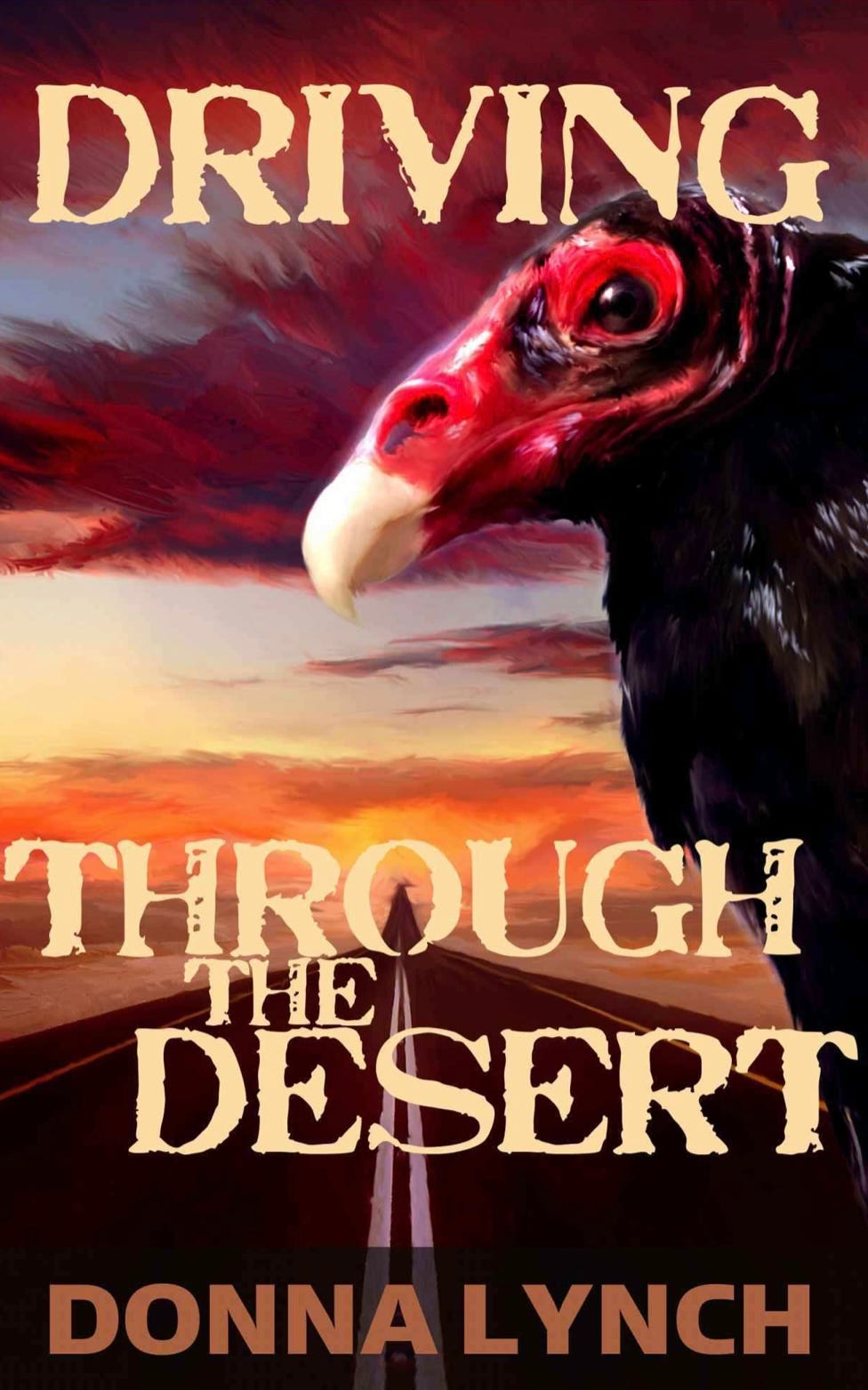
Of my own work, I think ‘Driving Through the Desert’ holds a special place in my heart because it played out like a film in my head, and as I wrote it, it was like I was just transcribing the scenes as I watched them unfold on the screen. I even heard the voices and the score. I haven’t had that experience since.
And ‘Girls From the County’ is an intimate piece of my soul, my history, and my sisterhood. It was, so far, the hardest collection to write. Sometimes I think I want to go even deeper, but I might be too afraid.
As for other writers, Dorothy Parker is an inspiration AND the voice of my greatest insecurities. It’s a very complicated parasocial relationship.
Are there any other works or writers you think we should be reading?
I could give you a big list, but there are many big lists available.
If I had one wish, it would be for men to pick up and share more works by women. Especially with horror and dark poetry. It’s rare to see mentions or reviews from men, and I would love to see more people—especially men—decide to try something new, or come at the genre with fresh eyes. “I’m not really into poetry” is a sentence I’m so tired of. You don’t have to enjoy mine, or anyone’s, but please just read some. Read more.
And men—please talk about it.
Are there any unique challenges you’ve faced in your writing journey?
I contracted Lyme Disease over a decade ago and still test positive for it to this day. It altered parts of my brain and it’s incredibly hard to read. The words move on the page and I have to read every sentence multiple times to process it.
It breaks my heart, because reading was a great joy and now it’s nothing but a source of stress and frustration. I feel like an outsider in writer’s circles because I can’t be part of the contemporary conversation.
And when I write, I leave out words, and jumble grammar, like I’m using an ineffective shorthand. I owe everything to editors.
I’m not ready to give up yet. I may be slow and inelegant, but I get there.
What are your thoughts about being a woman writing horror at this particular moment in history? What challenges do we face?
As I mentioned above, I think we are passed over by a lot of men because of the assumption that we can’t be horrific enough.
And if there was ever a time that women could understand horror, it’s now, as we’re on the precipice of losing basic human rights.
Of course, I truly believe women have always understood horror in a way that men can’t. It’s all around us, every day, and has been so in every century. There are monsters everywhere.
Instagram: @d_note_
Bluesky: @donnalynch.bsky.social
Mailing List: Ego Likeness // EgoLikenessband.com
Comments
Nothing yet. Say the first thing.
Sign in to join the conversation.