
A couple of months ago, I went to Senegal on a creative jewellery course with a hilarious group led by artist and friend Laia Varela. We were a motley crew, ranging from those in their seventies to me being in my late twenties. I’d never been to this welcoming country before, and loved the experience.
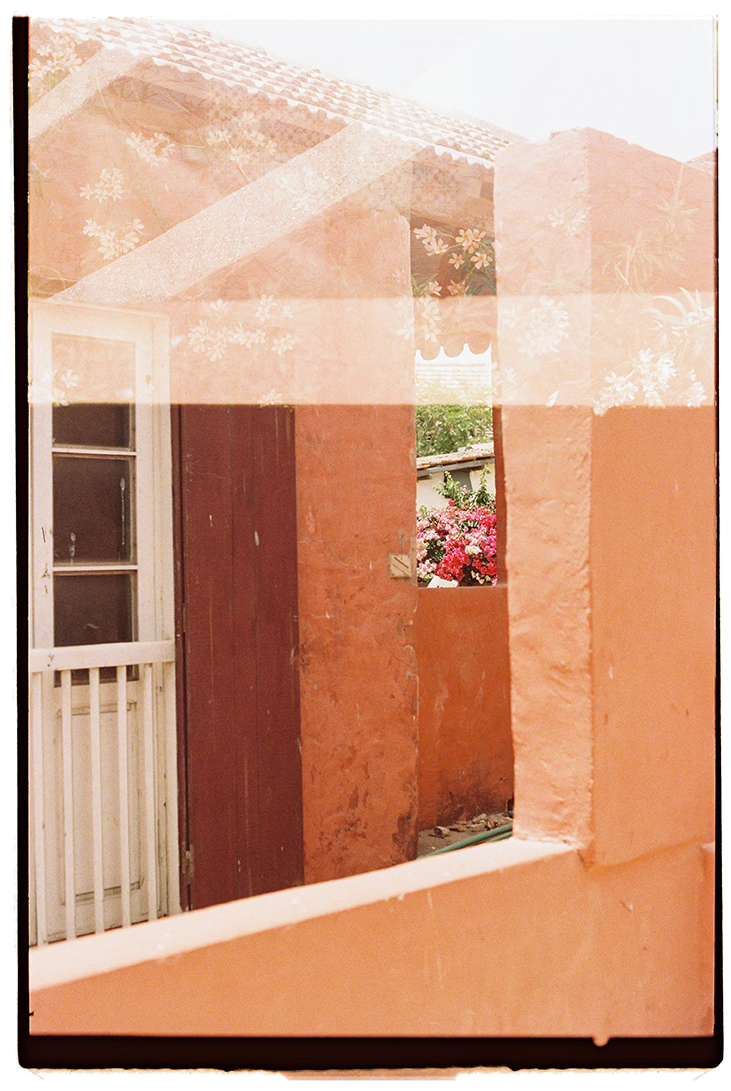
We first landed in Dakar, the capital of Senegal. We started our day in the calm and open patio of the hotel. It was beautiful and peaceful, tinted in warm colours, with wooden shutters and geometric motif tiles in ultramarine blue. A lovely little fountain was placed in the centre, whispering the relaxing sound of the water dripping over the water lilies. The rooms were organised around this courtyard and above us, balconies framed the space, with hanging pots full of plants.
The city is absolute madness, something seems to be going on every single second. Its streets are full of life, above all the market stalls. Hundreds of accessories and clothes, food, furniture and even cattle. The traffic is a state and I can’t help thinking that driving here must require quite a lot of patience. We sat in a taxi and struggled to make it to our destination: Gorée Island.
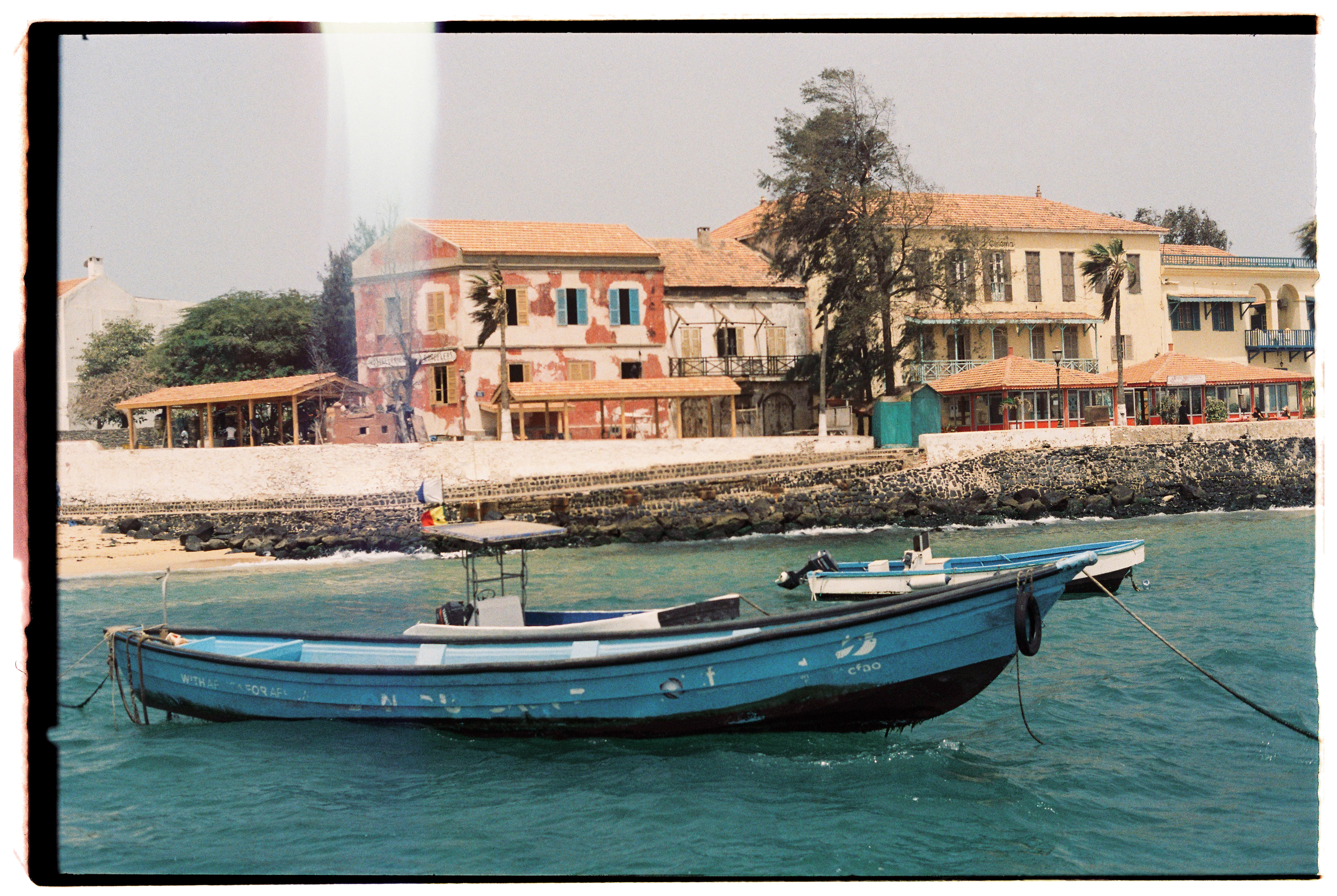
The tiny piece of land is picturesque and is filled with bright colonial buildings — but the story they unfold is quite the opposite and much darker. Named a World Heritage Site by UNESCO in 1978, it is a homage to all those who suffered from the transatlantic slave trade. Families would be cruelly separated in different cells and await the worst: to be chained through the “Porte du voyage sans retour” — the door of no return, off to America or to death.
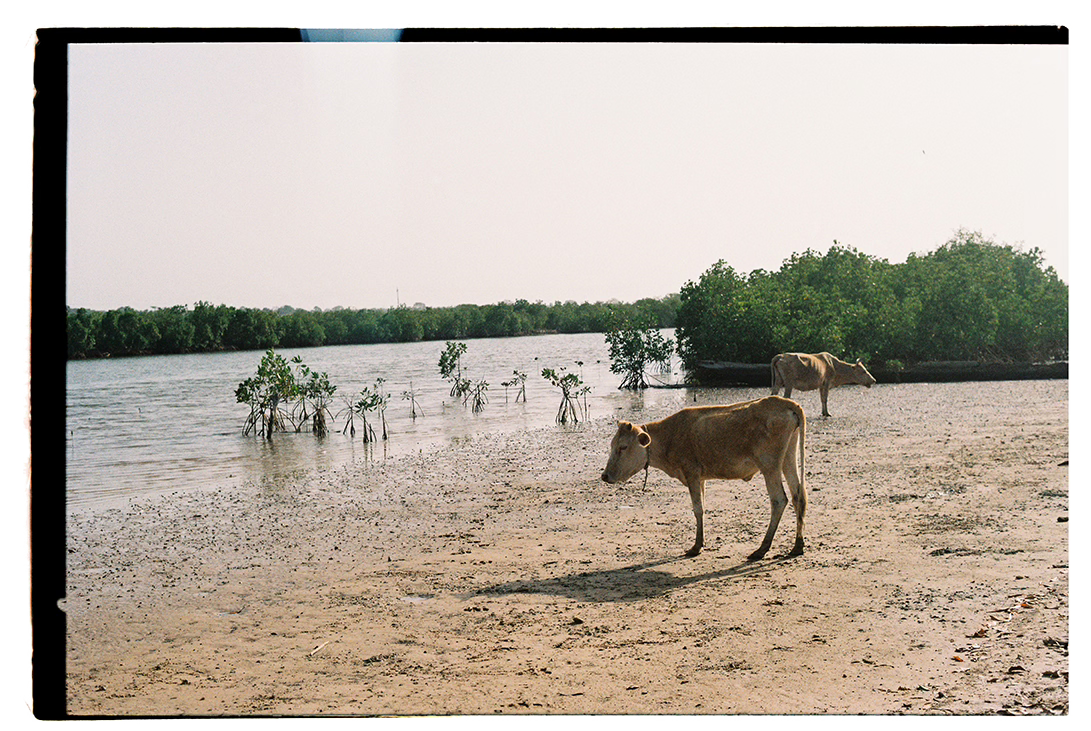
For the creative jewellery trip, we travelled to the region of Casamance — on the south west coast, below the Gambia, to a small village called Diakène Ouolof. It’s a green area full of mangroves. Oysters grow up their roots (we once had them barbecued), herons fly above their treetops and crocodiles hide between them. The rich mud of the mangroves is also used as clay for ceramics — we learnt this from Antonia, a local artisan from Edioungou with whom we did a workshop.
The half five prayer and the cockerel and the rest of the animals hanging around our camp made it impossible for me to sleep at all my very first night. Luckily enough, my roommate had spare earplugs, which helped me block out most of the noise. A couple of nights later, though, we heard the Kankourang — a masked mythical being from Mandinka tradition, who carries a machete and whose purpose is to cast out evil spirits from the village. It was funny, in a nerve-racking way — only because we knew that they wouldn’t come into anyone’s house. And the most hilarious part was that, coincidently, it came back the following night.
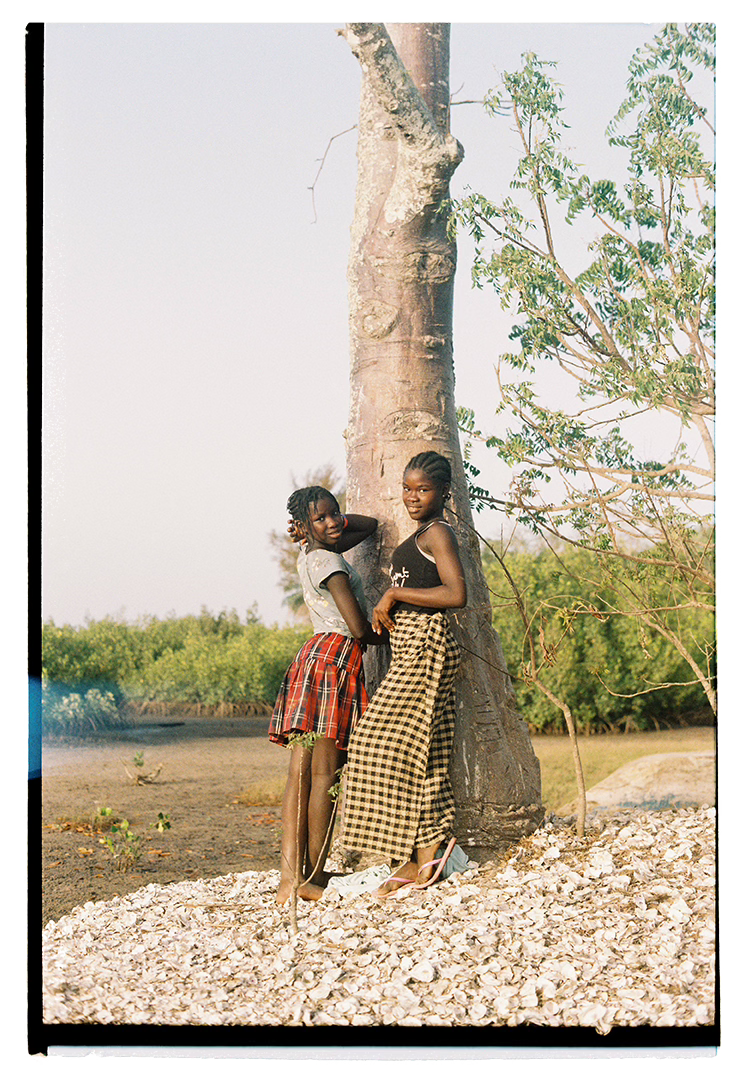
Everyone there is handsome. Both men and women have athletic bodies, long, slim and fibrous, covered in elegant twin sets. There’s even something in the way they walk, slowly and gracefully — they’re also incredibly talented and extravagant dancers, I later found out. Their skin has a beautiful soft and shiny black shade. Long lashes fan open above their dark, almond-shaped eyes. Their full lips pronounce words in French (the only official language), in Wolof, the lingua franca, in Jola-Fonyi in Casamance, in Arabic, due to the country’s large Muslim population and in English, which is taught as a second language.
Amongst all the markets we visited, my favourite one was the artisans’ one in Zinguinchor, the capital. I asked them, with my very average French, when they learnt the craft, who taught them and how long it usually took them to make each piece. It’s a lifelong profession they’re devoted to and everything is handcrafted. But above all, I’d say they were determined salespeople. We did our first workshop with an artisan named Omar, and made a brass bracelet with his help — he impressively and seamlessly hammered it into shape.
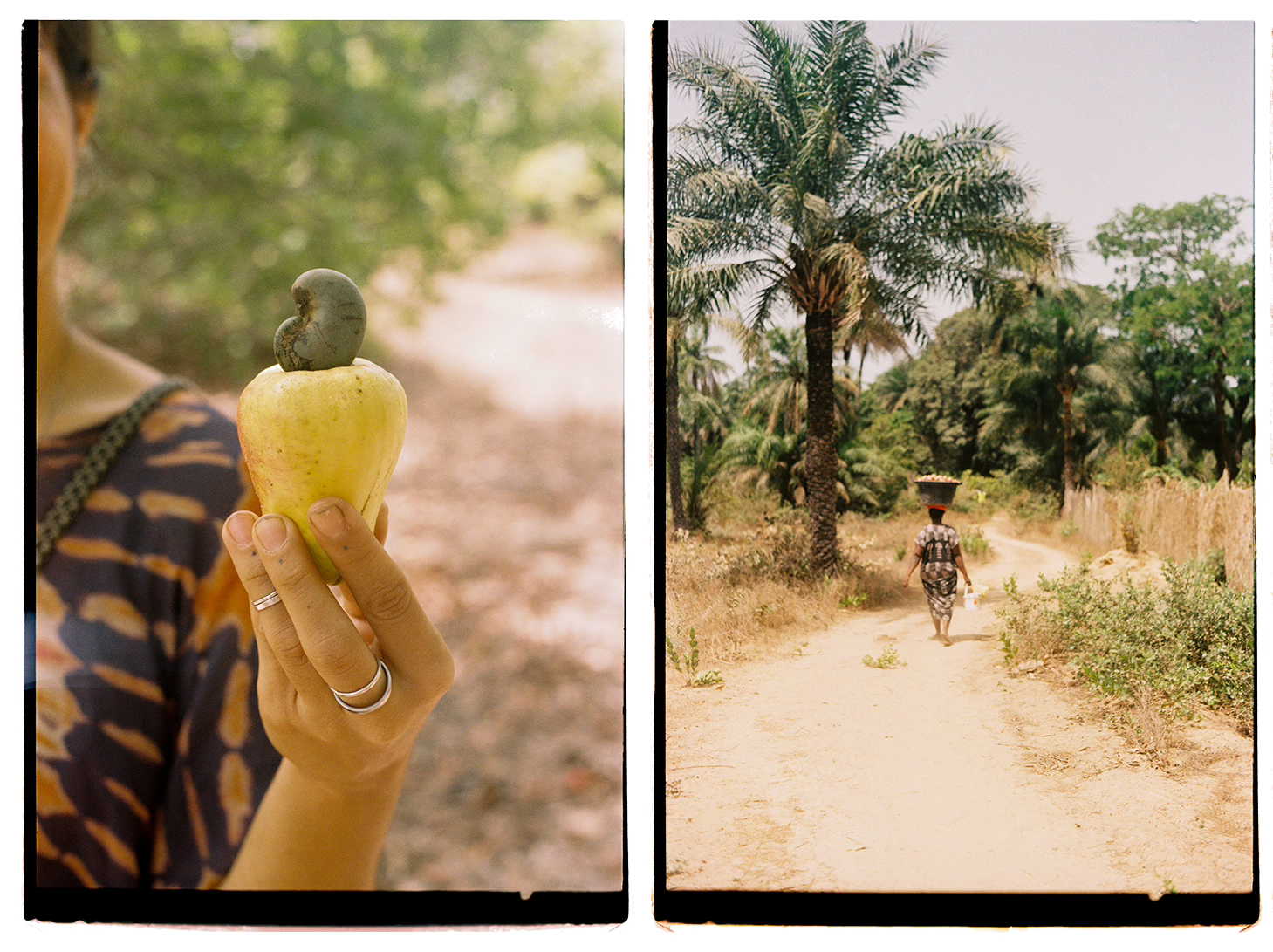
One morning, we took a stroll around the village garden, a shared space with orchards and veg patches. We collected cashews to roast the nut, but the fruit itself, which strangely grows up from the cashew, can be used to make jam. Sharing is a core value for Senegalese people, hence why families eat from the same big platter — as we did. Thieboudienne is the national dish and it has rice and fish with vegetables. I also loved the Maafe stew — a lightly spiced peanut sauce, also served with rice and chicken or beef. Another magical ingredient I found about was the pulp of the baobab fruit, which can be used to make tea, and it helped settle my upset stomach.
One of my favourite visits was to Oussouye, where we met basket-weaving women with physical disabilities, and they taught us how to craft wicker medallions. I found it really moving. Sally was my teacher and her daughter and I, she told me, share our name. Weaving was extremely difficult, and I only got better at the end, when using a different colour which allowed me understand the steps. Bless Sally’s patience.
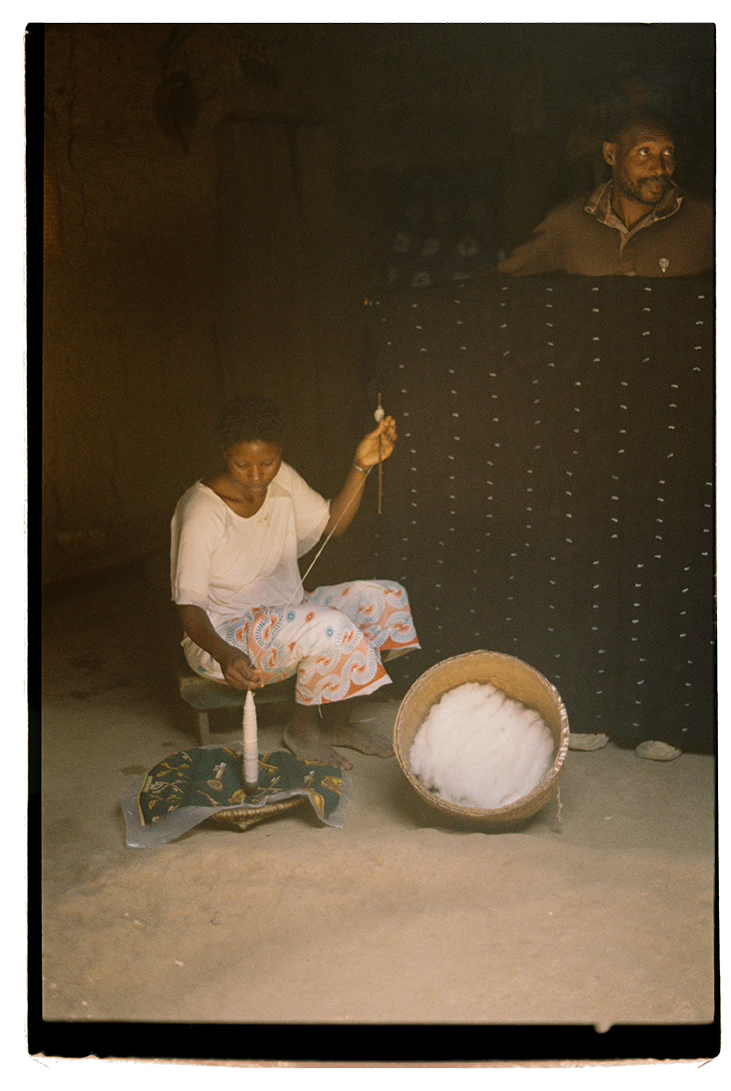
Eloubaline was well worth the visit, too. We had to take a boat to get there, and we deeply appreciated the gentle breeze under the burning sun. Around six hundred people live there, in the traditional Impluvium cabins. Their structure is made from adobe and the roof, which has a central hole to collect water and to light up the room, is made from straw. Most inhabitants are animists (a spiritual belief that attributes a soul to all living beings and even inanimate objects) and they make a very modest living out of fishing and rice farming. They also harvest, spin, weave, sew and tie dye cotton in indigo blue to make a traditional cloth which I found really elegant.
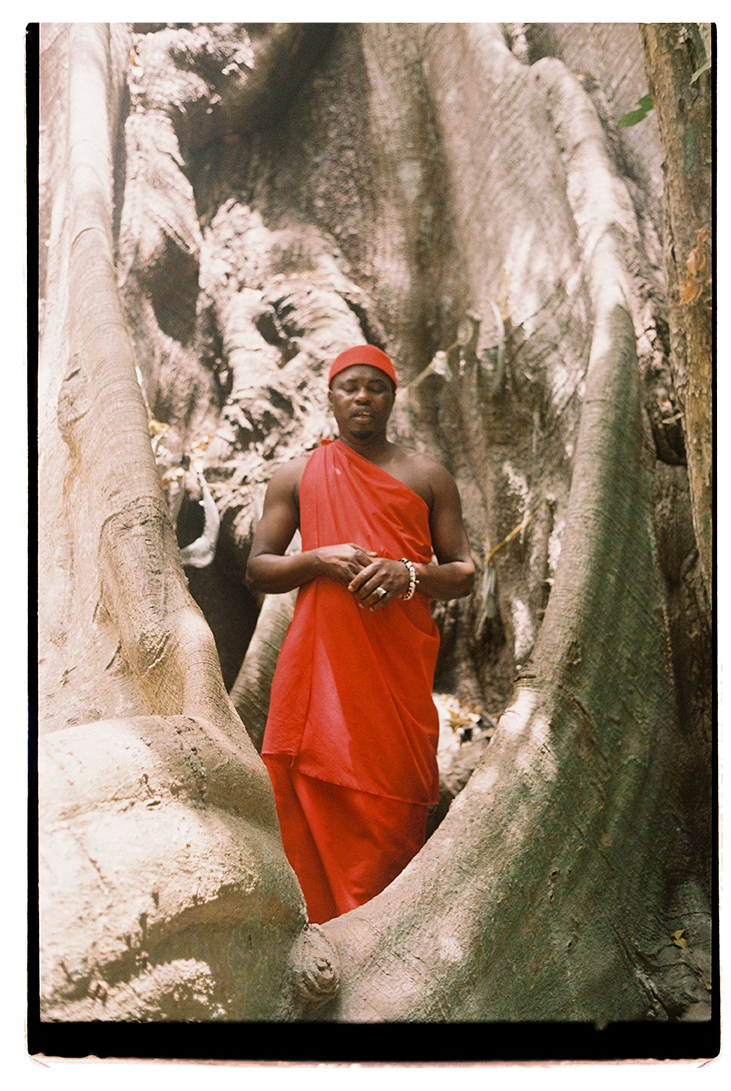
Learning about the Diola people, an ethnic group in the area, was fascinating. We went to the Diola Museum in Boucotte, the museum being in the woods themselves. Surrounded by magnificent and enveloping Ceiba trees, our charismatic guide who dressed in bright red explained many things about traditional rituals, animism, religious fetishes and showed us farming and kitchen tools. He even skillfully climbed a palm tree to demonstrate how they collect its wine. At the end of the tour, he tested our newly acquired knowledge — a test we managed to pass.
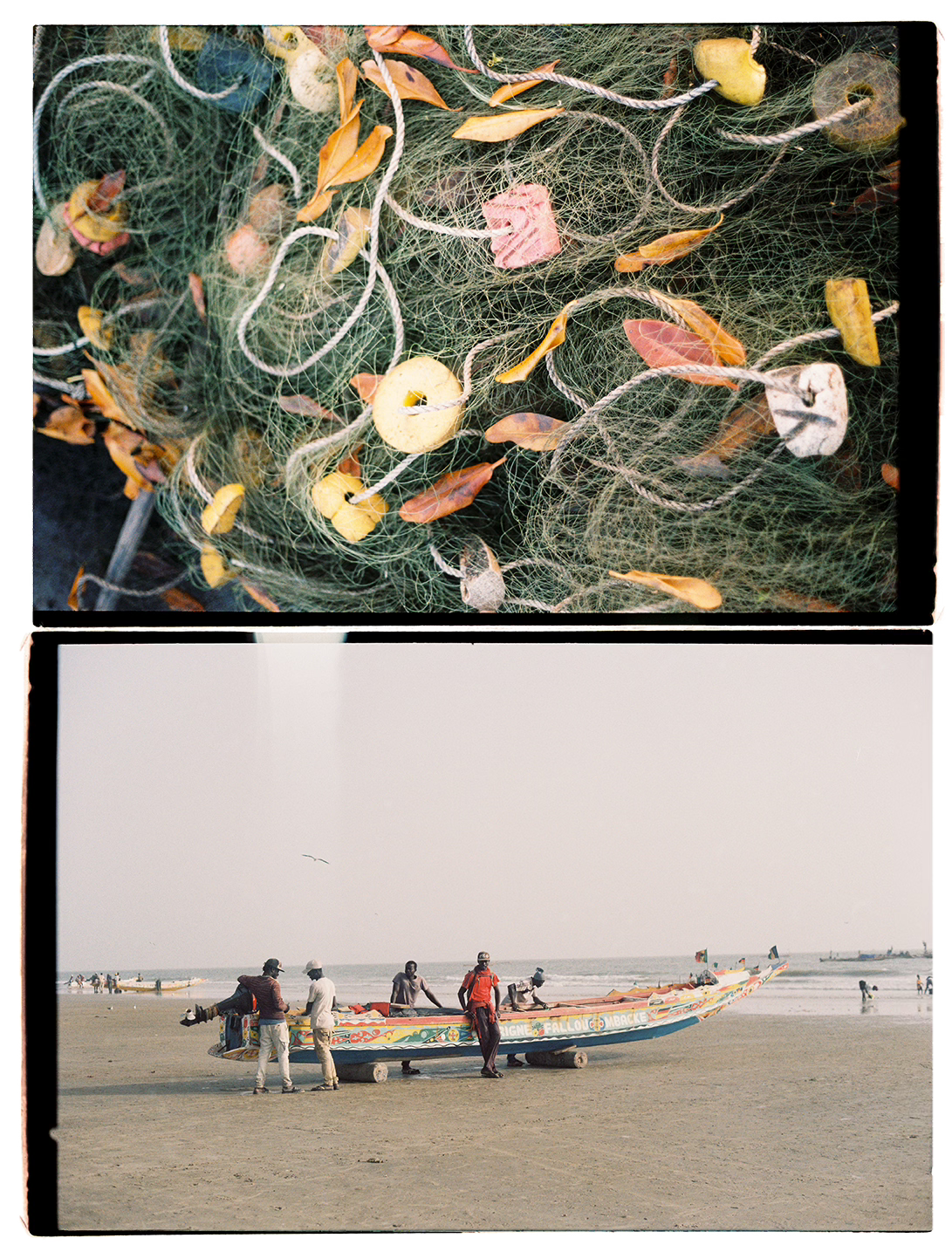
The end of the journey already lingered on the horizon, always arriving too soon. Having a delicious lunch in the bay of Boucotte, under the swinging palm tress, surrounded by the peaceful sound of the Atlantic sea and stepping on its orange-coloured sand, reminded us of that. From there, Laia and I walked along the coastline, down to the fishermen’s beach at Cap Skirring. The scenery was beautiful, birds taking off, vanishing into the light, and we came across a couple of cows before watching the striking view of hundreds of fishermen around their colourful boats on the seashore.
On Friday evening, we raised one last toast under the fading light of Katakalousse. I remember the bright buttery yellow of the defined sun jumping out from the beige sky. Lamin took us back to the airport across the bumpy roads in his 4x4, two of us next to him and seven behind, suitcases loosely stuffed above us.
One last glance at the mangroves and the brown rice fields which would turn green in September, after the rainy season, was enough to make me miss this magical place and its joyful people.
No posts
Comments
Nothing yet. Say the first thing.
Sign in to join the conversation.