
Hi there, Friends!
First of all, let me say Wow and Thank You to those of you who felt strongly enough to respond to the question I posed in my May 18 update. I think I received more phone calls, texts, and emails on that subject than from any other post to date!
The overwhelming response was – and I’m paraphrasing here – If it happened, leave it in!
A lot of provocative discussions and rabbit-hole diving resulted from your responses and suggestions! One of the most interesting was courtesy of a subscriber (Hi, Barb!) who shared an excerpt from an Associated Press article she read about the memoir, Once More We Saw Stars by Jayson Greene.
In the memoir, Greene discusses the sudden loss of his young daughter, which obviously carries with it some dark and challenging material. However, as explained in the article, Greene recognized the importance of protecting the reader through those tough sections, making sure the book was “bearable and readable.”
In the article, he explained:
“I think that there were books I opened up where I didn’t feel safe with the narrator. I’m stepping into this person’s wound rather than into their story, and it felt dangerous in a way that I was careful to avoid.”
Have you ever turned off a movie part way through or stopped reading a book because you just couldn’t stomach the gratuitous violence or take the emotional toil any longer?
If so, it is likely because the director or writer brought you too far into the wound and not far enough into the story.
It’s a delicate balance. Most audiences – readers or viewers – will accept at least some blood and gore when the story is strong enough. Just look at the success of Game of Thrones.
Stray too far from what’s necessary to tell the story, though, and most people are completely turned off by those explicit images.
(Audiences are also intuitive enough to realize whether a scene is driving the plot forward versus merely offering shock value and/or securing an R or TV-MA rating.)
I had never intended to spell out the “gore” of what Rose went through. This isn’t because I wanted to pay homage to Shakespearean drama, where violence happens off stage. And admittedly, I wasn’t previously motivated by the noble purpose of keeping my readers out of the wound.
I simply don’t like when other authors are overly explicit in their books, so why would I be that way in my own?
However, after delving into the psychological aspects of reading, I am acutely aware of keeping my readers safe from harm as I write and revise. I pledge to protect you, Dear Reader! (takes Wonder Woman stance)
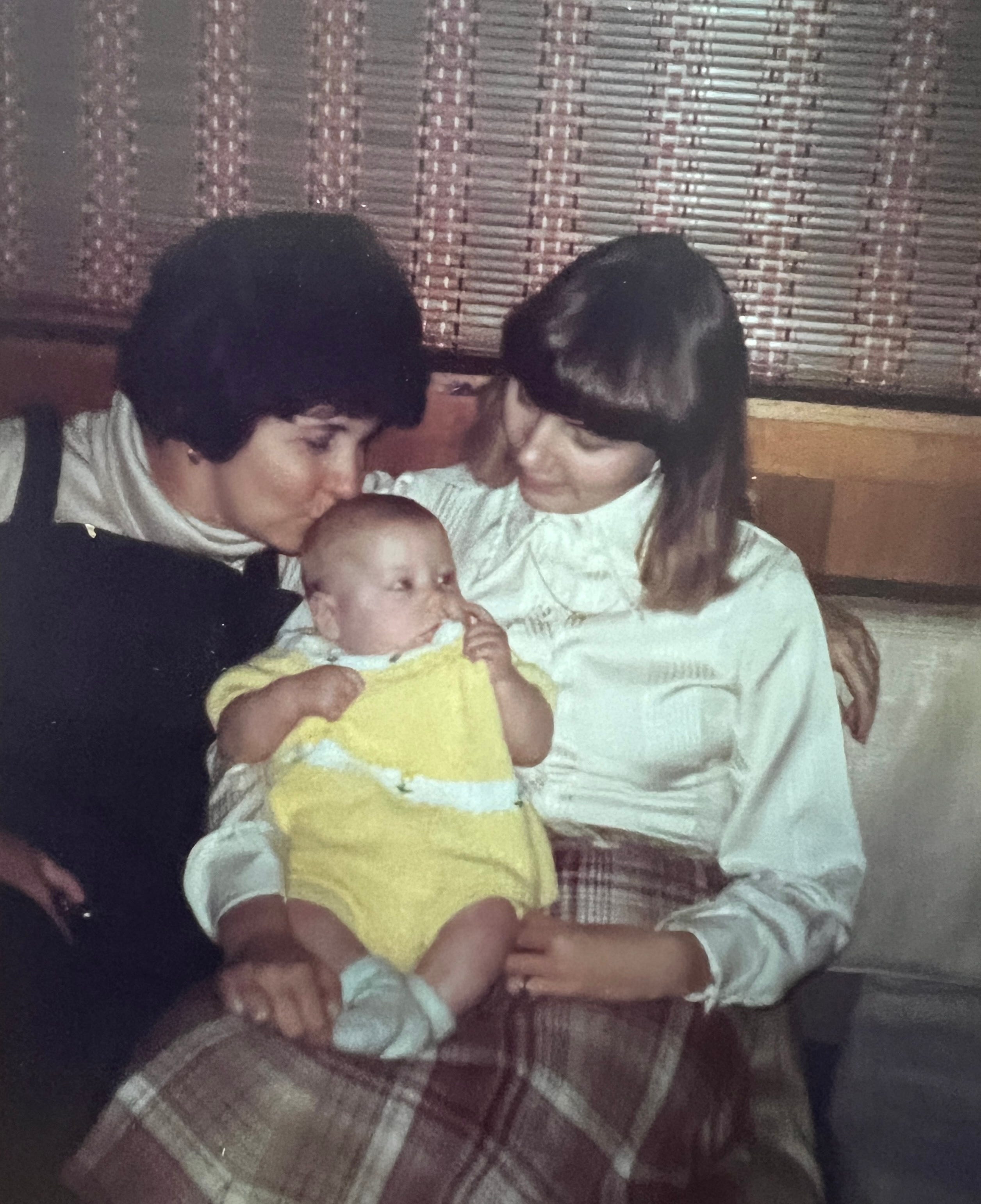
In exploring this psychology further, I learned that there is a biochemical response that occurs in our brains when we read. Our brains react the same way when reading heavy scenes as they do when living them!
My mother studied special education and then art therapy and was a reading specialist for many years, so I spoke with her about this phenomenon.
She told me about bibliotherapy, in which a patient is “prescribed” certain reading – fiction or nonfiction – that relates to that individual’s personal trauma or concerns.
As any avid reader already knows, reading can improve a person’s outlook and alleviate anxieties! But more than that, it can be quite healing for someone who is dealing with a traumatic experience.
Just like “being in the wound” can harm readers, vicariously experiencing healing from wounds can help readers!
This is all very affirming, since part of my “why” for writing Rose’s story is to serve as inspiration for anyone who might be dealing with similar circumstances. While there are some heavy scenes in my book, there are lighter ones too, and I want readers to reach the end with a sense of hope and satisfaction.
Any writer understands how precious a phrase or scene can become. Those pieces become your little darlings. Stephen King popularized the term Killing Your Darlings (which was coined hundreds of years ago) in reference to the need to sometimes eliminate those beloved little pieces of your writing from your work-in-progress.
I have been reading and studying story structure (more on that in a later post) and I had a bit of an ah-ha moment about my plot. I had been stuck for a while, but then it dawned on me that perhaps I started Rose’s story too early. I did quite a bit of rearranging, which led to a lot of cutting.
I couldn’t bring myself to truly delete everything, though. Because I don’t know whether or not this rearrangement is going to be the best solution, I didn’t want to eliminate my hard work only to have to recreate it later. So, I opened a new Word document and named it “Holding Spot,” and then cut all of my little darlings from my main document and pasted them there. (Hence, the dual word counts above.)
So, I did not actually kill them…. They’re just in a writer-induced coma for a while. I’ll revisit them at some point to see if any should be awakened or if I should pull the plug completely.
In addition to taking time to learn about protecting and helping my readers, this past summer has been jam-packed with research and writing. I decided to create a second part to this post, in which I’ll update you on what else I’ve been up to since May. This includes a visit to The Ruins Project in Fayette County, Pa. – which was inspiring to say the least – as well as your fall cartoon!
In the meantime, thank you again to everyone who has taken such an interest in this story and my path writing it. I’m touched and honored to have you in this with me!
Until next time,
Patty
Comments
Nothing yet. Say the first thing.
Sign in to join the conversation.