
Founded in 1973, Women In Film (WIF) has championed gender equity in the screen industries for over 50 years, driving change through strategic advocacy, career development and industry-leading research. Last year, WIF and e.l.f. Cosmetics launched the e.l.f. Makers program, naming five WIF Fellows as inaugural grant recipients to support their individual filmmaking careers.
Meet Radha Mehta — e.l.f. Maker, civil engineer turned AFI-trained filmmaker, musician, visual artist, and one of the most fearlessly original storytellers working today. She is, in every sense, the kind of disruptor with a kind heart that we live for.
Her short film SŪNNA (Hindi for “listen”) follows Lakshmi, a young Indian musician whose sudden hearing loss threatens to silence not just her music, but her entire sense of self. Through memory, touch, and the unbreakable thread of cultural connection, she finds her way back. It’s a film about identity. About resilience. About discovering that beauty — in all its forms — doesn’t disappear. It transforms. We got up close with Radha to talk craft, culture, silence, and the e.l.f.ing courage it takes to put your most personal truth on screen.
This is Zero Distance. Let’s go. 🚀
This space is for every eye, lip and face! 👁️💄🙂

1. SŪNNA is deeply personal — the film draws from your own lived experience of hearing loss. At what point did you know this story was ready to become a film, and not just something you carried privately? This story lived within me for a long time. I wrote early versions before pursuing my MFA at AFI, and then returned to it with a completely new approach after graduating, but I certainly wasn’t ready then.
At some point, I promised myself that I wouldn’t make this film unless it won a grant. Part of that was practical ($$$), but part of it was about validation. When I write from a deeply personal place, I know what those experiences mean to me, but I don’t know if they resonate beyond myself until the work is shared and audiences react.
For SŪNNA, I needed that early signal of support. I’m incredibly grateful the script received the CAPE Julia S. Gouw Grant for 2024–25 (4 winners selected from over 500 submissions). That recognition became a turning point for me when I knew my story was ready to become a film.
That isn’t to say I make films solely for others’ validation. I deeply believe in art as a form of expression and catharsis. But film is an audience medium, and it matters to me that if I have something to say, it resonates and invites people into an emotional experience that feels shared.
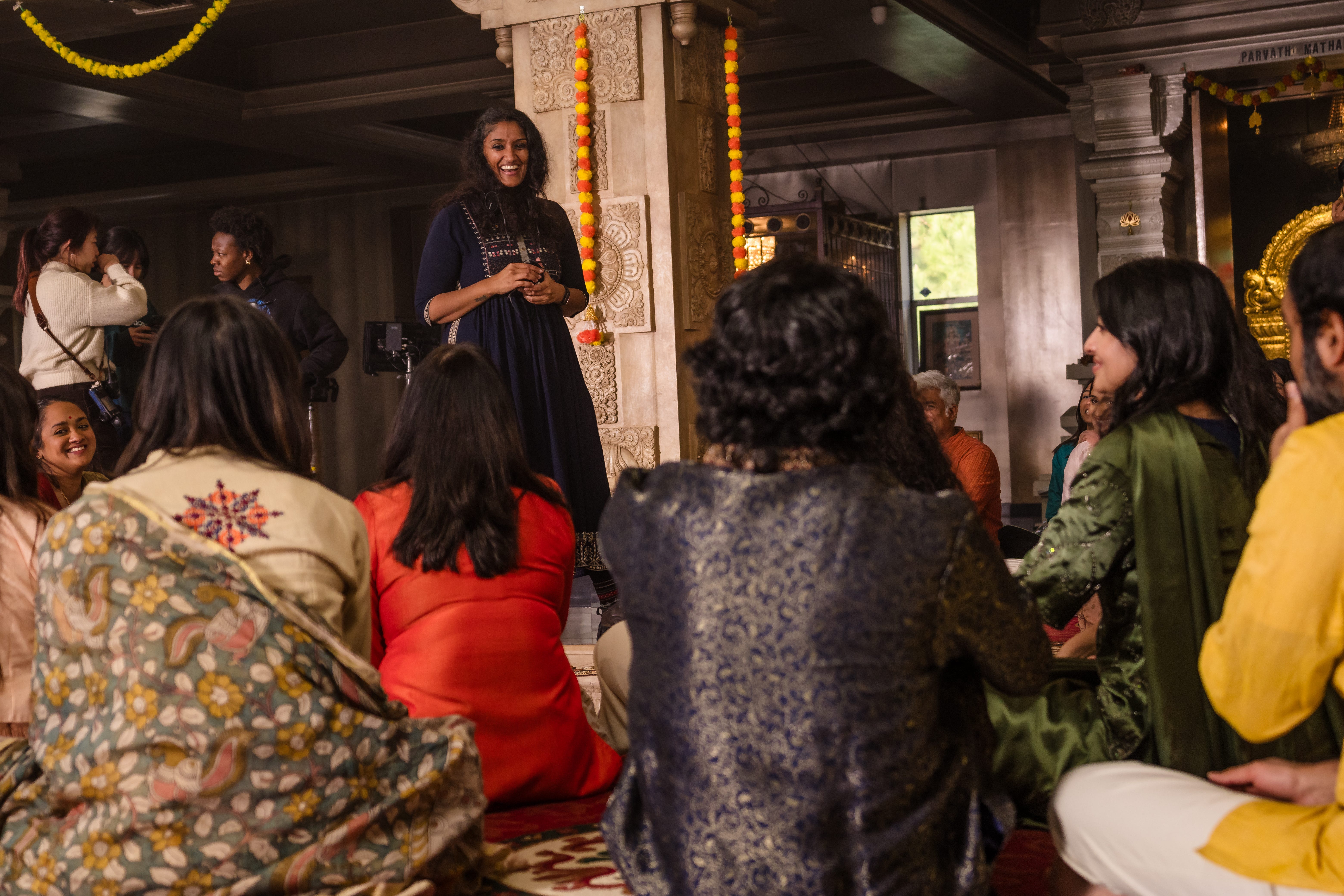
2. How do you describe film as an expression of your own self-expression and journey? Do you have reflections on how overcoming adversity has played a role in your career or in this film? Film is the most comprehensive medium that incorporates all my love for the arts. Before filmmaking, I expressed myself through music and painting, and I still do. But film allows for those artistic languages to coexist (image, sound, silence, memory, emotion, and collaboration) within one space.
My journey toward filmmaking was not linear. I came to it after many life chapters and versions of myself that shaped how I move through the world, including hearing loss and learning to engage with sound differently. For years, I saw adversity as limitation, only later realizing those experiences were also shaping my voice and perspective as an artist.
That realization deeply informs SŪNNA. My film is not simply about hearing loss, but about adaptation, identity, and discovering new ways of connecting to ourselves and others when life changes us unexpectedly. I think adversity has made me more compassionate toward vulnerability and more attentive to silence.
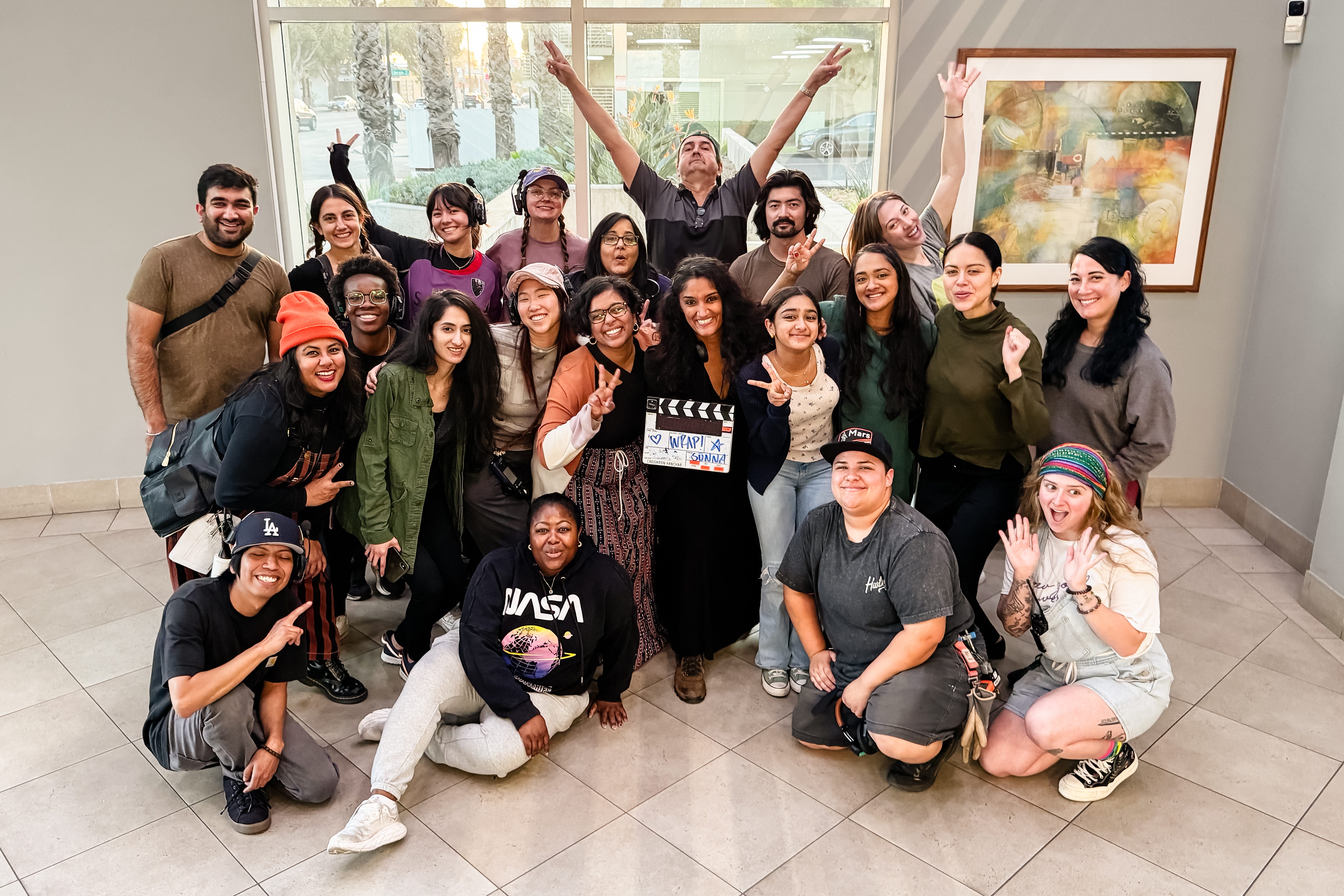
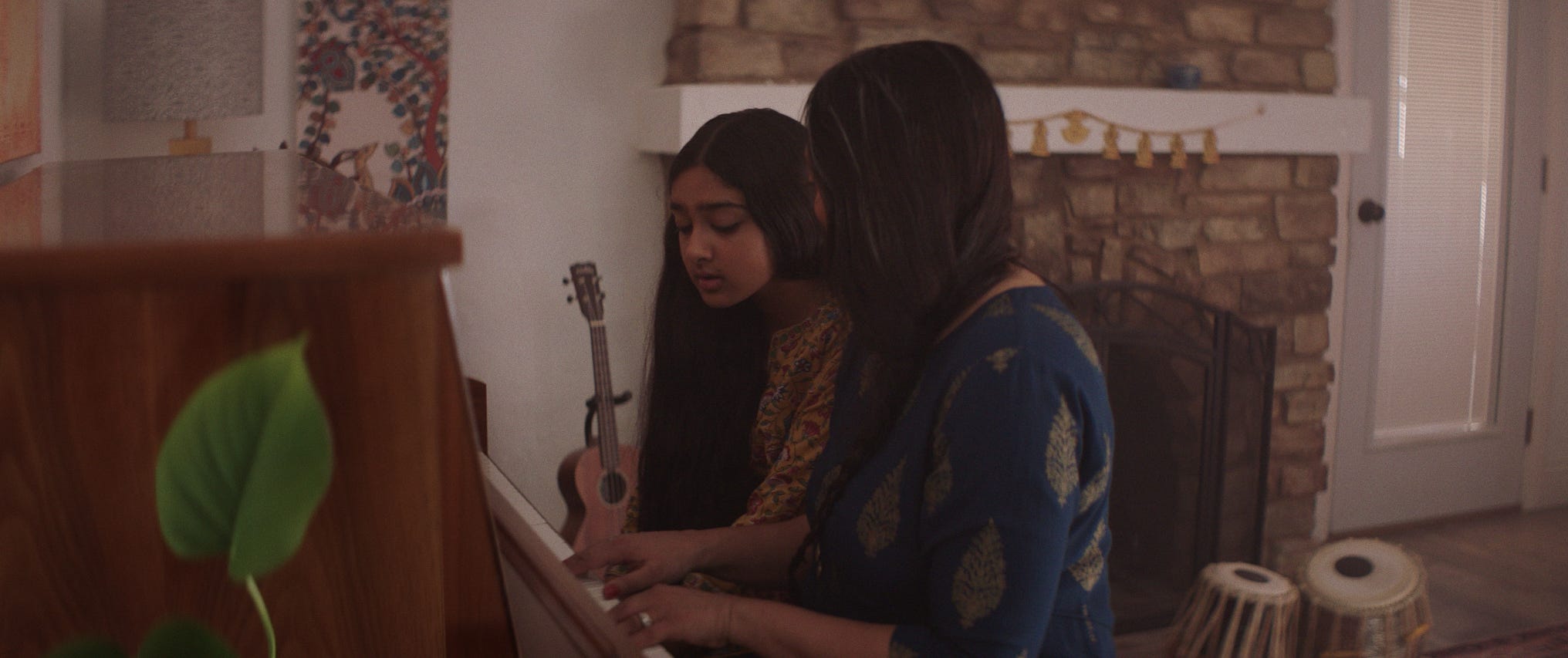
3. You’re also a lifelong musician who learned to sing by feeling vibrations despite your own hearing loss. How did your musicianship influence your directorial choices, particularly in how Lakshmi experiences music differently after her diagnosis? My understanding of music shaped nearly every creative decision in
That perspective deeply informed how Lakshmi experiences the world after her diagnosis. I was less interested in portraying hearing loss through absence and more interested in showing adaptation and discovery. As a director, this influenced everything from sound design to performance and camera language, leaning into silence, vibration, and sensory texture to bring audiences closer to her internal experience.
I wanted SŪNNA to invite audiences to experience hearing loss not as something diminished, but as a pathway to rediscover sound through a different sensory relationship.
4. The film uses memory, touch, and cultural connection as the pathways through which Lakshmi begins to reclaim herself. Why those three specifically? Was that always the architecture of the story, or did it evolve?
Memory, touch, and cultural connection felt like organic pathways toward healing and self-discovery. They weren’t entirely mapped from the beginning, but evolved as I continued writing and reflecting on what remains when the way we experience the world changes.
Memory became important because hearing loss, for Lakshmi, reshapes not only sound, but her sense of identity and relationship to her past. Touch emerged through my own experience of engaging with music through vibration and physical sensation. And cultural connection felt essential because healing rarely happens in isolation. Our communities, cultural traditions, and inherited forms of expression can help guide us back to ourselves.
Together, those elements became the emotional architecture of SŪNNA.
5. SŪNNA had its North American premiere at the 50th Cleveland International Film Festival and has since screened at ReelAbilities and IFFLA. How has the experience of sitting in a room with different audiences — different communities — changed how you see the film? Screening
That response has also given me confidence as I continue developing my feature ANITYA, which explores a different evolution of the character of Lakshmi and her emotional world.
6. You just won the Children’s Resilience in Disability Stories Award at ReelAbilities in New York. Congratulations!. ReelAbilities is a festival specifically centered on disability stories. What was it like showing the film in that particular context, compared to a general audience festival? Thank you! ReelAbilities holds a special place in my heart. I screened
Winning this major award was such a big deal for me! I’ve long admired Shine Global and the resilience-centered stories they support through the lens of children. Their support in wanting SŪNNA to reach wider audiences was incredibly encouraging. SŪNNA will once again be honored at their annual gala this fall in New York City!
7. Fun fact questions - What is your all time favorite movie? What is your favorite movie right now?
I’m a sucker for films that make me cry. So my all-time favorite is Blue Valentine. There’s something about the way that film portrays love that feels so imperfect and painfully honest.
My favorite film right now is probably Past Lives or Sound of Metal. They’re very different films, but both are tonal comps for my feature ANITYA, so they’ve been living rent-free in my mind a lot lately.

Comments
Nothing yet. Say the first thing.
Sign in to join the conversation.