
Why is the UK spending more on interest on debt than on educating its children?
Now, before we panic, government debt isn’t automatically a bad thing. Almost every country borrows money to build infrastructure, fund public services and support the economy during crises. The UK currently owes debt equivalent to around 93% of everything the economy produces in a year (GDP).
The problem isn’t the debt itself, it’s how expensive it’s become. When interest rates were close to zero, borrowing was relatively cheap. But after rates rose to tackle inflation, the cost of servicing that debt exploded.
Think of it like your mortgage. If your rate jumps from 2% to 6%, your repayments go up even though you haven’t borrowed any more money. The government is facing the same problem, just on a much bigger scale.
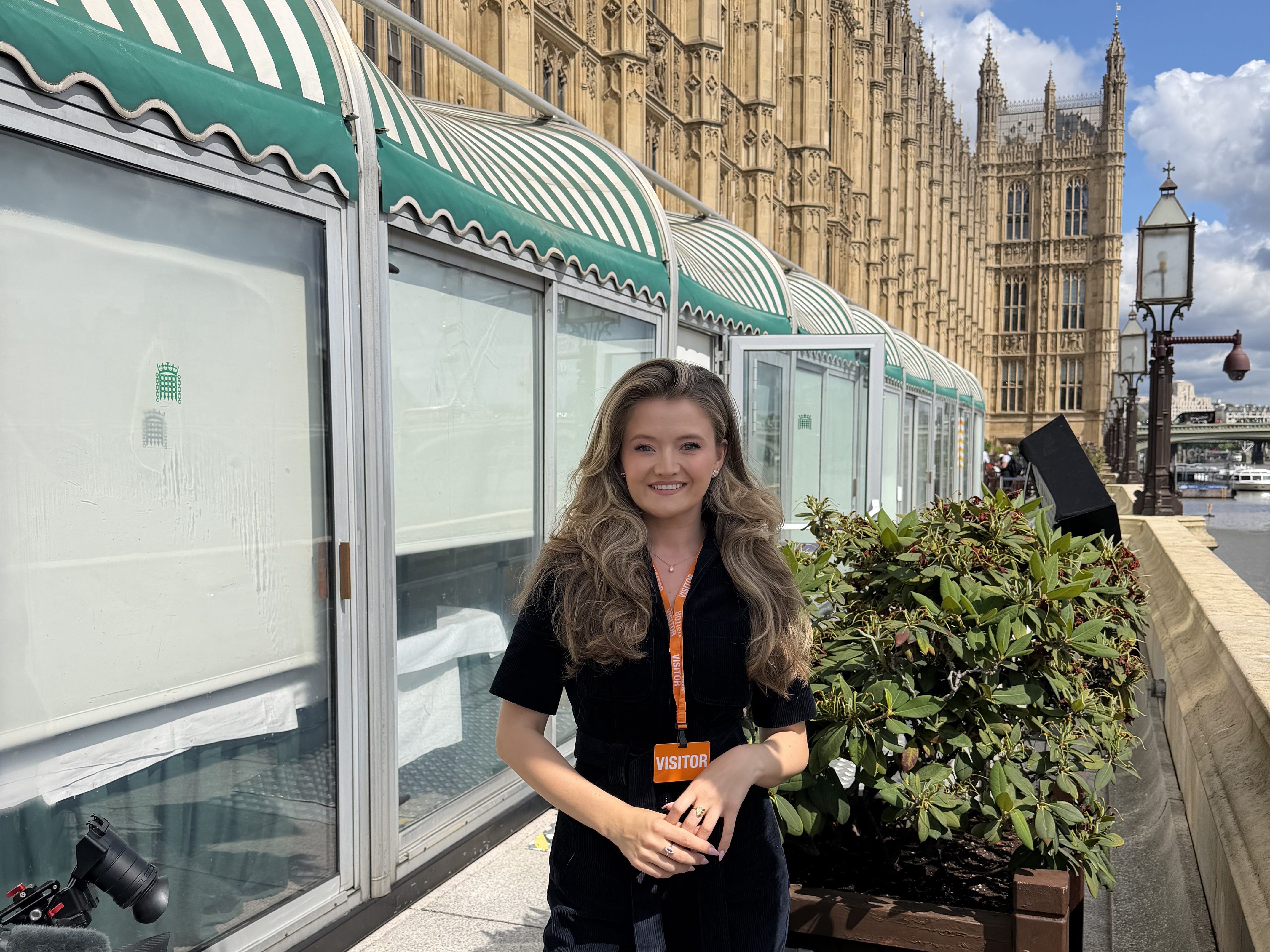
Every pound spent on debt interest is a pound that can’t be spent on schools, hospitals or transport. That’s why governments keep talking about “difficult decisions” on spending. Unfortunately, the interest bill is contractual, so until borrowing falls or interest rates come down, it isn’t going anywhere. Maybe Andy B has a solution to this, more on him later in the chat.
If I were Chancellor, I’d be asking some pretty serious questions. Surely investing in education is one of the best ways to build a stronger economy in the long run?
That is the size of a small city’s workforce potentially disappearing from one company! Mainly due to fierce competition from Chinese EV manufacturers and the brutal cost of transitioning to electric vehicles. Even in the UK they once said they wanted 80% of cars sold to be EV by 2030 and now they’re reversing that…
Volkswagen has also just sold a majority stake in its marine engines business for €10bn (which shows how urgently they needs cash).
The EV transition is one of the biggest industrial shifts of our lifetime and traditional car companies are caught in an impossible squeeze, spending enormous amounts to retool and retrain while being undercut by Chinese manufacturers who got there first and are doing it more efficiently.
At the same time he’s also threatening 100% tariffs on any European country that introduces a digital services tax on US tech giants like Apple, Google and Meta.
and btw, this matters directly to us, we already have a 2% Digital Services Tax that raised over £800m last year, putting the UK directly in the crosshairs of this threat. £800m of tax revenue potentially at risk because the US President has personal financial skin in the game of the industry we’re taxing.
Is it ok for him to just throw his toys out the pram when he doesnt like something, hes even done it with the Fed members, he tried to get rid of Lisa Cook because he doesnt ’t like the way she votes. Thankfully, the US Supreme Court stepped in, but for how long will that last?
If you own a home, prices going up sounds positive, but inflation has been running above 2% for most of the last two years, which means a house that went up 2.2% when inflation is at 3.3% is actually worth less in real terms than it was twelve months ago.
If you’re trying to buy, prices still being this high alongside mortgage rates still being this high means affordability remains genuinely stretched. The monthly cost of getting onto the property ladder is not getting easier.
For sellers, the market is slower than the headline suggests; homes are taking longer to sell, and buyers have more negotiating power than they did a couple of years ago.
The housing market right now feels like it’s in a holding pattern. Not crashing, not booming… just waiting for mortgage rates to come down before anything shifts.
I do a weekly segment on Sunday mornings on LBC, and this weekend Matthew Write has asked me to “predict what Andy might do” and, to be honest, even following his policy speech, I’m still none the wiser.
His headline proposal is “No.10 North” - a new body giving more decision-making powers to regions outside London. One of the UK’s biggest economic problems is that growth, investment and opportunity are disproportionately concentrated in London and the South East. As someone who lives in London, I’ve been quite blind, but now I’m commuting across the UK for work, and one of my best friends (sorry 2 of them) lives in Manchester; I’m aware how important this is.
BUT you can't just create a no 10 north and do nothing else. The youth employment pledge is the one I’ll be watching most closely. I’ve covered the job market massively in recent weeks, and one in six young people is predicted to be out of work by 2031 needs more attention not only in his words but also in the finances in the autumn budget.
After years of political turbulence, markets want stability and predictability from whoever walks into Number 10, Burnham is signalling he understands that. He has to follow through, i will be livid if he turns up and complains hes “inherited” a bad situation. No. Get stuff done.
The US Supreme Court blocked Trump’s attempt to remove a member of the Federal Reserve just because he basically didn’t like her.
Gold has fallen around 24% since February.
India is set for two of its biggest-ever stock market listings.
Wayve (British self-driving car company) will become the first major business to trade shares on the London Stock Exchange’s new private markets platform.
Lime, the electric bike company, raised $167m in its stock market debut.
UK Defence spending is getting an extra £15bn over four years, taking military spending to more than £300bn.

Coming from someone whose whole life’s mission is getting financial education into schools, the debt stats hit hard this week. We should be reviewing how we accumulated such debt and what are the government is doing to lower this! We can’t fix the big stuff if people don’t understand how it impacts them, and people can’t understand it if nobody ever teaches them!
On that note, before i start ranting even more, have a wonderful weekend.
Abi x
No posts
Comments
Nothing yet. Say the first thing.
Sign in to join the conversation.