
Hey you,
This week, John Healey was appointed Chancellor, inflation fell to its lowest level in 15 months, and the government announced cheaper electricity, cheaper buses and lower business rates for pubs and music venues.
But 1. How are they going to pay for all this and 2. oil has climbed back above $100 a barrel, which could push household and business costs higher again.
Let’s get into it.
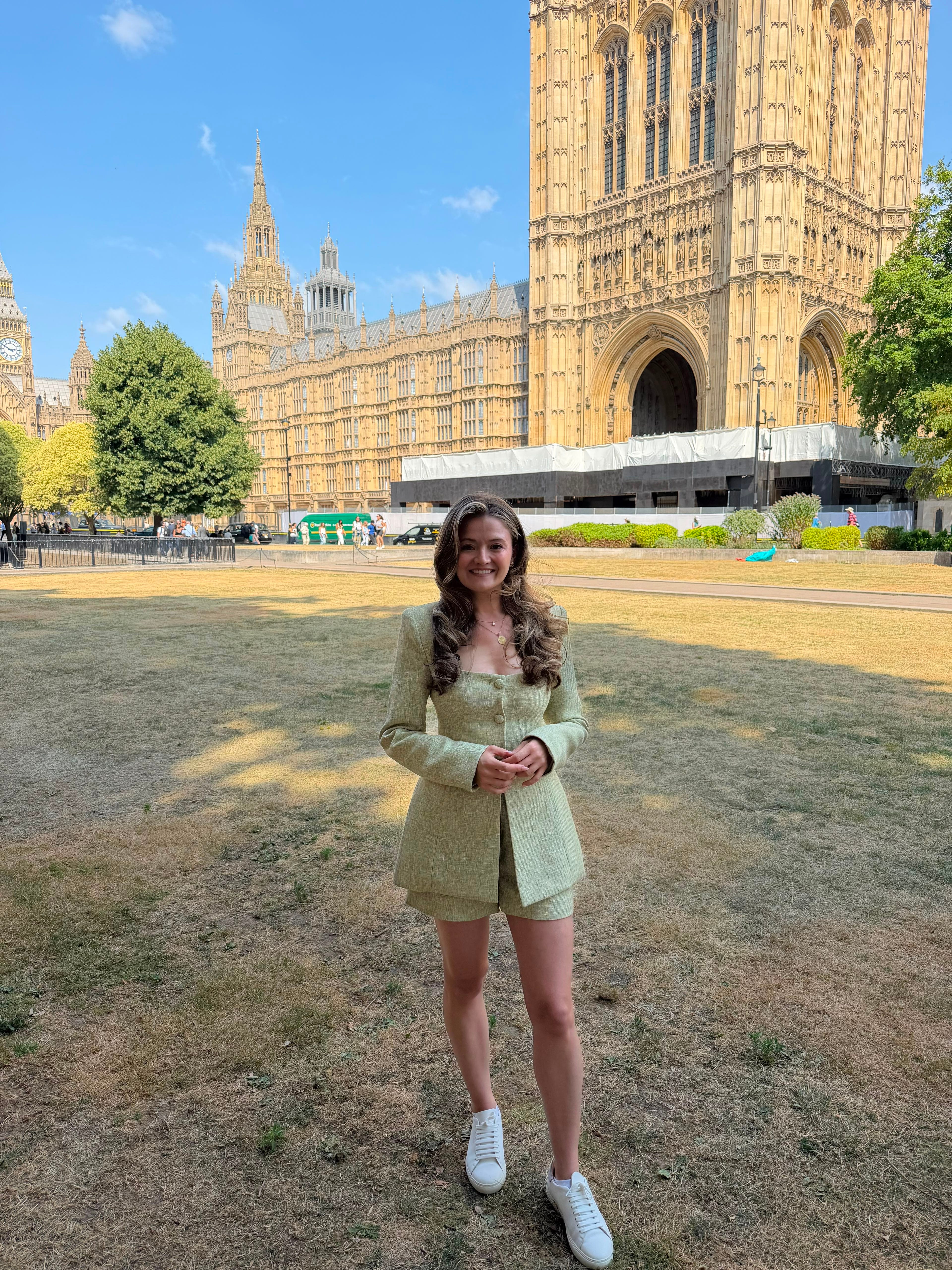
John Healey has been appointed Chancellor by Andy Burnham, replacing Rachel Reeves. The initial market reaction was fairly positive. Sterling edged higher and analysts saw the appointment as a sign that Burnham understands he cannot ignore the bond market or make expensive promises without explaining how they will be funded.
Healey has been an MP since 1997 and previously spent five years as a Treasury minister. He was not the name everyone expected, but his appointment makes sense when you consider how closely his political story is tied to Burnham’s rise.
Healey resigned as Defence Secretary last month because he believed the government was not committing enough money to defence. That added to the pressure on Keir Starmer and created the political domino effect that eventually brought Burnham into Downing Street.
My concern is whether this is a long-term appointment with a genuine economic plan, or an experienced person brought in to steady the ship and reassure markets. To be fair, perhaps that is exactly what the Treasury needs right now.
The bigger question is defence spending. Healey supports increasing it to 3% of GDP by 2030, should this been the government’s main priority while economic growth is weak and so many households are struggling?
If defence receives billions more, the government needs to tell us where the money will come from. Higher taxes, more borrowing or cuts elsewhere are the realistic options. Simply saying something deserves more money does not answer the difficult part.
UK inflation fell from 2.8% to 2.6% in June, its lowest level in 15 months. Fuel, food and clothing prices helped bring the figure down. (ONS)
That is good news, but inflation is a backwards-looking figure. It compares the average price of a basket of goods and services in June 2026 with June 2025. It tells us what has already happened rather than what prices will do next.
Prices are also still rising, just more slowly. If something cost £100 last year, average inflation of 2.6% means it now costs £102.60.
The new government did not create June’s inflation figure, although I suspect it will be quite happy to enjoy the positive headline. Its decisions will take time to affect the economy.
The bigger concern is what happens next. Brent crude has risen 7% to $100.69 a barrel after Houthi attacks on two Saudi oil tankers in the Red Sea created another threat to global supplies. This comes on top of disruption around the Strait of Hormuz. (AP)
Oil prices affect far more than filling up your car. They influence flights, deliveries, food production, manufacturing and eventually inflation. If businesses face higher transport and energy costs, some of those costs will be passed on to customers.
So June’s inflation figure is welcome, but it may not tell us much about the prices we will face later this year.
The government is temporarily removing the 5% VAT charged on household electricity bills from October until the beginning of April.
The announcement says this will take around £45 off a typical annual electricity bill. However, the policy only lasts six months and the Institute for Fiscal Studies estimates the average household will actually save around £25 during that period.
That difference annoys me slightly. Saying a policy reduces an annual bill by £45 sounds as though £45 will remain in everyone’s bank account, but that is not what the temporary policy delivers.
The October energy price cap has not been confirmed yet, and rising oil and wholesale energy prices could absorb some of the saving.
I still think the VAT cut is better than nothing. It provides some breathing room, particularly for lower-income households, but it should be presented honestly as a small and temporary saving rather than a solution to high energy bills.
Single bus journeys in England outside London will be capped at £2 again from January 2027. The scheme will replace the current £3 cap and run for one year.
This does not affect me directly because I live in London, where fares are set separately. But someone taking two capped journeys five days a week could save around £10 a week, which is a meaningful amount for people relying on buses to reach work, school or appointments.
The scheme will cost £454m, including funding for devolved governments. Much of that money will come from changing international climate finance from grants into loans that recipient countries must repay.
I can see both sides. Cheaper public transport supports people with lower incomes, but moving the cost onto countries already dealing with climate change is not free money. It is another decision about who receives support and who takes on more debt.
The government has also announced a 20% business-rates discount for nearly 32,000 pubs, social clubs and live music venues in England from next April. The typical pub is expected to save around £1,100. The largest music venues will not qualify. (Government announcement)
I think this is sensible. Pubs and smaller music venues are facing higher wages, National Insurance, energy bills and operating costs, and many are struggling to survive.
However, £1k will not transform the finances of a business dealing with thousands of pounds in additional costs. Wetherspoons warned this week that its profits will miss expectations despite sales increasing, because food, wages, energy, repairs and business rates are all costing more. The discount will help, but it is support rather than a rescue plan.
Alphabet, Google’s parent company, reported record quarterly revenue of $119.8bn. Normally that would be excellent news, but its shares still fell nearly 7%.
Tesla fell 14.5% after also reporting that it was entering a major new investment cycle.
The problem is spending. Alphabet now expects to invest between $195bn and $205bn this year, largely on AI infrastructure. Tesla expects capital spending to exceed $25bn as it invests in AI, robotaxis, batteries and manufacturing.
Both companies produced negative free cash flow during the quarter. Alphabet’s was around negative $5.9bn, while Tesla’s was negative $1.1bn.
Free cash flow is the money left after a company pays its operating costs and invests in things like equipment, factories and data centres. A company can be profitable on paper while still spending more cash than it generates during a particular period.
Investing heavily is not automatically bad. Companies sometimes need to sacrifice cash today to create growth tomorrow. The question investors are now asking is whether these enormous AI investments will produce enough future profit to justify the cost.
Alphabet’s revenue was the highest it has ever reported, yet investors still wiped billions from its market value. That tells us expectations surrounding AI have become incredibly high.
It is no longer enough to say AI will change the world. Investors increasingly want to know when it will start producing a return on the hundreds of billions being spent.
✈️ Ryanair’s quarterly profits fell by 34% to €538m despite carrying 61.3 million passengers. Average fares fell while fuel costs rose sharply, so serving more customers did not translate into more profit.
✈️ EasyJet’s quarterly profit fell by 70%, from £286m to £85m, after the Iran conflict increased fuel costs and affected bookings. This comes while the airline is at the centre of a multibillion-pound takeover battle.
🍺 Wetherspoons says annual profits will fall below expectations despite like-for-like sales increasing by 4.2% this year. Higher sales do not guarantee higher profits when costs are rising even faster.

I think the government has made some positive first moves. Cheaper buses will produce a meaningful saving for regular passengers, while the electricity VAT cut and business-rates discount are better than doing nothing.
I also think Andy Burnham’s social-media strategy has been very clever. It is refreshing to see a Prime Minister communicating directly and appearing more human. But strong social media cannot substitute for economic growth or properly supporting the most vulnerable.
The main thing I want you to remember this week is not to judge a financial decision by the headline alone.
Look at how long the savings last, what happens to the total bill, and where the money comes from. That is normally where the more interesting story is hiding.
Have a wonderful weekend.
Abi x
Ps. I posted my first ever “Week in the Life” vlog this week on YouTube, have a nosey!
No posts
Comments
Nothing yet. Say the first thing.
Sign in to join the conversation.