
I was catching up on my saved Substack articles last weekend and stumbled across this interesting piece, from about a month ago, on Punishing Foul Play by Alice Evans. In it, she discusses the history of soccer (or football, if you prefer) and how brutally violent it was until FIFA changed the rules and introduced the red and yellow card system in 1970. “Visibly enforcing the rules, providing credible threats, appeared to provide a powerful deterrent” she writes.
Evans, a Senior Lecturer at King’s College London and Faculty Fellow at the Stanford Institute for Economic Policy Research, writes primarily about gender equality and its drivers. One of her core arguments, across many of her essays, is that the “rule of law” is key for enforcing gender equality and reducing male violence. Without it, women are subject to the testosterone-driven whims of predatory males. Football rules, therefore, provide a sort of microcosm for studying the efficacy of rule-enforcement as a means of minimizing male violence. Stricter rules seem to work (although not perfectly, as anyone who watched the World Cup final could see).
I have mixed feelings about Evans’ work. We disagree, for instance, on whether or not gender equality was the norm throughout most of human history. Although many academic experts in the field of evolutionary anthropology believe it was, Evans thinks not, mainly based on evidence that pre-industrial societies have higher levels of violence against women. I agree with Evans that violence against women should be included as a measure when thinking about gender equality, but pre-industrial societies are not to be confused with hunter-gatherer societies, which have much lower levels of violence (especially immediate-return hunter-gatherer societies) compared with agricultural or nomadic pastoral societies. “Pre-industrial” societies, in general, are not representative of our evolutionary past. And if relative levels of gender equality were the norm throughout most of human prehistory, without states and a formal “rule of law,” then certainly there are other important contributing factors.
Despite our disagreements, I enjoy reading Evans’ work because it makes me think, and what she got me thinking about this time was: how effective is punishment, truly, as a deterrent for unwanted or criminal behavior in the modern world? At a time when we are still hearing voices on the American political Left advocating for police abolition, questions about whether or not we need a rule of law, credible threats, and visible rule enforcement seem more relevant than ever.
But there’s another, more selfish reason for why I am interested in this research. Yes, I care about building just and gender-equal societies. But the thing I think about far more often—about every hour of every day, in fact—is whether punishment is an effective means of improving my own children’s behavior.
It turns out, parenting and national governance are not so different. I am the ruler of my 4-person nation, and although I was not democratically elected, I do love my subjects and I try hard to do what’s right by them. But knowing what’s right is hard. My advisors (who I don’t remember choosing) all have very different opinions on the matter. Very few bring real evidence to bear. When my son misbehaves, should I spank him, put him on time-out, take away toys, revoke privileges? Or not? Does having a system of punishment work to change a 5-year-old’s behavior? Does it work to change an adult’s behavior?
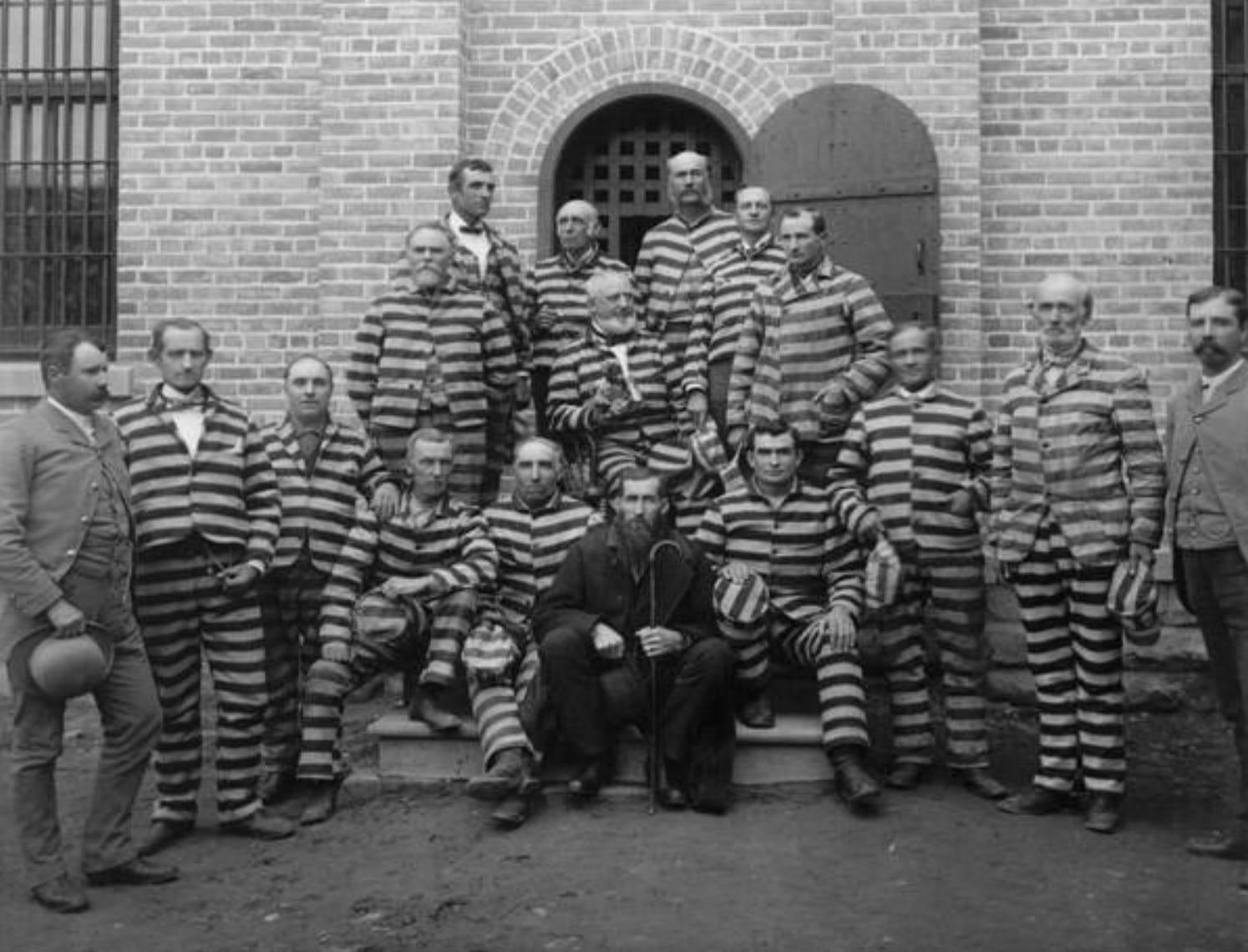
This essay is about teasing out those questions. Under what circumstances does punishment work for deterring unwanted behavior, and what are the implications, not just for how we parent, but for how we build a just society?
It turns out, criminology and parenting research have a lot in common.
Comments
Nothing yet. Say the first thing.
Sign in to join the conversation.