
Content Note: This post and episode include discussion of sexual assault survivorship and mental health. If you need support right now, resources are listed at the end.
On my best days, soft life leadership looks like this: clarity over chaos, people over performative memos, and belonging you can feel—not a slide deck checkbox. That’s why this week’s convo with Jean Ibanez Payne hit home. She’s the founder/CEO of TI Verbatim Consulting, a certified diversity executive, and a survivor who leads with courage and care. Translation: receipts + heart.
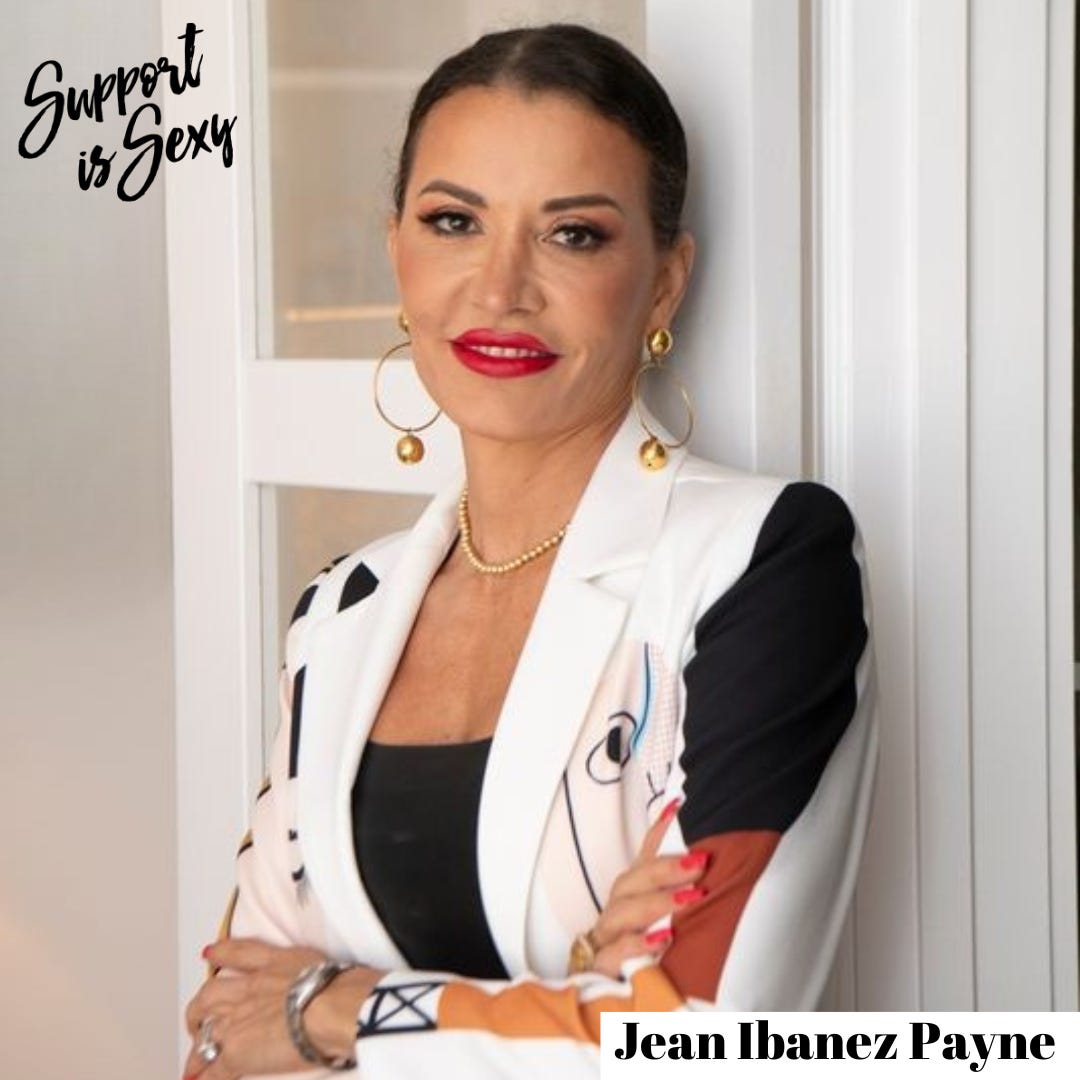
Jean’s core belief is simple and radical: going to work shouldn’t suck. Culture starts at the top, can’t be outsourced to HR, and absolutely must center human beings. She blends data (hello, natural‑language AI + benchmarks) with lived experience to help leaders do the real work—listening, repairing, and building workplaces where people feel valued and respected.
Beyond the DEI checkbox: Why belonging requires behavior, not buzzwords.
Equality vs. equity (build the elevator): Jean’s powerful metaphor you’ll use forever.
AI + Humanity: Using language analytics with humans, not instead of them.
Layoffs with humanity: Transparency, time, and tangible care (benefits, notice, options).
Tokenism traps: Don’t hand DEI to the nearest “diverse” employee and call it strategy.
Leadership modeling: Culture is what leaders do—in public, on calendars, every day.
Owning the healing: Jean’s journey from survival to agency: therapy, tools, and telling the truth.
“You can’t outsource leadership to HR.” — Jean Ibañez Payne
Start with people, not policy. If your team doesn’t feel safe speaking up, your policy is décor.
Measure the felt experience. Pair surveys with open‑text listening and real conversations.
Model the behavior. Calendars that show therapy or caretaker time normalize care.
Design for equity. Equality opens the door; equity builds the elevator so everyone can access it.
Lead with clarity in hard times. In restructures or layoffs, say the quiet parts out loud, give notice where you can, extend benefits when possible, and help people land.
Day 1: Share one value in action (e.g., “We protect focus time—here’s mine.”)
Day 2: Anonymous prompt: “What’s one thing that makes work feel unsafe or small?” Review without defensiveness.
Day 3: Policy pulse check: Where do we need an elevator (access, flexibility, captions, caregiver support)?
Day 4: Make one decision transparent—context, constraints, tradeoffs.
Day 5: Audit a meeting for belonging (voices, airtime, language). Fix one thing.
Day 6: Two gratitude notes to under‑recognized teammates.
Day 7: Publish a simple “What we’re trying / How to give feedback” post.
“Being perfect is too boring. Lead like a human.” — Jean Ibanez Payne
This episode is a playbook for leaders who want receipts and humanity. Listen and let me know how it inspires you!
If you or someone you love needs support, you’re not alone. A few starting points:
RAINN — National Sexual Assault Hotline (U.S.): 800‑656‑HOPE (4673) | https://www.rainn.org
National Sexual Violence Resource Center (U.S.):
https://www.nsvrc.org
988 Suicide & Crisis Lifeline (U.S.): Call or text 988 | https://988lifeline.org
BEAM (Black Emotional and Mental Health):
https://www.beam.community
The Trevor Project (LGBTQIA+ youth):
https://www.thetrevorproject.org
StrongHearts Native Helpline: 1‑844‑7NATIVE (762‑8483) | https://strongheartshelpline.org
If you’re outside the U.S., check local hotlines via your public health ministry or RAINN’s resources page.
—
If this resonated, forward it to the leader who needs a nudge from checkbox to belonging that works.
P.S. Soft life ≠ small life. It’s sustainable, people‑first, receipts‑ready leadership.
Comments
Nothing yet. Say the first thing.
Sign in to join the conversation.