
I’ve had a hundred conversations just like this one.
Maybe more.
And so I decided to write it down.
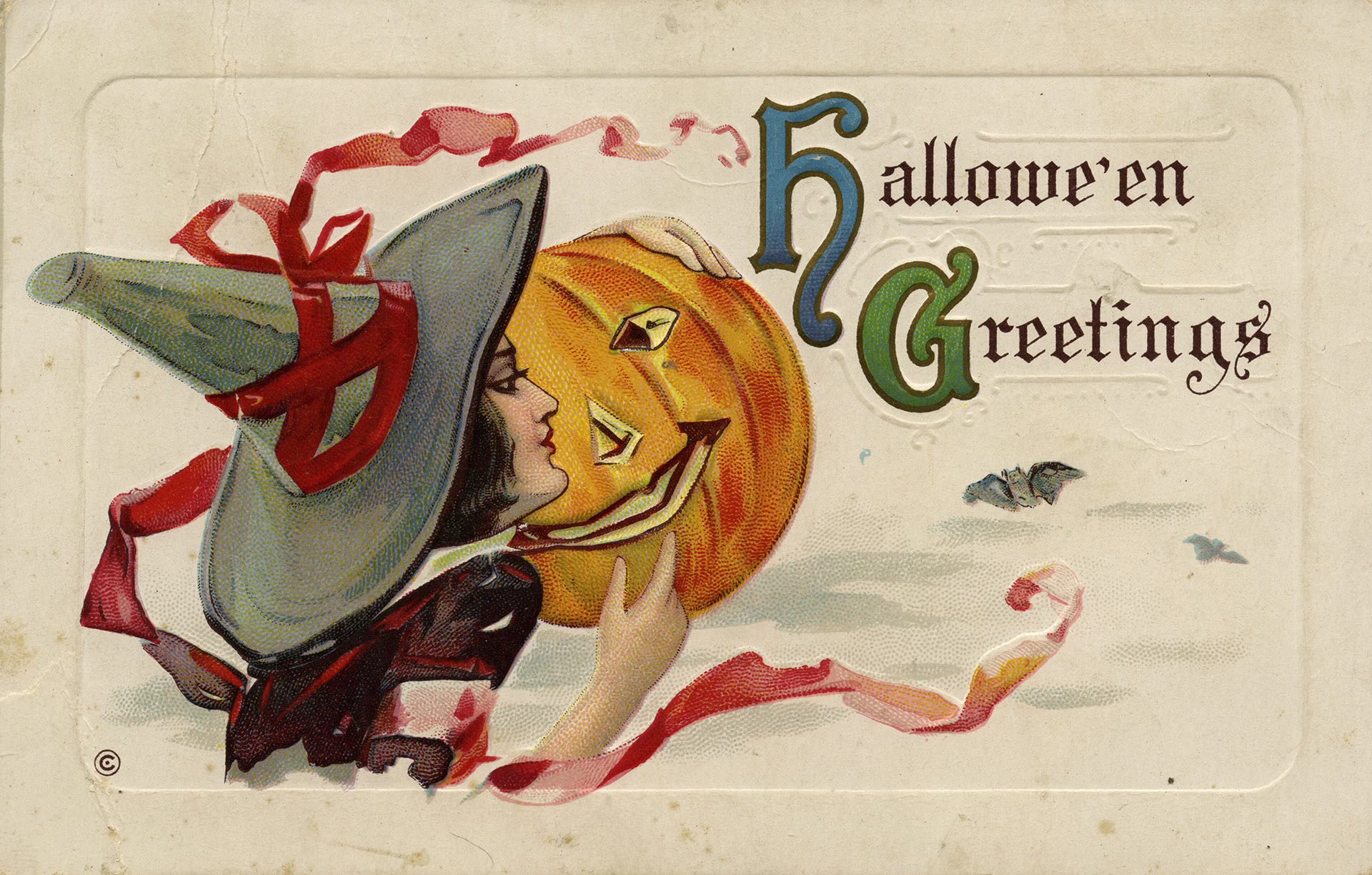
The Scrupulous: So… we’re really celebrating Halloween? I mean, isn’t that pagan? Why would you let your kids participate in a Celtic harvest festival?!
The Catechist: First of all, that history is disputed, to say the least. Secondly, even it was true, it’s obvious that it isn’t that festival anymore. Thirdly, and most importantly, even if it was true, the Church has transformed it into a magnificent celebration of the Church Militant, the Church Triumphant, and the Church Penitent. Long ago, people would dress like demons and ghosts—spirits—and go from door to door. If a house had “treats,” the demons weren’t allowed to cross the threshold.
The Scrupulous: Wait, so sweets “kept demons out?”
The Catechist: Sweets, drinks, cakes. Pre-packaged commercial candy is a relatively new thing. But think about the treats like sacraments and virtues. In this wonderful ritual, we re-enact the actions of the Church Militant. If our homes are filled with sweetness—Grace and Sacraments—the demons can’t enter. In pre-Christian cultures, this time was frightening, and the treats were a bargain with the dead. It used to be a fearful ritual paying death and darkness to leave us alone. But when Death is Christianized, baptized… the rite becomes a symbolic battle against evil, in the confidence of Grace and in mockery of the devil. Also, it’s just good fun, not some ancient pagan rite. You might as well have the same sense of scandal against Christmas caroling, which has the exact same origin.
The Scrupulous: So all this… dressing up and sugar… is supposed to be spiritual warfare?
The Catechist: Exactly. It’s what the Church Militant does—we sanctify the world through our homes, claiming land and bloodlines for Christ! Even on the thinnest of nights, the night of the dead, we’re protected and empowered against the demonic. The Church didn’t reject the old pagan forms—it baptized them, and remade them… revealing their true meaning in the light of Christ’s revelation.
The Scrupulous: Huh. So it’s not some unholy hybrid? “Paganizing” the Church?
The Catechist: Not at all. And furthermore, it’s not a “colonization” of paganism, either. It was intended to reveal the true meaning of these religions, Christ fulfilling the yearnings of all people. And it has been made so beautifully! The Church Militant fights through the night, and in the morning—behold!—the Church Triumphant wins. The saints are all arrayed and celebrated, and they intercede for us; the holy dead have run the race and earned their rest before the throne. Then, after that comes All Souls’ Day, when the Church Militant and Triumphant pray together for the Church Penitent, undergoing the necessary changes that they never made in life. Hallowtide shows us the whole Church—Militant, Penitent, and Triumphant—reminding us that just because we happen to be alive doesn’t mean we are the Church alone. We’re joined by the army of the holy dead, who aren’t gone—but gathered in the arms of our Lord.
The Scrupulous: That’s… a lot deeper than jack-o’-lanterns.
The Catechist: Those too have deep roots in the old harvest feasts. Around the world, there were death festivals after the harvest—the fields were stripped bare, the stubble like bones, the land itself looks like a broken graveyard. It reminds us all that we will pass away and be forgotten. All of these festivals of death mingled over centuries. It wasn’t just Celtic Samhain; it was hundreds of local customs reborn in the light of Christ. Sadly, American Halloween turned into nights of vandalism and youth hooliganism, so people replaced the mischief with candy and cuteness. Jolly Ranchers and plastic Spiderman suits. A tragedy, really.
The Scrupulous: Okay, I get that. It always seemed like the sugary elements were overlaid over something so sinister. But the real sinister thing is actually the commercialization of it. But what about Mexico? I’ve always wondered—what about Día de los Muertos? Isn’t that pagan?
The Catechist: No, it’s literally All Souls’ Day. The Day of the Dead.
The Scrupulous: But there’s Aztec stuff in it!
The Catechist: Of course there is. That’s what the Church does.
The Scrupulous: …Whaaat?
The Catechist: The Ark of the Covenant was shaped like an Egyptian god-box, but without the idol. The Tabernacle was built along similar lines–remember that the Hebrew slaves were responsible for building these things for the Pharaohs. Seraphim and Cherubim are based off of the mythology of Akkad. The very idea of the Logos was a Greek philosophical concept. Bread and Wine was used not just in Israelite ceremonies, but in Persian and Greek mystery religions. The Church takes what is good, true, and beautiful and sanctifies it, makes it Holy, reveals its true meaning. As St. Gregory of Naziansus says “That which He has not assumed is not redeemed.”
The Scrupulous: Oh… that makes sense. Christ redeemed humanity by becoming human. But humanness is not just flesh? Culture, too?
The Catechist: Yes, absolutely. Specific cultures in specific times. We forget about that sometimes. Nuestra Señora de Guadalupe appeared, garbed in Aztec colors, with Aztec symbols, with the face of a mestizo. Even the traditions of the Aztecs were taken up into the Truth of Christ. As Pope Benedict XVI said concerning Our Lady of Guadalupe: “The Truth does not destroy; it purifies and unites.”
The Scrupulous: But they do ancestor worship!
The Catechist: Perhaps some do, superstitiously. But most simply pray for their beloved dead and share in their continued life. We used to do that too, even in America—cemetery picnics, graveyard Masses. Why do you think we still have Mass on the graves at All Souls?
The Scrupulous: But they share food with the dead! That’s spiritualism!
The Catechist: Do you leave flowers on a grave?
The Scrupulous: Yeah.
The Catechist: Spiritualism!
The Scrupulous: Haha, fair enough. I see where you’re going.
The Catechist: Do you believe your dead still love you and watch over you?
The Scrupulous: Of course!
The Catechist: Then you already share in their life. It’s just simply Christian to believe that we still have contact with the dead—because they’re not really dead.
The Scrupulous: You’re saying that if I reject one kind of love for the dead, I have to reject the other?
The Catechist: Exactly. Frankly, that’s what the Puritans tried to do. They tried to “purify” the Church of anything that looked pagan, and in doing so, they amputated most of the faith. They say we can’t pray to the dead, but they had no problems giving their dead grave goods. You don’t cut off your leg because your toenail is too long. That which was assumed was redeemed.
The Scrupulous: So, Hallowe’en isn’t a night of fear—it’s a night of victory?
The Catechist: Yes. The Church laughs at the devil on Halloween because the war is already won. We re-enact that war in good spirits (pun intended). Because tomorrow we get to answer Satan when he asks, “you and what army?”
We reply: This army, you fool.
Get behind me Satan. What you offer me is worthless. Drink the poison yourself.
Happy Hallowtide!
No posts
Comments
Nothing yet. Say the first thing.
Sign in to join the conversation.