
I generally try to read a variety of books and push myself with challenging reads, even if I’m not in the mood for them. However, my master’s programme is starting this autumn, so I will be reading nothing but challenging books for the next two years. As such, I have decided to read whatever my heart desires, and for some reason my heart has been desiring gay yearning.
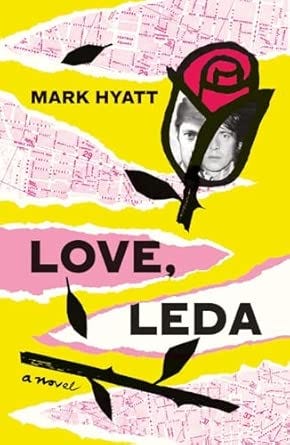
This was the book that started my summer of gay yearning™. It’s a truly heart-breaking, stream-of-consciousness style novel written in the 1960s. The narrator is a working class queer man who wanders around London, looking for love and money and hope in all the wrong places. As well as detailing his relationships, frequent haunts and struggles to find purpose in life, Leda discusses his love for a straight man who will never love him back… yet this man happily exploits Leda’s affection for his own gain.
The novel mirrors many elements of Mark Hyatt’s own life, who tragically died by suicide at thirty-two. If you want your heart shattered into a million pieces, Love, Leda is sure to do that.
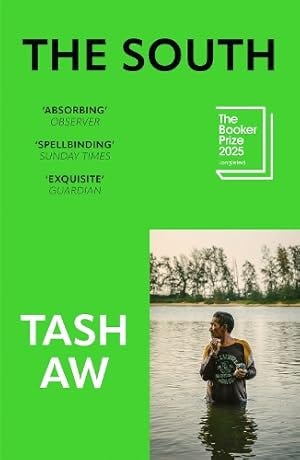
While Love, Leda was gut-wrenchingly tragic, The South is more about teenage angst, coming to terms with one’s sexuality and the disappointing realisation that adults are just as clueless, frightened and stupid as kids are.
The South is set in Malaysia during a summer in the 1990s. The protagonist is Jay, a quiet seventeen-year-old who travels from the city with his family to a farm his mother inherited from his grandfather. While helping out on the farm over the summer, which is clearly infertile and worthless, Jay meets nineteen-year-old Chuan and falls deeply in love with his rebellious, cool-guy charm. The love elements of the story are sweet and innocent, but the impending threat of adulthood is heavy and suffocating. Not quite a beach read, but a definite summer romance vibe.
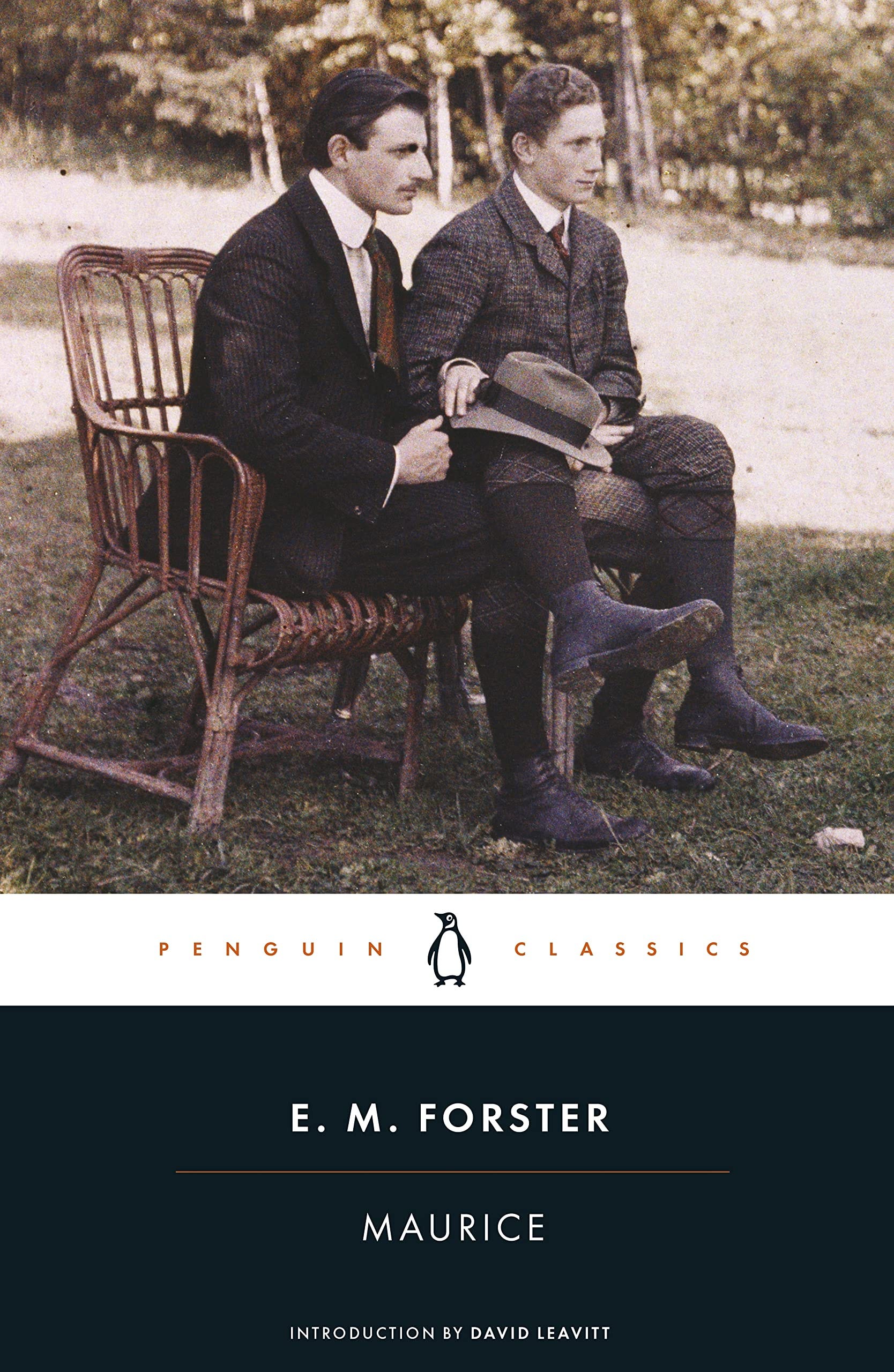
And finally, Maurice. Maurice was written in 1913 but published posthumously in 1971, as requested by Forster. The novel follows Maurice from his childhood days through to university, and then into early adulthood, as he struggles to understand his sexuality due to the oppressiveness of English society. Then, when Maurice finally learns and accepts that he is gay, he has to contend with falling in love, keeping that love a secret, and the internalised (and let's face it, externalised) homophobia of his lover.
The journey that Maurice goes on in this novel is insane. From a spiteful, spoilt, bratty snob to a warm, confident and compassionate man, Maurice positively transforms in just over a couple of decades. I really enjoyed the fact that Forster didn’t make his protagonist immediately sympathetic - Maurice has to earn the reader’s love, but by the end I wanted nothing but happiness for him. Spoiler alert: this book actually has a happy ending! It has yearning by the bucketful, but it still ends joyously.
A little too joyously, perhaps, because I’ve begun reading Interview with the Vampire by Anne Rice to satiate my need for gay yearning. More heartbreak! More pain! More unrequited love!
Perhaps I could interest you in a book about euthanasia instead?
If so, my dystopian novel, These Unnatural Men is available in paperback and ebook.
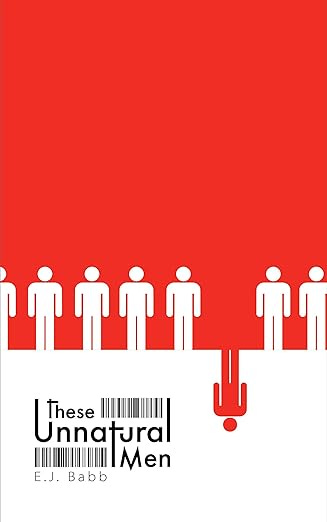
The public call her a cold-blooded murderer. An executioner. A killer for hire.Nieve Hindeman is a euthanasist.
She is one of hundreds of professionals relieving patients of their pain every day. To her, euthanasia is simply a medical solution to a medical problem.
But when Nieve starts to treat a voluntary patient - a man who is physically healthy but choosing to die - she starts to question the work she does. How can she prove that someone’s desire to die is genuine? Can a patient ever be psychologically terminally ill? And is a life ever not worth saving?
No posts
Comments
Nothing yet. Say the first thing.
Sign in to join the conversation.