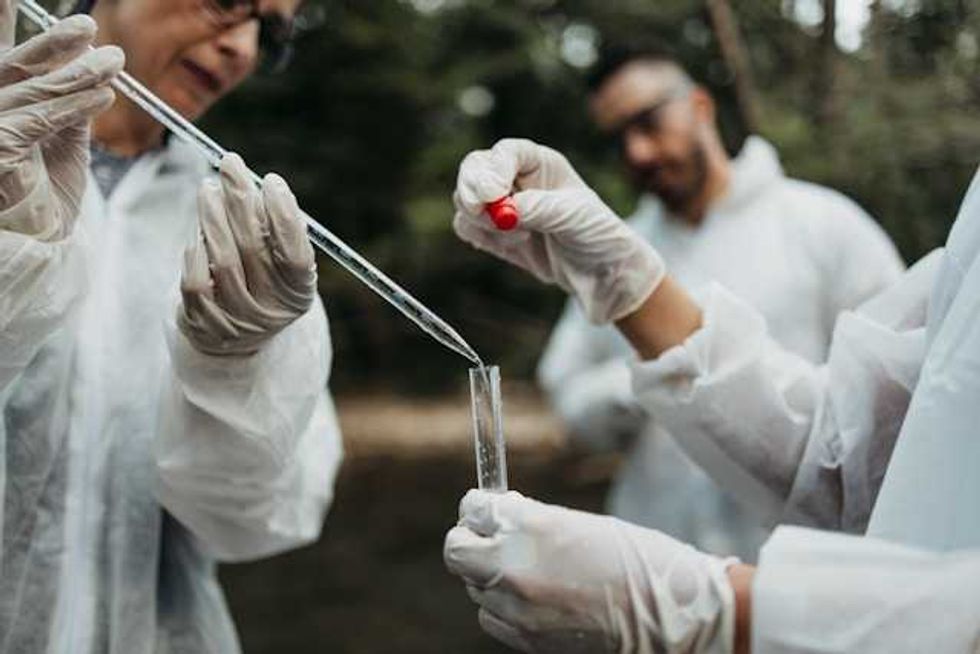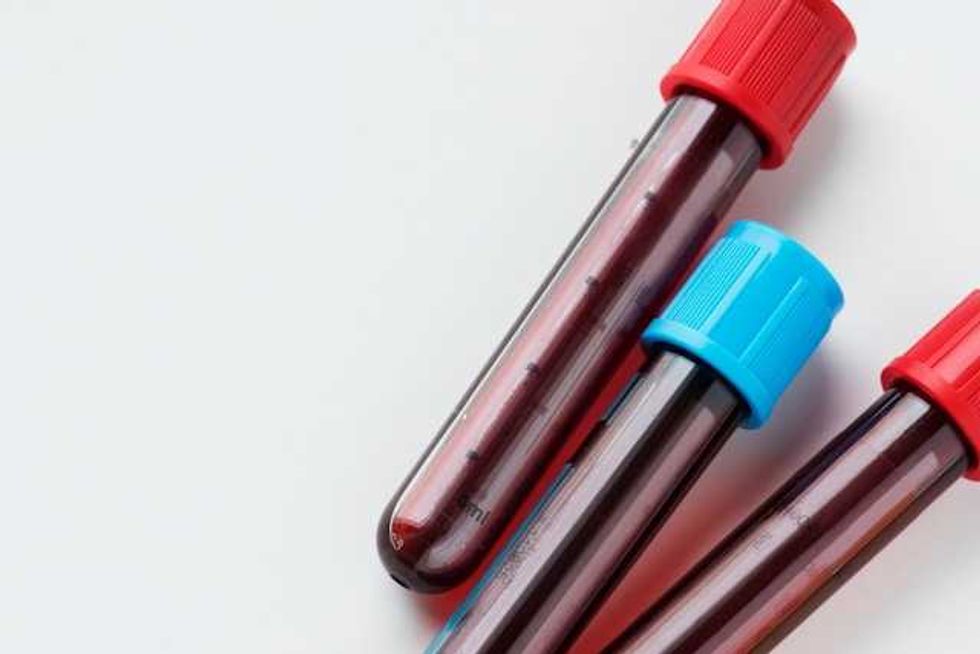
How climate change is messing with your blood
Our blood chemistry is changing as carbon emissions rise, reveals a new study.

EHN
Overdue Last read · last published · next check
Last read 6 hours ago, longer than this feed's 1 hour schedule.
Our blood chemistry is changing as carbon emissions rise, reveals a new study.
As the Louisiana town of Roseland recovers, residents wrestle with the increasingly difficult task of shielding children from a polluted future.
Companies such as Coca-Cola, PepsiCo and Mars have regularly sued governments around the world in an effort to prevent public health proposals from being implemented.
The U.S. Consumer Product Safety Commission warns parents about counterfeit squishy toys that may contain hazardous substances such as lead and phthalates, urging caution and vigilance when purchasing these popular children's items.
As the U.S. Environmental Protection Agency narrows its definition of PFAS and approves new PFAS-containing pesticides, Minnesota is moving in the opposite direction under Amara’s Law, named for a 20-year-old who died of liver cancer linked to 3M’s “forever chemicals.”
The threat of hurricanes and costs of insurance are pushing residents into former citrus lands and inland communities.
Wendy Brennan agreed to participate in a study examining how arsenic exposure can affect children’s cognitive development primarily because her young daughter wanted the free T-shirt.
A newly published study supported by NASA has provided one of the most comprehensive perspectives into air quality in Ethiopia’s capital.
Dependent on a delicate hormonal balance, the thyroid gland is adversely affected by ultra-processed foods, among other artificial interventions in our diet.
Few people can resist fast fashion's appeal. But an $8 dress or $12 pair of jeans could cost shoppers much more by endangering their health.