
Roughly one-fifth of all greenhouse gases come from agriculture, forestry, and land use, more so than all the emissions from road transport, aviation, and shipping combined. That’s a massive share of the climate problem! In this newsletter, we dive into the climate problem of our food system and what we can do to fix it.
In this this newsletter:
The climate problem of the food system
Exciting opportunities to get involved
Upcoming events
By the way, the Effective Environmentalism LinkedIn page has hit 1000+ followers. Be sure to follow us, too, to not miss out on important ideas and impact opportunities.
Scroll down 👇
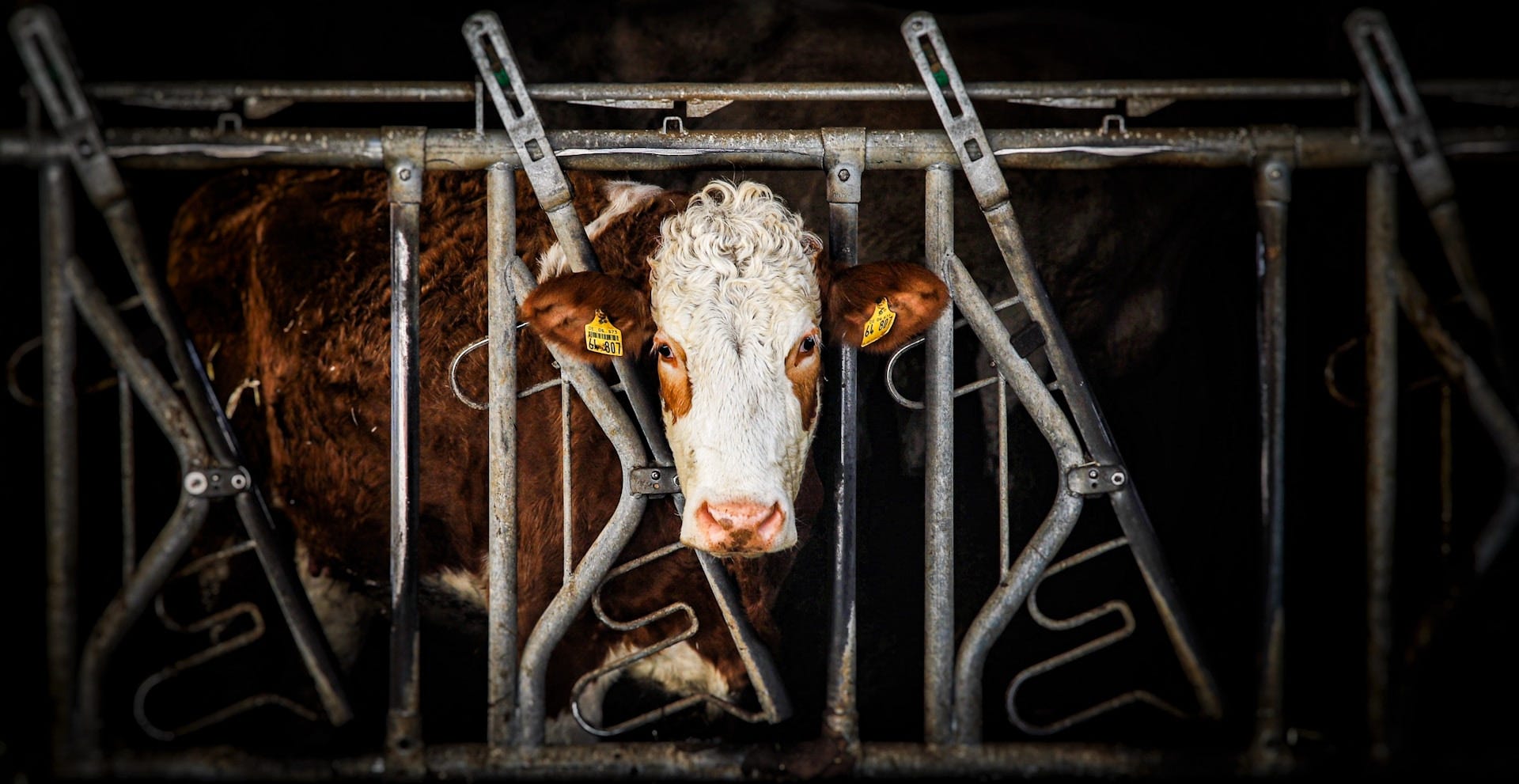
The food system is responsible for a big part of the climate problem. Roughly one-fifth of all emissions come from land, such as livestock and manure, agricultural soils, rice cultivation, crop burning, and deforestation. Crucially, any progress that we make on the energy transition hardly tackles this share of all emissions, because agricultural emissions hardly come from combustion of fossil fuels.
We might even be understating the climate problem of the food sector:
Agriculture is the largest source of methane emissions, for example from cow burps and rice paddies. Methane is an incredibly potent greenhouse gas, especially in the short-term. But since we compare greenhouse gases over 100-year timeframes, we tend to downplay the more immediate risks from methane emissions.
If we reduce the amount of land that we use for agriculture, we can reforest those lands and store more carbon there.
In emissions accounting, we often conveniently subtract carbon storage on land from the emissions of agriculture, but those two processes have little to do with each other.
What can we do to tackle food systems emissions?
Advance a transition towards plant-rich diets. Nonprofits such as the Good Food Institute are working to advance the science behind plant-based and cultivated meat, which are responsible for much fewer emissions and need much less land. Alternative proteins have a similar potential to contribute to tackling climate change as electric vehicles, but receive about 10x less funding. We have a page on the effective environmentalism website about how you can start supporting the protein transition in your career.
Reduce cow burps with methane. Feed additives can reduce methane emissions from cows, but we also need more research in this area. You can read up on feed additives on Project Drawdown, or check out policy and research efforts by Spark Climate Solutions.
Probably much more. We can look into making agriculture more land-efficient, reduce methane from rotting food, protecting forests, reducing food waste, and many other interventions. We invite you to start researching which ones are exceptionally promising!
Interested in reading or doing more?
Read our website article about the protein transition
Find work in the alternative protein sector on AltProtein.Jobs
Read up on methane emissions on Project Drawdown
Explore Giving Green’s research on reducing food system emissions
If you want to read something more technical, this paper explores overlooked climate impacts of food.
The Effective Environmentalism Initiative presented at the EAGx Amsterdam conference last month to guide people towards high-impact climate careers.
Missed the talk? Don’t worry, here’s our summary in four key points:
1️⃣ Don't rush it. Building a high-impact climate career is hard. It's worth it to take your time, challenge your assumptions, and test your fit for different options.
2️⃣ Find something big and neglected. Our intuitions about what problems are the biggest are often wrong. We worry a lot about our household waste because it's close to us. But we never think about industrial emissions because it's far away and often invisible. What is the biggest problem you could tackle that no-one is working on yet?
3️⃣ Find something that you're better at than the next-best person. If you don't pursue a role, would your impact still have happened? Often, the inconvenient answer is 'yes'. But if you're an expert in a certain niche, the answer is often 'no'. One easy way to make a big counterfactual impact is to bring an "effectiveness mindset" to a role where you can improve the allocation of scarce resources, such as grantmaking, policy, and research.
4️⃣ Get coaching. There is free support available to help you build a high-impact career. And the best thing is: it's all free.
Inspired? Read the full career guide on the effective environmentalism website:
Devon Fritz, the co-founder of High Impact Professionals, is launching his book The High-Impact Professional’s Playbook: How To Turn Your Career, Income, and Influence into Doing Good. A must-read if you want to make a high positive impact with your career.
We’re hosting a workshop in The Hague soon on maximizing the impact of your climate career. Do you live in or around “de hofstad”? Send us a message and we’ll send you the details.
Upcoming effective altruism conferences in Manila, Brussels, San Francisco, Helsinki, and Hong Kong.
Join the World Climate Relay and raise funds for high-impact climate charities by running, biking, climbing, or swimming. (June 5th-12th)
Should the climate movement organise around extreme weather events? A discussion paper by Social Change Lab argues that extreme weather events offer a strategic opportunity to expand the climate movement’s base and win tangible policy victories.
Why are solar panels and batteries from China so cheap? China has optimized its supply chain for these technologies.
UK intelligence expects that the collapse of ecosystems can threaten national security.
Why Isn’t EA at the Table When $121 Billion Gets Allocated to Biodiversity Every Year? (EA Forum post by David Goodman)
How climate change could trap workers in agriculture. (on VoxDev)
Effective Thesis Fellowships (3 Months) — Devote your thesis to help a high-impact organization to create a meaningful, real-world impact. (Deadline: January 31st!)
Impact Accelerator Program (6 weeks) — A free 6-week virtual program that helps experienced professionals transition into high-impact careers. (Deadline: February 22nd)
Are you good at writing or outreach? Contact the team at World Climate Relay to help raise funds for high-impact climate charities.
We’ll include these in every newsletter.
Read our career advice
Find and donate to high-impact climate nonprofits
Join our talent directory and find work
Join our LinkedIn group and Slack community
No posts
Comments
Nothing yet. Say the first thing.
Sign in to join the conversation.