
Oriah Mountain Dreamer wrote: “I have heard enough warrior stories of heroic daring. Tell me how you crumble when you hit the wall... What carries you to the other side of that wall, to the fragile beauty of your own humanness?”
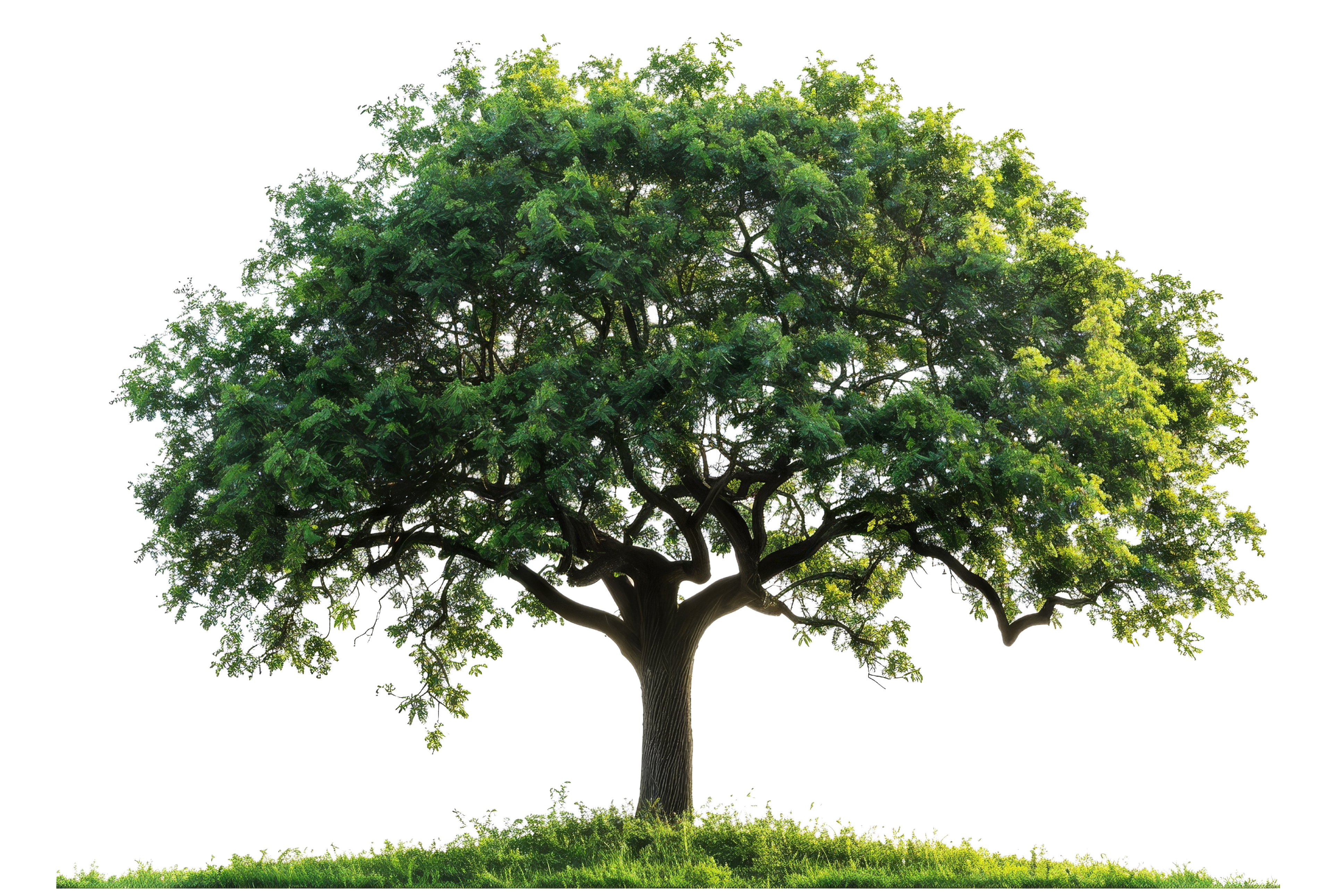
During Superstorm Sandy, I learned something about resilience I’ve never forgotten. In my yard I had these huge Sycamore trees. My neighbors’ yard had 6 gorgeous Oak trees. The great oaks came down in the storm. They cracked and toppled over because though they’re strong they’re also brittle. Given their inflexible characteristics the repeated winds split and shattered them. The sycamores swayed as they flexed and bent with the wind. What makes Sycamore trees adaptive is how they respond to stormy weather: They shed the weight of their branches and leaves so they can flow with what hits them. My Sycamore trees not only lived, they thrived with new growth.
Many clinicians, doctors and first responders I’ve met over the years are tightly wound. Just like the oak trees I described. When in the grip of burnout and grief the brain fog you probably experience can cause you to be more like the great Oak tree. Seemingly strong and powerful, yet internally brittle and vulnerable because there’s a missing piece to the strength; and that’s a kind of transformational and internal sway.
When you focus on the Care of the soul, it begins with countering the threat of burnout by tapping into a term Dr. David Schnarch coined a solid flexible self.
Remember the stark differences between the sway of the sycamore and the rigidity of the oak? That sway is not weakness, though the mind rushes to call it that. When the thought of weakness creeps in, counter it by calling on the metaphor represented by the sycamore’s quiet resilience: a tree that bends under the weight of long hours, difficult clients, and the accumulating pressure of a life lived at capacity.
Pay attention to the fights you engage in, your attention span, and your angst. When you stay rooted, are unbending, at a breaking point - listen to the messages flowing through you, and don’t ignore the signs of distress. Don’t be invisible to yourself.
In judo you use the opponent’s own force to counter their strength and with barely any outlay of your own. Sun Tzu said it plainly: the supreme skill isn’t winning every battle, it’s breaking the enemy’s resistance without a fight.
Grief and burnout are powerful. So meet their power with strategy, not with more effort. Here’s one exercise I love to give to people.
Before you close your laptop or lock the office door, stand up. Notice where in your body you are holding rigid, oak-like tension. Check your jaw, shoulders, the back of the neck, your lower back. Name it out loud, one word: tight, braced, clenched.
Now sway. Literally shift your weight from foot to foot, arms loose, for thirty seconds. As you move, think about what you could have been more flexible with: a difficult session, a diagnosis you carried home, a client’s grief that touched your own. Let the swaying be the answer, not a sentence you compose. Oaks explain themselves. Sycamores just move.
Close by naming one thing you’ll set an intention to flex tomorrow instead of holding it rigidly.
There’s proof this works. When medical students deep in burnout challenged their own negative thought patterns and replaced them, their symptoms dropped, the scans showed how the brain actually rewires itself. WHO recognizes burnout as an occupational hazard rather than a mental health condition. I find this data astonishing because too often we want to make a natural response to extreme stressors a mental health issue. Does it affect mental health, sure, ironically, it evolves from external and chronic stress and the accompanying, and unidentified grief.
Grief is like your fingerprint. As individual as you are. When you stop running from it, you grow from it.
If you’ve read this far, you’re already in the conversation. Subscribe, and I’ll keep it going. Giving you exercises and tools to use during those hard times when you feel you’ve lost some part of you.
With Love,
Edy
If this stayed with you, It’s Grief goes further: grief as something you learn to dance with, not something you’re supposed to get over. Get it here.
And if you want a place to put your own words down, It’s Grief: Notes to Self is the journal that goes with it. Find it here.
No posts
Comments
Nothing yet. Say the first thing.
Sign in to join the conversation.