
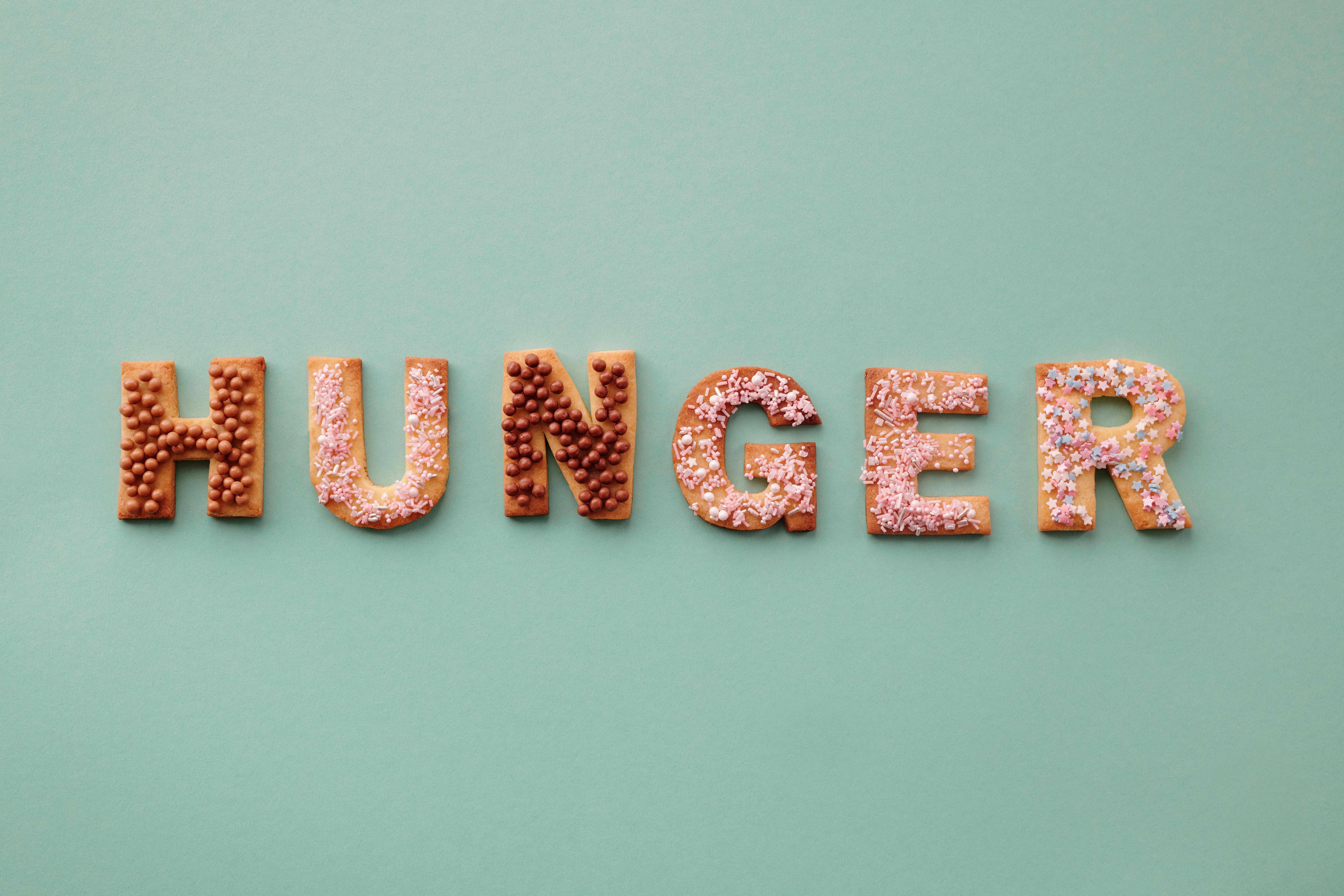
Grief doesn’t just affect the heart and mind—it speaks through the body, often in ways we don’t immediately recognize. One of the most powerful ways grief manifests is through our relationship with food.
For some, grief brings a loss of appetite, a quiet refusal to nourish the body when everything feels hollow. For others, it leads to emotional eating—an attempt to fill the emptiness with something tangible, something that offers a fleeting sense of comfort. Neither response is about food itself. It’s about control. When the emotions feel too overwhelming, food becomes a tool—a way to numb, suppress, or regulate what feels impossible to hold.
But what if we approached hunger with curiosity instead of judgment? What if we learned to listen to what our cravings, aversions, and habits are trying to tell us?
Hunger isn’t always about the stomach. It lives in the body, in the psyche, in the heart. Before reaching for a meal or denying yourself nourishment, pause. Take a breath and ask yourself:
Am I actually hungry?
Where am I hungry? My stomach, my heart, my head, my mouth?
What is my hunger asking for?
If the stomach is empty, food may be the answer. But if the hunger is lodged in your heart, what you might be craving is connection. If it’s in your head, you could be searching for relief from stress, overwhelm, or flashbacks. If it’s in your mouth, maybe you are longing for something sensory—something tender, warm, or grounding.
When you take the time to identify where the hunger lives, you gain clarity. You see that food, or the denial of it, won’t resolve what’s underneath. From this place of awareness, you can choose differently.
In grief, control feels like a lifeline. When the world has changed in ways we didn’t ask for, food becomes one of the few things we can dictate. We may eat too much or too little, convincing ourselves that we are in charge. But this control is an illusion—one that often deepens the very pain we’re trying to escape.
So what can you truly control?
Your breath. Slowing it down, deepening it, reminding yourself that you are here.
Your movement. Whether it’s stretching, walking, or simply rolling your shoulders, movement shifts energy.
Your response to emotions. Acknowledging them instead of numbing them.
Your self-compassion. Being kind to yourself, even when grief feels relentless.
Your choices around food. Not as a weapon, but as an act of care.
If food has become a battleground in your grief, try shifting the picture. Imagine nourishment—not as a way to escape pain, but as a way to support yourself through it.
What does nourishment look like for you?
Can you picture yourself eating in a way that honors both your body and emotions?
Can you allow yourself to receive comfort without self-punishment?
Even if you can change the picture for just a second, that’s one second where you’ve interrupted the cycle. And with time, those seconds add up.
Grief asks a lot of us. But in those moments of choice—when we pause, listen, and respond with care—we begin to find our way back to ourselves.
Edy Nathan, MA, LCSWR, CST, is a therapist and the author of It’s Grief: The Dance of Self-Discovery Through Trauma and Loss.
Thank you for reading Edy’s Substack. This post is public so feel free to share it.
Edy’s private practice focuses on grief, trauma, and sex. Tough conversations people don’t like to have that cause obstacles in creating a life worth living. She is the first clinician to accurately label a term she coined, Sexual Grief, and speaks about those living with symptoms of which are often side-lined due to the ‘trauma’ conversation taking the spotlight. By bringing the ‘grief’ element into focus as it aligns with sexual traumatic events or experiences, this evolutionary project brings insight into the way loss affects the soul and the brain. She uses these insights to breathe new meaning into the lives of those stagnated and hijacked by their developmental losses or trauma. Edy is the author of “It’s Grief: The Dance of Self-Discovery through Trauma and Loss” and the soon-to-be-released, “Sexual Grief: From Loathing, to Liberation, to Love.”
No posts
Comments
Nothing yet. Say the first thing.
Sign in to join the conversation.