
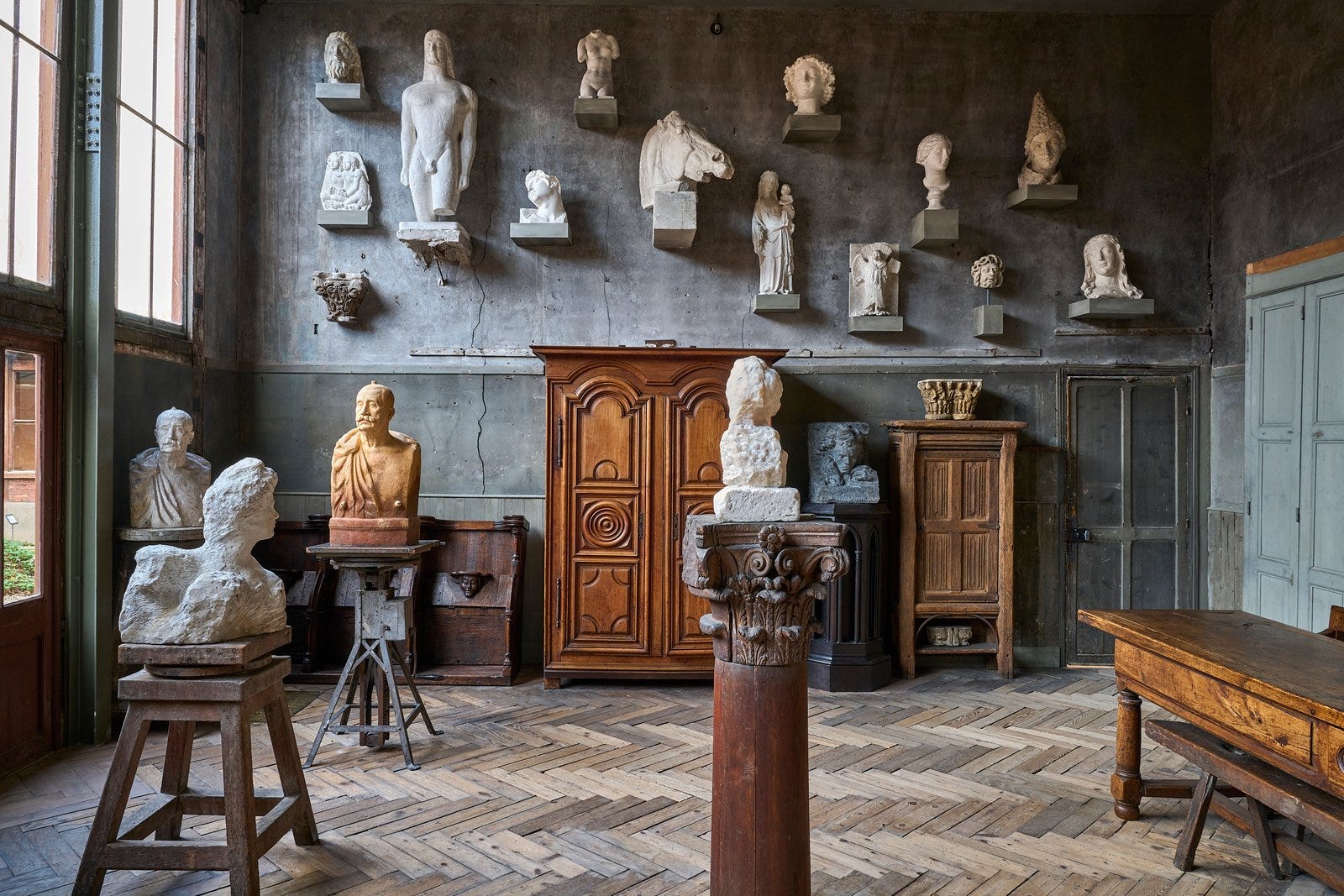
Bourdelle’s Studio. Musée Bourdelle, Paris Musées. Photos by Pierre Antoine
Text by Madina Tulakova
PARIS—Madina Tulakova catches up with Ophélie Ferlier Bouat, director of the Bourdelle Museum, the former home of Antoine Bourdelle, a collaborator of Auguste Rodin, a professor of Alberto Giacometti and a friend of Henri Matisse.
MADINA TULAKOVA: There are, of course, amazing museums all around Paris that compete against each other when it comes to scale and grandeur, but the Bourdelle Museum is really a quiet, hidden gem considering the cultural landmark that it is. At the same time, you have some of the most amazing and monumental sculptures. How do you preserve that level of intimacy while housing such monumental works?
OPHÉLIE FERLIER BOUAT: Bourdelle is in the heart of Paris, in Montparnasse, on a very small, quiet street. It’s a two-minute walk from the train, but you don’t hear the cars and the city when you’re inside.
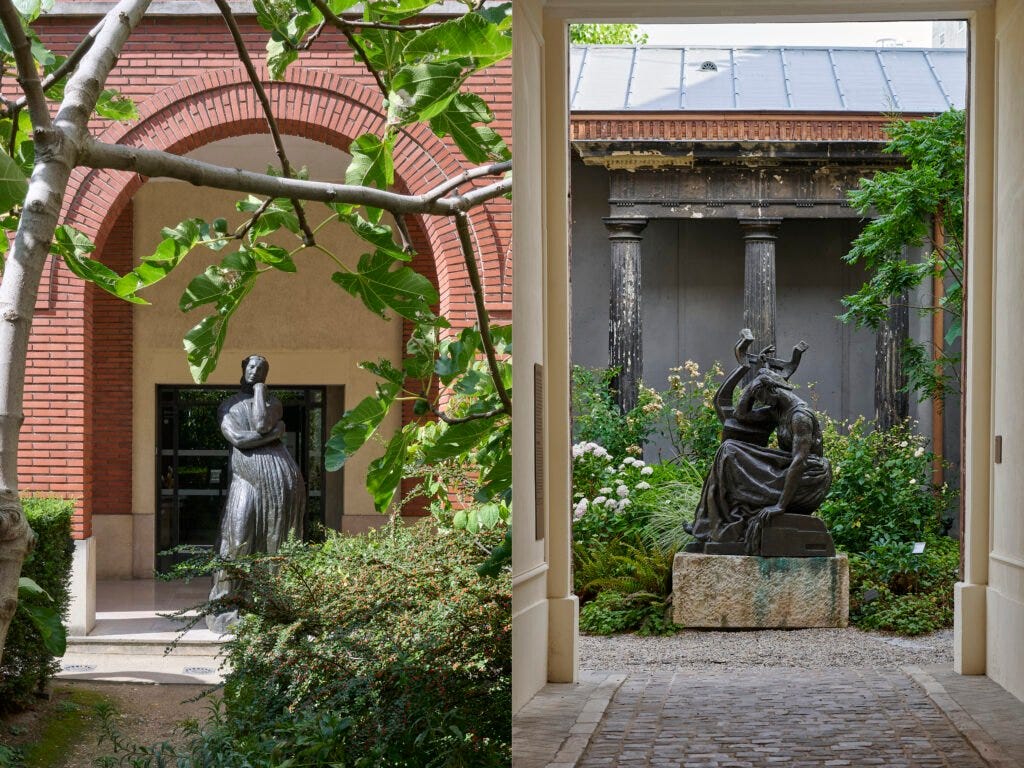
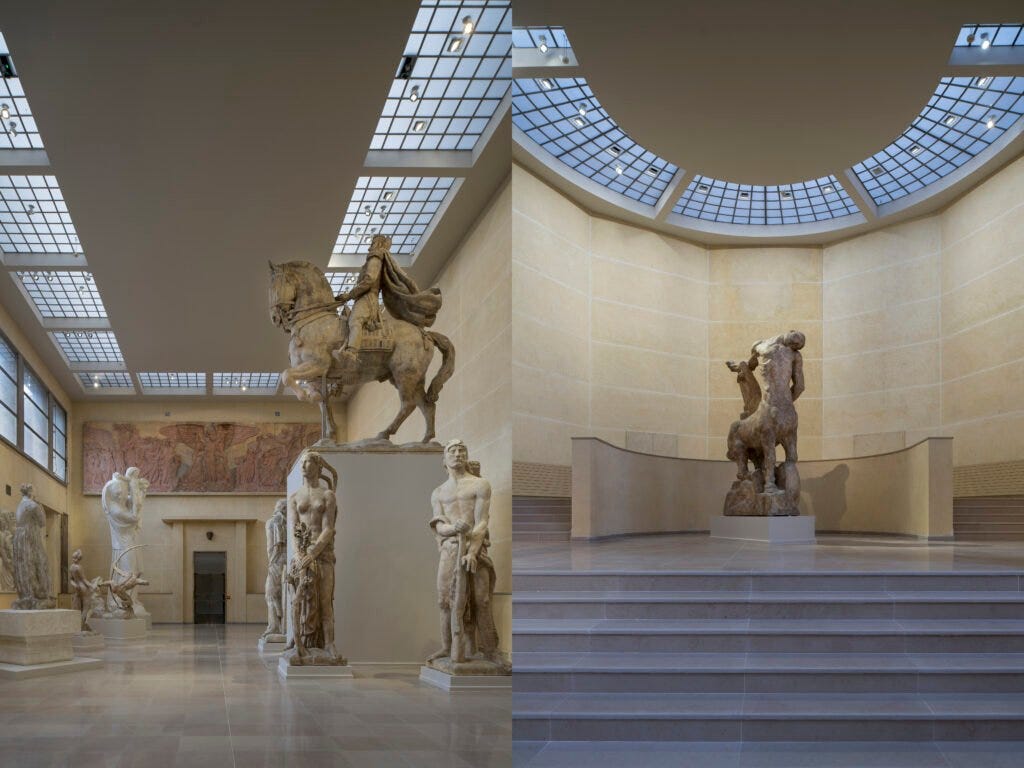
I think one of the greatest things about the museum are the gardens. There are three gardens, with the buildings organized around them. You can hear the birds singing, and one of the main attractions lies in the dialogue between the art and the surrounding vegetation and trees. You can appreciate the monumental scale of the sculptures in the big hall of plaster casts, or step into the preserved studios. Without any context, you can just feel the artist’s spirit in it.
MT: The museum itself was a studio for Antoine Bourdelle, as well as his permanent residence. What do you hope visitors take away with them?
OFB: I think what really matters in the museum is his general sense of creativity: you can feel the way he was living through his work. He was totally mixing life and art, a tireless worker, always very dedicated. There was also Jules Dalou and Eugène Carrière…
MT: Why do you think The Dying Centaur resonates with people?
OFB: The Dying Centaur has power and strength. Bourdelle made it in 1912. First, he painted it as a fresco on the Champs-Élysées Theatre, and then decided to make this sculpture.
He thought of the centaur as the other self, an alter ego. For him, he was a poet, of course, because he has a lyre and he’s dying. And like most poets, he doesn’t fit into the current world. He’s dying very slowly and has this powerful, muscular body. It’s very geometrical. Bourdelle, in his way, distorts the body in order to put it into a geometry.
MT: When you bring other artists into conversation with Bourdelle, what’s the process?
OFB: I think if it fits into the museum’s spirit… it’s successful. For instance, I think Magdalena Abakanowicz’s works are among the most powerful sculptures of the 20th century. She works with different materials, techniques, and disciplines, from textiles to sculpture, like Bourdelle, who was both a sculptor, a painter, and a poet.
We’re always exploring new artists in relation to Bourdelle, within the distinct atmosphere of our other wing for changing exhibitions. It’s a contemporary wing in concrete, so the atmosphere is totally different. So you can bring in other sensibilities, other techniques, and so on. People are always a little bit surprised, but you can find some echoes and some correspondences between the two wings.
MT: What’s your favorite part of the Bourdelle Museum?
OFB: I think it’s Bourdelle’s sculpture atelier. It was his favorite studio, a very special room in the museum where we just have the feeling of Bourdelle, no text at all. You feel like he could come in anytime and tell you about the way he worked. For me, it’s a magical room in the museum.
*** 22 APRIL MMXXVI. COPYRIGHT EDITRA AND THE AUTHORS.
SHARE, SAVE ARTICLE.
More in Art & Design
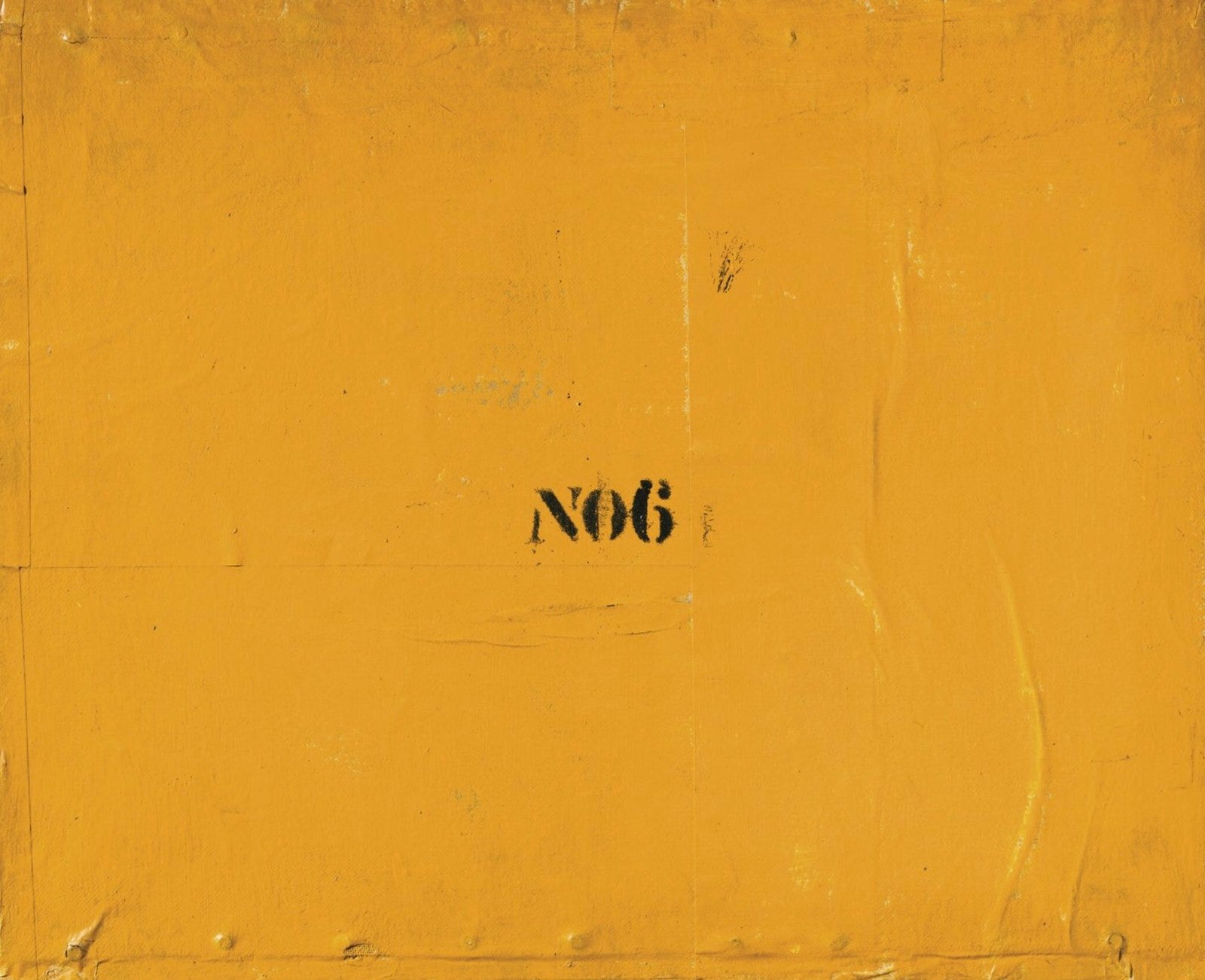
N. 6, 1960. Mario Schifano (1934-1998).
ROME—In 1970, Mario Schifano visited the Pentagon and NASA with princess Nancy Ruspoli. Text by Cici Thompson.
Read More
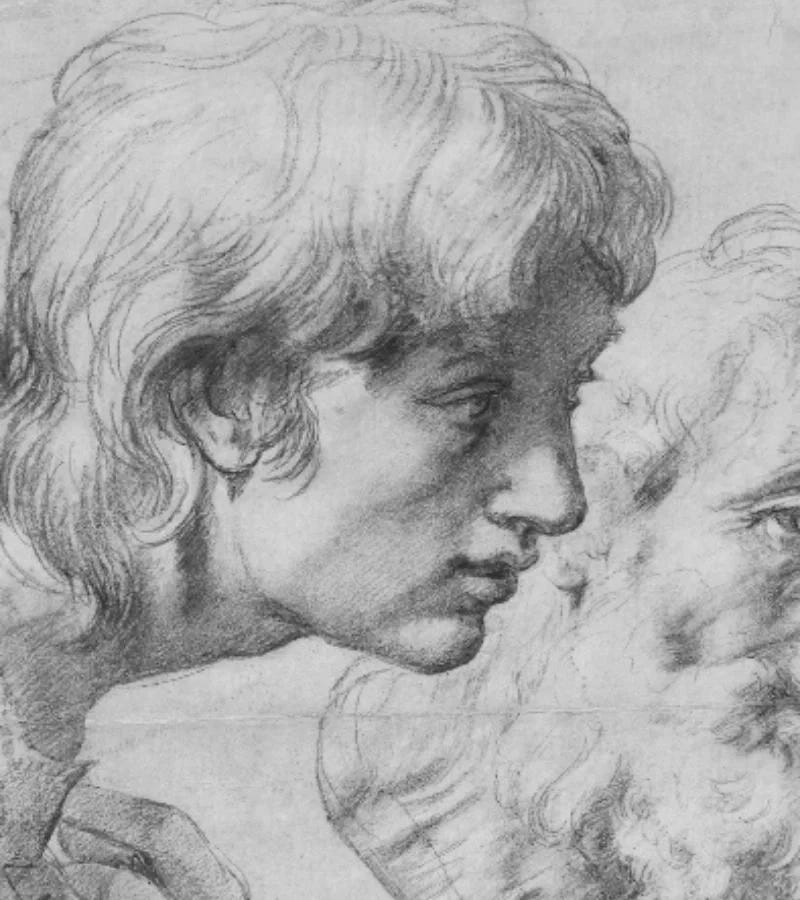
Raphael: Sublime Poetry. Courtesy of The Met
A preview of the most comprehensive U.S. exhibition ever dedicated to Raphael, open at the Met 29 March to 28 June. Text by Marguerite de Ponty.
Read More
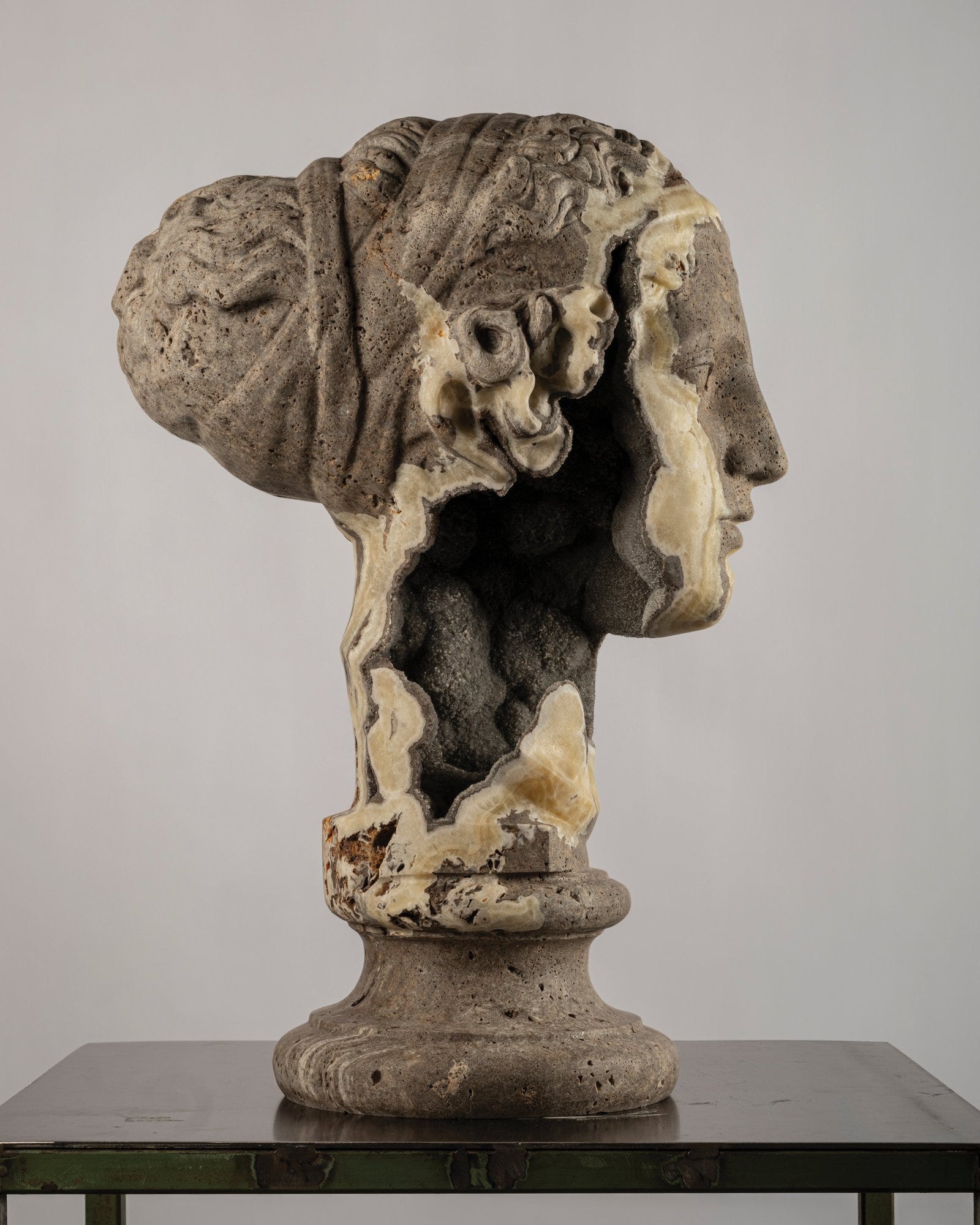
Silver cave, 2023, travertine silver. Edition 1/1. Photo by Nicola Gnesi.
An interview with Massimiliano Pelletti on geology, imperfection, and sculpture as dialogue. Text by Madina Tulakova.
Read More
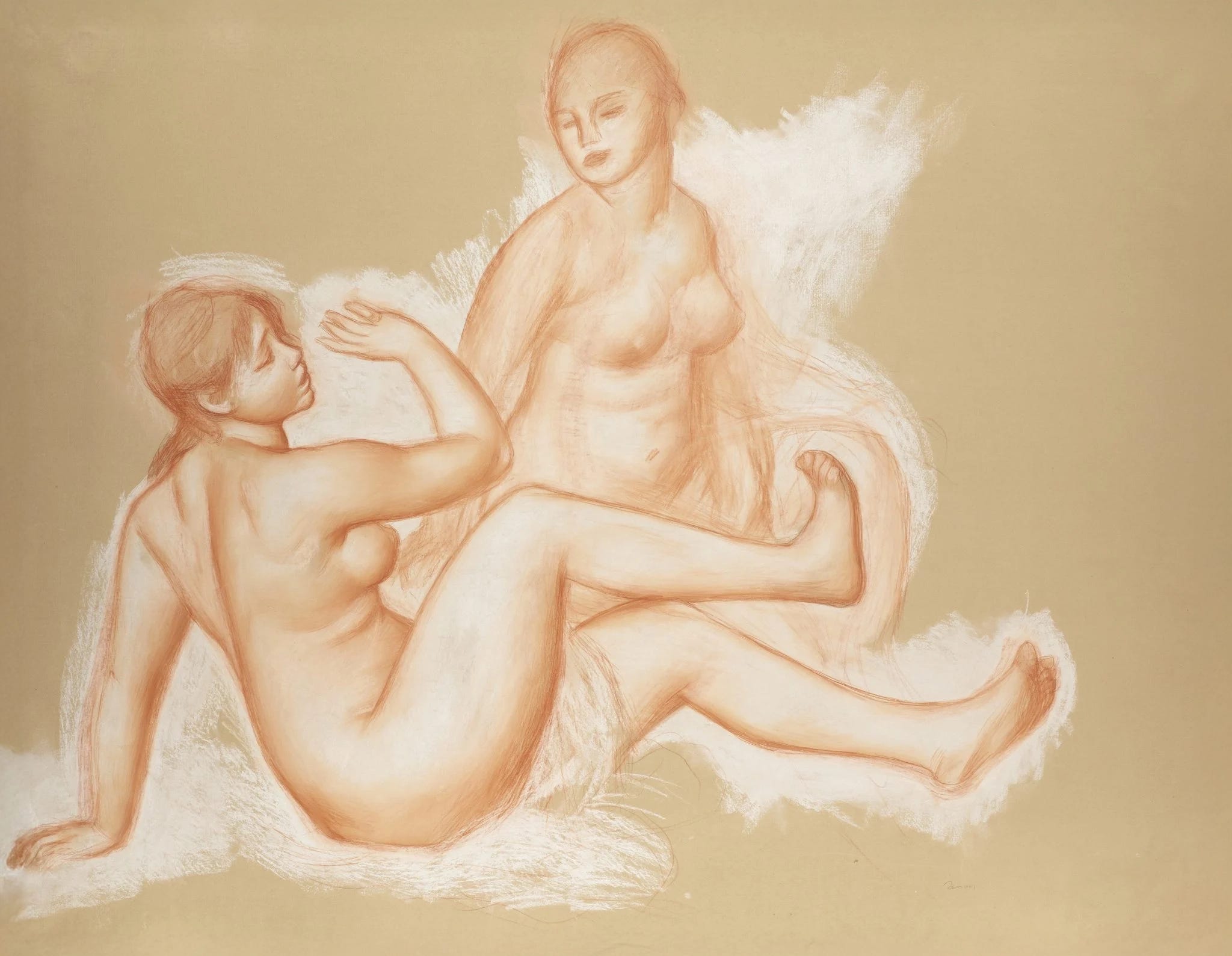
Auguste Renoir, Study for The Great Bathers (1884 to 1887). Photo: The Morgan Library & Museum.
An overview of a major exhibition examining Pierre-Auguste Renoir’s works on paper, opening at The Morgan this fall. Text by Richard Aubern.
Read More
Louise Giovanelli, Arena, 2020
An overview of a cross-institution collaboration between Grimm Gallery and Metrograph centered on Louise Giovanelli’s work. Text by Bob Loblaw.
Read More
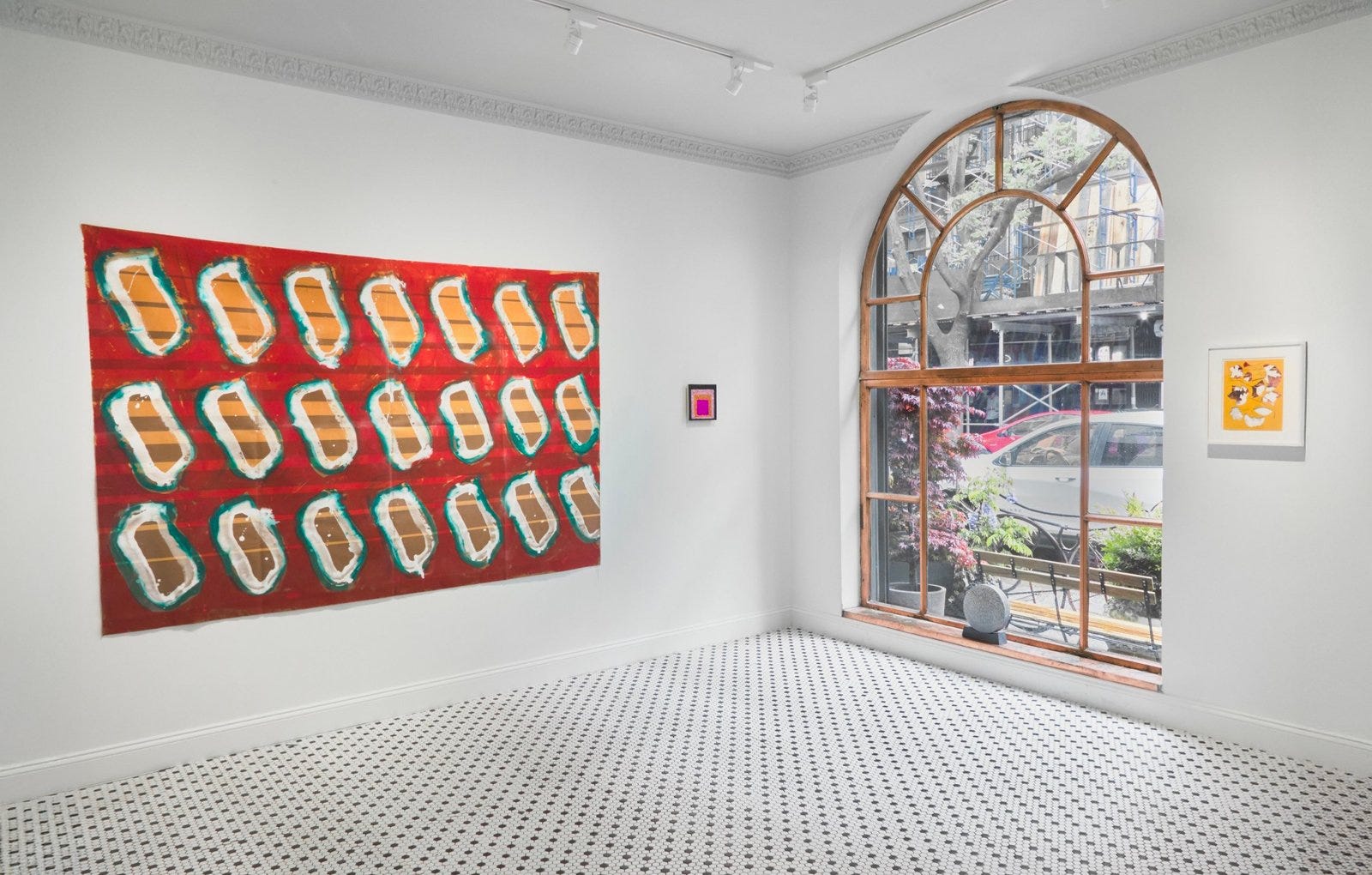
Slip House, the brand new gallery opened at the base of a 19th-century, three-story former carriage house at 246 East 5th Street.
On beauty, restraint, and a potential return to elegance after decades of irony. Text by Cici Thompson.
Read More
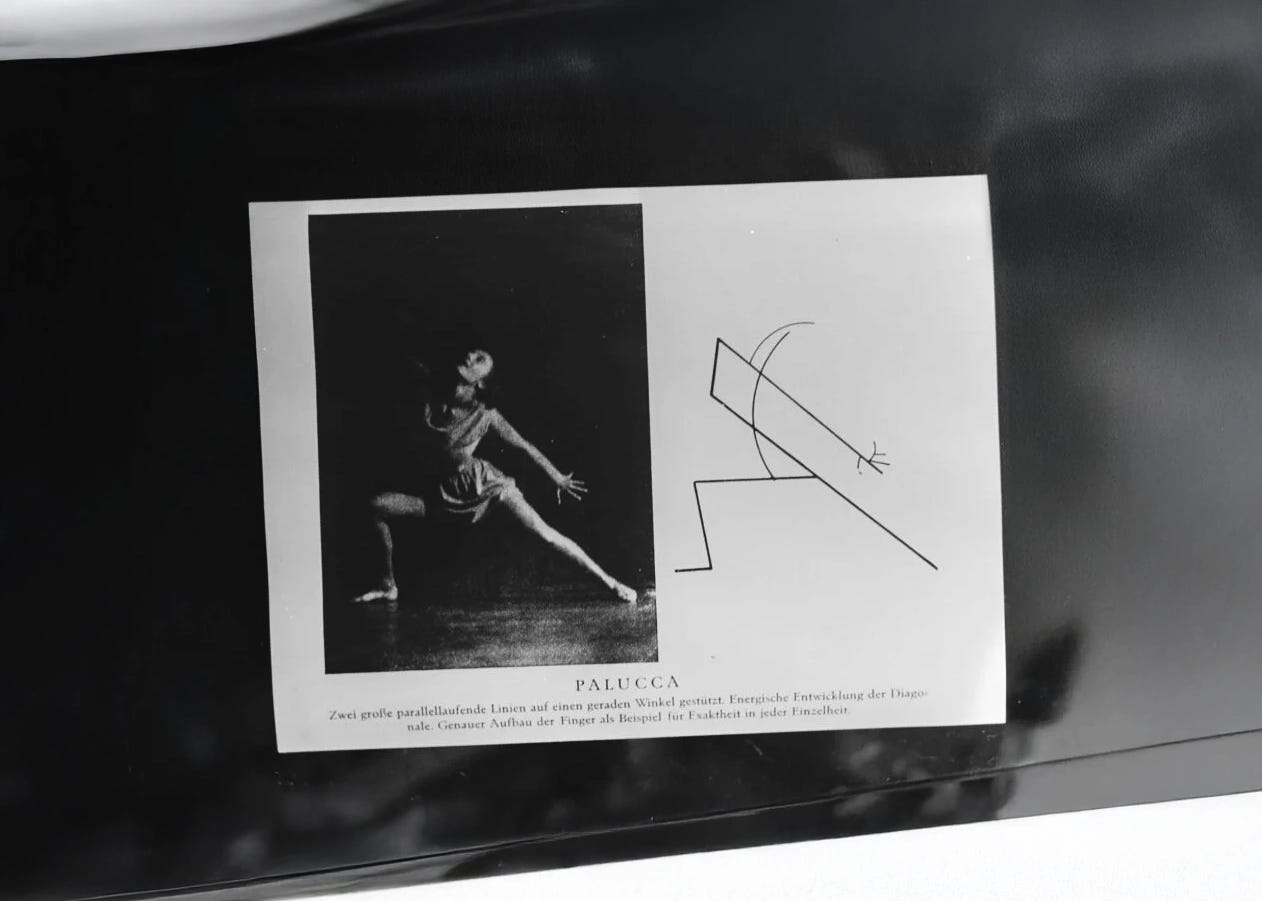
Photograph by Erich Höhne. Courtesy of Deutsche Fotothek.
Writing and dance as parallel systems of form, tension, and release. Text by Marguerite de Ponty.
Read More
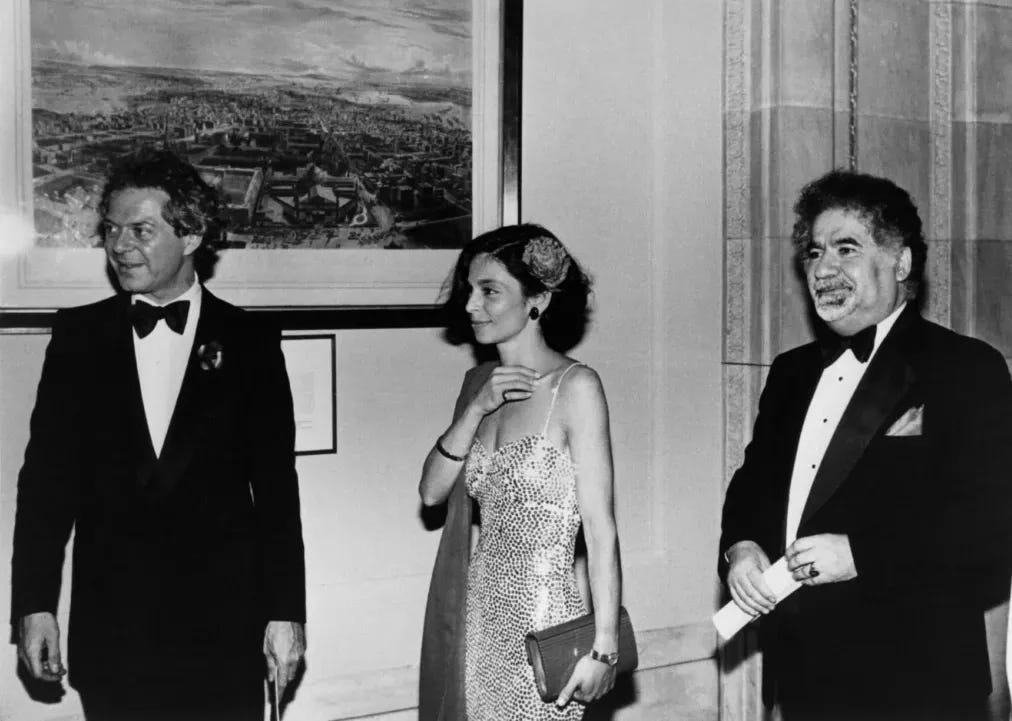
Franco Maria Ricci in 1984, at the launch of FMR U.S.A. at the New York Public Library.
A final conversation about art, mortality, geometry, and memory. Text by John Hudson White.
Read More
Comments
Nothing yet. Say the first thing.
Sign in to join the conversation.