
🎉 Welcome to my newsletter, The Boy Who Bakes, a subscriber-supported newsletter dedicated to all things baked. Paid subscribers get a new recipe EVERY WEEK, and this normally costs £5 a month, but for the next few weeks, you can subscribe with 20% off for the lifetime of your subscription! An absolute bargain! .🎉
Hello, happy Friday!
It has been so hot this week that I am half expecting absolutely no one to read this! Who wants to bake in the middle of a heatwave? Yesterday my kitchen reached 36ºC, with no aircon, and I turned on the oven, like a madman!
White chocolate isn’t real chocolate. This is a statement I hear more than you’d think, mainly from avowed white chocolate haters. Their own personal dislike of the stuff has led them to cling to the claim that it’s not actually chocolate. While we could debate this, I am going to shut this down straight away. White chocolate is real chocolate. I will caveat that and say that's true if you buy real white chocolate and not a confection pretending to be the real deal (there's no palm oil in any real chocolate). While I genuinely love white chocolate, I think it's a brilliantly functional product that is incredibly useful in the world of baking; I can understand that some people find it too sweet or one-note. Those things, we can change!
Why Doesn’t White Chocolate Taste Of Chocolate
White chocolate is made from cocoa butter, sugar and milk powder, sometimes with the addition of vanilla and an emulsifier, either sunflower or soya lecithin. Because the chocolate contains cocoa butter, you might expect the finished chocolate to have some sort of cocoa flavour. Most commercial white chocolate is, however, made with cocoa butter that has had all of its flavour removed. This is what is known as deodorised cocoa butter. It is the same cocoa butter sold to the beauty industry; it's a relatively tasteless fat. This is the reason that much of the commercial white chocolate is simply ‘sweet’ or ‘one note ’, the flavour predominantly coming from vanilla. But this doesn’t have to be the case. One of my favourite white chocolates, made by Pump St Chocolate, is made with natural cocoa butter, and the resulting chocolate has a much more complex flavour with clear cocoa flavour notes.
A Brief Timeline Of Caramelised White Chocolate
This type of chocolate has a relatively recent origin story, created by Valrhona Chocolate of France in 2006; they launched their commercial version, Dulcey, to market in 2012. Their origin story is that a bain-marie with white chocolate was left accidentally, and when the chef finally realised what he had done, he came back to a bowl of chocolate that had toasted and caramelised. For my fellow Brits, you may be thinking, wait, wasn’t Caramac around many years before that? It's true, this candy bar predates Valrhona products, having been on British shelves since 1959 (RIP). Whilst this product certainly looked similar and even had a similar flavour profile, it wasn’t actually chocolate. This candy bar was actually just made from a selection of vegetable fats, sugar, milk powder and condensed milk. Whilst I cant find much information on how it was made, it is described as being ‘caramel’ like in flavour profile so I would hazard a guess that it was made from caramelised sugar and condensed milk. Within 5 years of the launch of Dulcey, this style chocolate was taking over the world, and unlike Ruby chocolate (a controversial chocolate for discussion another time) its popularity was almost instant and long lasting. This is now a staple of many chocolate companies and a very popular ingredient in its own right. If you don’t want to make it yourself, many companies now make and sell their own versions.
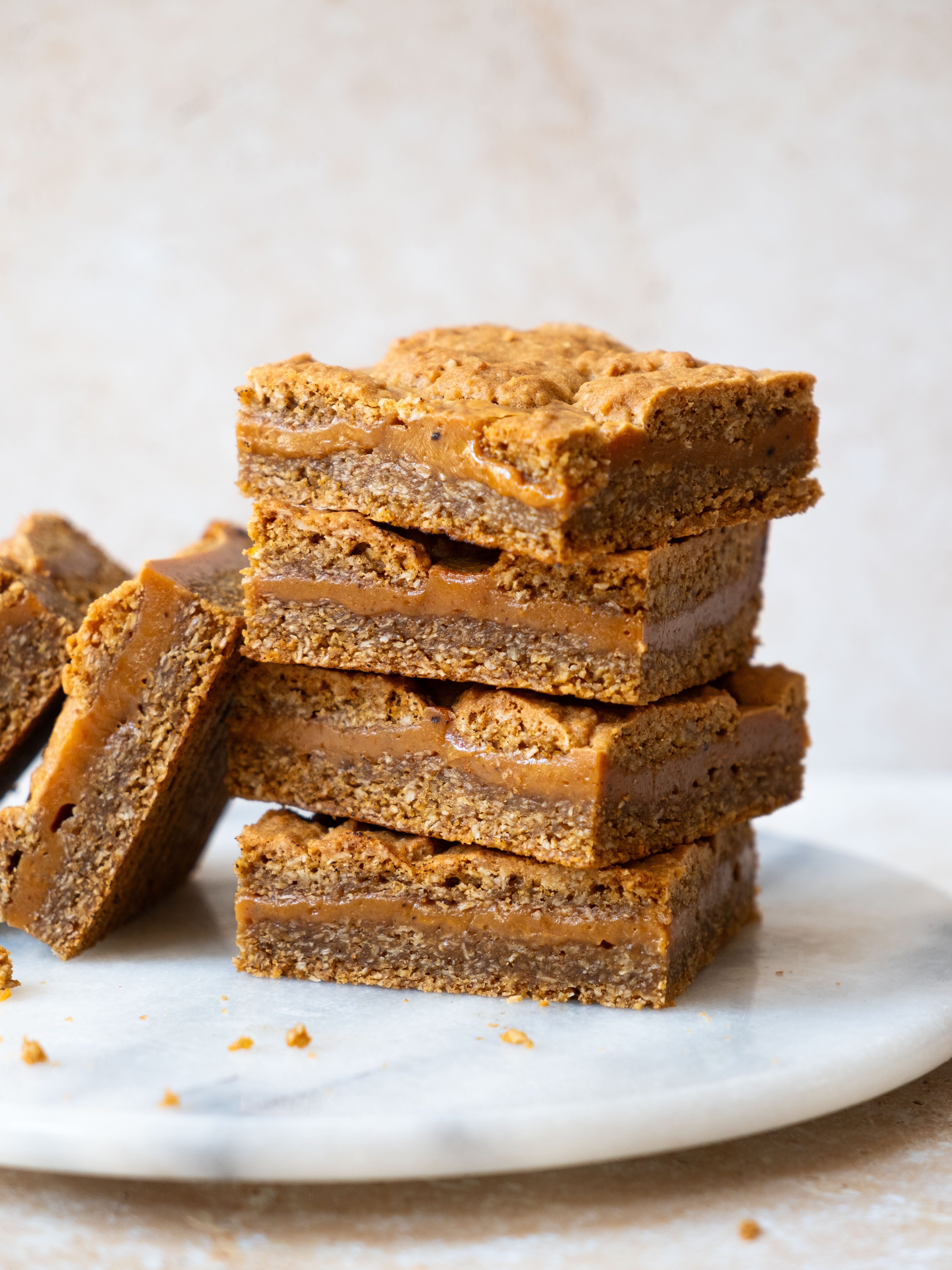
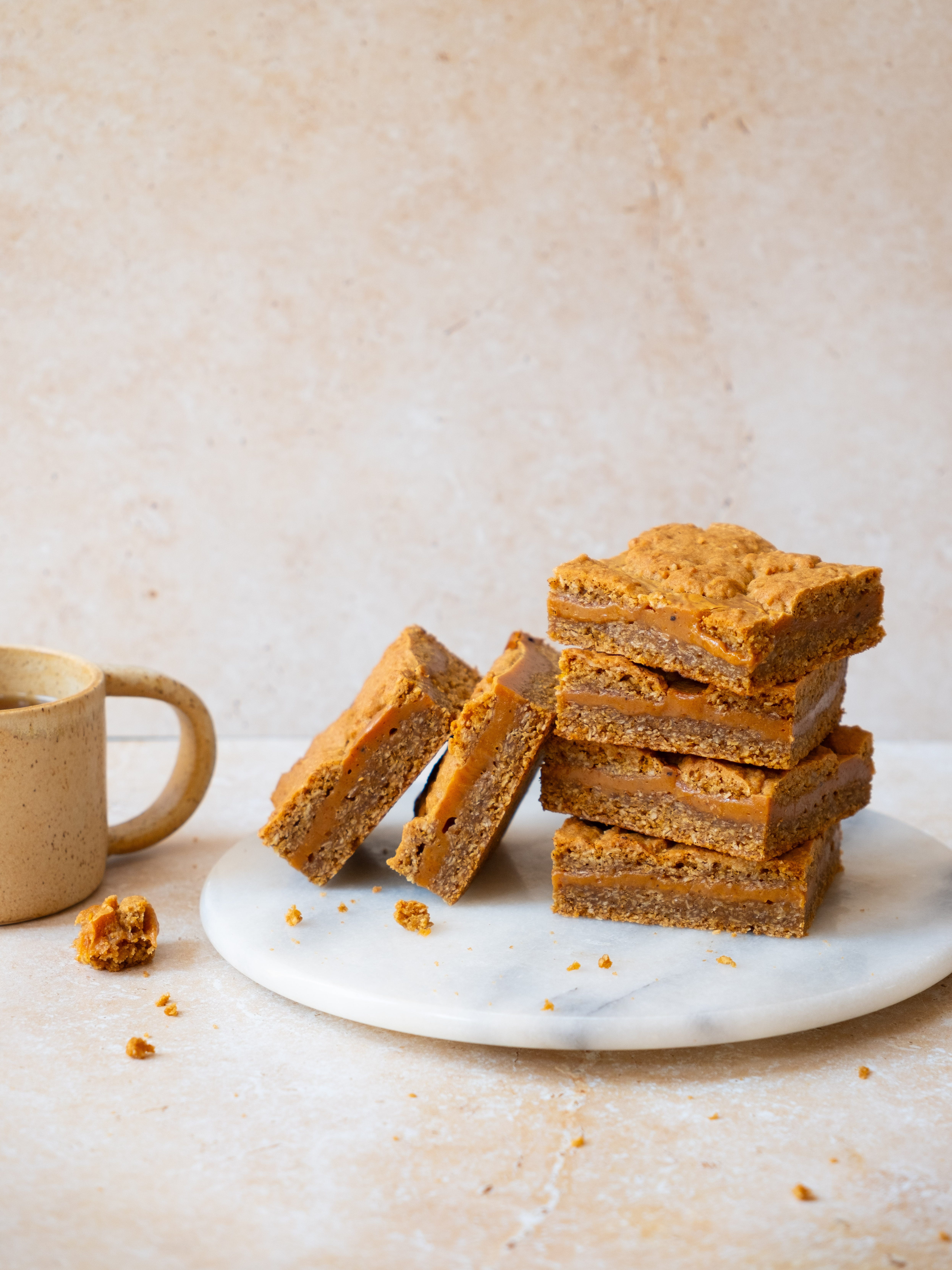
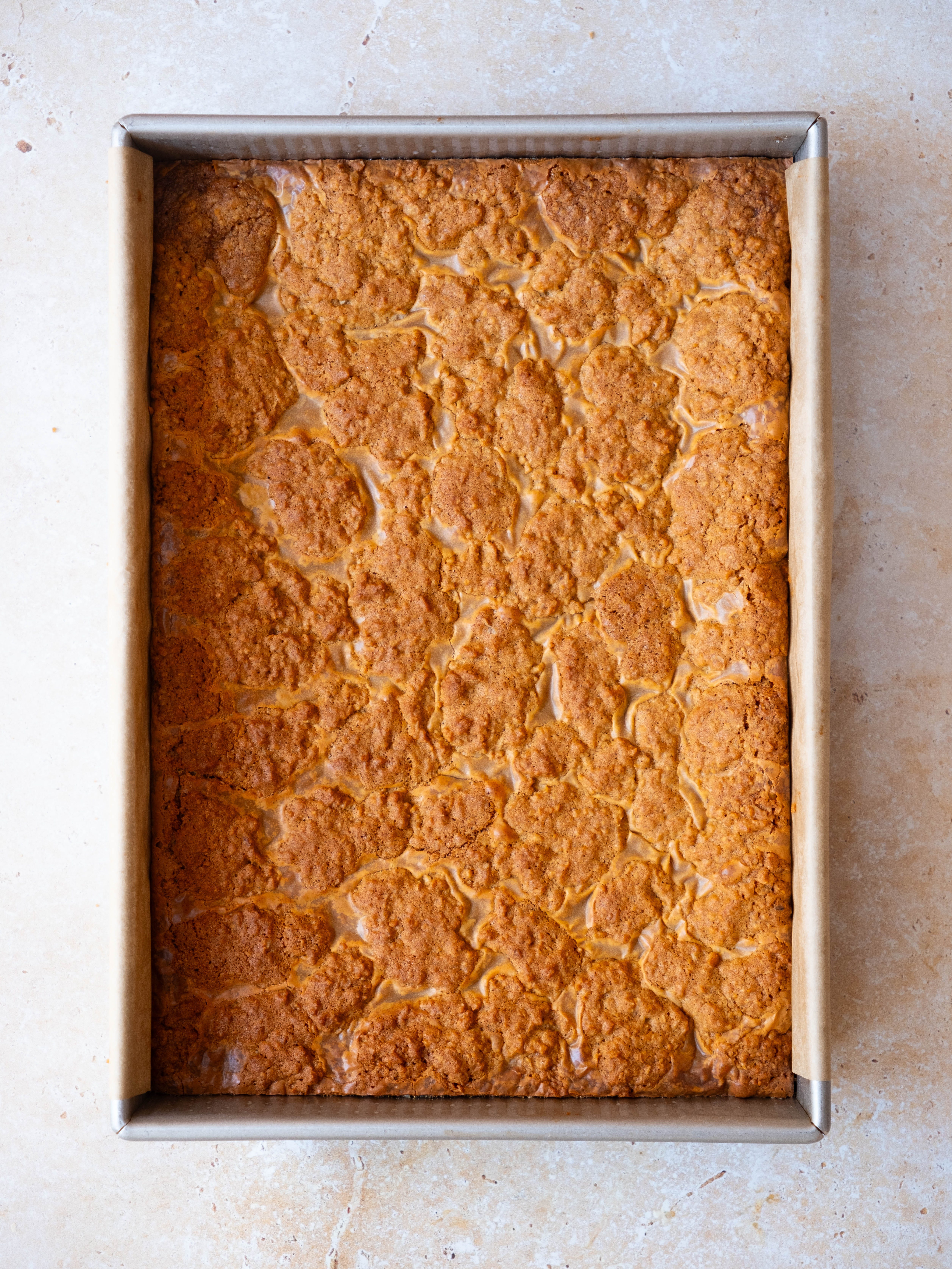
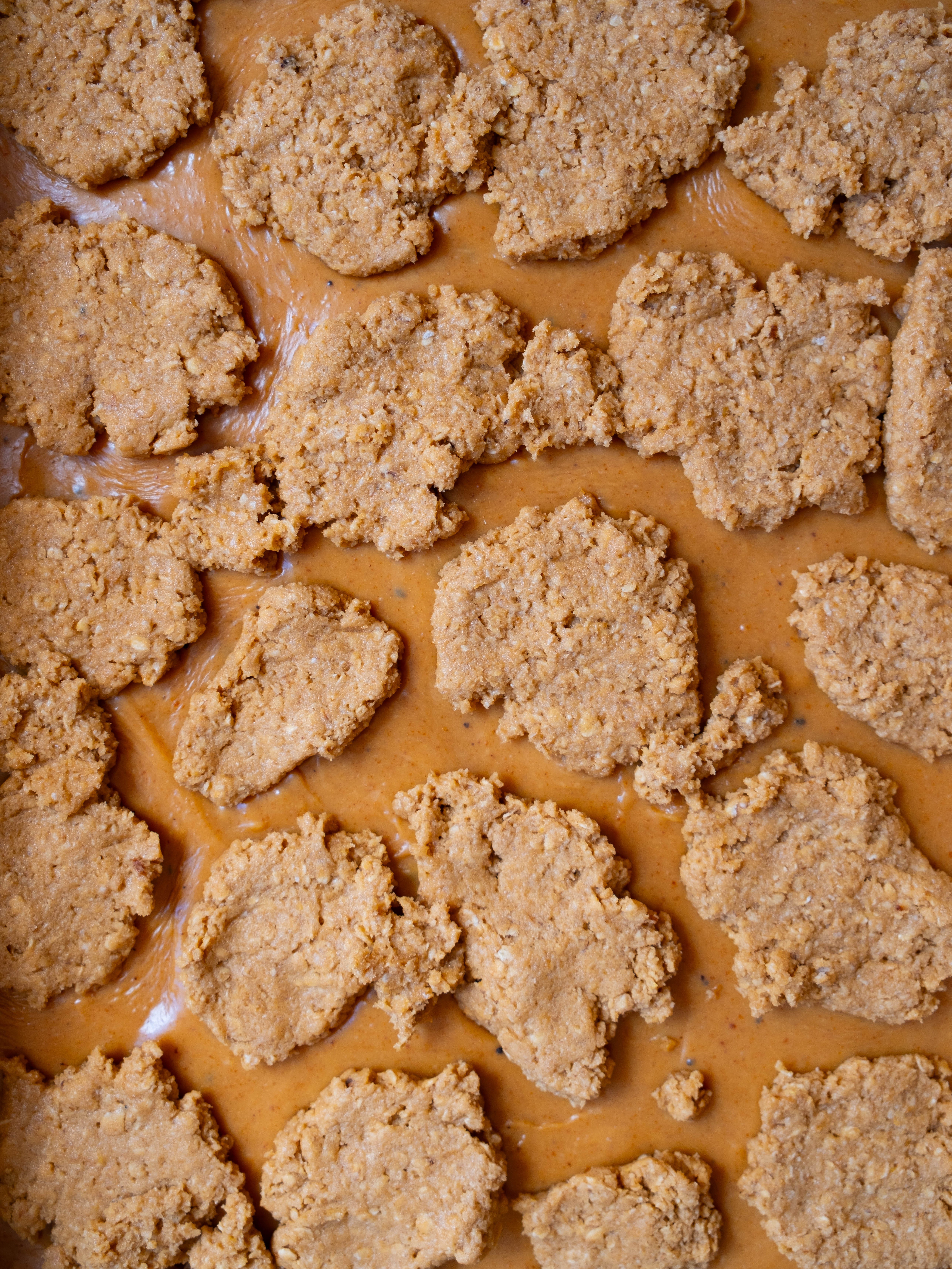
For paid subscribers this week, I have a fabulously simple recipe that utilises caramelised white chocolate, pairing it with coffee and a chewy oatmeal cookie dough to make a deliciously chewy bar cookie. A version of the Midwestern Revel Bars; these are a surefire crowd-pleaser that takes very little effort to make.
How To Make Caramelised White Chocolate
It is incredibly easy to make this chocolate; the most important thing is to start with good quality white chocolate. Ideally, this means something with around 30% cocoa butter. This amount of cocoa butter helps keep the chocolate smooth and creamy throughout the process. You can caramelise chocolate with less cocoa butter, but it can become a little grainy in texture.
The Oven Method
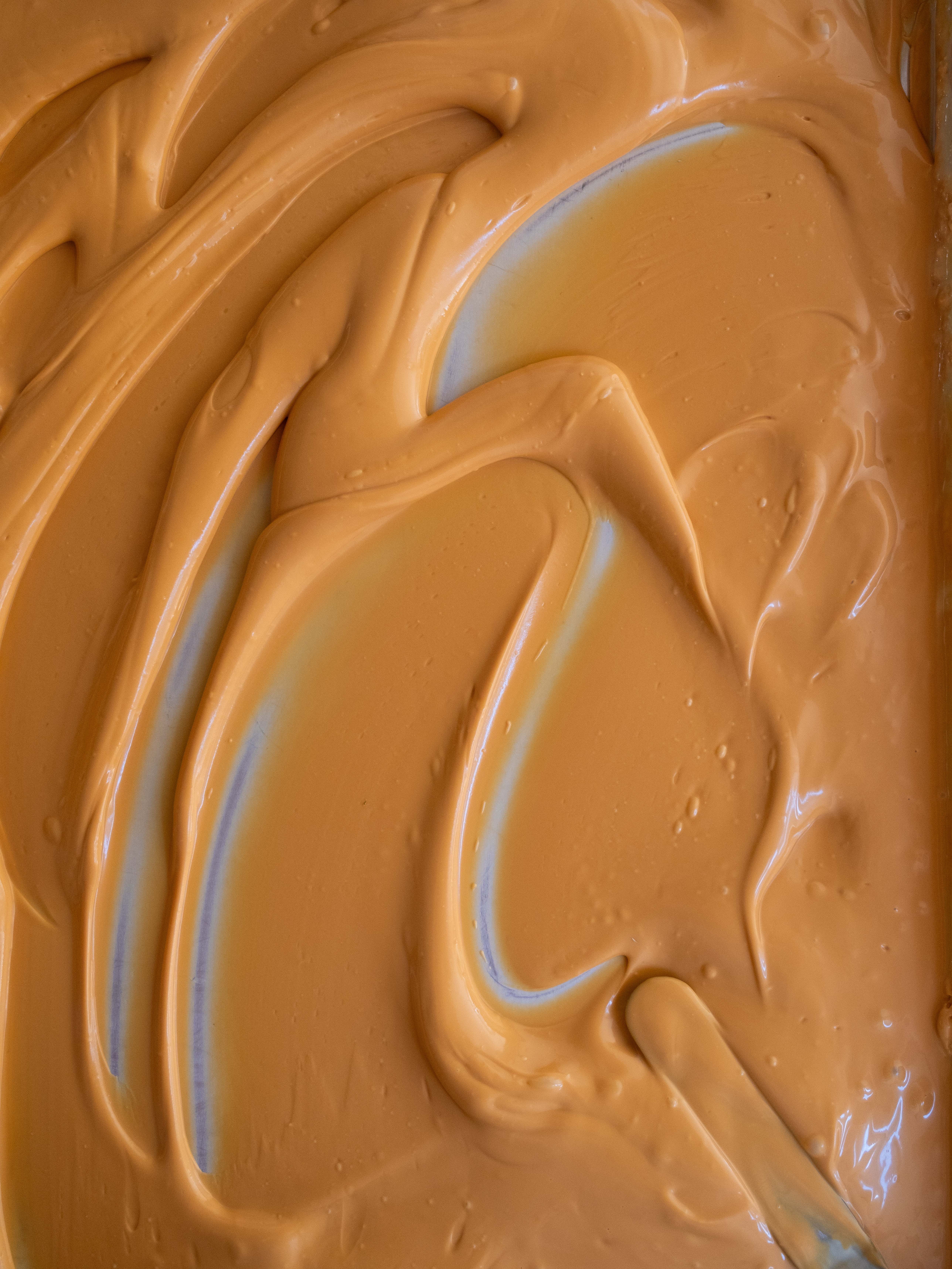
This method works well but is on the slow side. The most important part of the process is to make sure you thoroughly stir the chocolate as it cooks and to continue cooking it until it reaches a deep golden colour. I prefer to use a minimum of 300 g (10½ oz) white chocolate. You can use less, but this amount means it heats more evenly and is less prone to scorching.
Preheat the oven to 120°C (250°F). Roughly chop the chocolate and spread in an even layer across a rimmed baking tray (sheet pan). Place the tray in the oven and leave for 10–15 minutes. Remove the tray from the oven and stir and spread it with a spatula. Continue cooking the chocolate for around an hour in total, stirring every 10 minutes until the white chocolate has become deep golden brown, almost the colour of dulce de leche. Once the
chocolate is caramelised, I like to stir through a pinch of sea salt to elevate the caramelised flavour. Pour the finished chocolate onto a separate baking tray lined with baking parchment and spread in an even layer. Place in the refrigerator until fully set, then break into shards and store in a sealed container in a cool, dark place.
Note: When you remove the chocolate from the oven to stir it, you may find it has become stiff and grainy. Before you return it to the oven, make sure to stir it until the mixture becomes completely smooth again. If lumps remain, the finished chocolate can have an unpleasant texture.
The Microwave Method
This method is quicker, but it is also more hands-on and requires more frequent stirring. It is also my preferred method when only a small amount of the chocolate is required. Put the chocolate in a heatproof bowl and place in the microwave. Heat in short, 45 second bursts, stirring very well between each blast of heat. Repeat this process until the chocolate looks a little crumbly and has started to take on some colour. At this point repeat this process, using shorter 20-second bursts of heat, until the chocolate has reached the desired level of caramelisation, finishing with a little salt. This entire process can take up to 15 minutes. Pour the finished chocolate onto a baking tray lined with baking parchment and spread in an even layer. Place in the refrigerator until fully set, then break into shards and store in a sealed container in a cool, dark place.
Note: As with the oven method, the texture of the chocolate will change as it is heated, so make sure to stir vigorously until smooth after every blast of heat. Take care not to leave the chocolate in the microwave for too long as it can overheat and become scorched very easily.
If you need more recipe ideas for this delicious form of white chocolate, my book Chocolate Baking has a whole bunch of ideas and recipes.
Comments
Nothing yet. Say the first thing.
Sign in to join the conversation.