RSS Amplifier

Blog

EcoResilience Initiative

On a mission to assess which interventions make the biggest difference to global biodiversity outcomes. We have a global scope, a ruthless focus on effectiveness and consider the long-term future of life on Earth.

ecoresilienceinitiative.substack.comSource feed ↗10 posts

Live Last read · last published · next check

Written by

Latest posts

Best Charity 2025

The Pilot Donation Recommendation: After considering many different interventions, we have determined that the Good Food Institute (GFI) is the organization which most effectively reduces global biodiversity loss (in terms of the number of evolutionarily distinct species saved from extinction per dollar).

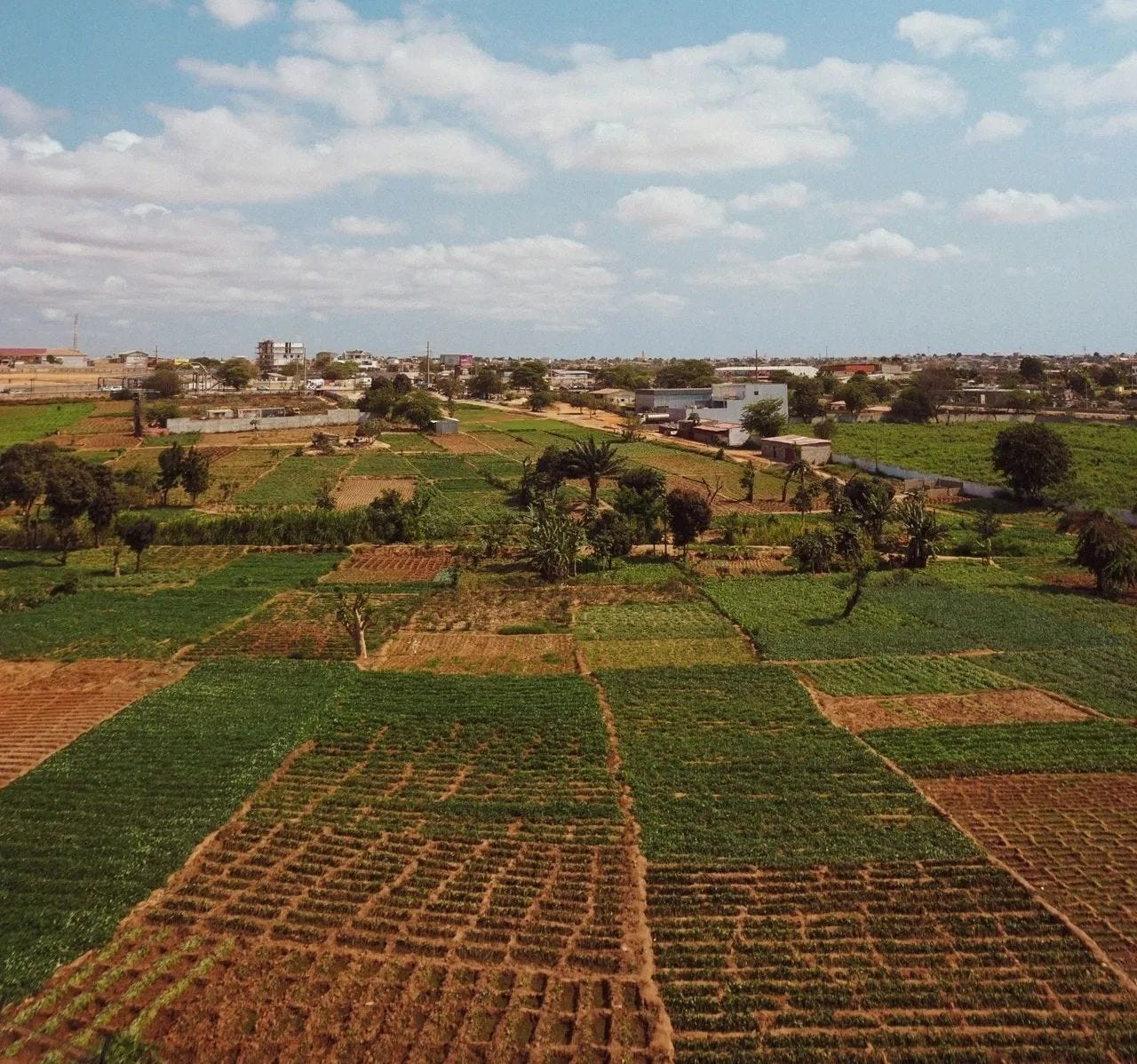
Fertilizer Use in Sub-Saharan Africa

Fertilizers can serve as levers to mitigate this loss in biodiversity. By increasing crop yield per hectare, fertilizers reduce the total amount of land area needed to accommodate a human population.

Top Places to Donate to Fight Biodiversity Loss

Recently we highlighted precision fermentation as our top biodiversity intervention due to its potential to permanently reduce deforestation within 5-10 years.

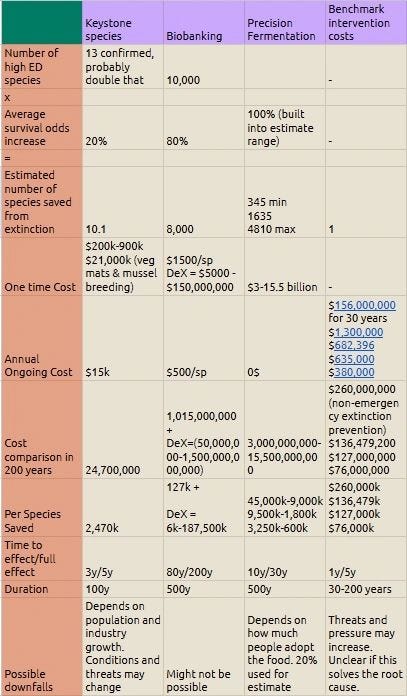
Quantifying the Most Effective Interventions

As we investigated 15 different contender interventions, we looked for interventions that had strong performance across several key criteria.

Our Process

A rough overview of our process, we welcome your critical feedback!

BioBanking

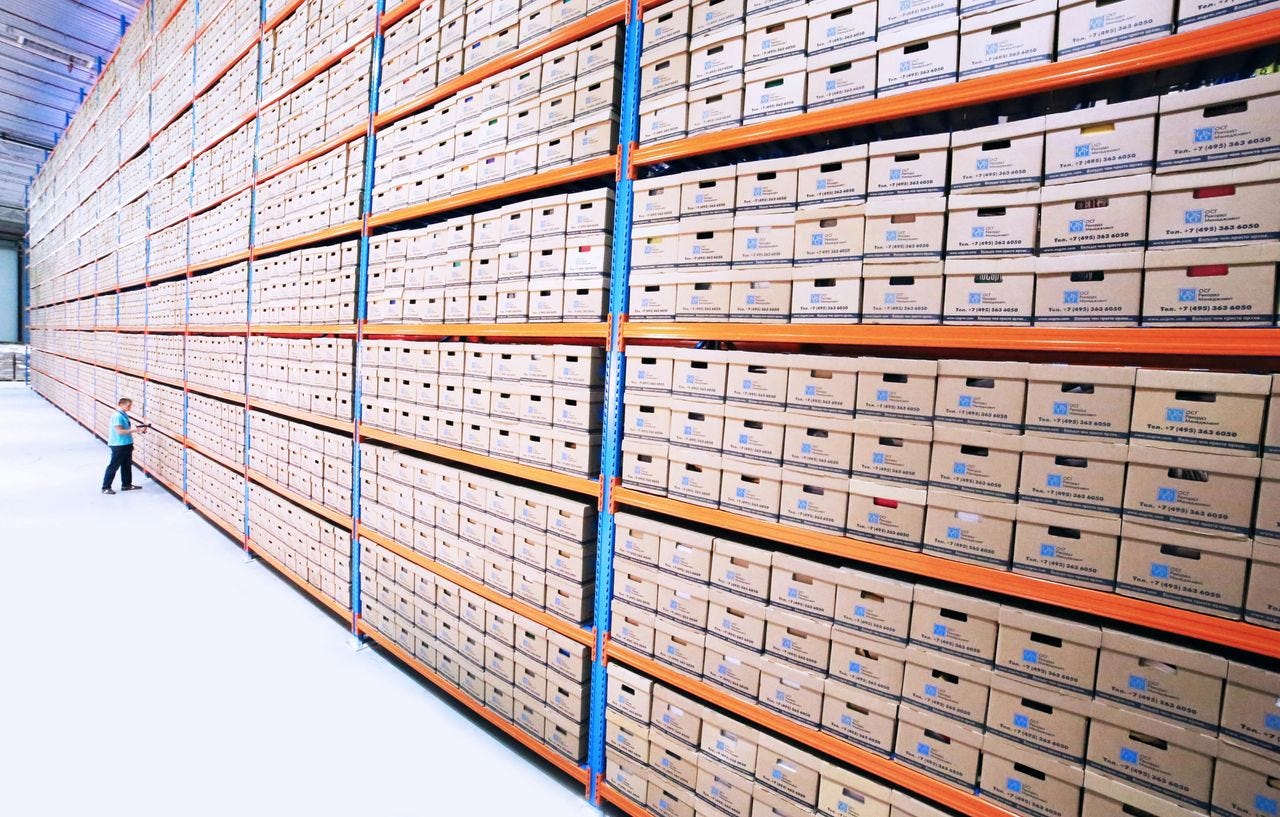
Biobanking is the idea of preserving (usually by freezing) tissue samples (ideally embryos) from species at risk of extinction.

Precision Fermentation

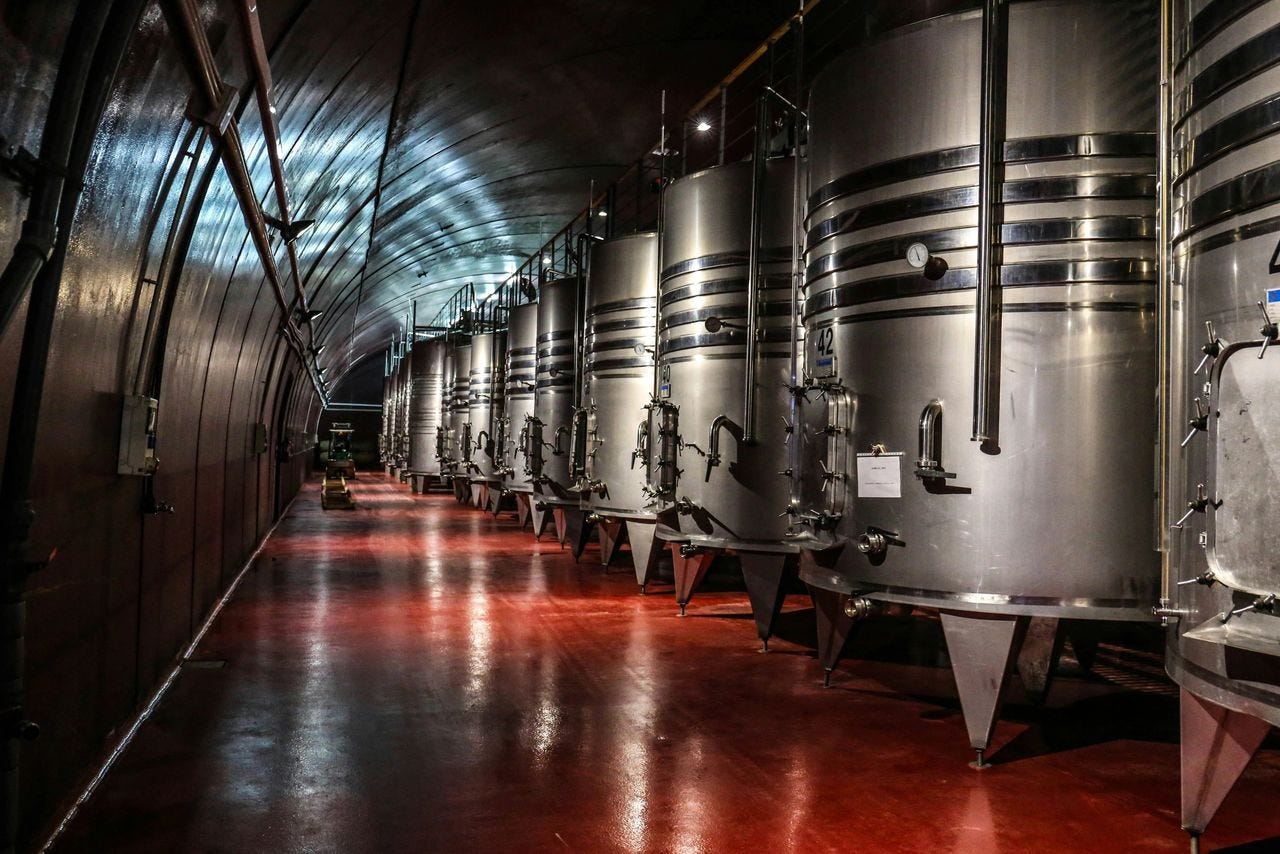
Instead of growing the whole animal, what if we just grew the protein? Precision fermentation is duplicating the molecules we like to eat. It sounds futuristic except we’ve been doing it for decades.


Common Asset Trusts & Compensatory Mitigation Banks

Can different financial mechanisms work for biodiversity instead of against it?

Deep Ocean Mining

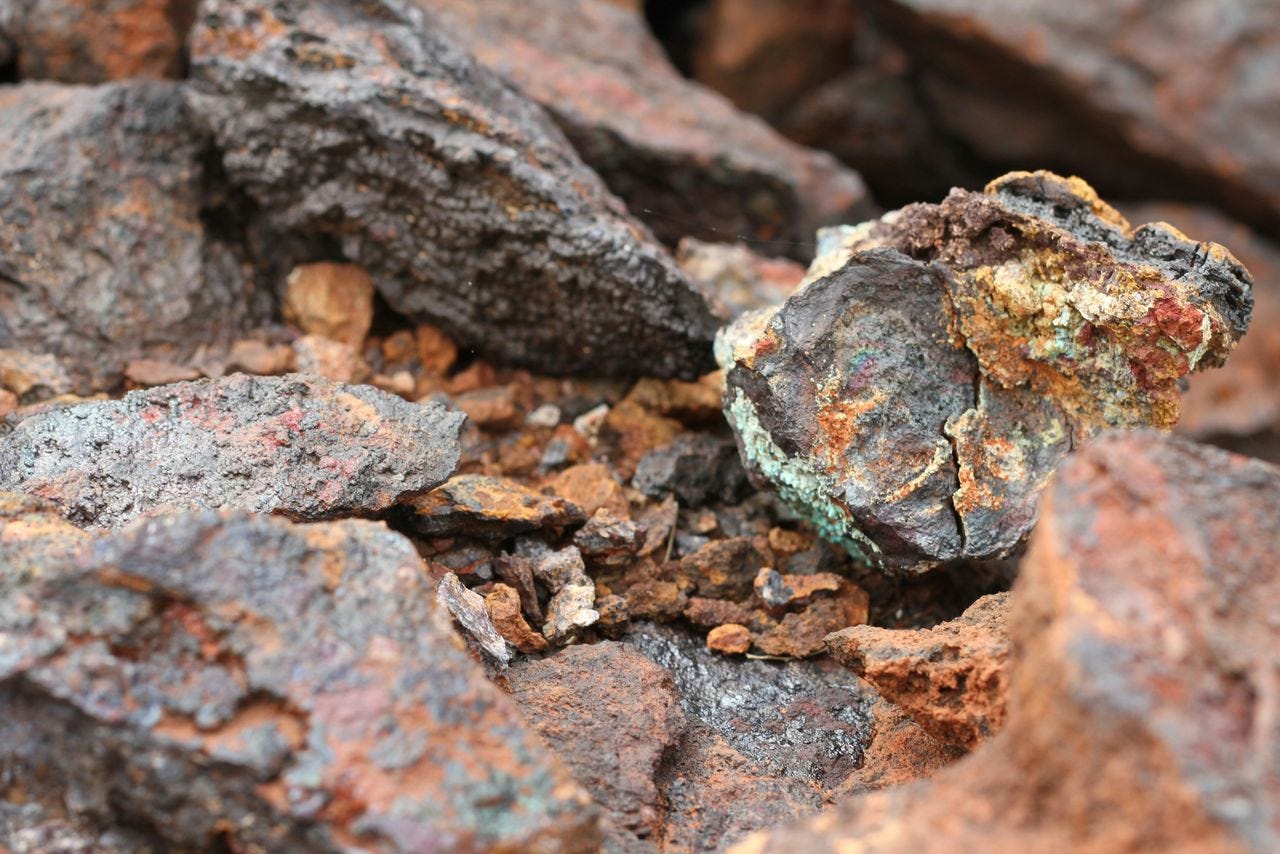
The deep ocean contains valuable minerals which can be mined in areas that have extremely low biodiversity and very common habitat types.

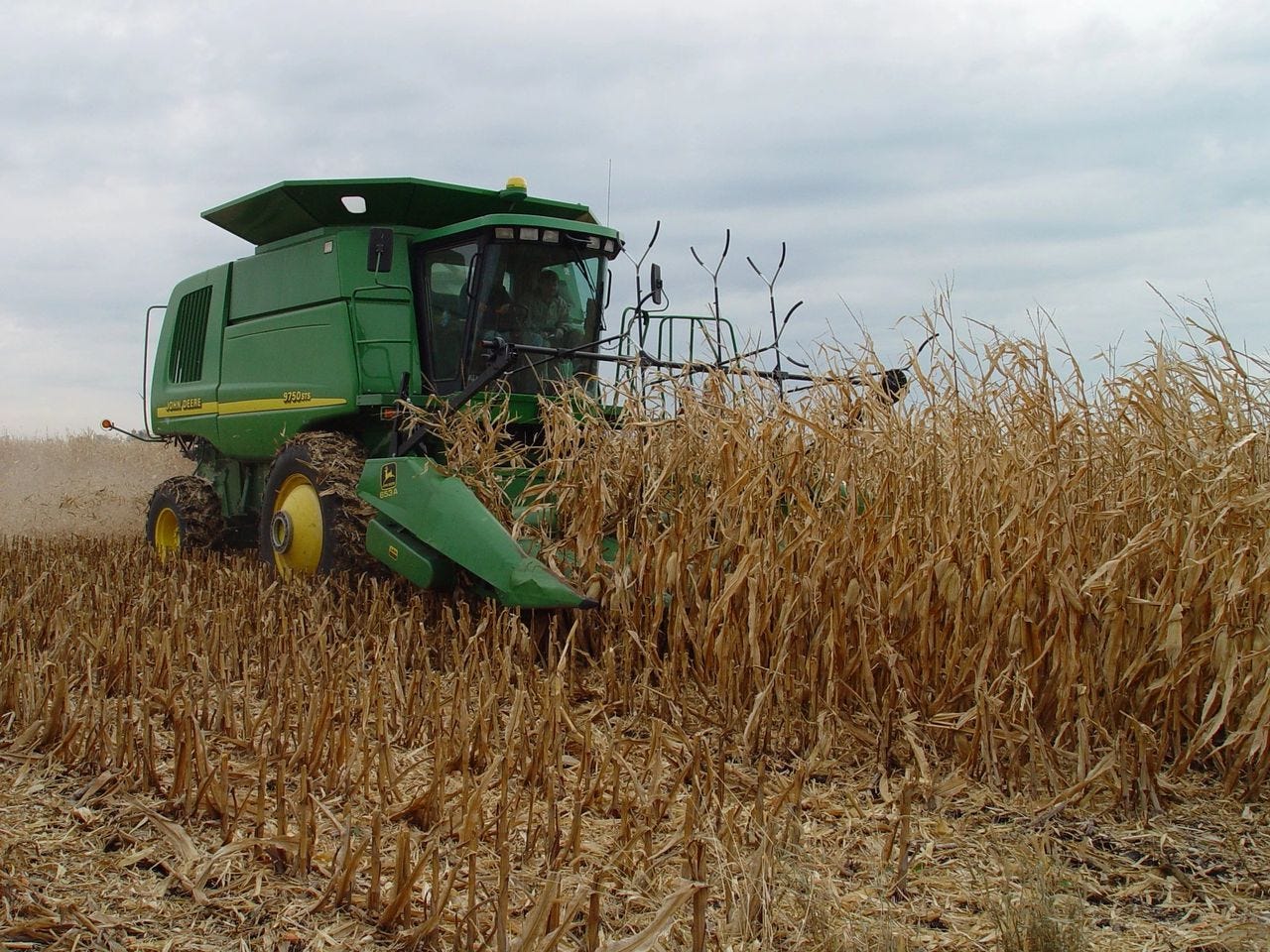
Improving Crops

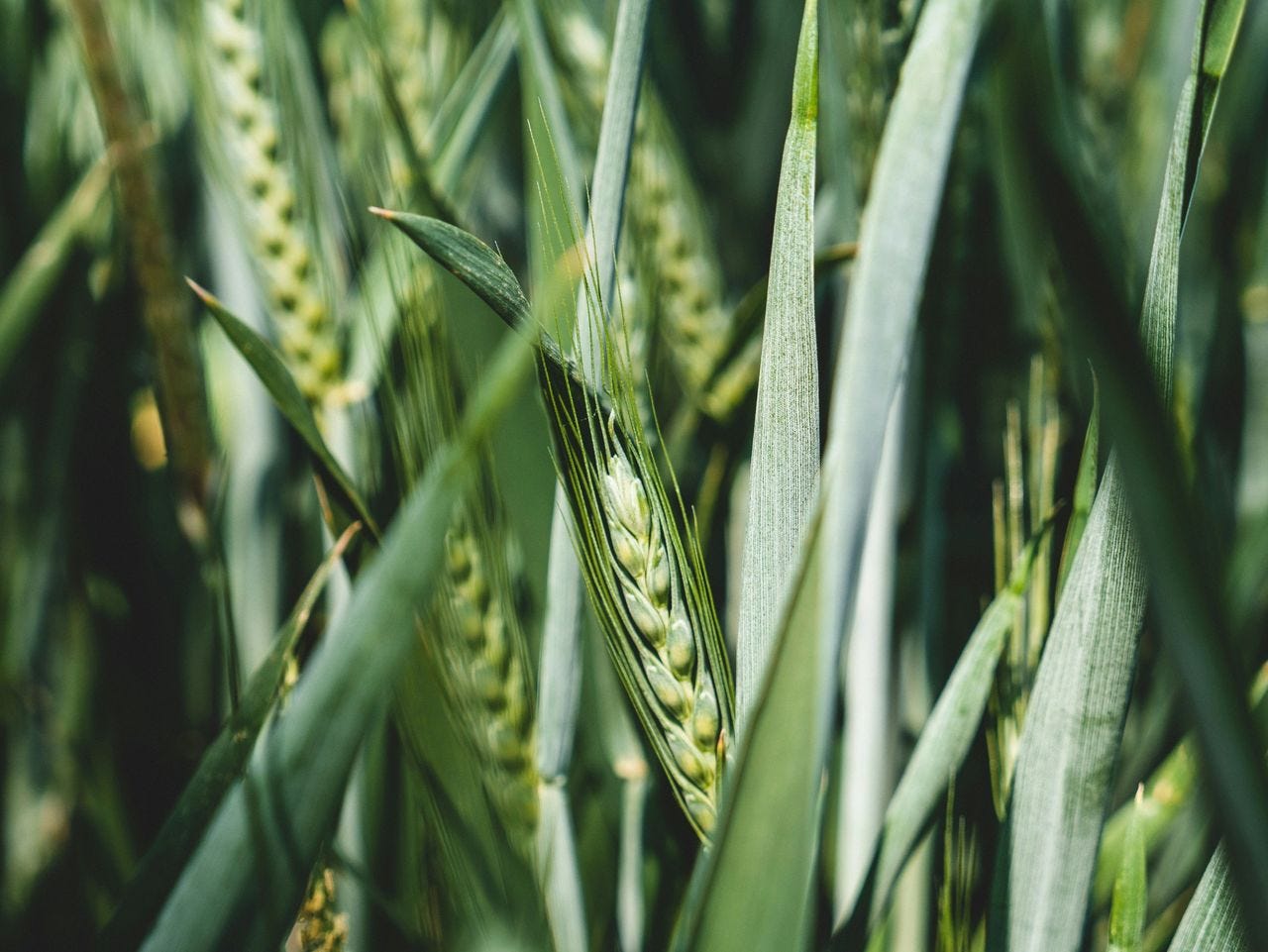
One of the biggest drivers of biodiversity loss is habitat conversion to agriculture, so it might be important to make agriculture more efficient.