
-by Josh Schlossberg, Colorado Advocate, Eco-Integrity Alliance
The State of Colorado’s Ponderosa Mountain Pine Beetle Task Force’s new “Comprehensive Work Plan” reveals what appears to be a pre-determined agenda to downplay, distort, and/or dismiss the consensus of peer-reviewed science to exploit the latest natural wave of native insects to reroute more taxpayer dollars to fund an unprecedented expansion of industrial logging across public lands.
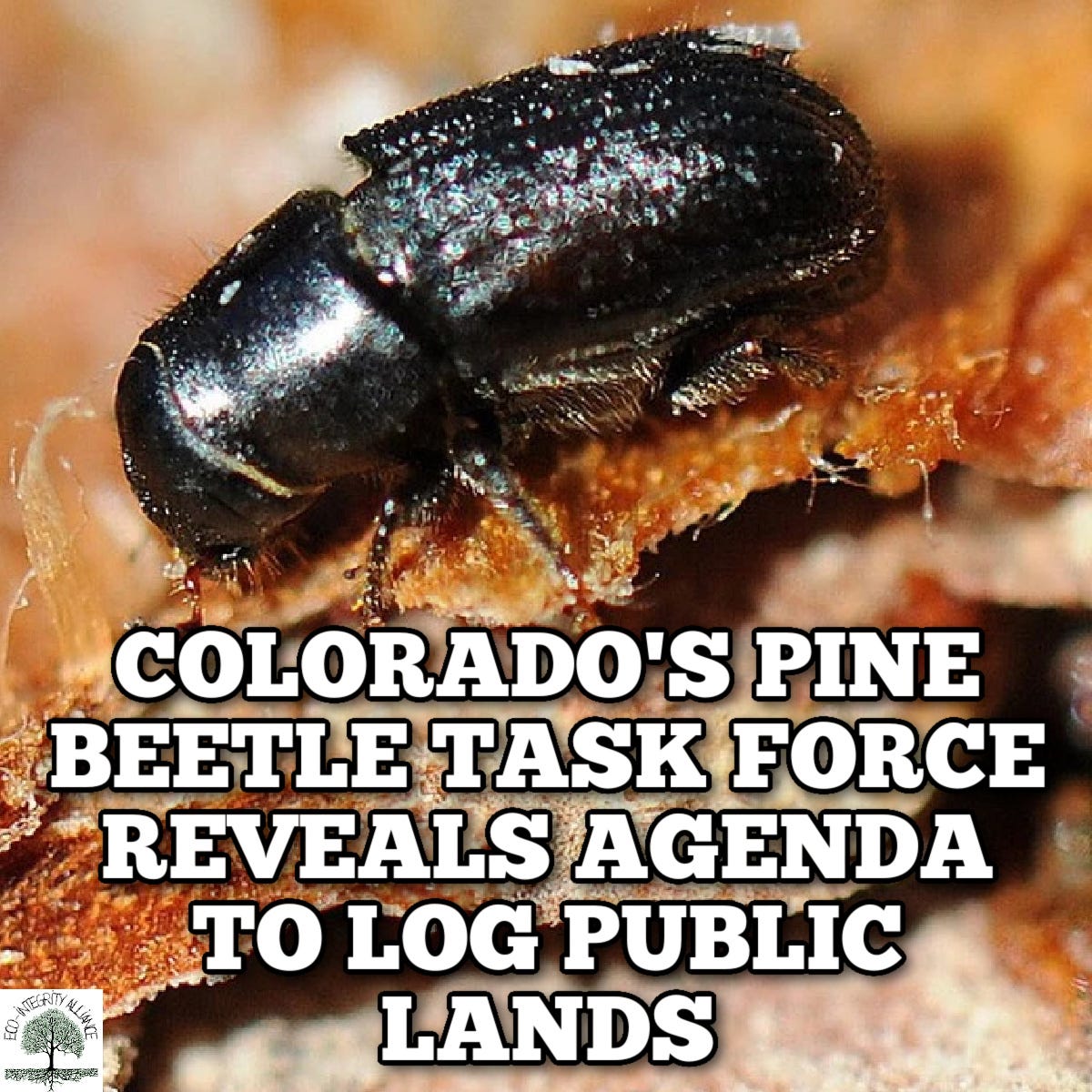
Formed in December 2025 by Colorado Governor Jared Polis, the Task Force is made up almost entirely of representatives from governments, agencies, industries, and NGOs that carry out and/or promote controversial, scientifically contested, experimental “fuel reduction” logging on public lands financed by millions in annual taxpayer dollars.
Despite repeated calls from the scientific, conservation, and forest-edge communities to balance Task Force membership, Governor Polis and the Department of Natural Resources refused to appoint a single independent scientist without conflict of interest nor representative of a conservation group the least bit critical of the industry/government narrative on wildfire and forests.
The Work Plan makes zero mention of the consensus of peer-reviewed science—including from CU Boulder and Colorado State University—“refut[ing] the assumption that increased bark beetle activity has increased area burned” or finding how “large patches of beetle killed trees are generally less flammable at broad scales, not more so.”
On the contrary, the document suggests that the Task Force intends to demonize beetles—and the ecologically-essential dead trees they create—to further whip up fire hysteria among elected officials, media, and the public.
Indeed, the Task Force and nearly all its members, independently, are weaponizing the exact same sky is falling rhetoric from the earlier mountain pine beetle wave that peaked around 2010 in Colorado. While that previous naivete may or may not be excused due to limited research at the time, today with the vast body of science debunking such myths, it can only be seen as deliberate.
With surprising candor, the Task Force admits its ultimate goal is to increase taxpayer-subsidized industrial logging across public lands by expanding timber and forest “biomass” energy markets, which typically involves clearcutting and mature and old-growth tree removal across public lands including Roadless Areas, endangered species habitat, and old-growth forests.
Below are direct quotes from the Task Force’s June 2026 Comprehensive Work Plan broken into several sections, followed by scientifically cited commentary from Eco-Integrity Alliance.
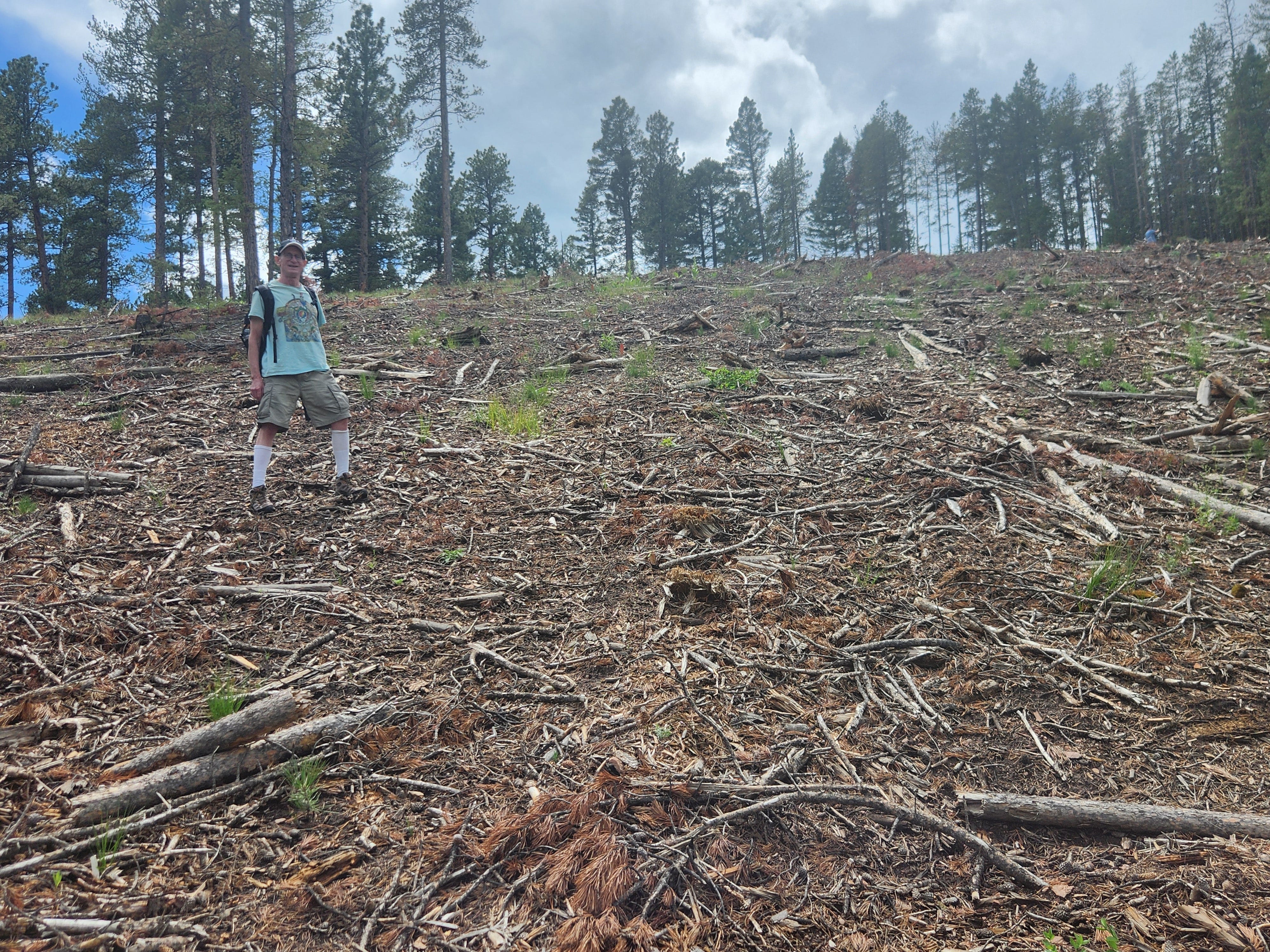
Task Force’s goals, strategies, and tactics to expand taxpayer-funded industrial logging across public lands.
Task Force Work Plan Direct Quotes:
“The purpose of the Ponderosa Mountain Pine Beetle Task Force is to coordinate across state, local, federal, private, and nonprofit partners to advance near-term, medium-term, and long-term recommendations for responding to the mountain pine beetle outbreak. In most cases, these recommendations also apply more generally to Colorado’s forest health and wildfire challenges.”
“…the broader public understanding of forests as dynamic systems benefiting from strategic active stewardship, and the shared agreement on what that stewardship should look like, has not yet reached the scale that supports efficient and consensus outcomes needed in crisis moments.”
“Members identified that the Task Force’s contribution is less about doing new technical work and more about storytelling and communication that builds shared understanding;”
“The Task Force’s longer-term communications work will focus on helping communities and constituents understand what actions are appropriate now, what will take years, and what will require sustained public and political will.”
“This vision is what we want to achieve—not what currently exists…”
Eco-Integrity Alliance Commentary:
The “vision” alluded to by the Task Force—one where Colorado’s wildfire threats are hugely exaggerated to further increase taxpayer funding of industrial logging on publicly-owned lands—has in no small part been concocted, perpetuated, and led by those with the greatest professional, financial, and ideological conflicts of interest in the state sitting on the Task Force (see “Colorado’s Pine Beetle Task Force: A Who’s Who of Who’s Logging Public Lands”).
This spring, many Task Force members, including candidate for Lieutenant Governor, Lesley Dahlkemper, testified against—or in the case of Colorado State Rep. Leslie Smith, voted down—a bill in the state legislature that would’ve routed a portion of “wildfire mitigation” money towards home hardening grants for low-income, elderly, and disabled residents, the only actions scientifically proven to protect communities from wildfire.
While claiming a “shared understanding,” the Task Force admits that its goal is to promote a pre-packaged industry/agency (we’d argue, false) narrative that the natural process of native insects killing trees—in this case, the mountain pine beetle—is visual proof that forests are unhealthy.
The Task Force’s next (debunked) talking point is that these supposedly sick or “overgrown” forests (yes, the Task Force insists both dead and growing trees are problematic) are causing more, larger, and higher-severity wildfires—which is untrue—and therefore the only way to protect communities and the forest itself is by spending millions more tax dollars on logging.
The Work Plan makes no mention whatsoever of the experimental nature of these landscape-wide schemes, the extreme conflicts within the scientific literature (much of which is funded by the very agencies promoting/carrying out the logging), nor mounting concerns from the scientific, conservation, and forest-edge communities.
The very notion that the Task Force insists that it “understands what actions are appropriate”—and therefore has the credibility, much less authority, to manipulate “public understanding”—is debatable at best, proven to be at least partly inaccurate, and frequently counterfactual.
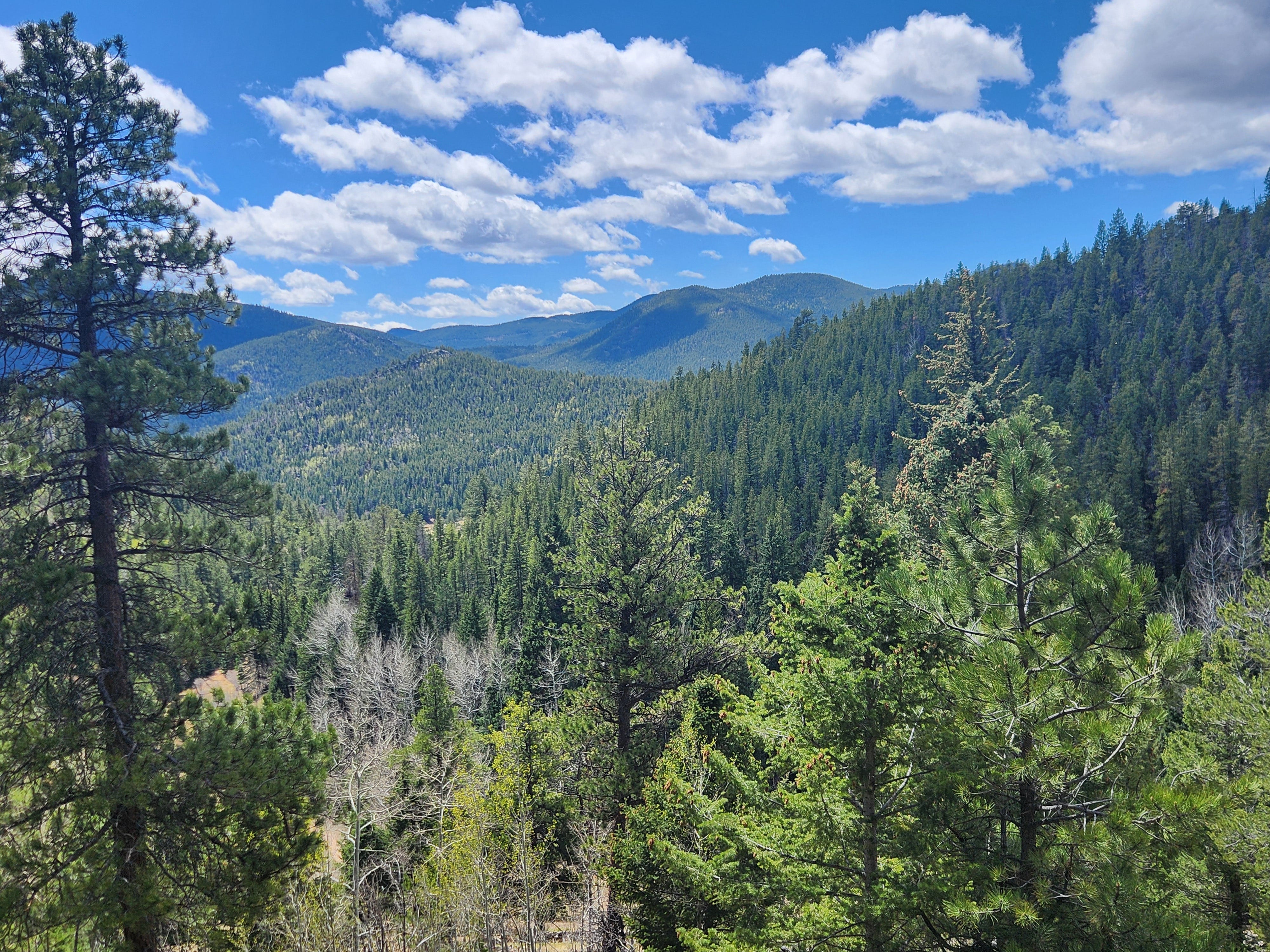
Task Force’s lack of understanding, cherry-picking, and/or intentional deception regarding the body of peer-reviewed scientific literature on beetles, forests, and wildfire.
Task Force Work Plan Direct Quotes:
“This Working Group will address one of the most time-sensitive dimensions of the Task Force’s work, ensuring that Colorado is as prepared as possible for wildfire risk and response. The urgency of this work is compounded by collective concern that this summer may present a particularly challenging fire season independent of the beetle outbreak, given the drought conditions and limited snowpack resulting from 2025-26 unseasonably warm and dry winter.”
“Wildfire Preparedness and Response for 2026—Immediate action on detection, response, and coordination is already critical in this region and across the state independent of the myriad of increasing challenges associated with the beetle outbreak. This is an urgent near-term priority for the full Task Force.”
“Near-term actions should meet at least one of the criteria listed in the worksheet: achievable within existing authority, directly supporting the 2026 fire season…”
“…including priorities related to the emergence of widespread dying trees and a potentially challenging 2026 fire season.”
“Develop clear, shared messaging for summer/fall given current and expected fire conditions and increasingly visible tree mortality.”
“One proposed near-term action is developing a core summary document and messaging framework members can use with their constituents, covering wildfire preparedness, immediate actions landowners can take, and the relationship between beetle impacts, forest health, and fire risk.”
“Members consistently identified public safety and wildfire as the most immediate and high-stakes concern.”
“Develop insurance strategies to address the impacts to fire risk in Colorado as a result of the outbreak.”
“One communications priority is helping Coloradans understand the full scope of what is ahead; the outbreak will persist for a decade or more, trees will die at a visible scale, and fire risk will remain elevated in this region even as any direct relationship of fire-risk to beetle-kill may change over time.”
“Members were consistent and honest about this: the beetle outbreak cannot be curtailed at scale and the Task Force cannot materially change this fire season’s outcome through treatments alone. Overpromising on either point would undermine credibility.”
Eco-Integrity Alliance Commentary:
While simultaneously and for the most part erroneously linking beetles with increased fire risk across the landscape, buried in the Work Plan are a few telling admissions which suggest an intention by the Task Force to knowingly mislead elected officials, media, and the general public.
The consensus science debunking a solid link between beetle killed trees and increased landscape wide wildfire risk is clear. These peer-reviewed studies ranging from CU Boulder, to Colorado State University, to the U.S. Forest Service all come to the same conclusion, that beetles and the dead trees they create are not a significant wildfire risk to communities or forests, if at all.
In the Work Plan, Department of Natural Resources, Gov. Polis’ office, and nearly all members of the Task Force sidestep scientific findings to falsely link beetles to wildfire as a reason to expand already exorbitant levels of taxpayer funding for industrial logging across the landscape.
First, despite acknowledging how the newest wave of beetles has nothing to do with the 2026 wildfire season—accurately citing a “unseasonably warm and dry winter”—the Task Force says it intends to message heavily on current wildfires to apparently conflate the two in people’s minds.
Second, the Task Force appears intent on making mostly non-existent links between beetles, dead trees, and wildfire risk to influence the insurance industry, possibly to pressure them into lowering rates in communities in the general vicinity of logging schemes, which can then be used as an excuse for more logging.
This flies in the face of evidence showing not only is “fuel reduction” ineffective but sometimes counterproductive in terms of community protection, including U.S. Forest Service studies admitting “fuel treatments are not designed to prevent or stop fires but to moderate fire behavior when fire inevitably returns,” yet, crucially, “are unlikely to mitigate fire severity during extreme weather,” the only time fires seriously threaten communities.
Third, the Task Force acknowledges how the “beetle outbreak cannot be curtailed at scale” and cautions about “overpromising,” yet still seems to frame logging as a preventative measure, or at the very least counts on past and ongoing false messaging by logging proponents and a misinformed public to propagate that myth.
It’s clear from the Work Plan that the Task Force intends to take a kernel of truth—a slight, temporary increase in likelihood of individual tree (not landscape-wide) canopy fire during a one to three year period when needles die and before they’re shed, or a gradual increase in downed woody material in the years after—and grow it into a claim that beetles will increase community risk or weather- and wind-driven high-severity wildfire (a natural and essential process in nearly all of Colorado’s forest ecosystems).
The most fatal and revealing flaw of the Task Force is how the Work Plan makes zero mention of home hardening or defensible space no more than 100 feet around homes. A Task Force that claims to be so concerned about wildfire that it will exaggerate or even fabricate links to beetles while ignoring the only proven effective method for protecting communities may speak to its true intentions.
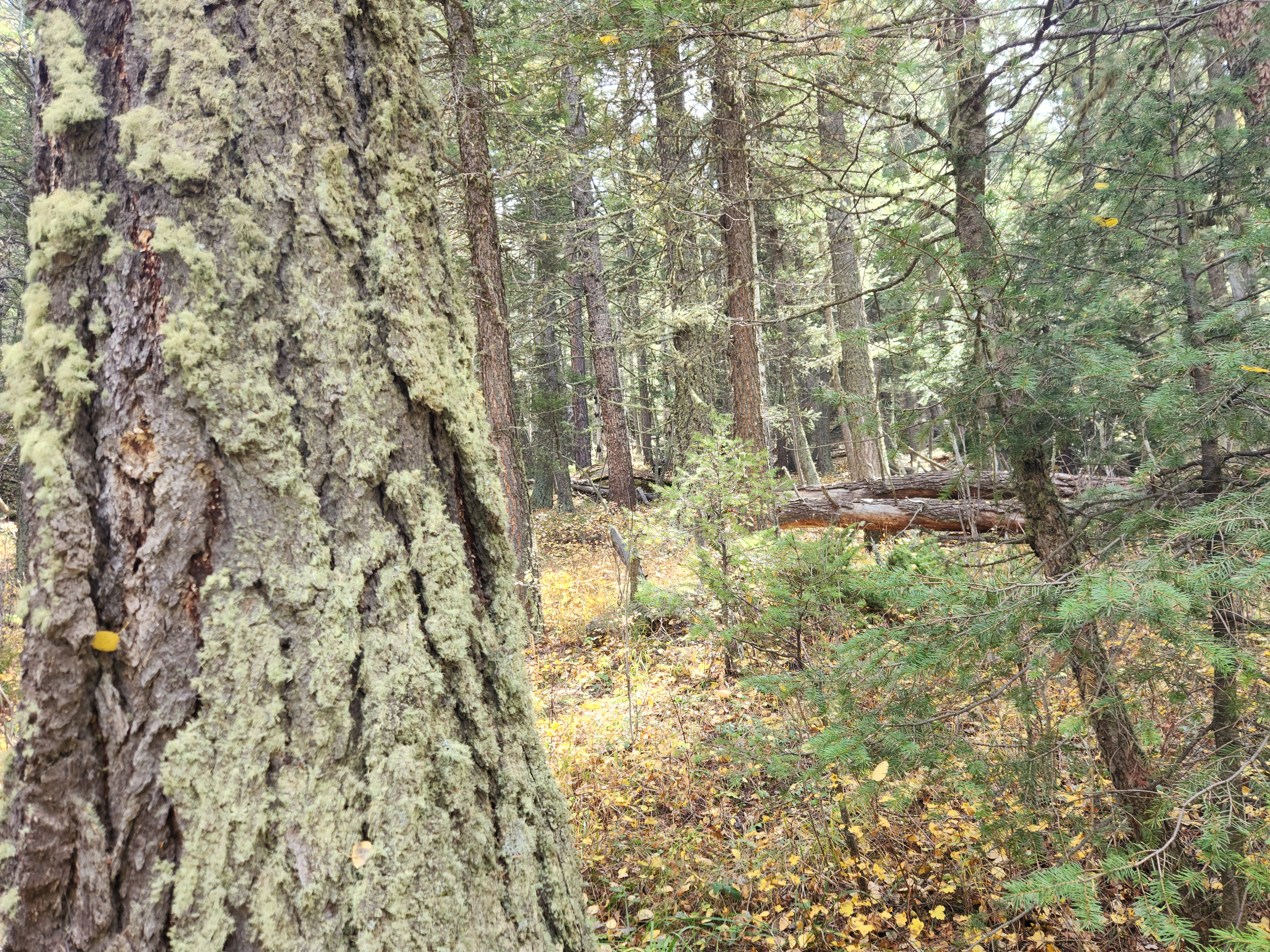
Task Force’s distortion of ecological science on forests, watersheds, and climate while greenwashing logging as beneficial.
Task Force Work Plan Direct Quotes:
“Colorado’s forests are in the middle of a crisis decades in the making. A widespread mountain pine beetle outbreak, accelerated by drought, warming temperatures, and forests long out of ecological balance, is rapidly reshaping landscapes across the state and impacting the watersheds, communities, and infrastructure that depend on them.”
“A priority members named explicitly is keeping the root causes—overly dense, unhealthy forests weakened by drought, warming temperatures and decades of fire suppression—in view even as near-term concerns demand attention.”
“An ecological dimension: beetle mortality is spreading faster than agencies and landowners can respond, altering forest trajectories in ways that will shape wildfire risk, water supply, and community safety.”
“One proposed action, for example, might be to identify where beetle impacts most directly threaten water supply and where Task Force recommendations or collaborations can reinforce and accelerate what partners are already positioned to do.”
Eco-Integrity Alliance Commentary:
The main ecological concerns relevant to forests in Colorado right now are the impacts from development, logging, recreation, invasive species, drought, and climate change. Instead of mentioning any of those, the Work Plan either exaggerates or completely fabricates “ecological” concerns with native insects, dead trees, supposedly “overgrown” forests, and wildfire to promote industrial logging.
To begin with, there is absolutely zero scientific evidence demonstrating that the current, routine, natural wave of mountain pine beetles is due to anything wrong with Colorado’s forest. While it appears true that beetles are more likely to survive milder winters, thus far, the latest wave of the native insects falls well within the historic pattern of every eight to twenty years.
Any attempts to label the current wave of beetles out of the ordinary may stem from the Task Force’s stated agenda to propagate its (we’d argue, false) narrative that all Colorado’s forests are “overgrown” due to past fire suppression, making them a threat to communities and the forest itself, and therefore in need of aggressive logging (ironically, while the U.S. Forest Service continues to suppress backcountry fires across the state).
The vast majority of Colorado’s forests, including in the Front Range (estimated at 80 percent according to U.S. Forest Service), have not been impacted by under a century of fire suppression (efforts only truly effective once post-World War II airplanes were used) as they lie in the upper montane or subalpine zones which experience fire return intervals of a century to several centuries.
Even for Colorado foothills lower montane ponderosa pine forests, 81 percent have grown densely and/or experienced high-severity wildfire prior to fire suppression, while ponderosa pine forests have experienced fire intervals up to 66 years. Therefore, with only 80 years of effective fire suppression, we’re talking fourteen years of extra growth in lower montane forests, hardly “long out of ecological balance” as the Task Force falsely claims for ALL Colorado’s forests.
Even if the argument was purely ecological—as if denser forests are bad and don’t make up for the forest deficit caused by centuries of development, logging, ranching, and mining—it shows little if any relation to increased risk of high-severity wildfire spreading to communities. Indeed, many studies show denser forests are less likely to burn and spread flames while “thinned” forests more likely to do so.
Next, the Task Force’s claim of needing to “identify where beetle impacts most directly threaten water supply” or might be “impacting the watersheds” is, once again, based on an almost entirely mythological link to wildfire and a false connection between dead or dense trees and high-severity wildfire. The Task Force also exaggerates the likelihood and/or risk of short-term soil erosion or “hydrophobic soil” runoff—one Colorado study shows only one year of impacts—from the small chance of a wildfire near a drinking water source after logging, all while ignoring the actual guaranteed long-term erosion and sedimentation from logging and logging roads.
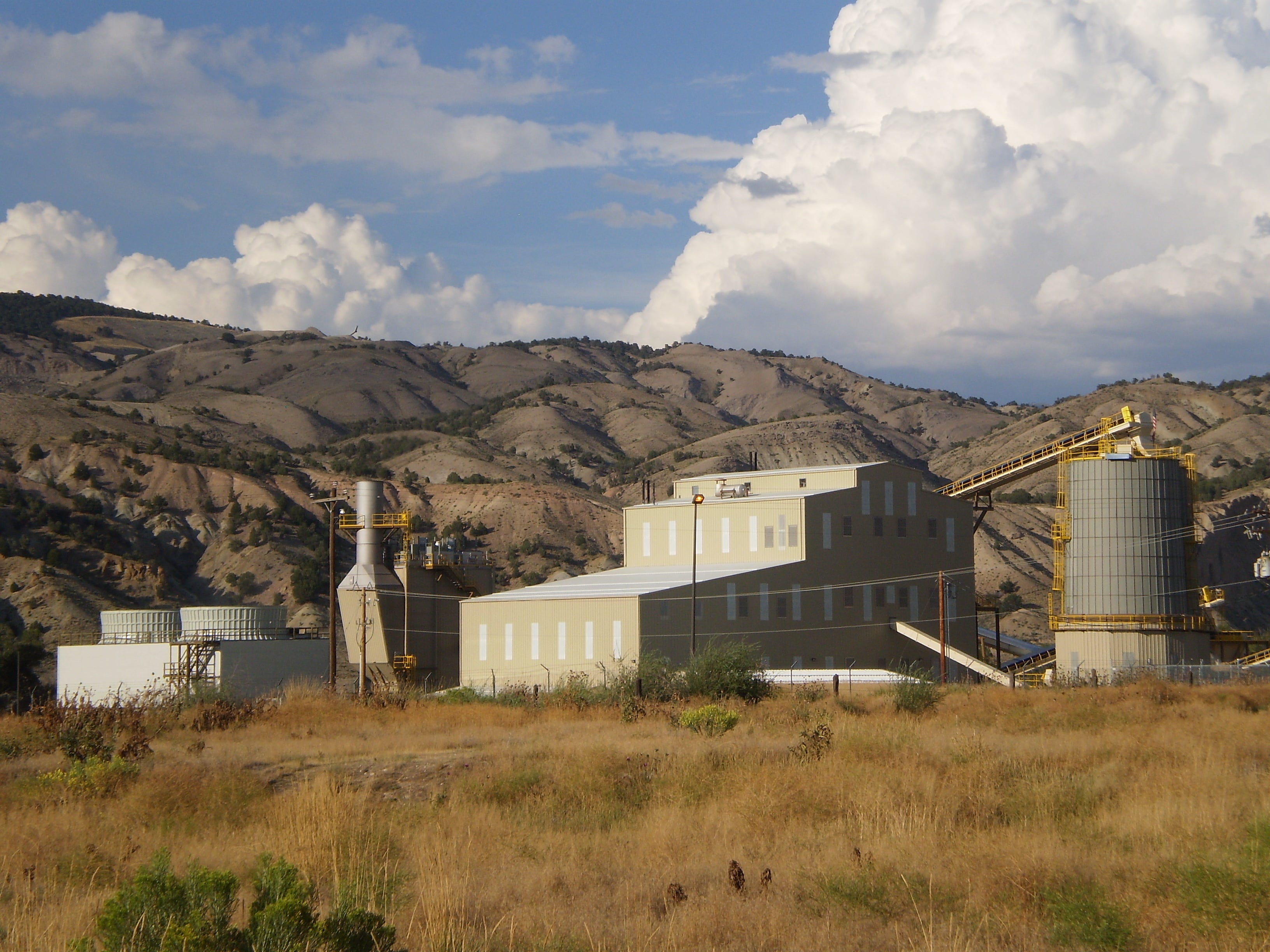
Task Force focusing on developing markets for logging for lumber, mass timber, and climate- and air-polluting “biomass” energy incineration.
Task Force Work Plan Direct Quotes:
“Assessing timber market limitations and opportunities to address the volume of potential beetle-kill wood…”
“Study timber markets and systems and experimental or innovative opportunities in the forestry sector and develop solutions for gaps or barriers to address economic variables of beetle-kill wood, wood processing, and transportation needs and opportunities to advance efficiencies for fuels mitigation.”
“Members raised specific concepts worth exploring, including a large-scale processing facility in northern Colorado, expanded biomass infrastructure, and whether market development could realistically offset mitigation costs over the next five to ten years. One longer-term direction is for the Task Force to develop concrete recommendations for closing the market and infrastructure gaps, for example processing capacity, transportation barriers, and biomass markets, that must be addressed to make treatment financially viable over the coming decade at the scale needed to keep pace with expected need/demand.”
Eco-Integrity Alliance Commentary:
It seems evident that the end game of the Task Force, its members, and those demonizing beetles, whipping up fire hysteria, and making false claims about supposedly unhealthy or “overgrown” forests is to create more of a market for forest products through greater financial incentives to expand industrial logging across Colorado’s public lands.
This includes propping up existing lumber mills or mass timber (engineered wood) production in Colorado’s dry, cold, high-elevation regions where trees grow—and regrow—slowly. It also includes taxpayer-subsidized construction of polluting “biomass” energy incinerators to burn wood not fit for lumber, a process which emits more carbon into the atmosphere per unit of energy than even fossil fuels, making it perhaps the worst choice for fighting climate change. Also ignored by biomass energy boosters are the countless toxic air pollutants documented for decades by scientists, medical professionals, and environmental justice advocates.
Once this corporate welfare is distributed for more industrial logging and burning, the forest products industry, including sawmill and biomass incinerator owners, operators, and employees, will undoubtedly lobby for an endless supply of trees, even after this current beetle wave passes. Such was the situation with the Eagle Valley biomass incinerator in Gypsum which depended on trees killed by the previous wave of beetles peaking in 2010. Once many of those dead trees were logged off public lands, the heavily taxpayer-subsidized incinerator was no longer financially viable, and so its corporate owner declared bankruptcy and shut down.
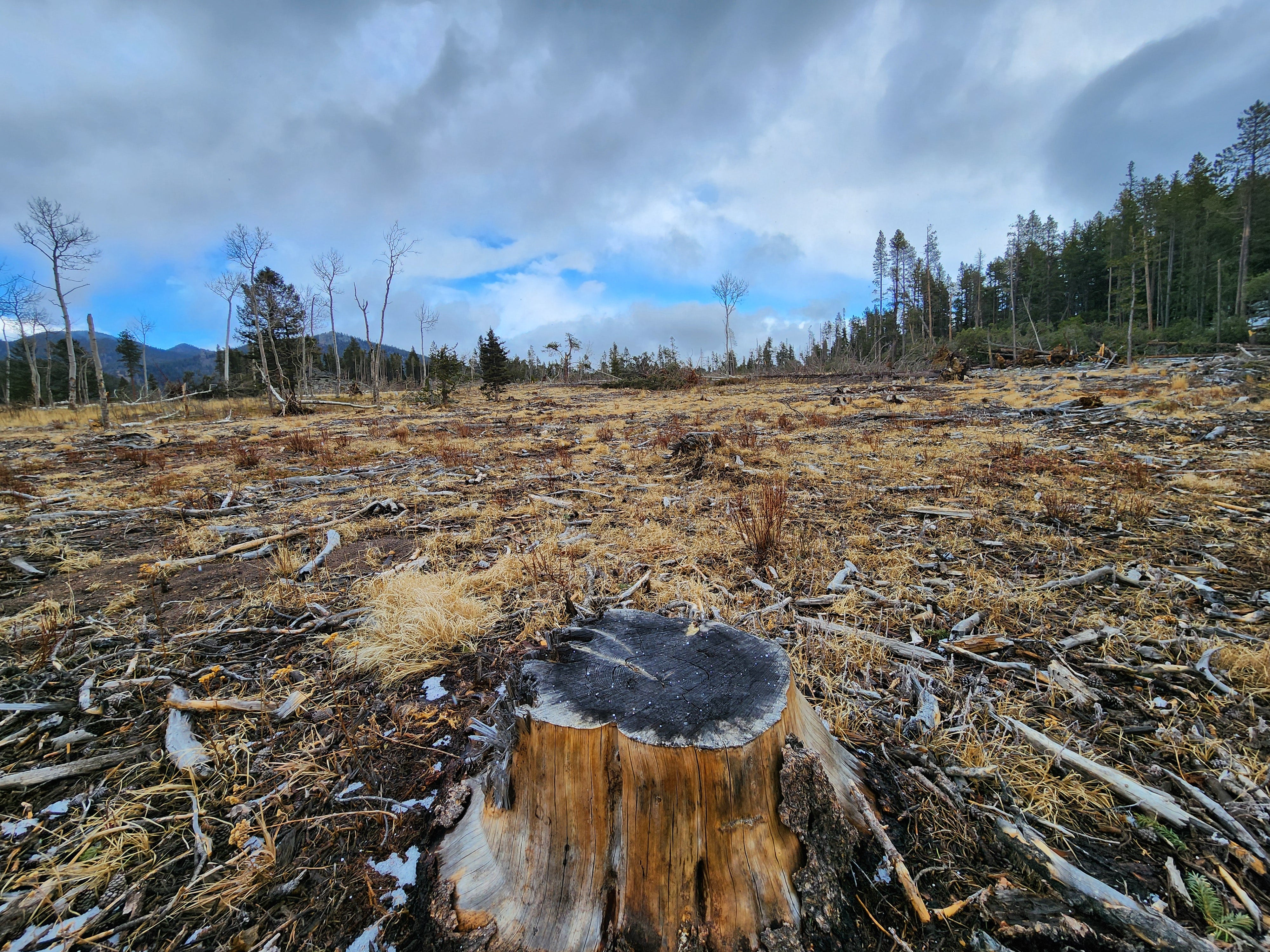
Task Force ignoring and/or distorting the consensus of peer-reviewed science.
Task Force Work Plan Direct Quotes:
“Some actions cannot wait, and the Task Force will pursue near-term opportunities aggressively, but not at the cost of the shared, science-based foundation needed for credible long-term recommendations.”
“It was noted that Colorado has a world-class research community upon which it will be in the interest of the Task Force to engage, and that research topics of value go well beyond those directly related to the mountain pine beetle.”
“Serve as a translation bridge between research and decision-making.”
“Aggressively pursue opportunities to advance or use relevant research and capacity to impede beetle spread...”
“Pursue other areas of inquiry related to the mountain pine beetle outbreak, as determined by the Task Force members (emerging science needs).”
“A top priority is ensuring the Task Force is actively contributing to wildfire preparedness and response capability in beetle-affected landscapes, driven by the best available science…and coordinate with the science Working Group to best understand the relationship between beetle-kill impacts and wildfire considerations.”
Eco-Integrity Alliance Commentary:
The Task Force and nearly all its members, independently, have promoted cherry-picked (usually funded by U.S. Forest Service, which carries out the federal timber sale program and “fuel reduction” logging on public lands) science while spreading distorted misinformation—and some of what at this point must be considered lies by omission or deliberate disinformation—linking beetles to a landscape-wide risk of wildfire.
When scientists, conservationists, and forest-edge residents met with Colorado Department of Natural Resources and Gov. Polis’ office earlier this year to ask for the appointment of independent scientists and conservationists to the Task Force, all requests were denied.
The only concession was the possibility of a Science Working Group, as mentioned in the Work Plan, for which we recommended several scientists. However, as of August 2026, there was no functioning “Science Working Group.”
Even if such a Working Group is created, the predetermined agenda laid out by the Work Plan suggests it would function as little more than a game of telephone in which scientists would communicate findings to Task Force members, who would, by the Work Plan’s own admission, act as the “translation bridge” for any information that might reach the governor’s office for making policy.
The State of Colorado’s Ponderosa Mountain Pine Beetle Task Force addresses some factual realities in its Comprehensive Work Plan while relying heavily on half-truths and frequent falsehoods as demonstrated by the consensus of peer-reviewed science.
While mischaracterizing Colorado’s latest natural wave of mountain pine beetles as a vector for wildfire, we believe the Task Force’s Work Plan also admits a stated intention to promote a pre-determined agenda of industrial logging across potentially millions of acres of Colorado’s forests. This campaign seeks to not only perpetuate but expand the rerouting of tens of millions in taxpayer dollars to the industries, agencies, and NGOs many of the Task Force members represent.
In our opinion, the combination of Task Force membership and the content of the Comprehensive Work Plan unfortunately points to an overall lack of credibility in the body. Therefore, for the benefit of Colorado’s forests, watersheds, wildlife, economy, and public safety, we advise that decision makers, media, and the public view the Task Force’s findings with a critical, even skeptical eye, if not disregard them altogether as wholly illegitimate.
No posts
Comments
Nothing yet. Say the first thing.
Sign in to join the conversation.