
A reader recently asked about UPF clothing, or clothing that provides full protection from sun exposure. What’s in it? What is it made of? And should we wear it to protect against skin cancer?
I’m also curious about UPF clothing. Chemicals, materials, marketing claims, health stuff—what a juicy topic. That makes it the perfect thing for a summer EcoCult deep dive. Get ready, we are wading into this like a teenager running into the ocean.
The premise of UPF clothing is that—in the lab—it has been shown to block UV rays.
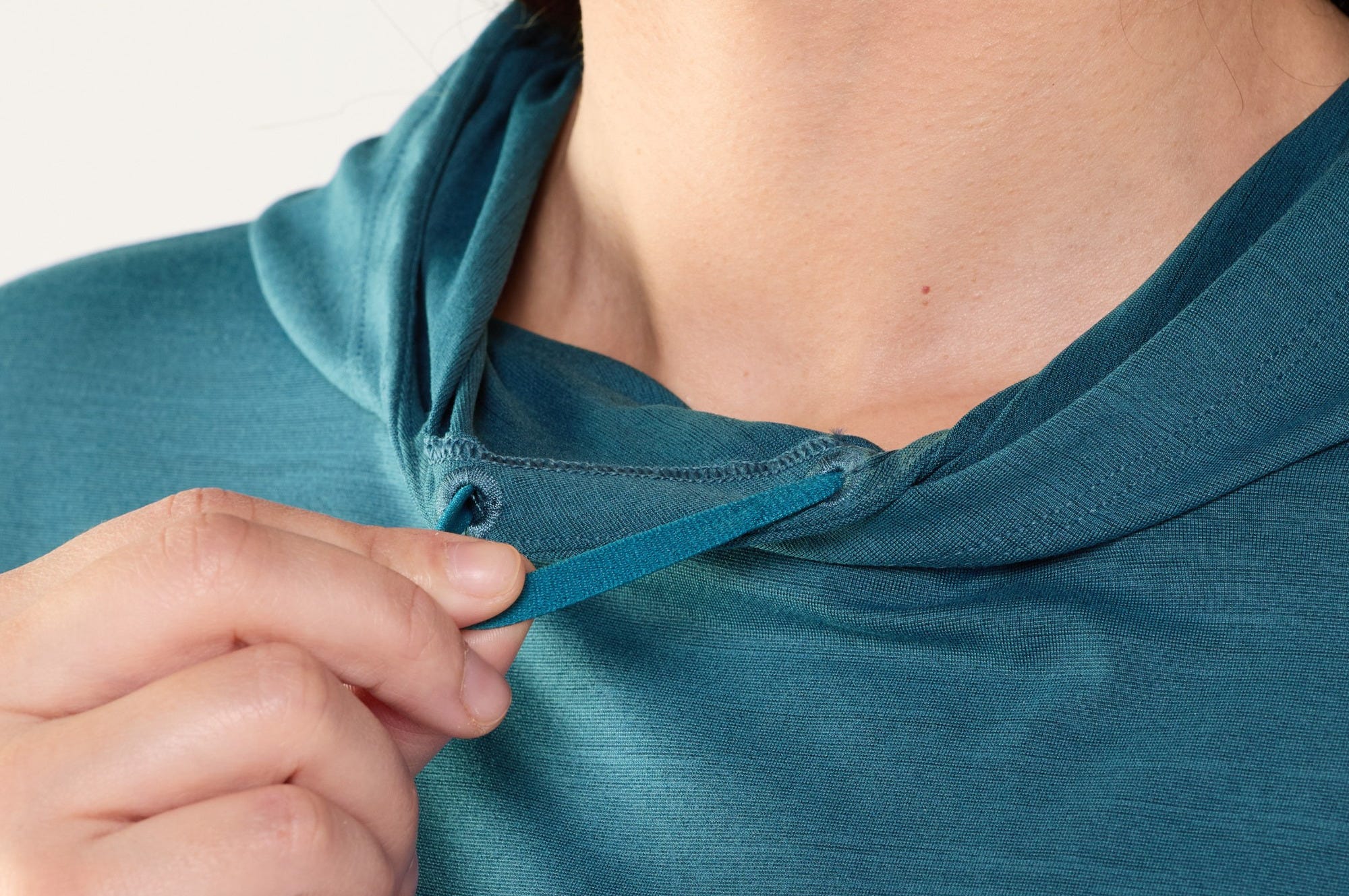
It does so through a combination of material weave, dyes, and chemicals. Usually, those materials are synthetic. For example, all of the men’s UV-blocking outdoor hoodies reviewed by Outdoor Gear Lab are polyester or nylon. Some are recycled polyester in light colors. One is bluesign-approved polyester. But they are all synthetic. And you remember that synthetic clothing can have skin-sensitizing dyes, and hormone-disrupting BPA.
Some brands add a chemical finish, including absorbers like benzotriazoles and benzophenones (not so good), and reflectors like titanium dioxide and zinc oxide (totally fine).
The rating (from 0 to 50+) indicates the percentage of the sun’s rays allowed through. For example, UPF 40 is 1/40th. That means 2.5% of the sun’s radiation can pass through the fabric.
What these ratings don’t say is what the actual benefit to your skin and health of wearing these UV-blocking clothing is. You probably want to know if the damage from wearing dyed polyester clothing all over your skin on a sweaty day outweighs the damage sun can do to your skin.
Well, given that sunlight can actually help manage or even cure autoimmune diseases like multiple sclerosis and skin conditions, maybe not. Remember also that skin cancer prevention recommendations (apply sunscreen every two hours in the winter when you work in an office building) are designed for white people who spend a lot of time outside in intense sunlight—European-heritage Australians don’t play around on skin protection.
In his new book, In Defense of Sunlight, Rowan Jacobson argues that we are centering the risk of skin cancer way too much, while discounting the benefits of getting at least 15 minutes of sun a day. “Sun deprivation was linked to heart attack, stroke, diabetes, dementia, depression, Parkinson’s, myopia, respiratory infections, certain cancers, and autoimmune conditions such as multiple sclerosis and inflammatory bowel disease,” he writes in the introduction.

Interesting. It makes me think of how I get a lecture from my dermatologist every year because of the sun damage on my forearms and chest—a side affect not of sun worshipping, but of playing sports and cavorting outdoors whenever I can. I get this lecture minutes after I fill out the intake form and check absolutely none of the health conditions.
Of course, some people believe that the American public doesn’t deserve or can’t handle nuanced advice about how to choose amongst competing priorities. “Public health guidelines are about sharing the best advice science is able to offer to the general population—knowing full well that the rules don’t apply to everyone,” an Allure journalist writes. That sounds like a big problem to me, especially knowing that people with chronic health issues deserve nuanced and thoughtful care.
I’m definitely not advocating white people sit on the beach for more than 30 minutes in the midday sun at the equator without protection. Get yourself a hat, a beach umbrella, some protective clothing, or escort yourself to a shady spot! Everything in moderation! Likewise, after 15 minutes in the sun, stick your baby under the big umbrella and give them a cute little cotton sunhat.
But 15 minutes in the sun is fine. It’s better than fine—it’s great. You need more if you have more melanin in your skin. So you don’t need to dress yourself or your family members like a synthetic vampire for good health.
SPF Moisturizers That Are Safe and Effective
What if you work or play outside for hours a day, or you have a sensitivity to sunlight? Well, yeah, something to cover your arms would be great. But does it have to be a special UV-protective, synthetic piece of clothing?
The Skin Cancer Foundation recommends clothing with dark colors and tight weaves, like canvas, denim, wool, and polyester. Does a long-sleeved, dark-colored polyester shirt sound comfy to you on a hot day? Me neither. But you definitely have some plastic-free, comfy options.
Everything so far has been free for anyone to read, but the specific product recommendations are for EcoCult members.
Comments
Nothing yet. Say the first thing.
Sign in to join the conversation.