
Dear Colleagues,
These are my favorite emails to write, dear ECCP community! In 2025, we introduced a participatory microgranting community fund with support from forward-looking funders. We supported six activities in 2025, and spent some time learning about them and the funding process, too.
If you’re new to the community and wondering what the ECCP Community Fund is, you can head over to our Community Fund landing page here: https://www.ecosystemforpeace.org/eccpfund.
I’m pleased to share that we’ll open the fund for a second round of proposals in 2026 from mid-August. I’ve added the new dates to the Community Fund webpage.
The community fund is also open for replenishment. If you or your institution have small (or large) amounts of money that need to be spend down on budget lines, let me know. We welcome contributions of all shapes and sizes, and in this email, you’ll learn more about how we use it!
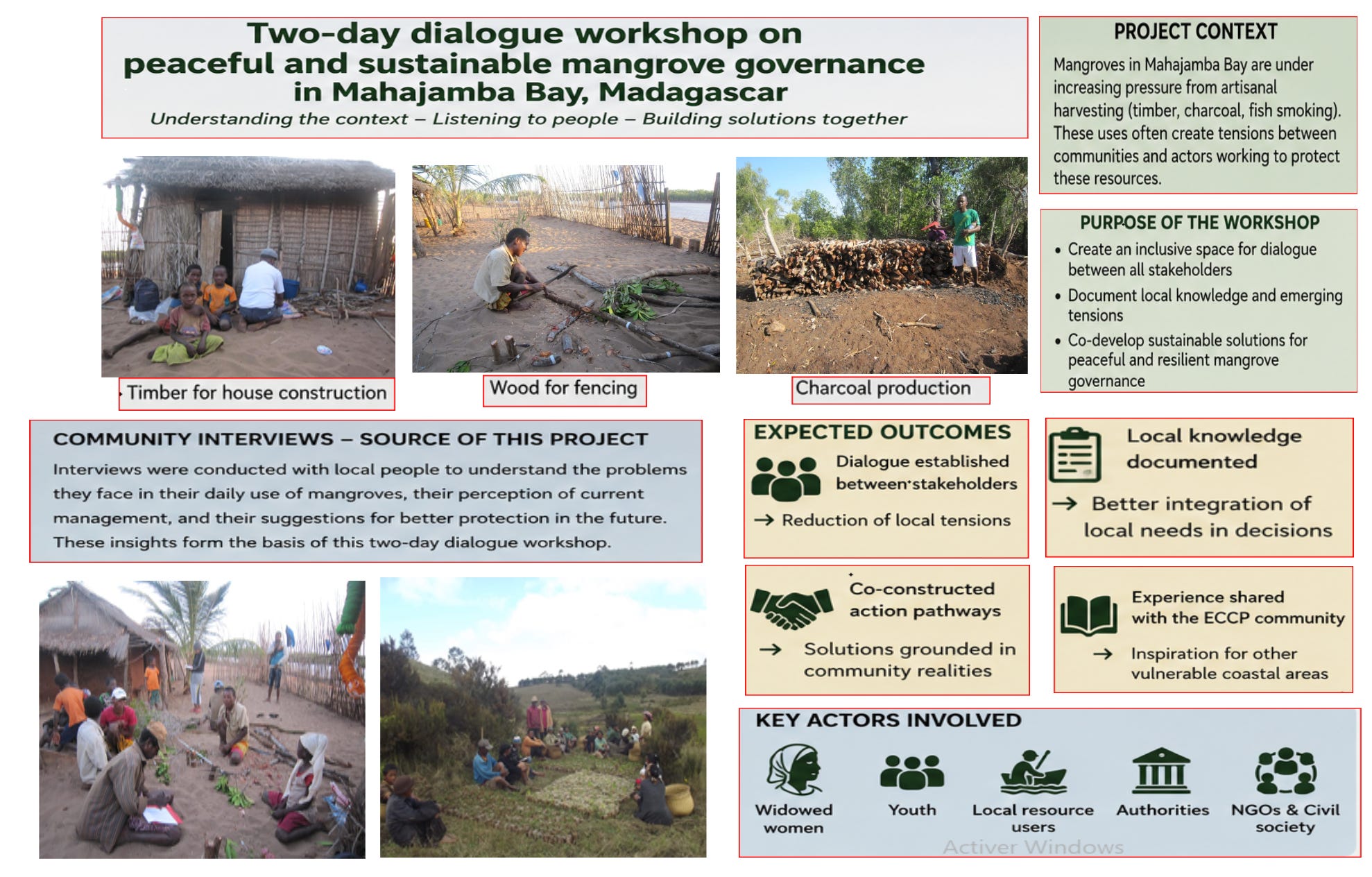
But first… meet the eight projects in the ECCP Community Fund Round 2.
GER is planning to hold a one day community project (The Peace and Nature Living Lab) that will bring people together to talk about environmental challenges and how they affect peace, daily life, and community relationships. The project will take place in Bugesera District, an area that has been strongly affected by climate change and long periods of drought. Through community peace circles, storytelling sessions, and participatory mapping activities, community members, youth, women, local leaders, and other stakeholders will share their experiences, discuss issues such as land degradation and water shortages, and explore solutions together. The living lab will create a safe and inclusive space where people can learn from each other and build stronger cooperation around protecting the environment.
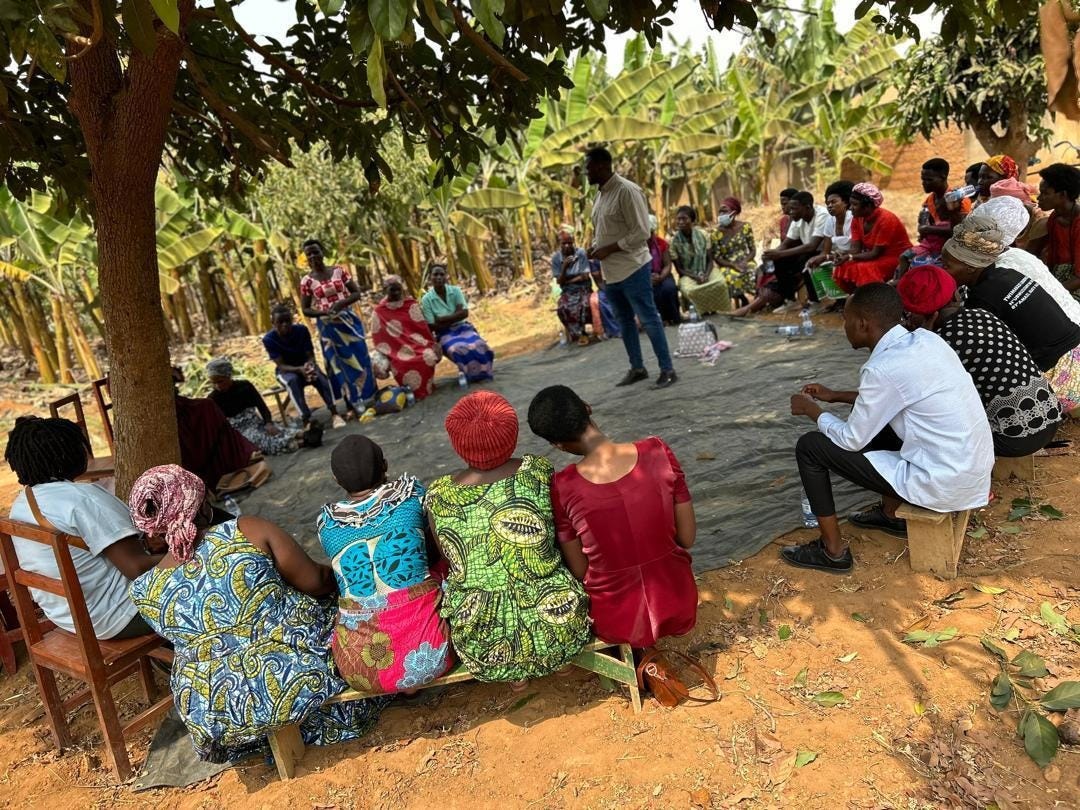
The idea behind the project is that environmental problems can sometimes create tensions in communities, especially when resources become limited. By encouraging open dialogue and collective problem solving, the Peace and Nature Living Lab aims to strengthen relationships, promote understanding, and inspire communities to work together on environmental conservation and climate resilience. The project also hopes to encourage community-led actions such as restoration and conservation activities while using the lessons learned to support advocacy and policy recommendations that can contribute to long-term environmental protection and peaceful communities in Rwanda.
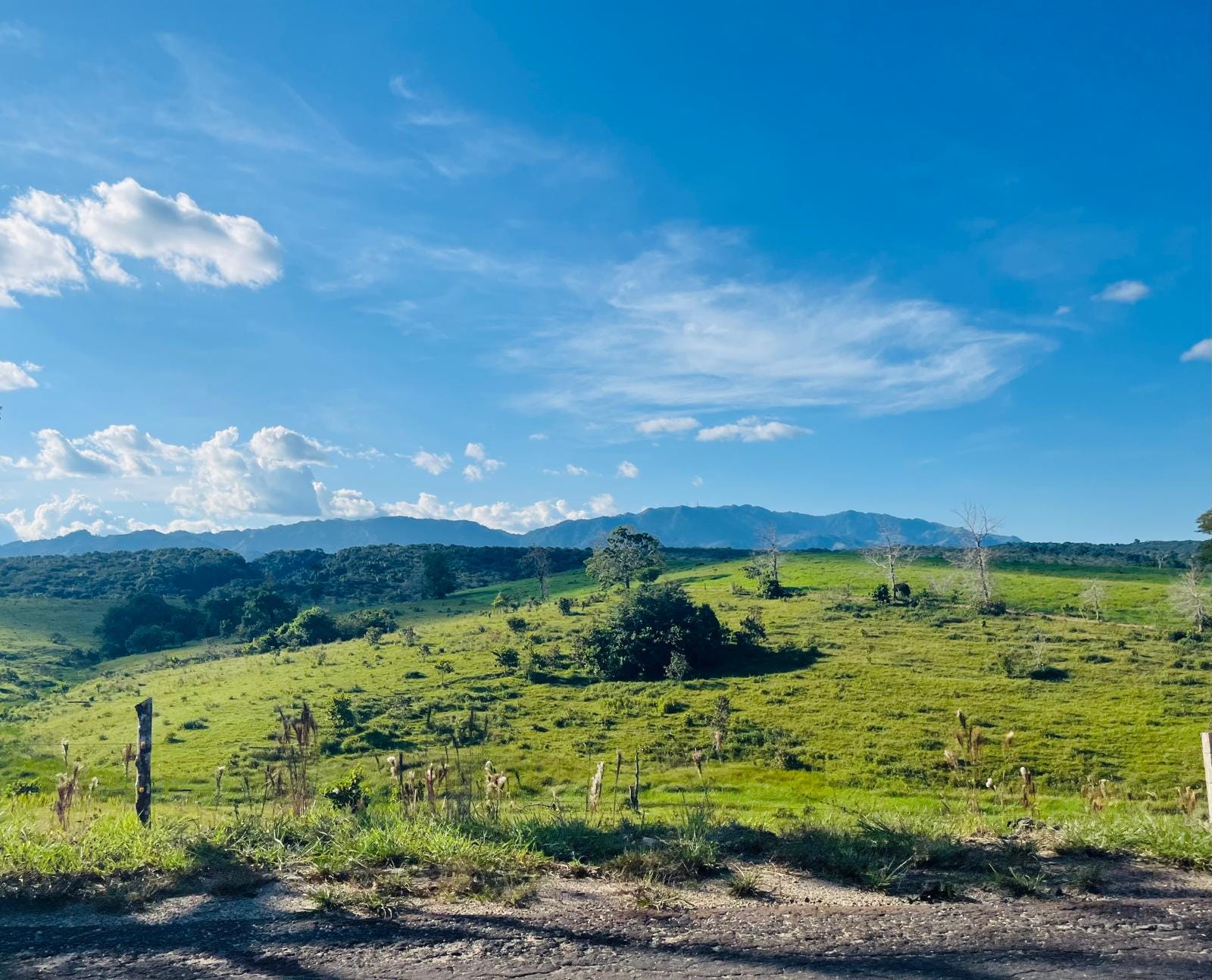
Our goal is to highlight and raise the voices of rural women leaders in Colombia who are building environmental peace within their communities, through an interactive digital platform that combines audio stories, photography, and narrative. The project documents their experiences, leadership journeys, and challenges through brief interviews and the co-creation of a sound map that allows their stories to be explored visually and audibly. More than just a research exercise, we aim to create an accessible tool for recognition, advocacy, and memory that highlights the role of women as key actors in defending their territories and building peace.
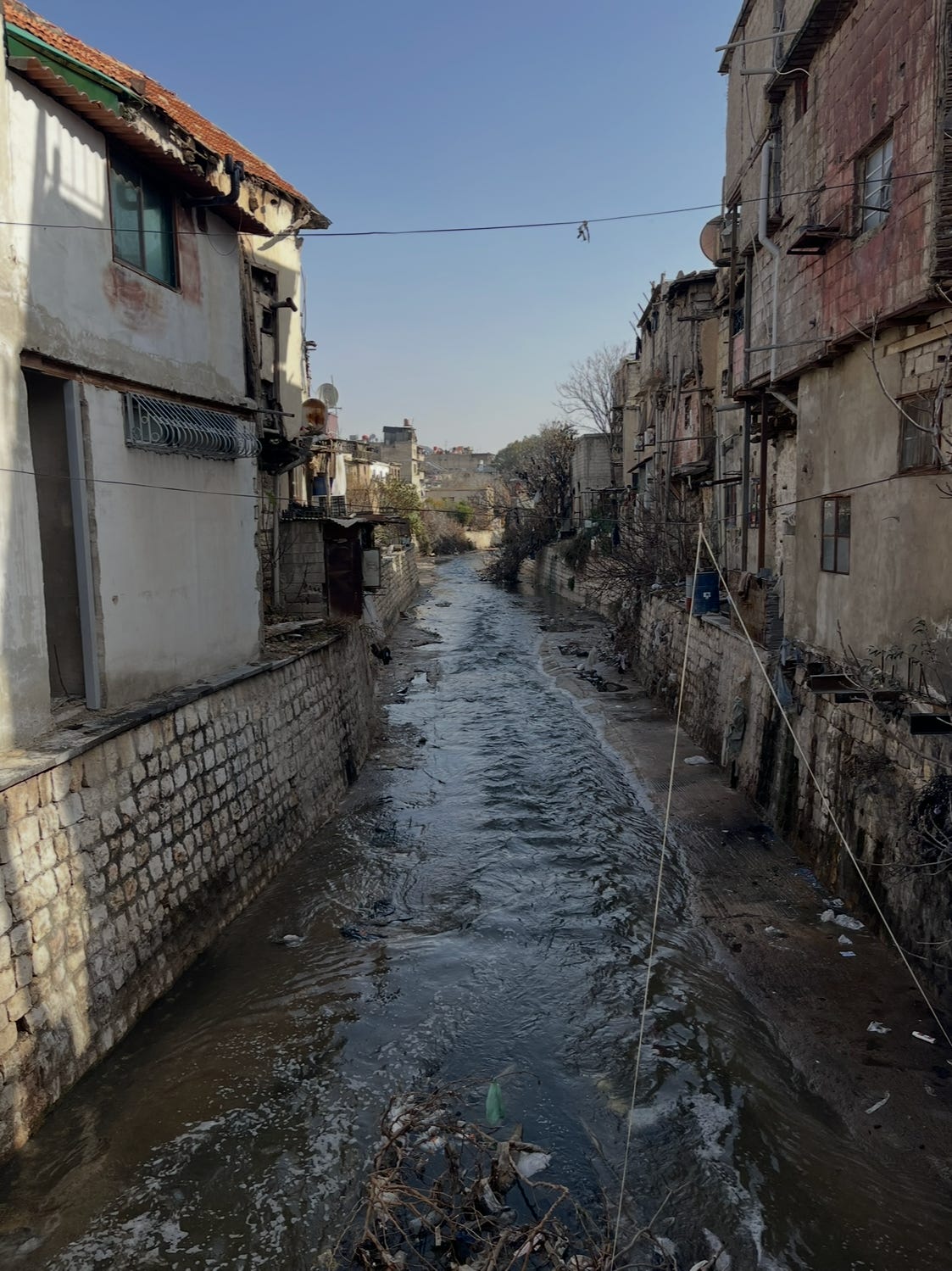
This project is designed to identify a number of openings for environmental peacebuilding action across Syria––and then match relevant local NGOs and communities with possible funders. The reality is that rural Syria, in particular, remains riven with both severe environmental challenges and enduring tensions from the conflict, which collectively threaten to unsettle a fragile peace. By mapping these openings, this project hopes to illustrate the promise of environmental peacebuilding practices in a post-conflict setting that has so far seen relatively few attempts at EP. Peter and Suleiman, both Amman-based, will conduct their analysis remotely and from within the country. They see this project as a potential stepping stone to a broader analysis, pending successful early results and funding prospects.
Afghanistan has one of the lowest carbon footprints in the world, yet it’s on the frontline of the climate crisis. Droughts, floods and failing harvests continue to drive hunger and displacement across the country, and women, rural and marginalised communities pay the steepest price. Despite this, Afghanistan remains excluded from international climate talks and locked out of the funding designed to help.
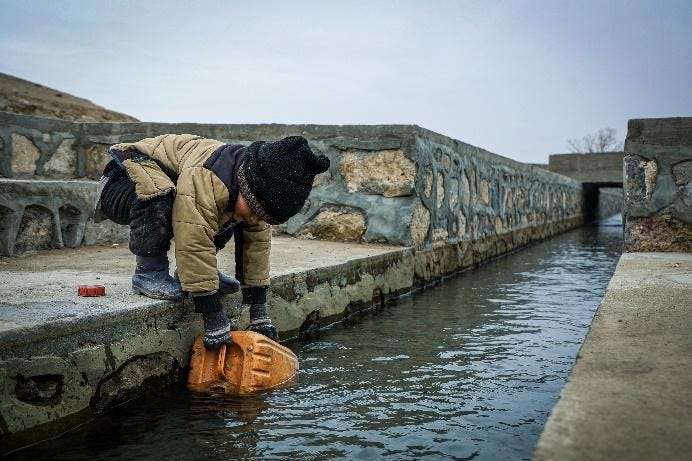
We’re working to change that. Our seminar - Climate Change in Afghanistan: Why People’s Needs Must be Prioritised Over Politics - will bring the voices of Afghan climate activists to European Parliament to speak directly to MEPs about the impacts of climate change in Afghanistan and the links between climate, fragility and human security, as the world starts to turn its attention to COP31. Organised by the European Network of NGOs in Afghanistan, the seminar is a collective call for inclusive climate action.
No community should face a crisis it didn’t create, alone.
Inspired to submit an idea of your own? Mark your calendar for the next cycle of the Community Fund, opening mid-August: https://www.ecosystemforpeace.org/eccpfund.
International Crisis Group is conducting a short survey on eEARTH, an online platform for analysing how natural resources, infrastructure, and climate-related pressures shape conflict dynamics. Launched in 2025, it combines thematic analysis on issues such as water, food, energy, extractives, and trade with a data monitoring dashboard tracking climate, humanitarian, and conflict risks. Whether you have used eEARTH before or are completely new to the platform, Crisis Group colleagues would greatly value your feedback. The survey aims to understand how current and potential users engage with eEARTH, what aspects are most useful, and what improvements or expansions should be prioritised as the platform develops.
The survey takes approximately 5–10 minutes to complete, with several optional questions.
Crisis Group colleagues are also interested in speaking with a small number of members in more depth. If you would be open to a short follow-up conversation, please indicate this at the end of the survey.
That’s more than enough for one email. I wish you a wonderful week!
Warmly,
Annika
Comments
Nothing yet. Say the first thing.
Sign in to join the conversation.