
I have been sitting on this update for longer than I’d have liked. My upcoming confirmation of candidature has eaten my brain, so this major higher education funding reform got shuffled to the bottom of my inbox behind draft ethics applications and a Gantt chart that I have overengineered so excessively you wouldn’t believe.
Anywho. Confirmation panel is on Thursday, so naturally, it’s the perfect time to procrastinate talk about the Disability Support Fund (DSF) changes, because there are some things in here really worth getting excited about (unlike Gantt charts…)!
The DSF is one of the programs sitting under the Australian Government’s Disability Support Program, alongside the Australian Disability Clearinghouse on Education and Training (ADCET) and the newer Capacity Building Fund. It’s been running since 2004, giving Table A universities supplementary funding to support students with disability through access, participation, and completion. For most of its life, that money has come with relatively light governance attached to how it’s spent.
That changes this year. From 1 July 2026 it comes with real conditions: universities will require a disability governance committee sitting as a subcommittee of university council, a disability education inclusion strategy, and a disability workforce inclusion strategy. I’ve spent a long time arguing that disability inclusion in higher education needs to be core governance business, not a peripheral add-on managed by an under-resourced equity team. This is that argument finally landing, in legislation, with money attached.
ADCET and Times Higher Education have already done a bit of breakdown on what’s happening, and I encourage you to go and read what they’ve had to say. What follows is a bit of my analysis on the wins, risks, and opportunities presented by these reforms, informed by my advocacy in this area over the last couple of years.
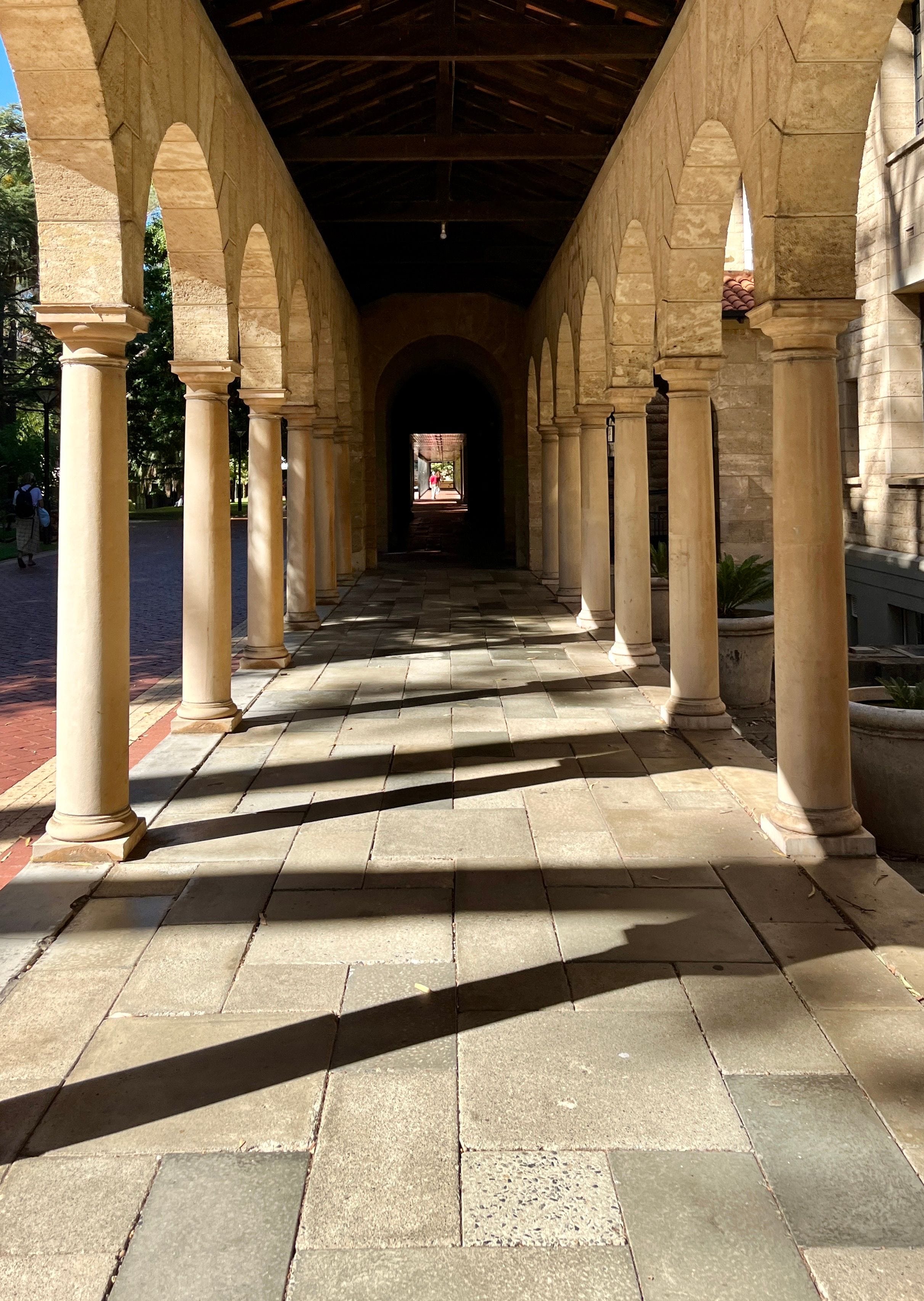
A council subcommittee, with a majority of members required to have disability, advising on how DSF funding is spent and on the university’s broader inclusion strategies, is the kind of structural reform we’ve been pushing for across years of consultations, submissions, and forums that sometimes felt like shouting into the void. For years, the standard has been funding decisions being made behind closed doors, with no transparency, and no requirement for lived experience oversight. This change invites staff and students with disability into the room where money gets allocated, allowing us to ask questions and hold our institutions accountable. It also allows us to inform university strategy and investment on the basis of what we know to be useful, effective, and impactful for students with disability.
This happened because disabled people kept refusing to accept the status quo of people without professional or lived experience of disability making decisions about how this money is used. It happened because there is a collection of high-quality public servants who have used their circle of influence to make genuinely impactful changes to bridge the gap between policy and practice.
The inclusion strategies come with mandatory performance indicators and a requirement for action where a university is underperforming. Under the Disability Discrimination Act (DDA), institutional disability action plans have functioned for years as an insurance policy against universities being sued for non-compliance with their anti-discrimination obligations without resulting in meaningful progress. A strategy with monitored KPIs and a funded independent review attached is a much-anticipated upgrade, and it’s exactly the kind of accountability mechanism this sector has needed. Now, let’s start penalising universities for inaction where it hurts - not by withholding equity and inclusion funding, but perhaps by reducing their research funding?
Universities also now have to publish committee membership and strategies publicly, which gives students and advocates something real to hold them to.
Taken together, this is the most substantial structural change to how universities are required to govern disability inclusion that I’ve seen in my five or so years advocating in this space. That’s not a small thing. This reform is the product of disabled people insisting, repeatedly and over years, that we belong in the rooms where decisions about our education get made - and a government that, on this occasion, actually listened and built something with teeth.
Let’s celebrate these wins, before moving on to the caveats (yes, there are some).
The governance committee, as designed, is advisory. University council keeps final decision-making authority, meaning that we unfortunately can’t call this authentic co-design or partnership yet. I’d love to see this evolve, with committees gaining more direct authority as the model matures and proves itself, which I think it will. This first iteration gets representation into the room with influence over strategy and spend; the next stage of advocacy is making the case for that influence to carry formal weight.
Remuneration for student and staff members on these committees is going to be left up to each institution: we know how this usually goes. The department has been upfront that they couldn’t resolve it within current guidelines. To be honest, I’d rather have a government naming a problem honestly and flagging it for the next round than pretending it doesn’t exist. As these governance structures and strategies become embedded, there’s a strong case for resourcing growing alongside them, and given the scale of what’s already been committed here, I’m optimistic the Department is willing to keep building.
I’d also like a tighter link, over time, between DSF compliance and TEQSA’s accreditation processes, so these requirements connect into the regulatory system that actually drives institutional behaviour rather than sitting alongside it. Like I said, hit them where it hurts. Given how much the Department has clearly listened on the design of these changes so far, I think that’s a conversation worth having, and one I’m hopeful is still on the table.
Will universities build genuinely engaged committees, or treat the minimum composition as a floor rather than a ceiling? Will the independent reviews prove robust and meaningful? Will these requirements eventually connect into the wider regulatory architecture, so good governance on paper reliably becomes better outcomes for students? How about compensation for lived experience representatives, and investment in effective secretariat support for these committees? Are universities capable of trusting the leadership of staff and students with disability in this capacity?
The implementation timeline is gradual: committees don’t need to be operational until early 2027, with the first full annual report due in 2028. That runway gives the sector real time to build this properly, rather than rushing into box-ticking, and I’d rather have a slow, well-built process than a fast, hollow one.
These changes are the direct product of years of sustained disability-led advocacy, consultation, and a department that, on this occasion, listened. Lifting disability inclusion to the level of institutional governance, with lived experience formally represented at council level for the first time, is a substantial achievement, and one built by disabled people who kept insisting we belonged in the room.
I also want to recognise the powerful role that allies have played in all of this: by virtue of the systems we’re working in, disabled people are too often not in the positions that call the shots. I’ve watched a strong group of current and former university executives throw their weight around on this one over the last couple of years - you know who you are. Thank you.
There are gaps still to close around authority, remuneration, funding growth, and regulatory connection. I see those as the next phase of a reform that’s clearly moving in the right direction. I’m looking forward to watching universities bring these committees to life over the next eighteen months, and I’d love this community’s eyes on it too. Let’s keep watching this one together.
No posts
Comments
Nothing yet. Say the first thing.
Sign in to join the conversation.