
The accelerating growth of AI adoption and data-center demand in Southeast Asia is defining a new customer profile for a purpose-specific energy product: clean, safe, and scalable baseload power for AI campuses, next-generation industrial parks, and digital infrastructure.
Today, advanced nuclear energy has re-emerged as a leading power solution for data centers requiring high-capacity-factor electricity, 24/7 reliability, and credible decarbonization pathways. Small Modular Reactors (SMRs) recast nuclear fission technologies as a modular deployment model—featuring standardized fission reactor units, siting flexibility, repeatable licensing and delivery pathways that can support scaled, decentralized energy systems. This global resurgence is pushing a “Bring Your Own Power” era, in which secure access to a verifiable, resilient power supply is now a strategic asset-development requirement for long-term sustainable digital growth, rather than being secured via conventional grid access or power procurement alone.
Yet translating this demand signal into deployable energy infrastructure remains a difficult founder’s challenge. In Southeast Asia, developers must navigate uneven regulatory readiness, constrained grids, immature offtake structures, limited nuclear supply-chain depth, and the need to build public trust in emerging markets with little to no operating nuclear experience. In the near term, startups best positioned to move from criticality to development will be those that can launch SMRs as a repeatable power product—integrating technology, offtake, permitting, financing, and national execution into a model that can be replicated across emerging data-center and industrial markets.
The essential founder task is therefore to convert these constraints into a deployment playbook that aligns both developer and offtaker perspectives on several strategic priorities: positioning AI-driven data centers as early anchor customers; apply standardization and vertical integration to productize SMR deployment, securing PPAs and DPPAs as prerequisites for bankability; and building the institutional foundations for streamlined licensing, standardized contracts, community engagement, and strong local partnerships.
The path to commercialization of SMRs requires rethinking advanced nuclear: from bespoke megaprojects toward standardized, factory-based production based on Design for Manufacture and Assembly (DfMA). This productization logic reframes the reactor as a certified design engineered for serialized manufacturing, modular assembly, and repeatable deployment. The effect is a game-changing delivery model designed to strengthen schedule certainty, cost predictability, supply-chain depth, quality control, and scalability.
Historically, large-scale nuclear plants have struggled to achieve economies of scale due to high upfront capital exposure, complex licensing pathways, decades-long construction timelines, fragmented supply chains, and weak alignment with phased demand growth. These constraints have undermined a positive value chain capable of supporting fleet-based deployment and scalable cost reduction. In contrast, a product-led SMR model imposes standardization as the organizing principle of value creation, enabling learning-curve cost reductions to accumulate across successive units.
This creates the basis for an iterative learning process in which each unit generates lessons that can be applied to subsequent units (e.g., first to tenth)—tightening the feedback loop between design rules, manufacturability, supplier qualification, quality assurance, cost control, and operational performance.
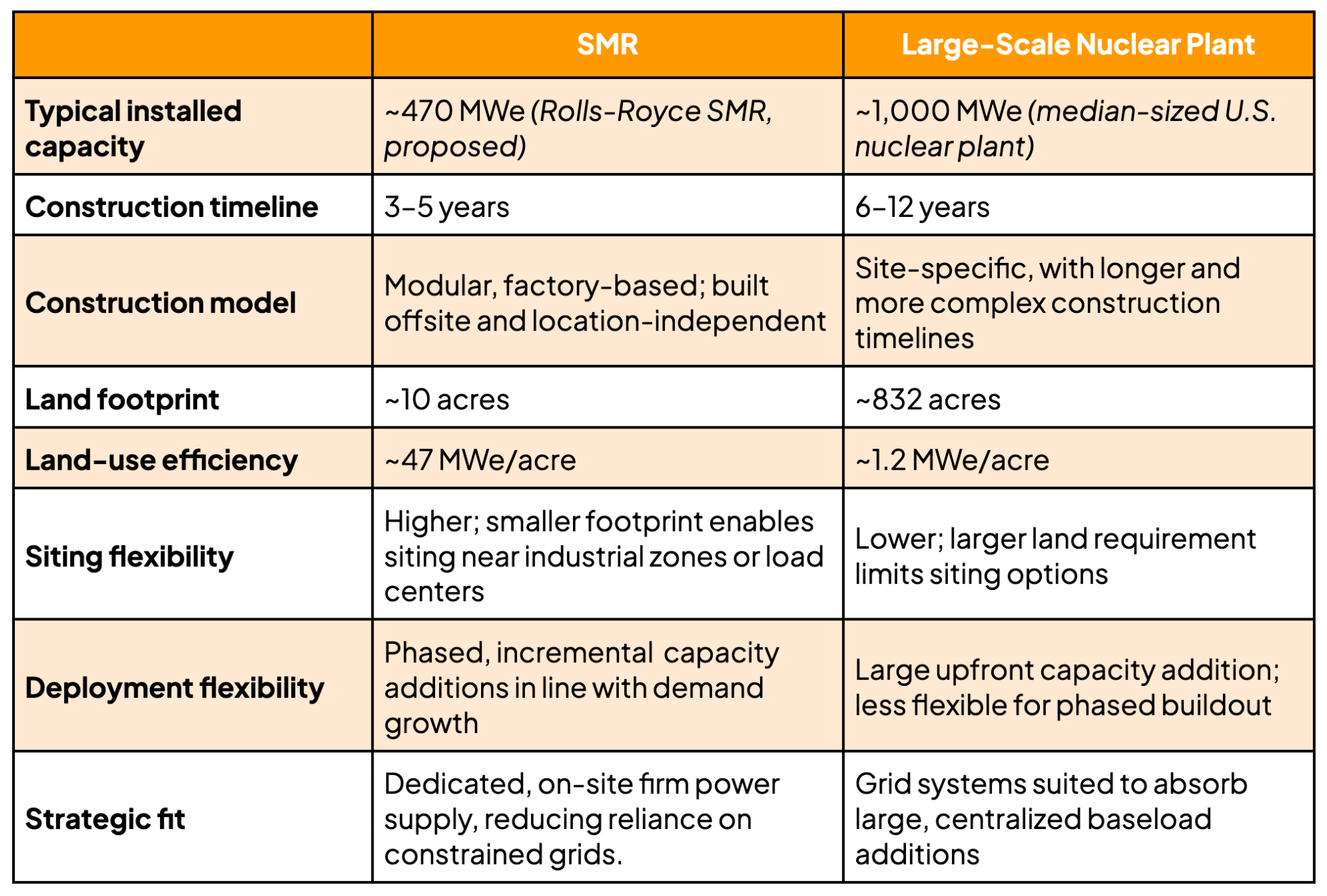
The strategic significance of productization is that it changes where value is created in the nuclear delivery model. In practice, a factory-first approach reframes SMR commercialization as a repeatable industrial system rather than a sequence of site-by-site projects. On the supply side, it shifts the basis of capital allocation by ensuring that the advantages of standardization are retained within the product system and reinvested. On the demand side, it creates a clear value proposition for data centers and industrial users: firm, clean, reliable power delivered at speed and scale.
Aalo Atomics is a United States-based startup at the frontier of the modern nuclear renaissance, focusing on commercializing advanced nuclear fission technologies. Its Aalo Pod—a 50 MWe Extra-Modular Reactor—is designed for mass manufacturability, modular assembly and rapid fleet-level deployment. This product-market fit is clear: position AI-driven data centers as anchor customers, use long-term offtake to create revenue certainty, and design the reactor system to address the physical constraints of hyperscale deployment.
Co-founder and CEO, Matt Loszak, identifies the binding constraints for AI campuses as “land, water availability, and transmission capacity”. Aalo’s response is to design compact, air-cooled systems with multi-year fuel cycles that can be placed “on the parcel.” This behind-the-meter model reduces dependence on legacy grid expansion and reframes the SMR as a dedicated energy platform for next-generation digital infrastructure.
The liquid sodium-cooled SMR is expected to achieve criticality by mid-2026, paving the way for commercial deployment targeting 2029. Aalo’s recent momentum—including $136 million raised across Series A and Series B, its Austin manufacturing facility, assembled Critical Test Reactor at INL, DOE safety approval, and strategic partnerships with Microsoft, NVIDIA, and Urenco—signals a key shift toward product-led deployment and three overarching founder lessons:
Speed as a cost lever: It compresses hidden cost drivers that shape project economics, including FOAK risk, cost of capital, construction duration, licensing risk, supply-chain readiness and time required to demonstrate repeatable unit economics.
Ruthless standardization: The economics of SMRs depend on how much complexity can be removed from each subsequent deployment. This includes reactor design, licensing packages, supplier qualification, contract templates, manufacturing processes, and site delivery.
Bankability over novelty: The market will not reward technical novelty in isolation. For early SMR projects, value will come from the extent to which the technology can support a full investment case. Proven materials, qualified suppliers, and repeatable processes carry more weight than marginal efficiency gains achieved through bespoke innovation.
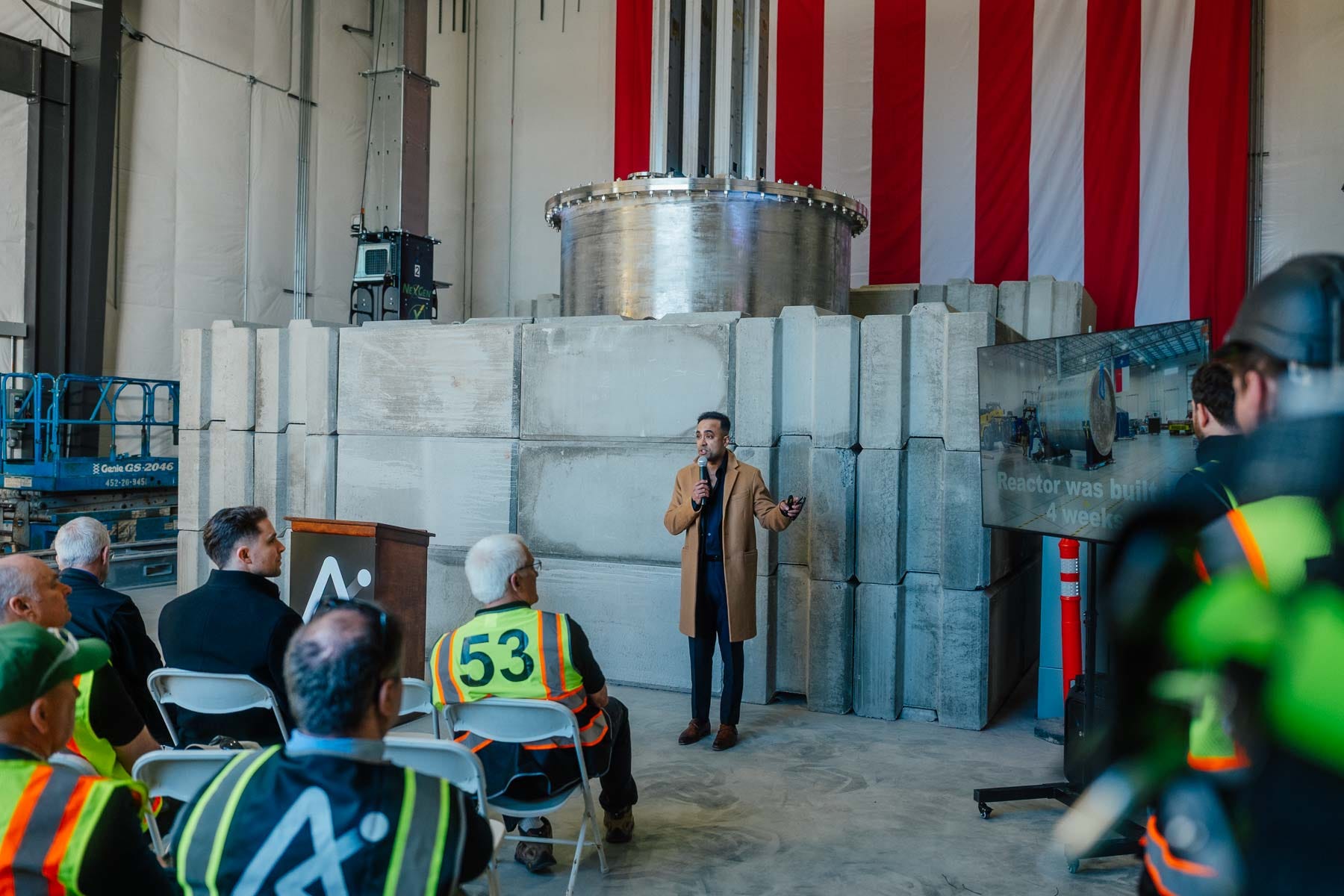
Aalo further applies vertical integration to ensure these founder lessons can be executed in preparation of Aalo-X, its experimental power plant designed to validate 10 MWe Aalo-1 reactor units behind the future 50 MWe data-center-focused Aalo Pods. By aligning reactor design, manufacturing, licensing, fuel, suppliers, and delivery within a single accountable structure, Aalo reduces the interface and negotiation risk that often slows FOAK nuclear projects. In practice, this means fixing design requirements before notice-to-proceed, standardizing licensing documents and contract templates, securing early framework agreements for fuel and critical components, and qualifying vendors through a “certify once, use everywhere” principle.
Blykalla is a Swedish advanced nuclear developer founded on research from KTH Royal Institute of Technology, and is also building the next generation of clean, safe, and scalable baseload power. Its SEALER reactor is a compact, passively safe lead-cooled SMR designed to decarbonize hard-to-abate applications including industrial process heat, clean hydrogen, water desalination and high-electricity demand. In May 2026, Blykalla submitted Sweden’s first-ever application to build the nation’s first commercial advanced nuclear reactor park— a proposed six-unit SEALER facility delivering 330 MWe.
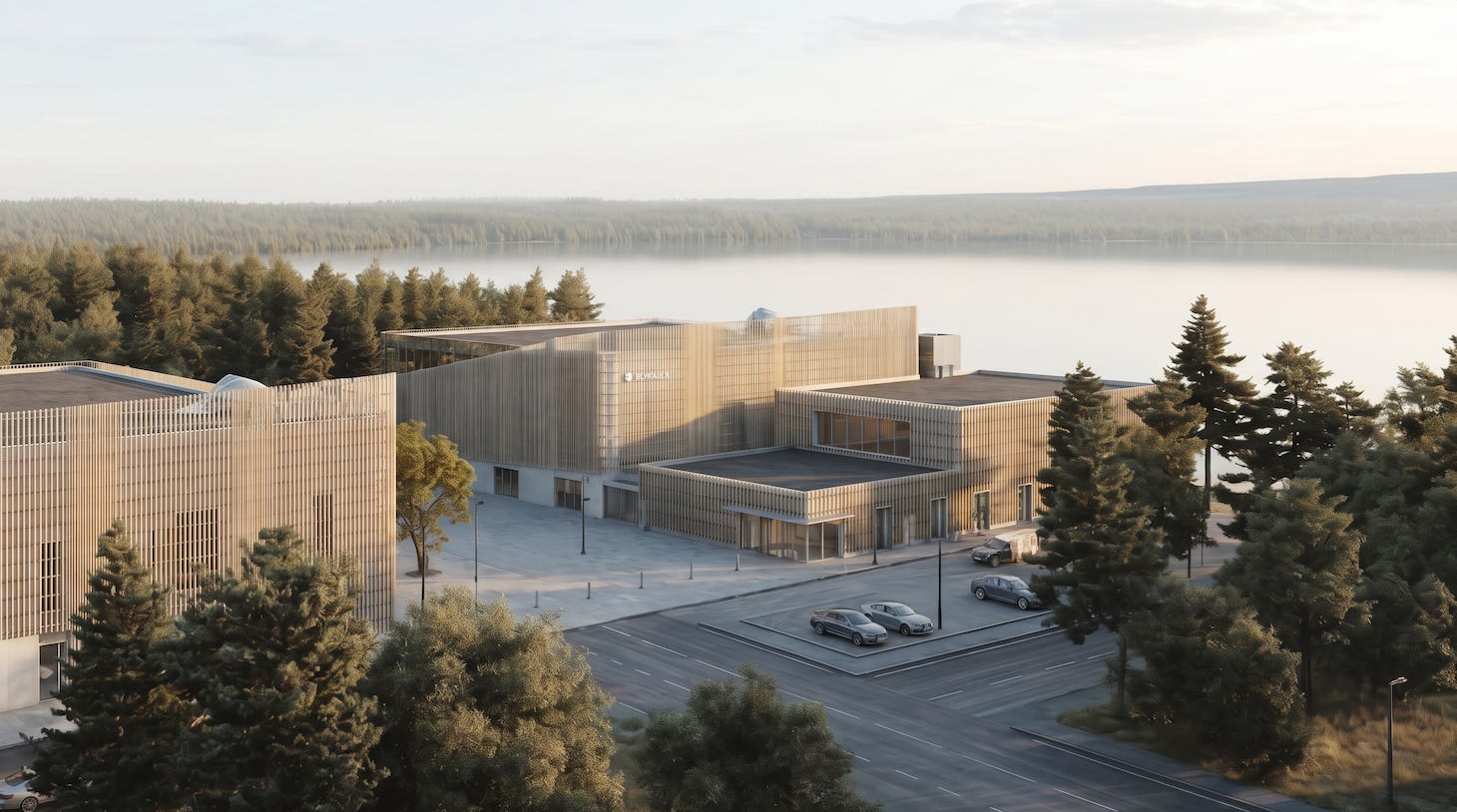
This milestone is important because it shifts the SMR discussion from technology promise to deployment readiness. For Southeast Asia, the lesson is that SMRs cannot be treated as plug-and-play imports; credible replication will require the same enabling conditions now being tested in Sweden, including trusted sites, prepared regulators, qualified suppliers, trained operators, and credible local partners.
Blykalla’s approach also illustrates that standardizing reactor design is only part of the test; it will also depend on the ability to reproduce partner-led support structures across new nuclear and industrial markets. In Southeast Asia, this is particularly important because technological readiness alone will not create the institutional confidence, safety governance, or domestic delivery capacity required for a repeatable nuclear program. Therefore, the priority for SMR developers should be to ensure that deployment is nationally anchored rather than externally imposed.
This requires early credibility-building across the host-market ecosystem, including training future operators, engaging trusted local institutions and regulators, mapping nuclear-grade supplier capacity, and forming credible partnerships with utilities, industrial users, and public agencies. It also requires communicating with host communities in terms they can act on. Andreas Törnblom, Business Developer at Blykalla, emphasizes that effective community engagement depends on translating technical characteristics such as passive safety and lead coolant properties into accessible language and tangible local benefits: stable electricity prices, industrial investment, job creation, and reduced emissions. These activities are not secondary to deployment; they are what enable host countries to regulate, operate, maintain, and politically sustain an SMR program over time.
In June 2025, Vietnamese Prime Minister Phạm Minh Chính’s visit to Blykalla’s KTH labs signalled how ASEAN markets may begin preparing for SMRs before formal deployment decisions are made. The founder’s lesson is that SMR deployment will require developers to help host markets absorb international nuclear experience into domestic expertise, institutional confidence, and industrial-base development. Fanny Widepalm, Business Developer at Blykalla, captures this partner-led approach: “Our approach to Southeast Asia is to find great partners with local knowledge with a very long-term plan.” She further emphasizes the importance of “a well-networked partner who could help us drive early engagement,” underscoring that market activation will depend on more than technological transfer.
The next phase of SMR commercialization in Southeast Asia will be judged by execution rather than technical promise alone. The region’s opportunity is visible: electricity demand is rising, data-center growth is accelerating, and governments are reassessing the role of advanced baseload power in long-term energy security. Yet the order of execution will determine whether early SMR interest becomes a bankable project or remains a policy discussion without closure.
Emily Bolon—CCO at Blykalla—framed this challenge during Earth VC’s webinar, “Singapore as the Financial Architect of Advanced Baseload for Southeast Asia,” where she highlighted the core market-entry challenge is not only identifying where demand exists, but which market conditions can transform demand into a viable deployment pathway. This distinction is critical because the region comprises markets at different stages of digital infrastructure demand, regulatory readiness, utility structure, public acceptance, and nuclear institutional maturity.
The SEA Market Entry Matrix for SMR Providers translates the regional opportunity into a staged deployment roadmap, using data-center demand and regulatory readiness as the two key filters.
This phased approach clarifies which commercial actions are appropriate at each stage—the objective is to match engagement to the maturity of each market:
Early-stage markets: focus on trust-building, institutional confidence, and policy familiarity before project origination.
High-demand, low-readiness markets: convert data-center and industrial demand into a structured pathway for market activation.
Readiness-led markets: shape bankable offtake through PPA structures, utility coordination, and clear risk allocation.
Advanced markets: move from preparation to execution through pilots, licensing precedent, standardised contracts, and fleet delivery.
For founders, the strategic lesson is to build the market with the same discipline used to build the product. Aalo Atomics illustrates the product-side logic: standardization, vertical integration, anchor-customer demand from AI data centers, and a pathway from first deployment to fleet replication can turn SMRs into a repeatable power product. Blykalla adds the institutional lesson—standardization only becomes applicable when translated into a host-market system that regulators trust, local partners can execute, suppliers can support, financiers can underwrite, and governments can sustain over multiple deployment cycles.
Together, these lessons point to a staged commercialization landscape rather than a single market. The implication is practical, Southeast Asia should be entered through the market most capable of becoming a regional proof point.
The Earth VC report “Nuclear Energy Fuels the AI Boom in Southeast Asia Data Centers“ explores how advanced nuclear technologies, particularly Small Modular Reactors (SMRs), can provide low-carbon, reliable baseload power to fuel Southeast Asia’s (SEA) rapidly expanding digital economy and AI-driven data center growth. The analysis focuses on six key markets where the convergence of digital infrastructure demand and nuclear feasibility is most advanced: Singapore, Malaysia, Indonesia, the Philippines, Thailand, and Vietnam. The research combines extensive desk research with 15 in-depth interviews conducted across policymakers, investors, data center operators, SMR developers, and domain experts—resulting in a distinctive set of frameworks and proprietary insights for the region.
Comments
Nothing yet. Say the first thing.
Sign in to join the conversation.