
I write this as a person whose identity is inextricably linked to their creative expression. I am concerned, and have some thoughts to share, which may not be to everyone’s liking.
Oh, well.
Let’s rewind first.
I fell into books at an early age. Page after page, world after world, hour after hour, I devoured words, actions, and torrents of emotion that were spun up and served into my imagination. Reading furnished my inner landscape - it was a fundamental part of my sense-making journey. I matured through my tears on reading of Cathy’s passing in Wuthering Heights; I felt the magic of Tolkien’s world, through the wise, slooooow moving Ents; it was Toni Morrison’s Beloved that showed me words had the capacity to momentarily take my breath away. I learned of justice, which is rarely blind; I had to confront colonial darkness directly through the heart; I felt what it was to build a mansion to unrequited love and dwell in that despair. Suffice it to say, for a child who was incredibly quiet and introverted, my inner reality was riveted, rowdy and so deliciously vitalised.
On from fictional worlds, that often speak truer than any ‘non'-fiction’ could aim to capture, I moved into the realms of philosophy, wisdom traditions, history, politics, and ethics, with some new age gems sprinkled through. My mind was challenged, confused, courted and eventually, cured of the hubris that I could ever truly know everything, or indeed, anything particularly well.
Creativity started off cavorting in the created worlds of others. Soon though, I discovered my own written expression, taking to short-form essay writing as a particularly treasured medium. My poetry was trite, and my attempts at fiction were fairly flat. But alongside writing, I also discovered form. Specifically the couture of the 20th century.
Through my literary forays I had been privy to the complex narratives that are encoded in costume and appearance more broadly. Think of the handcrafted grey garments worn by the wizened wizards in Ursula Le Guin’s Earthsea Cycle; Lady Harbury whose hair turns golden with grief (The Importance of Being Earnest); Desdemona’s fateful handkerchief (Othello); that knower of souls, the Sorting Hat (Harry Potter) or even Virginia Woolf’s wry observations on the unique allurements of London’s main shopping thoroughfare - Oxford Street. Clothing is not neutral, and often the wrong outfit is directly linked to one’s displacement or demise (at least socially, if not literally).
Somehow, I discovered the work of Spanish couturier Cristobal Balenciaga, and I saw in real life - from photo books, to images and then many hours spent at the V&A peering at garments behind vitrines - all of the mastery and power that a few yards of fabric could yield.
There started a new journey - a love for the history of design, a deep (deep) appreciation for the craft, the stories, and the remarkable ability to evoke emotion through the cut of a certain neckline - I exaggerate not. To speed up this part of the story, there followed internships at several fashion desks, jobs at fashion brands, and I even ended up in a PR office on Bond Street at a particular French jeweller’s, having never worked in PR before but having a jolly good time of it. Thereafter I launched a fashion brand with my sister, which over time morphed into my current creative studio - per se.
Over the course of 20 years, my creativity has not only been a source of work, but it has been constant safe harbour. In a world with too many sharp edges too often, I have found sanctuary in beauty and in forms that inspire and delight. I have been in awe of the creative powers of others, designers of any product, photographers, calligraphers, videographers, goldsmiths - you name it, I respect, and admire it.
But now it comes to a head.
Over time my own practice has increasingly moved from the material, to the immaterial. What does this mean? Basically, having spent my first decade of work amongst ‘things’, including directly designing - from sketch to manufacture, shooting campaigns to showcasing in London and Paris - I decided to bow out. Once I had spent enough time especially in the fashion industry, I realised how utterly insidious, sadly, the current state of creative affairs had become. In 2017 I decided I was better placed to stop adding to the mountains of stuff created - as much as I loved designing - and instead work further upstream, to re-shape our relationship to things themselves.
-
The ‘West’ has been at ‘peak stuff’ for quite some time. I was on a panel once with the head of sustainability at Ikea, and she was in firm agreement. And yet, did Ikea change its business model in light of this knowledge?
A few months back I learned that we have enough clothing in circulation, to last for the next six generations. If we literally stop every single underpaid, poorly treated garment maker from stitching that next hem, our future generations would still be richly, warmly, flamboyantly, clad.
Rutger Bregman’s work1 on moral ambition mirrors closely the revelation I came to all those years ago. Today this open letter comes because I am tired, and deeply disappointed to see so many exceptional minds and makers, devoted to producing, romanticising and selling, goods and services that we don’t need, that enact great suffering on the people who make or provide them, and have a huge cost to local and global ecological systems. Even worse, if that was not already a fairly ropey cocktail, the use of creativity in service of pure consumer expansionism, reinforces the idea that the only metric of creativity as having any inherent value, is how much revenue it generates.
I understand so keenly the precariousness of the creator overall, and especially in this moment in time. To make a living, let alone a dignified one with material needs met comfortably, is too often an impossible feat. Added to this is the onslaught of certain technologies. These extract with impunity creative mastery that millions around the world have devoted their lives to crafting, and feed it wholesale into machines of unloving disgrace, from which a narrow band of corporations profit handsomely. So, when a fashion brand, a drinks brand, or even an on-demand car share company, offers actual budget to create a swoon-worthy product, advert, or ‘merch’, the pragmatic response seems to be an unhesitating, “yes!”
But as I see the latest spate of Primark adverts proliferate our digital spaces, with the slogan ‘shockingly chic’, I ask - what on earth are we doing? Yes, it is shocking that items sold at stores such as this one are this cheap - cheaper than a matcha latte (this is now the comparison, which speaks to a particular point in our culture) - when they are literally costing us the earth. Shocking because in a world where people are paid a fair wage, have clean and safe working environments, where resources used are regenerated with care, these garments could never be this cheap. There is nothing chic in outsourcing inequity.
The copywriter, the photographer, the models, the set designer, the creative director, the story-border, the stylist, the retoucher, the make-up artist, and so many more skilled humans, all centring their craft, skills and imagination on selling a tank top for £4, to someone who already has a dozen of them, is so utterly bewildering.
Bregman’s call-to-arms for greater moral ambition - to think of the ‘we’ in pursuing our careers, ‘to redefine success not by what we accumulate, but by what we contribute’, is not just for those on the brink of entering management consultancies or investment banks. This is an exhortation - yes the more impassioned I become the longer the words I use become - to my fellow creatives to push through the limiting narratives that we are being fed, and to be so more ambitious with our creativity.
‘The best minds of my generation are thinking about how to make people click ads.’2
I would edit the above, and say some of the best minds are thinking about how to make people purchase more of what will inevitably end up in a landfill, in the Atacama Desert and still be choking the planet, hundreds of years from now.
What’s worse is that we have a veneration for a designer who manages to snag a big deal with a brand. And this runs the gamut from fast fashion brands to the seemingly ‘luxury’ too. We marvel and feel envy when we read that a certain someone has become a creative director of a prestigious brand. In the UK especially, where Brits are fixated on asking someone in the first ten seconds of a conversation “what they do”, there is far more social status associated with saying you work as a designer for say Porsche, than at an ethical furniture business working only with regenerative materials, humane working conditions, for a reasonable price. Of course there are exceptions, but trust me, I speak as someone who has had the brand names to use, and then also chosen not to name-drop them, and I can track in real time the dimming of the light in my fellow interlocutor’s eyes, as my status invariably drops.
It may sound harsh, but I have found this to be proven true far too often.
I think about the tobacco industry, which in the twentieth century spent exorbitant sums on equating smoking for women in particular, with something incredibly chic, stylish and desirable. Note that word again - ‘chic’ - a Trojan Horse of an adjective, which lures one in with style and grace, and leaves you with lung cancer.
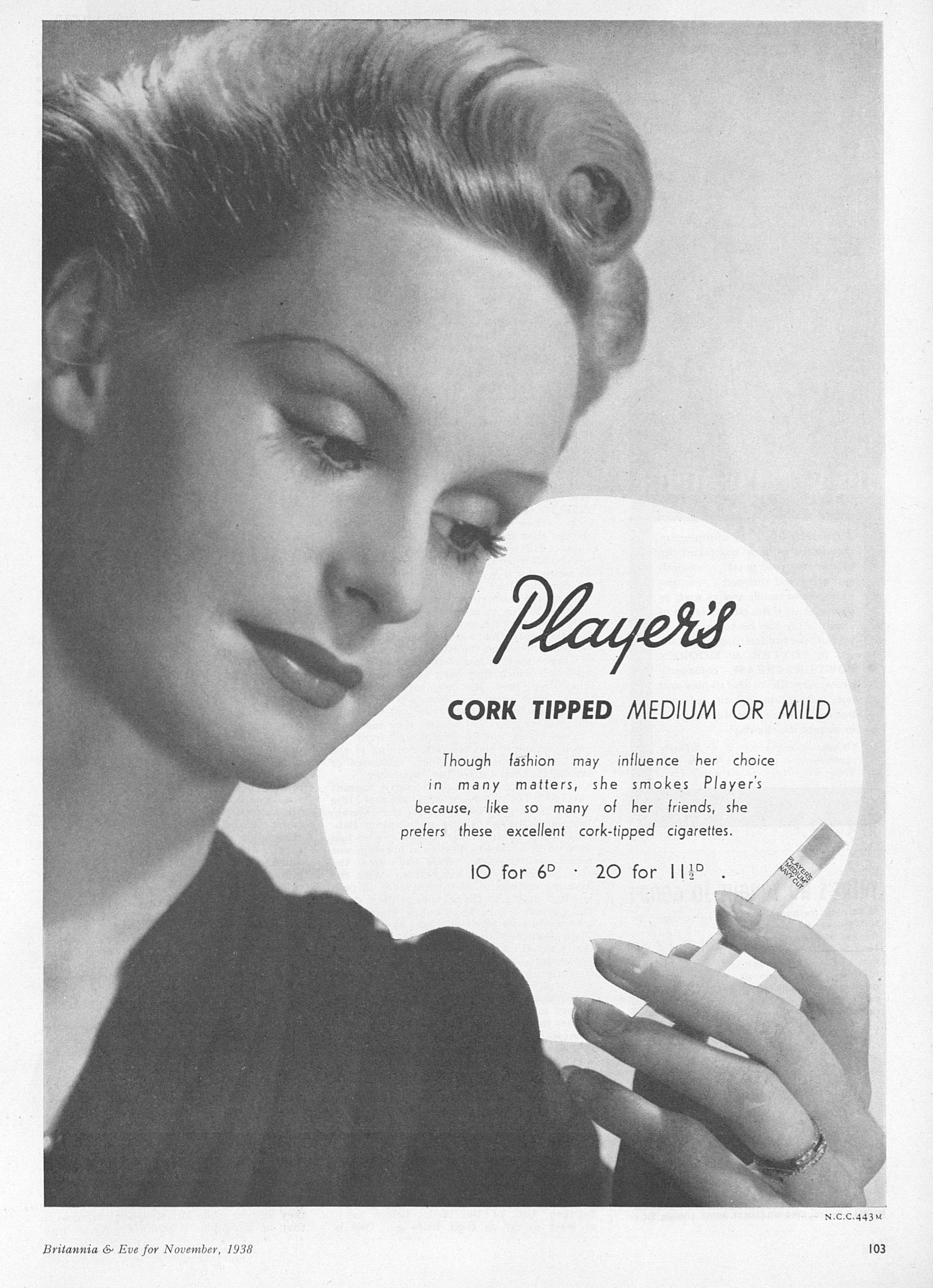
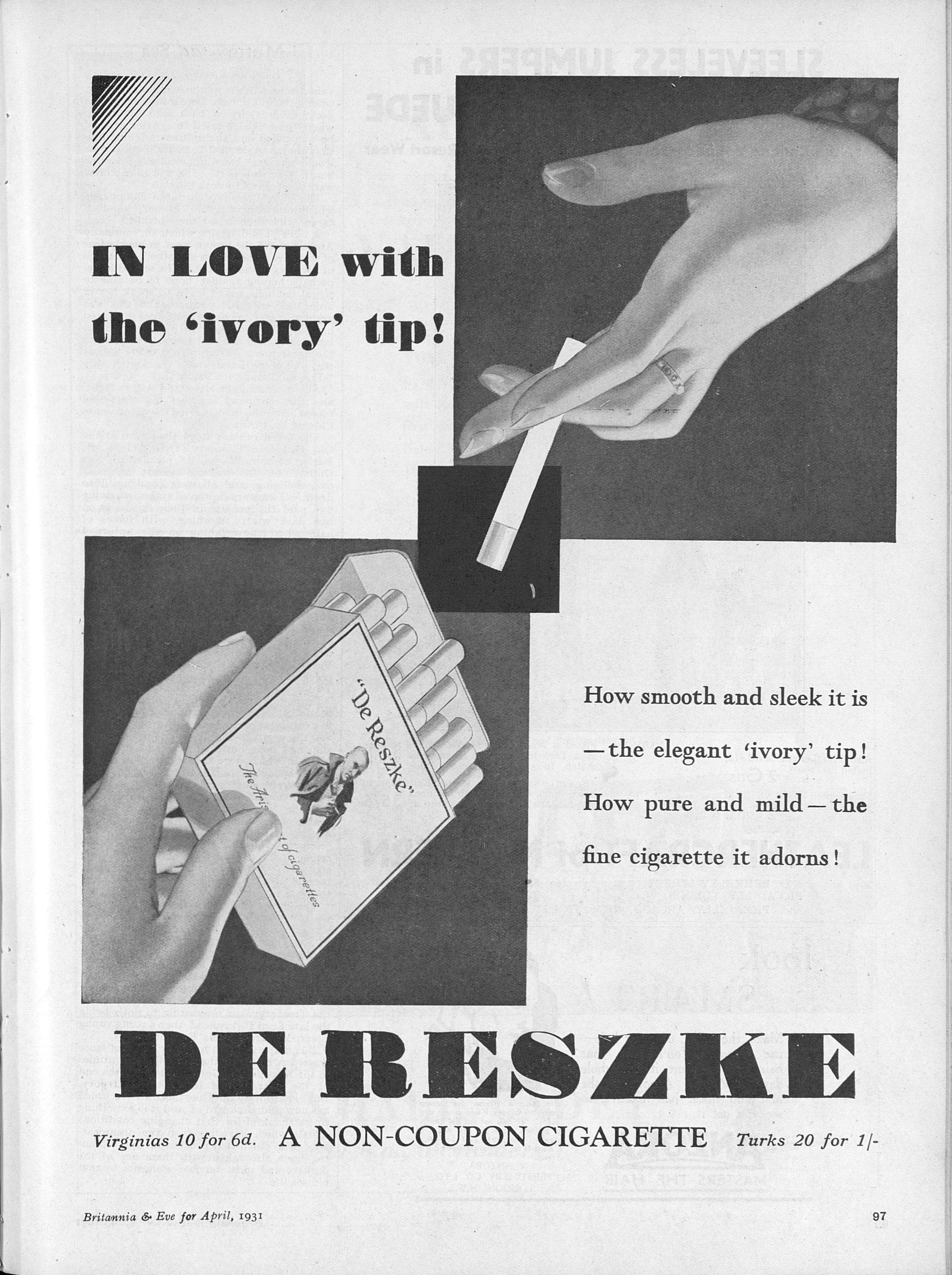
This is not condemnation. In the thousands there are ‘experts’ selling products on how ‘to be more creative.’ The fact that one of the great ‘sells’ of AI is allowing more people to ‘be creative’ or that music labels and design houses spend millions on securing IP and rights to artists’ work, are a series of signals indicating how incredibly valuable these sets of skills, are. What you have, so many are seeking to commandeer.

The second most popular ‘c’ word...
Where do we go from here?
The invitation firstly is not to starve. We live in a system that requires money for basic needs as food, shelter and energy. Where you are paid for this, get paid. The starving artist archetype is welcome to take a rest.
But these are just the lowest stakes to be engaged in.
It feels precarious I know, to ask for our creativity to serve something more, when often it seems the paid work just isn’t there. But this is where I think we need to broaden the aperture of our perspectives.
Firstly, on the success narrative, here Rutger’s work on this comes into sharp focus. If we see success as collective betterment - systemic change that reimagines for example farming policy, tax justice, mitigating solutions for climate change and so on - then we have a whole new category where creativity can do some serious heavy lifting, freed from the death spiral of extraction and consumerism.
Part of the reason we are where we are (aforementioned death spiral etc), having overshot many planetary boundaries (see Kate Raworth’s work on Doughnut Economics3), is that we are too good at creative storytelling. With a form of power that Sauron himself would envy, the decision between buying one brand of loo roll over another is elevated into a spiritual quest. We have Einstein resurrected on our screens in a bath tub, for six second adverts, solely to promote smart meters. Imagine this ingenuity, well, perhaps not the previous example…

channeled towards ideas that will actually transform, for the better, the lives of humans and the more-than-human, alive in this exact moment. Doing work that may be lucrative, or popular, or recognised at scale, is a poisoned chalice at some point. David Graeber speaks to the ‘spiritual violence’4 enacted upon the self, by doing work that you personally feel is either pointless or worse, perpetuating incredibly harmful systems.
Thinking in systems, that a coat is never just such a one, or chair, or a building - is the training a designer rarely gets but is really the first lesson we should all learn, and one that is repeated over and again. There is no action in isolation - with every release, creation, update - we tip the scales one way, or the other. Slowly this is changing, but I am in my fair share of rooms where still the designer is seen as a pure creative genius, who should not concern themselves with lowly ideas such as material provenance, working conditions, or end-of-life disposal. This is where I think common sense has to be reintroduced as a highly desirable trait, regardless of the brightness of one’s star power.
Also remember this - each object that has come into form, first was imagined in the mind. What an incredibly wild and potent gift we each carry between our ears, and what an awful shame to have spent time on this planet, to have left as one’s legacy, a trail of waste.
The argument is not to sacrifice the beautiful, the joyful, the achingly masterful, but to use these same skills that sell billions of products minute to minute, and apply them to Earth in its and ours, time of need. At the moment many (not all) of our most creative minds who make a living through their art and craft, are essentially beautifying the chairs on the deck of the Titanic as it sinks.
And yes, the Earth will bounce back but why should we make such a mockery of the beautiful gifts it bestows, that literally took billions of years to cultivate, just for a £4 tank top or our 15th iPhone?
So, what now…
Firstly, know that you are in the driving seat, because we are a species driven by story. We are hard-coded to navigate our lives through narrative - we are visual, auditory, feeling beings that are achingly vulnerable to influence. Whatever domain of creativity you are in, in some way shape or form, you are in the driver’s seat, but in the car - bear with the analogy - are other passengers too. That is everyone else: the accountant on the 30th floor of a tower block, the mother of three down the road, the teen boy Twitch streamer, the baby who just took her first steps, the elderly neighbour showing the firs signs of dementia - we are all in the same vehicle, or as Buckminster Fuller put it, the same ‘spaceship Earth.’ The ones who can put together a compelling six second ad, or design a best-selling sofa, it is to you we also look, not just the investment bankers or management consultants, to want more for yourselves. To take planetary ambition as seriously as your own. At this moment I do have to add, this ambition is not the same as enforcing a singular utopian vision upon the planet, but to understand that our personal flourishing is intimately, inextricably linked to collective, and planetary, well-being.
Enfold this consciousness into your current work. Any brief you get in through the door, any pitch that you make, a tender you are invited into, take seriously how much power you have to shape the process and the output. And this will come with some sacrifice - it is not easy work. Saying no, holding a standard, modelling the language, the actions, the mindset of what a planetary-minded creative is, will be a part of your job description that no-one will ask of you, but your conscience will demand it of you.
Second, so many organisations, start-ups, movements, charities are fighting hard to create a future that allows for more life and lives to flourish, for ecosystems to regenerate, and to repair and heal so much of what has been broken. They have the theories, they even have the practices, but so many are lacking the creative firepower that you in the present moment possess. Also the better the story is, the more funding - yes we are still in a capital intensive paradigm - a given idea is likely to get. This means as a creative you have a chance to actually get paid well, for doing good. Who’d have thought it?
There are so many incredible people out there. In them you will find ready partners - ambitious, wildly visionary, dogged in their determination and just waiting for your particular form of creativity to lend its ingenuity to the work at hand. These are leaders that look different to the ones we are used to. They come from all walks of life, a diversity of experience, origin, skills and traditions. Many have had to work twice as hard because they don’t look or sound like the power brokers of old. They speak of collaboration, distributed power, distributed resources. They are that much more tenacious because they were never invited in, but they made their own way still.
The creative class, you are needed in this time. Enough with ‘business as usual.’ The very fabric of society, and not of the couture kind, is upending,
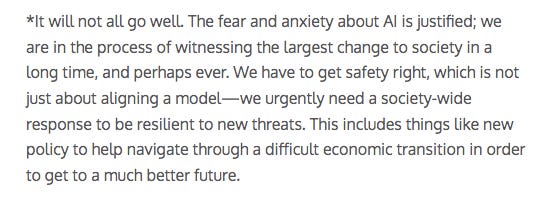
Sam Altman’s Blog
This is the time to get serious about what we are truly capable of, and to move out of the narrow ‘I’ which is blinding us to the larger story at play. Designed obsolescence isn’t just directed towards products, it now encompasses people too. Designers and creators of all kinds have played a part in what has got us thus far, for better and for worse. The question now is, can we take creativity as seriously as it deserves, not just as individual self-expression or commercial output, but as a moral good, if we wield it wisely.
I appreciate ‘good’ can be seen as either too generic or simplistic, but just look at the unfolding of events around the globe at present, and tell me you don’t have an inkling of what ‘good’ could be, or even just ‘better than this’ might be.
There - I’ve lowered the bar enough. Creatives, now it’s yours to raise.
Always,
H
Jeff Hammerbacher, quoted in: Ashlee Vance, ‘This Tech Bubble Is Different’, Bloomberg Businessweek (14 April 2011), as shared by Rutger Bregman
Comments
Nothing yet. Say the first thing.
Sign in to join the conversation.