
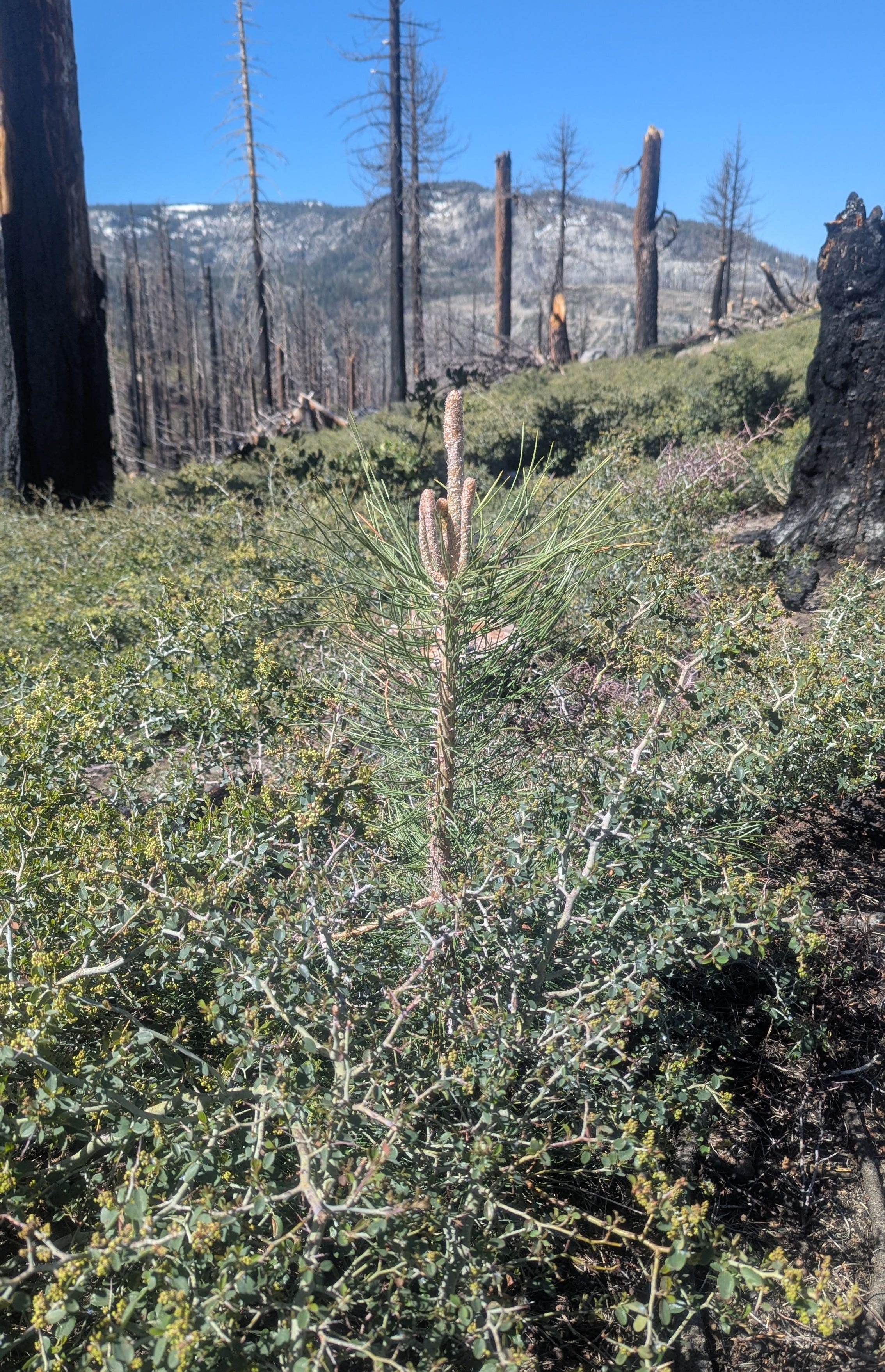
The tiny town of South Lake Tahoe is rising up against the US Forest Service over its plan to spray herbicides in the Caldor Fire scar, which hugs the backyards of hundreds of homes.
The uproar began when Mother Jones reported in April and May on widespread and increasing use of cancer-causing Roundup in U.S. national forests. Reporter Nate Halverson highlighted the Tahoe Basin as an upcoming area for spraying, then followed up with an article showing the effects of spraying at a ski resort right outside of Tahoe.
News spread fast. Olympic snowboarding gold medalist and South Lake Tahoe local Hannah Teter raised awareness through her Facebook following, saying, “You can't fix a problem using a toxic herbicide!” Health advocates launched an online Change.org petition, which has garnered over 26,000 signatures from around the world (it grows by about 1,000 a day).
The public’s main complaints revolve around Roundup’s links to cancer. But, in addition to human health concerns, what should equally disturb our senses is that the Forest Service uses herbicides to kill tens of thousands of acres of native plants in fire-scarred areas per year. These bushes miraculously survive fires and are stabilizing and restoring soil. What the Forest Service calls “weeds” includes any deciduous plant within spitting distance of a pine sapling, including flowering plants that fix nitrogen and feed birds. The practice has been blamed for forest fires, soil erosion, and bird declines, yet the Forest Service has increased its use of herbicides for the sake of growing more trees and boosting commercial timber harvests.
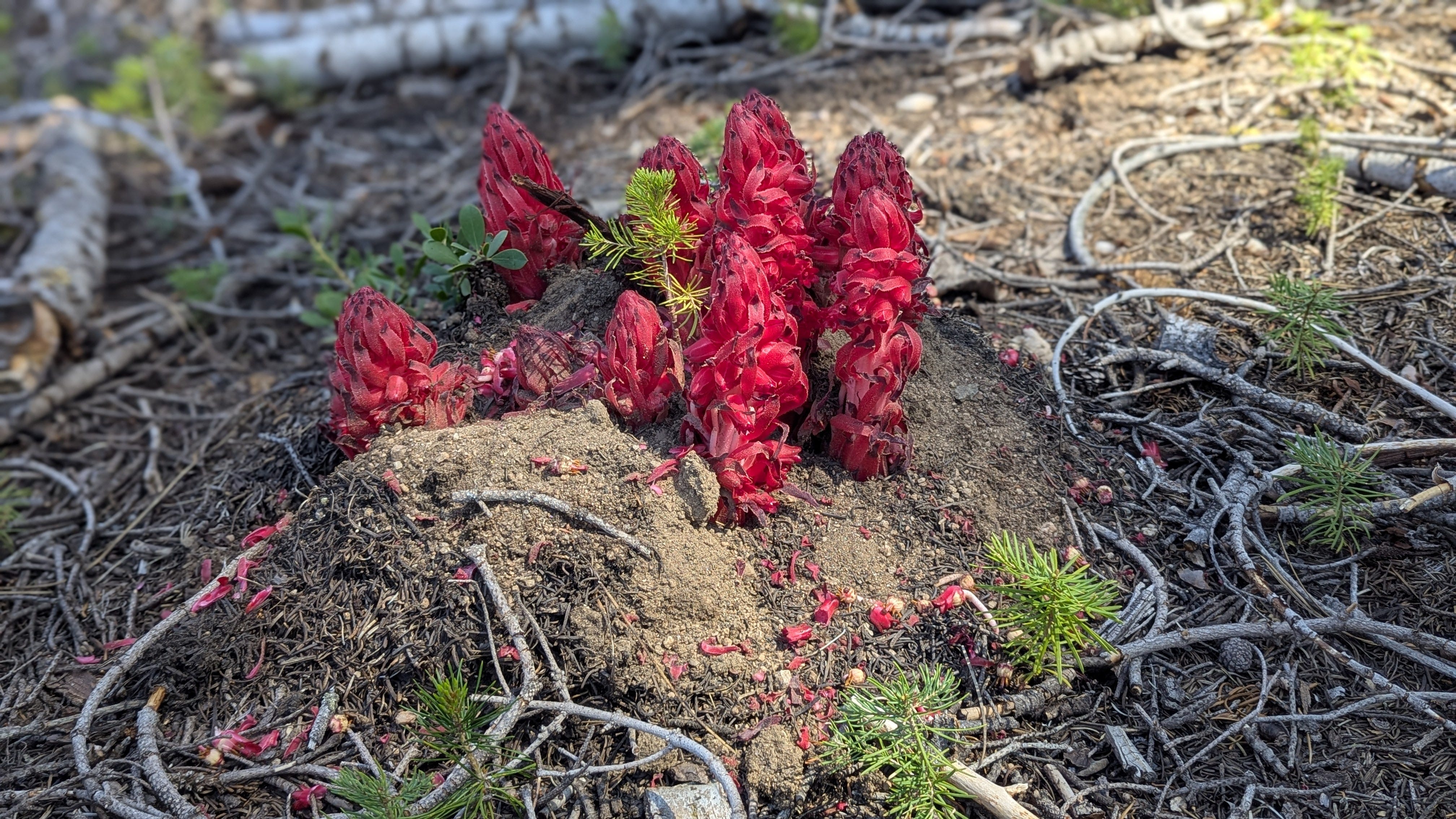
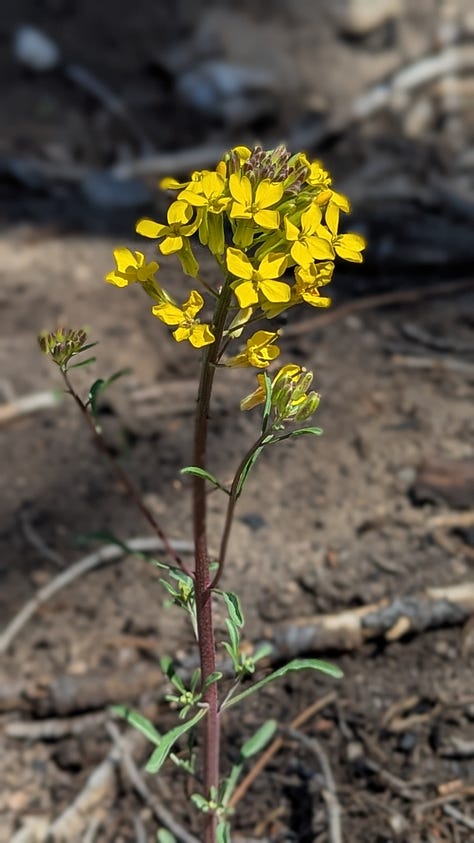
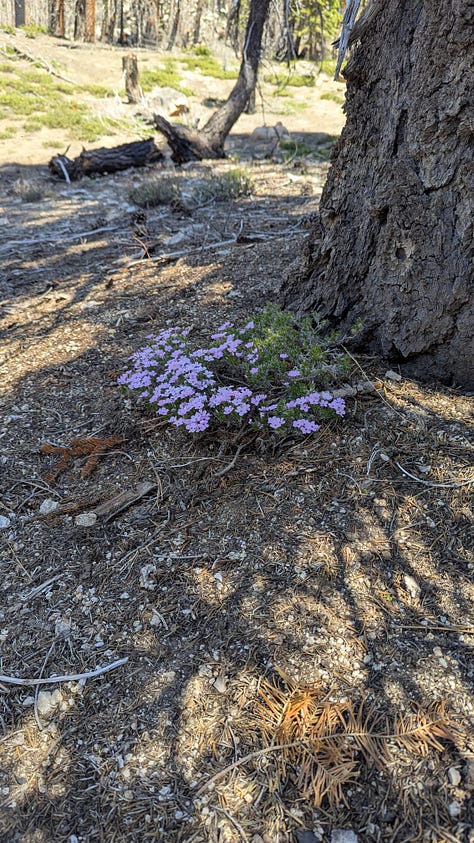
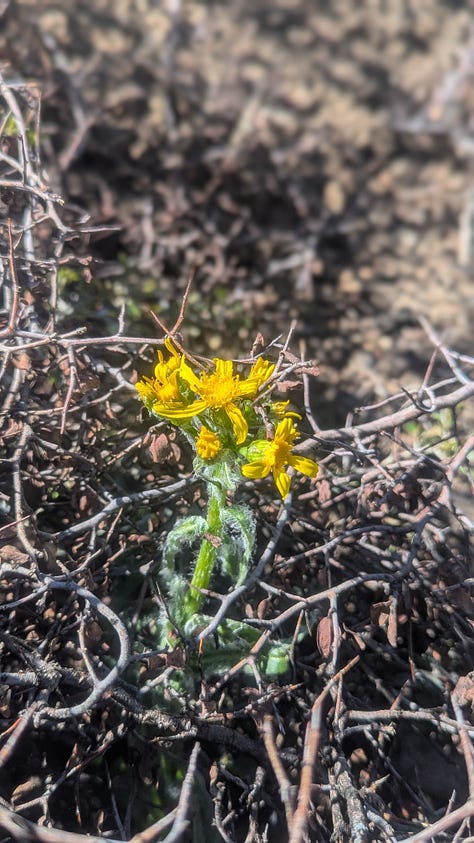
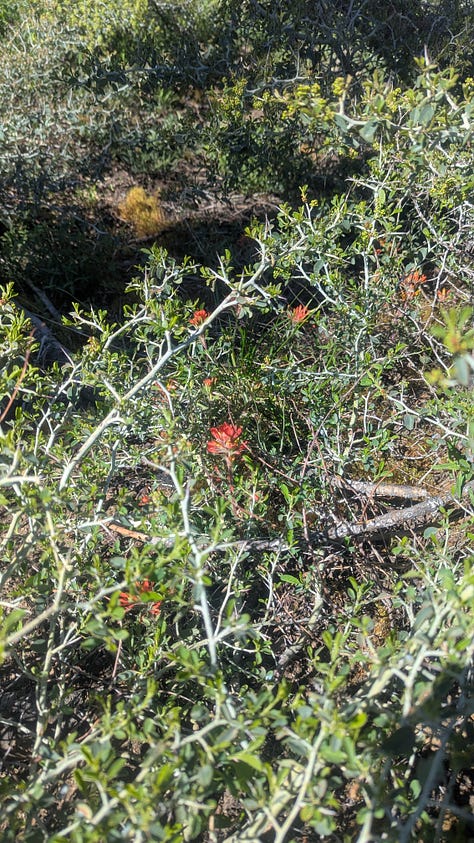
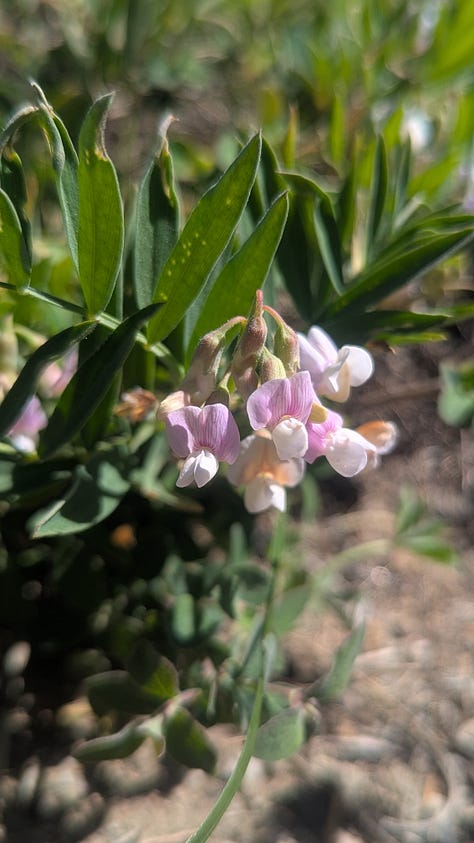
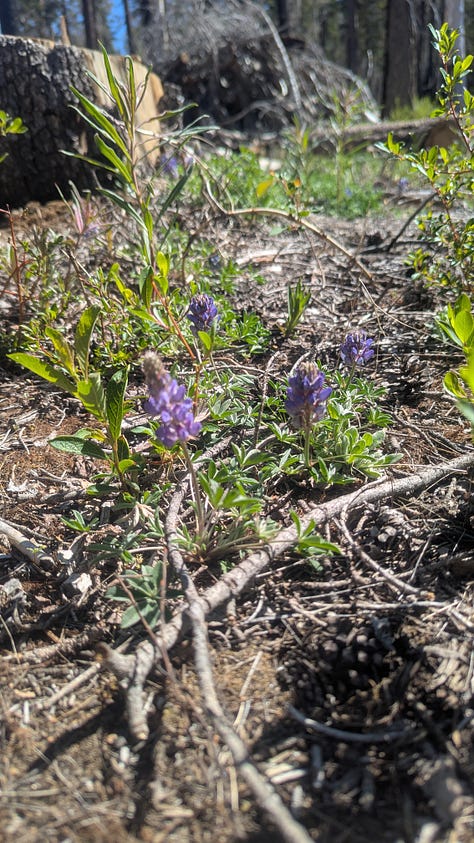
TWO HOURS, FIVE MILES in the Caldor Fire scar: VIEW A GALLERY OF NATIVE PLANTS IN THE SCAR. Just a few are included below.
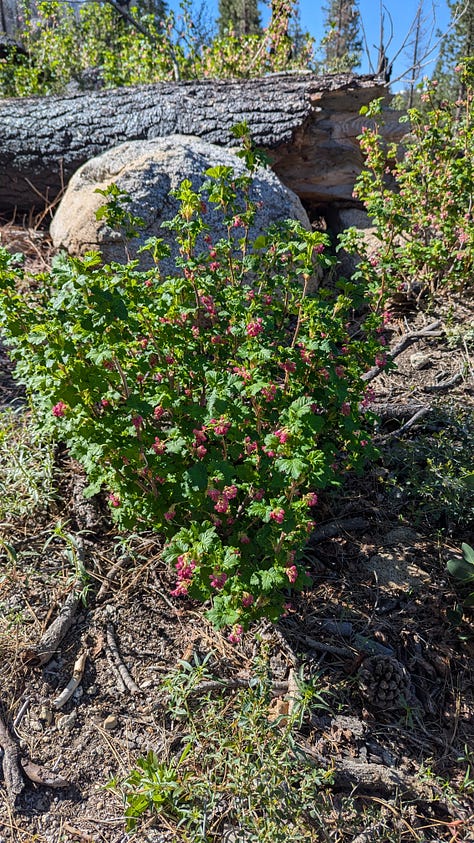
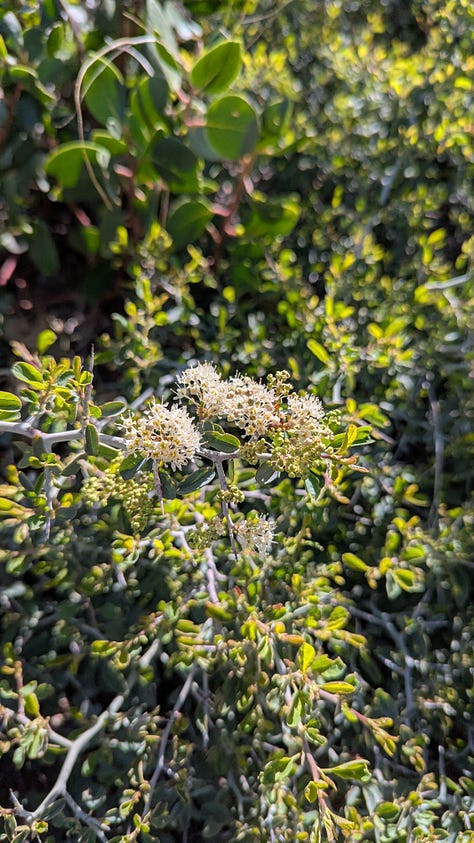
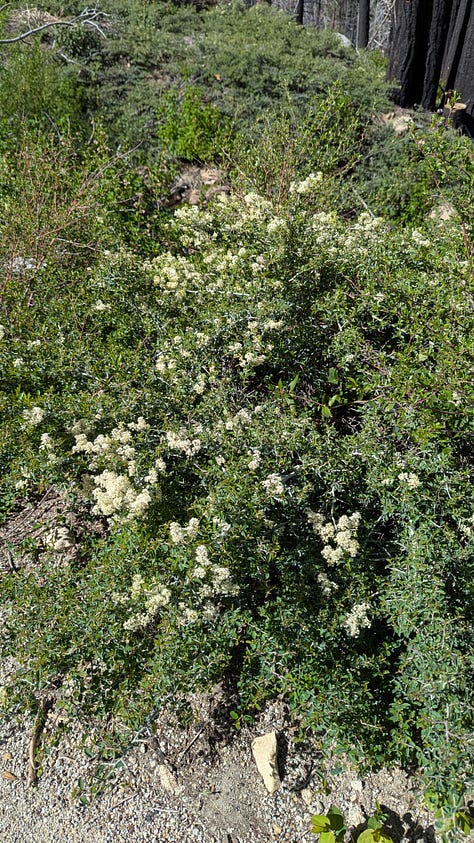
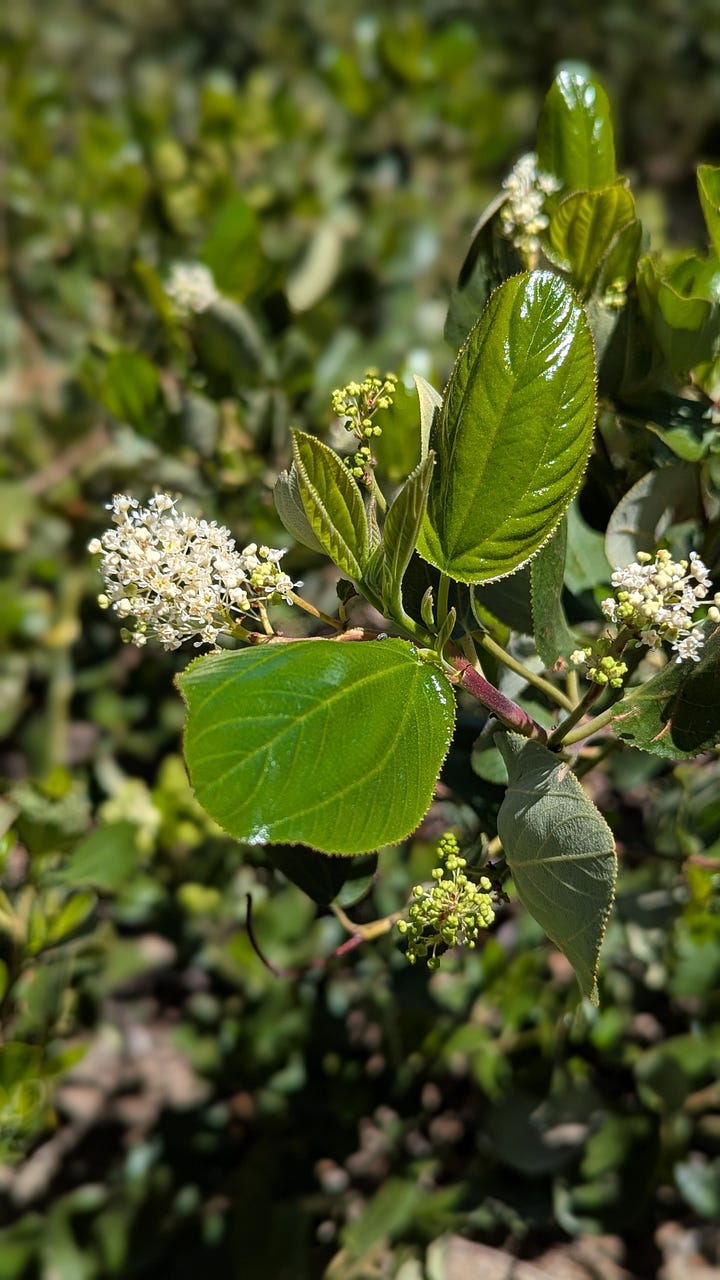
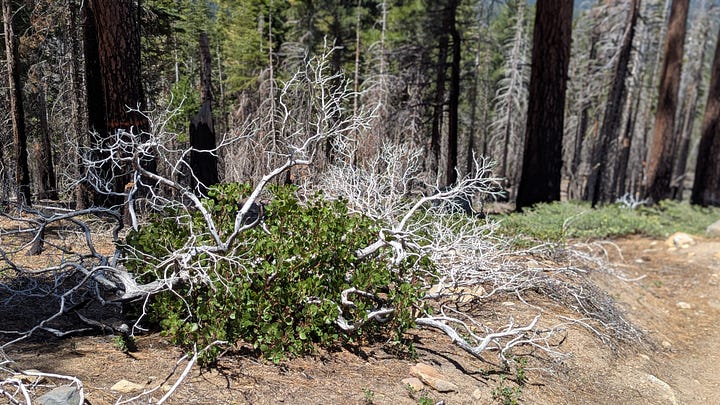
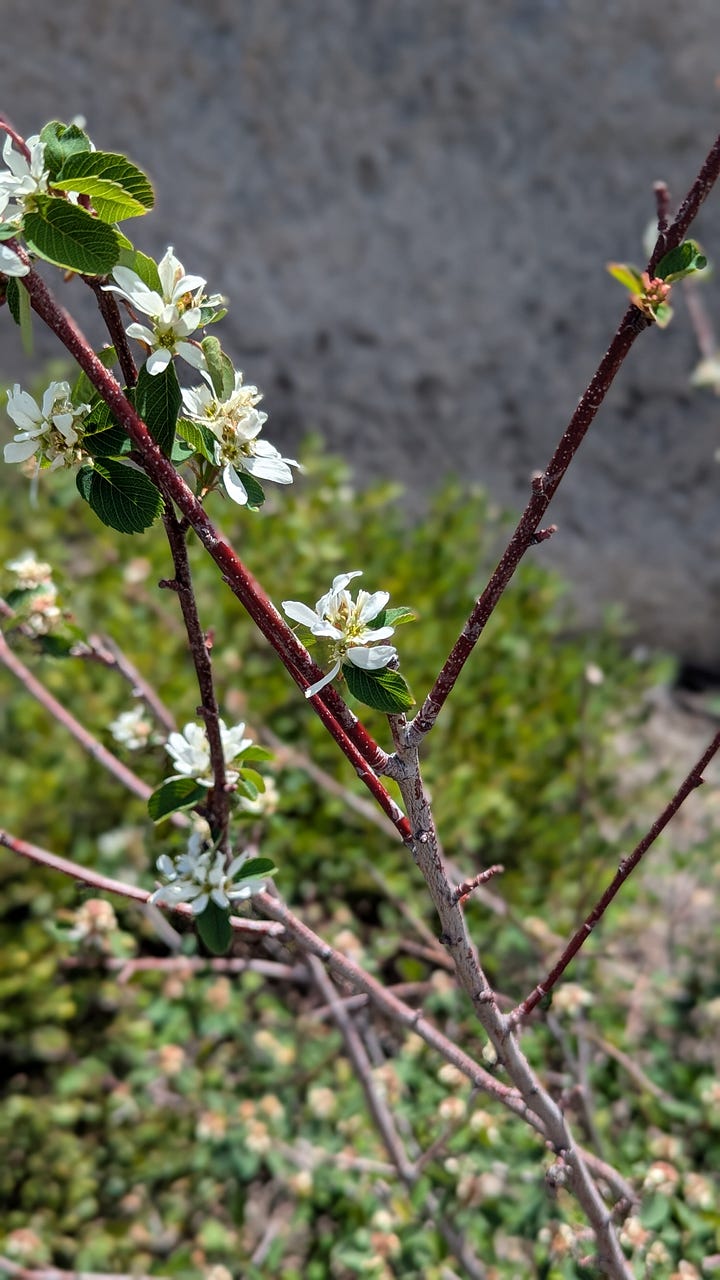
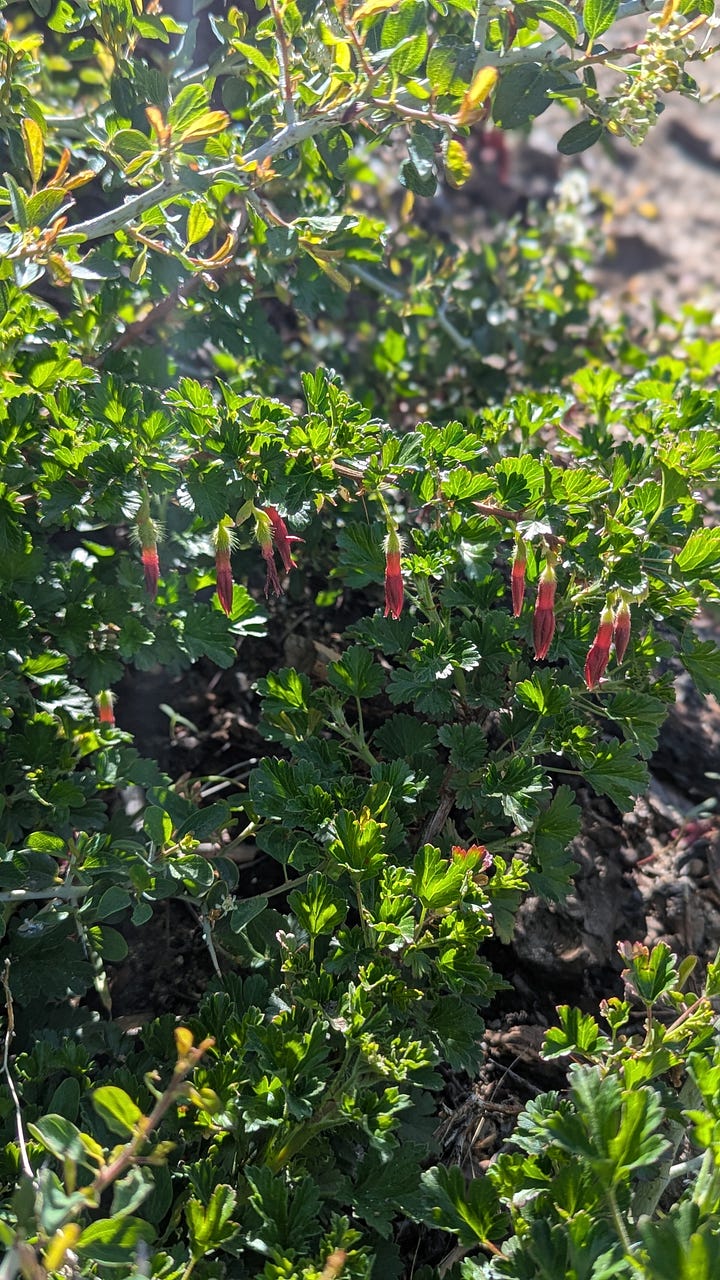
The areas around Lake Tahoe are recreation-based forests, not timberlands, so it’s a head-scratcher as to why anyone would take this approach.
The outcry has made public officials squirm, while the Forest Service office in Tahoe has issued unclear statements to media outlets attempting to reduce the impression that they plan to spray poison next to an urban area that is home to 31,000 permanent residents and 1 million yearly visitors. The Forest Service office in Tahoe hasn’t hired a public information officer for a year. A receptionist told me, “There will be herbicide used, just not Roundup.”
The Forest Service’s Caldor Fire restoration plan for Tahoe was finalized in March and received little vetting and public review because it qualified for a streamlined process. Tahoe’s environmental watchdogs and regulators were, by all appearances, unaware of the herbicide plans. The leadership of the region’s special environmental regulator, which governs two states, Nevada and California, has now sent a “formal letter” to the Forest Service “requesting coordination.”
With the West up in flames every summer, shouldn’t we reconsider whether we need more young trees in our national forests?
The Forest Service targets native bushes because they are considered competitive with conifers. The industry term for freeing pine saplings from their native shrub neighbors is “conifer release.”
The Forest Service reminds me of a beaver or vole whose focus cannot be diverted from building dams or digging holes. The Forest Service’s job is to grow, cut, and sell trees and — no matter how much those young trees fuel forest fires — gosh-darnit, they’re going to kill shrubs to grow more trees.
We should consider whether a landscape mosaic that includes slowly regenerating fields of shrubs in fire-scarred areas might create more fire resilience, soil stabilization, and wildlife habitat. Native flowering shrubs that pop up in fire scars certainly help rufous hummingbirds, reports Stephen Carr Hampton. (Not coincidentally I saw my first rufous hummingbird after the Caldor Fire.)
Hampton captures here what the Forest Service considers weeds in Oregon:
From Table 1 of the same document, you’ll learn that “weeds” is an industrial term for broadleaf trees, shrubs, and flowers. The list in the table includes fireweed, salmonberry, elderberry, huckleberry, manzanita, oceanspray, vine maple, thimbleberry, salal, Ceonothus, hazel, alder, bigleaf maple, tanoak, and madrone. The Doug-fir, however, survive the Round-up. “Conifer release” (that link is Wikipedia) is the rather dystopian industrial term for this floral catastrophe."
“Any shrub species” that might impede a sapling’s growth could be sprayed, a fire ecologist told me. In California, commonly targeted plants include manzanita, snowbrush, mountain whitethorn, bush chinquapin, ceanothus (Caliornia lilac), snowberry, currant, and even oak at lower elevations.
The Caldor Fire burned 222,000 acres in 2021, including 10,000 acres within the Lake Tahoe watershed. The dead old-growth trees are visible from many roadways and homes. The fire burned beloved hiking and biking trails, as well as a ski resort. Yet, as much as I deeply mourn the trees we lost, the Caldor Fire scar is not a denuded landscape. In contrast to the herbicide-sprayed, muddy, barren hillsides reported by Mother Jones near Lassen, the fire scar in Tahoe is bursting with a wide variety of shrubs, fungi, and wildflowers. The fire also cleared out bogs and meadows that were starved of water by lodgepole pines.
Do native shrubs compete with pine saplings and impede forest regeneration? Research has shown deciduous shrubs can be “nurse plants” that nurture conifer saplings by providing shade and sharing nutrients via underground fungal networks. Suzanne Simard’s blockbuster memoir “Finding the Mother Tree” explains the science on this well.
Finally, who will care for these young trees in the future to create a resilient landscape? Saplings that survive to adulthood in the West should be thinned and burned later to reduce crowding, susceptibility to beetles, and fire hazard. Thinning and burning can reduce wildfire severity, but the Forest Service has a terrible track record in this regard. They plant saplings, kill surrounding shrubs, and walk away. Thus, our current wildfire crisis.
It’s inspiring to see South Lake Tahoe rise up. Though small in terms of population, the nation and world recognize Lake Tahoe as a treasure worth protecting. (Over $3 billion has been spent restoring Tahoe’s environment, mainly on erosion-control measures.)
But the Tahoe controversy has highlighted how little power rural communities have when they neighbor a national forest. Herbicides will be applied in people’s backyards, and no one knew, neither homeowners nor environmental regulators. National forests are run as fiefdoms by bureaucrats who answer only to other bureaucrats in faraway offices. (For a glimpse of this and a taste of journalistic gold, watch Mother Jones reporter Halverson interview the Forest Service bureaucrat near Lassen National Park. Skip to minute 12. The man’s responses are laughable but he’s in charge of half a million acres.)
Unfortunately, while locals, elected officials, and regulators may push back on the Forest Service for its poison plans, the service retains ultimate federal jurisdiction and can continue with whatever actions it pleases under applicable law.
Herbicides are being applied across American forests at an alarming rate, all because a Forest Service “regional office” says it’s a good idea. If Tahoe’s outcry is effective, let’s hope other communities can use the victory as leverage to protect their own fire resilience, water quality, wildlife habitat, and forest ecosystems.
Mother Jones (April 2026): Poisoning the Forest for the Trees
Mother Jones (May-June issue 2026): We Are Bombarding America’s Forests With Roundup
Mother Jones (May 2026): Locals Didn’t Think Roundup Was Being Sprayed Near Lake Tahoe. So I Went to Find Out.
Mother Jones Youtube video report: The Secret Plan to Cover the World in Herbicide
USFS Caldor Restoration Project final decision notice. Clue: search “herbicides.”
Please sign Tahoe’s Change.org petition.
I lived in South Lake Tahoe for many years, where I was an environmental reporter. I later worked for a Tahoe-based environmental advocacy group. While I’ve experienced many wildfires, the Caldor Fire hurt the most. This is why I always mention it in my wildfire stories.
Earth Hope is a solutions-based journalism project that highlights environmental success stories to inspire action. I’m Amanda Royal, a former newspaper reporter and current eco-news junkie. Read more about this project and what inspired it. I aggregate news under my “hopeful headlines,” conduct original reporting and interviews, and share occasional personal narratives. Visit earthhope.substack.com for more stories. To understand why I write about hope, please read “As I went down in the river to pray …”
Comments
Nothing yet. Say the first thing.
Sign in to join the conversation.