Earth Eats is a show about food and farming. It’s storytelling, recipes, farm visits, and kitchen sessions. We have conversations with scholars, chefs, growers, and food justice activists. We hear from authors, artists, scientists, poets, and people who love to eat. Earth Eats is a production of WFIU Public Radio and Indiana Public Media.
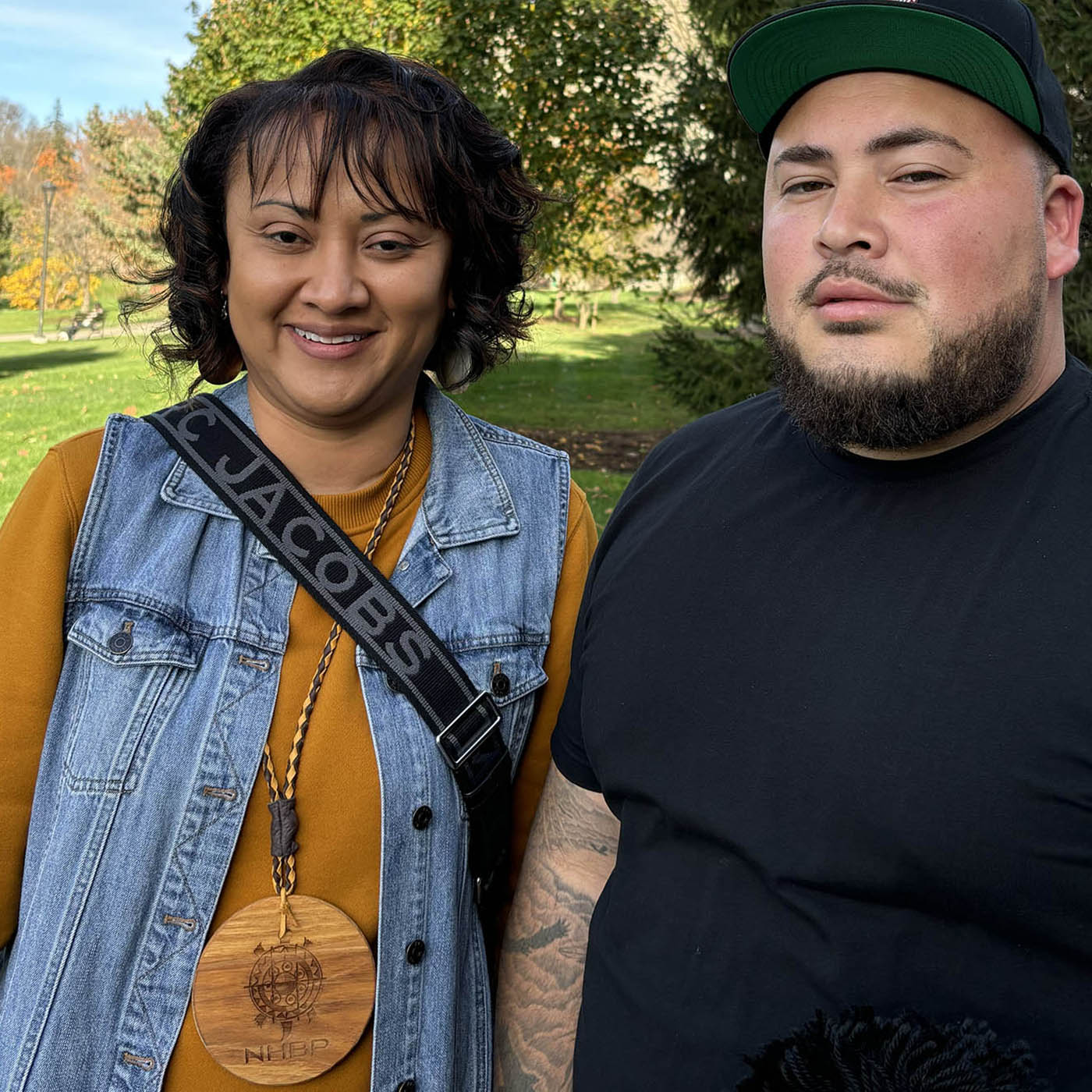
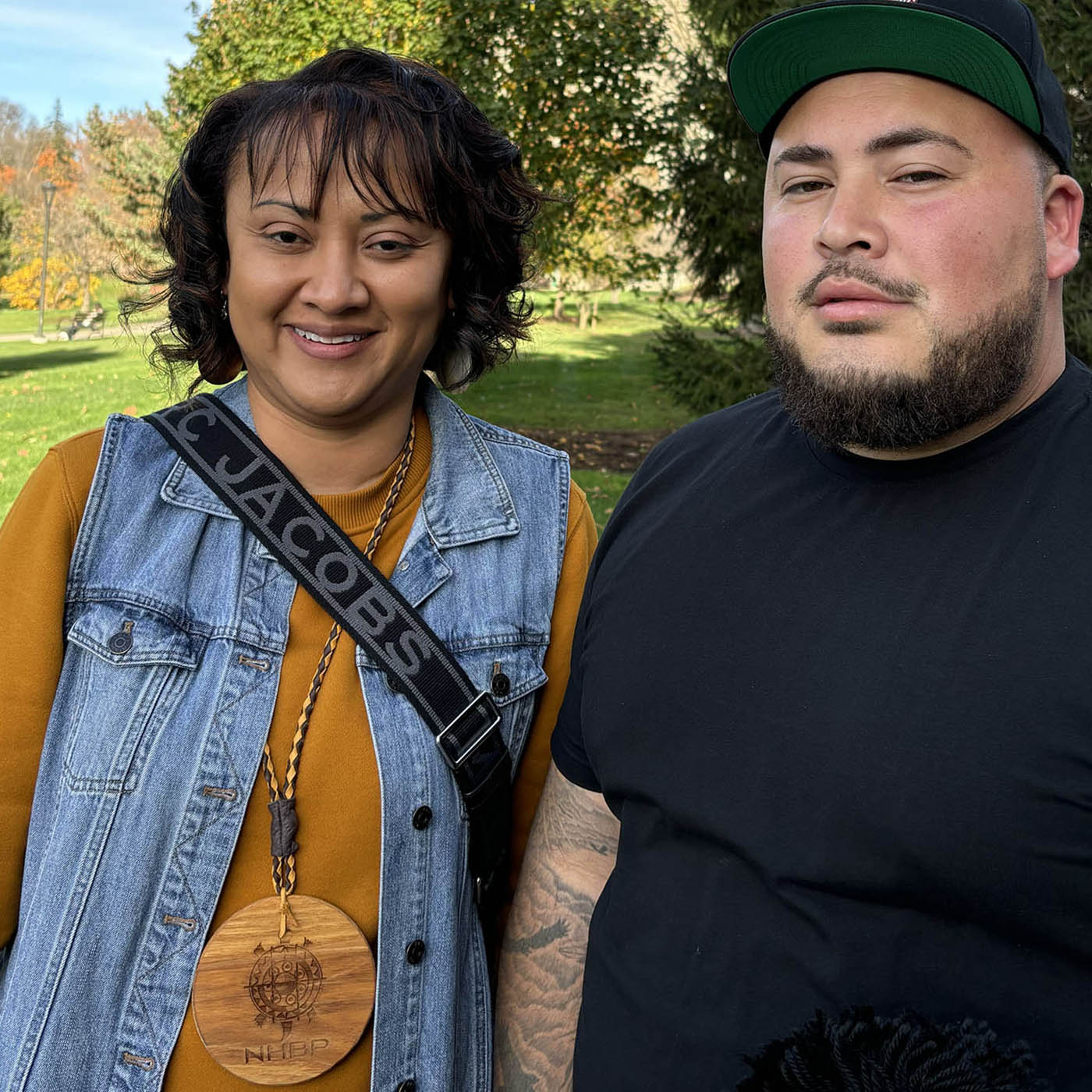
In the fall of 2024 Kayte had the chance to talk with Nicole Keith, Food Sovereignty Coordinator of the Nottawasepi Huron Band of the Potawatomi (also known as NHBP ) and Kevin Harris, Culture Specialist with the NHBP. They visited Bloomington in the fall of 2024 to share a film about wild river rice with The First Nations Educational and Cultural Center on the IU campus, in partnership with the…
“Wild rice camp started a long time ago. It actually started thousands of years ago, with our ancestors having a real-time lifeway.” We have a jam-packed show for you today featuring traditional foodways from the original inhabitants of this land, foods from lands far away–Anatolia and Mongolia, as well as right here in our own back yard. Wild rice harvested in a canoe, sumac by the side of the…
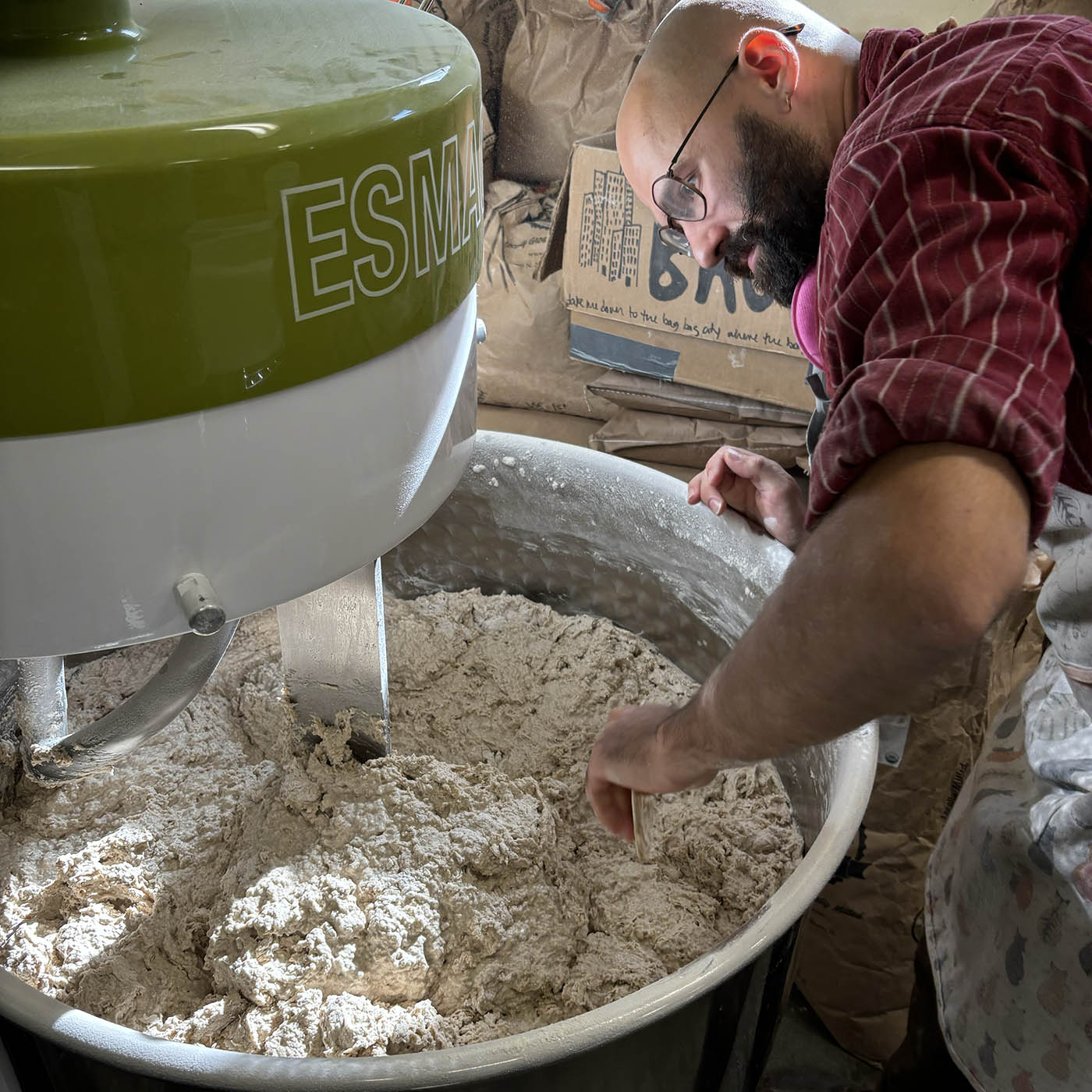
This week on the show, we focus on tools of the trade. Muddy Fork Bakery upgraded their mixer and it turned out to be a game changer. Hot sauce production is made easier with a hand crank food mill. And if you ever accidentally purchase the wrong kind of rice in Tokyo, never fear, they have coin operated kiosks to help you out.
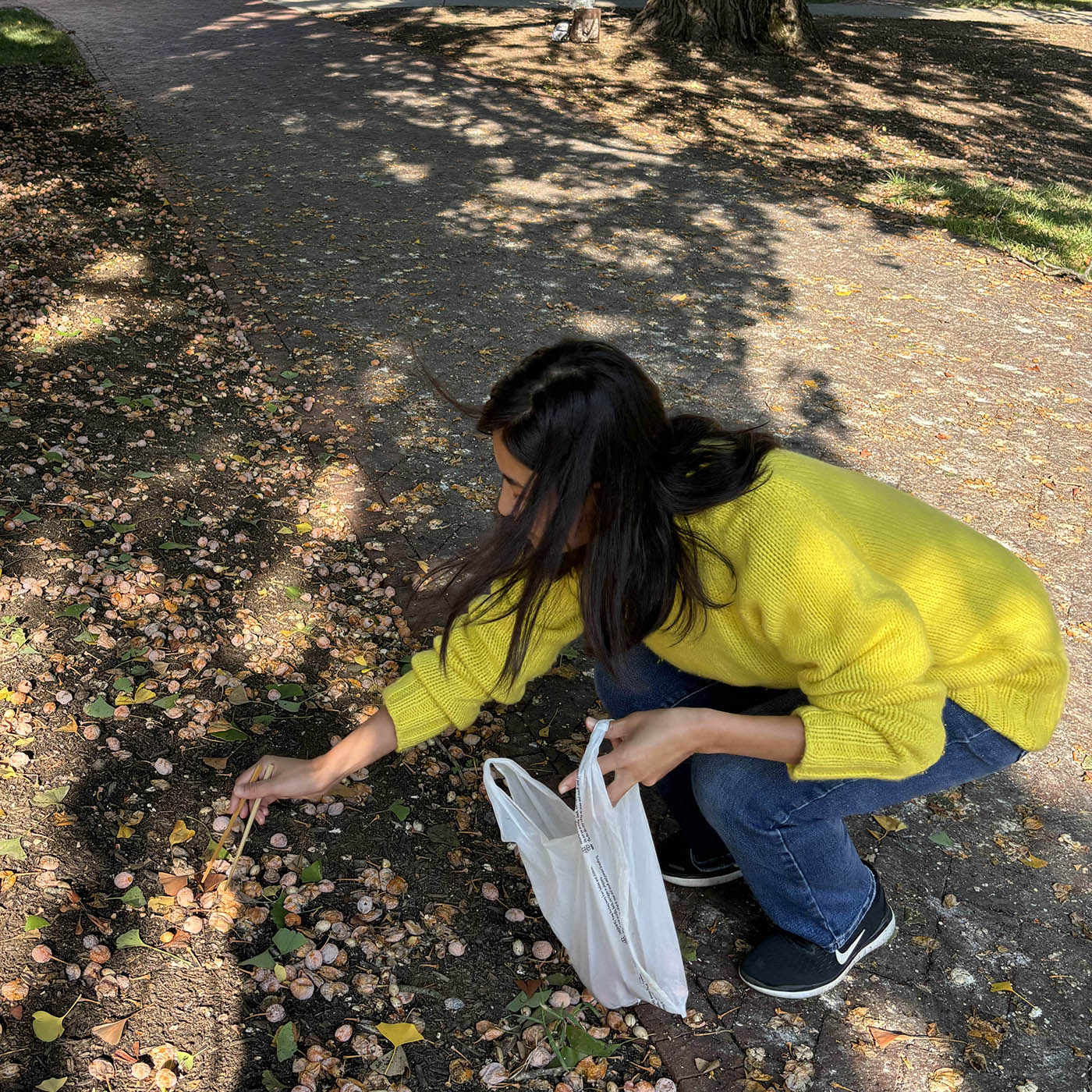
“Sniff it! If they’re smelly, I mean stinky, then it’s not persimmon…” This week on Earth Eats Eats Wild , we explore the fruits of fall…and the nuts and even beans! Forager Chef Alan Bergo fancies the Kentucky coffee been in its GREEN state, Liz Barnhart crafts a deep purple elderberry syrup, Keako Liff takes a (ahem) aromatic walk down memory lane with ginkgo nuts, and we talk persimmons with a…
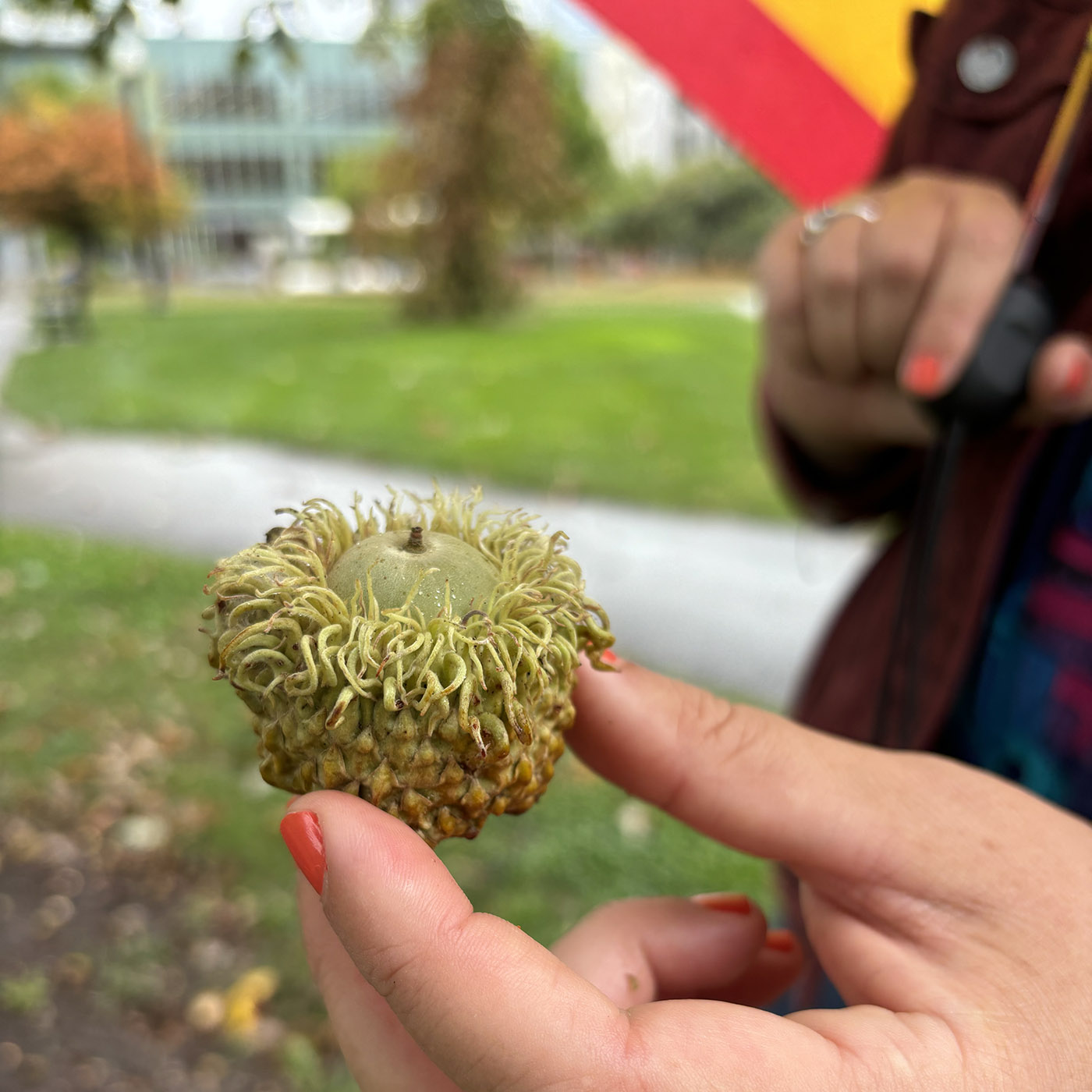
”Acorns are, I mean, they're everywhere. They are incredibly abundant and they've been a really important food source for humans in essentially every region of the planet that had oak trees–which is almost every temperate zone on the entire globe. "But we don't do much of acorn eating anymore as people and in communities in most places.” Graphic Novelist Mel Gilman made an instructional zine about…
“For me it feels like we live in an age where you look on the news and it just feels like everything is going wrong. And so gardening feels like a small way we can have an actual, tangible, positive impact on the world around us. In a world where it’s easy to feel like everything is just falling apart, it’s a small way to actually see progress.” This week on the show, it’s back to school part two.…
“And a man on his way to work hops twice to reach, at last, his fig which he smiles at and calls ‘baby.’ ‘c’mere baby,’ he says, and blows a kiss to the tree.” This week on the show, in honor of WFIU’s 75th anniversary, we revisit favorite stories from the Earth Eats archive. We share two pieces celebrating fig trees, including a poem by Ross Gay. We explore connections between food, fine art and…
“I remember in Covid, Sara, she went to the grocery on her way home, on a Friday, to get milk and some other things--basically when Covid was shuttin’ everything down–and there was chocolate almond milk. And that was it. I’m a pretty big fan of food independence and food sovereignty and having control over your food system and choice over the food that you want. And seeing it not available because…
“Speaking directly to Black women and wanting Black women to know that their bodies are not the problem. The way that our bodies are treated and problematized and pathologized, we’re often taught that it’s our fault, that it’s our problem to fix or we just need to love our bodies out of societal oppression.” This week on the show a conversation with dietitian and author Jessica Wilson about her…
“When you begin to zoom out, you realize that in fact palm oil is all around us, and the world, in a strange way, is made of palm oil; and we’re all, in a certain way, made of palm oil–in the sense that we use it to reproduce our bodies and to clean our skin and to live the lives that we live in a globalized world.” This week on the show, a conversation with Max Haiven, author of the book Palm…