
Panel discussion: Where does AI lead to? Opportunities and Risks
UNESCO AI WG discussed AI regulation news in Paris
UNESCO urges on AI and the future of education
Poland and Lithuania – AI opportunities: global and regional trends, experts and SMEs perspective
AI web browser assistants raise serious privacy concerns
Oxford University and partners build resistant safeguards into open-source AI models
AI Act: Commission issues draft guidance and reporting template on serious AI incidents, and seeks stakeholders’ feedback
Call for submissions for 2nd European AI Awards
Updates from EAIF member countries
Editor's Picks:
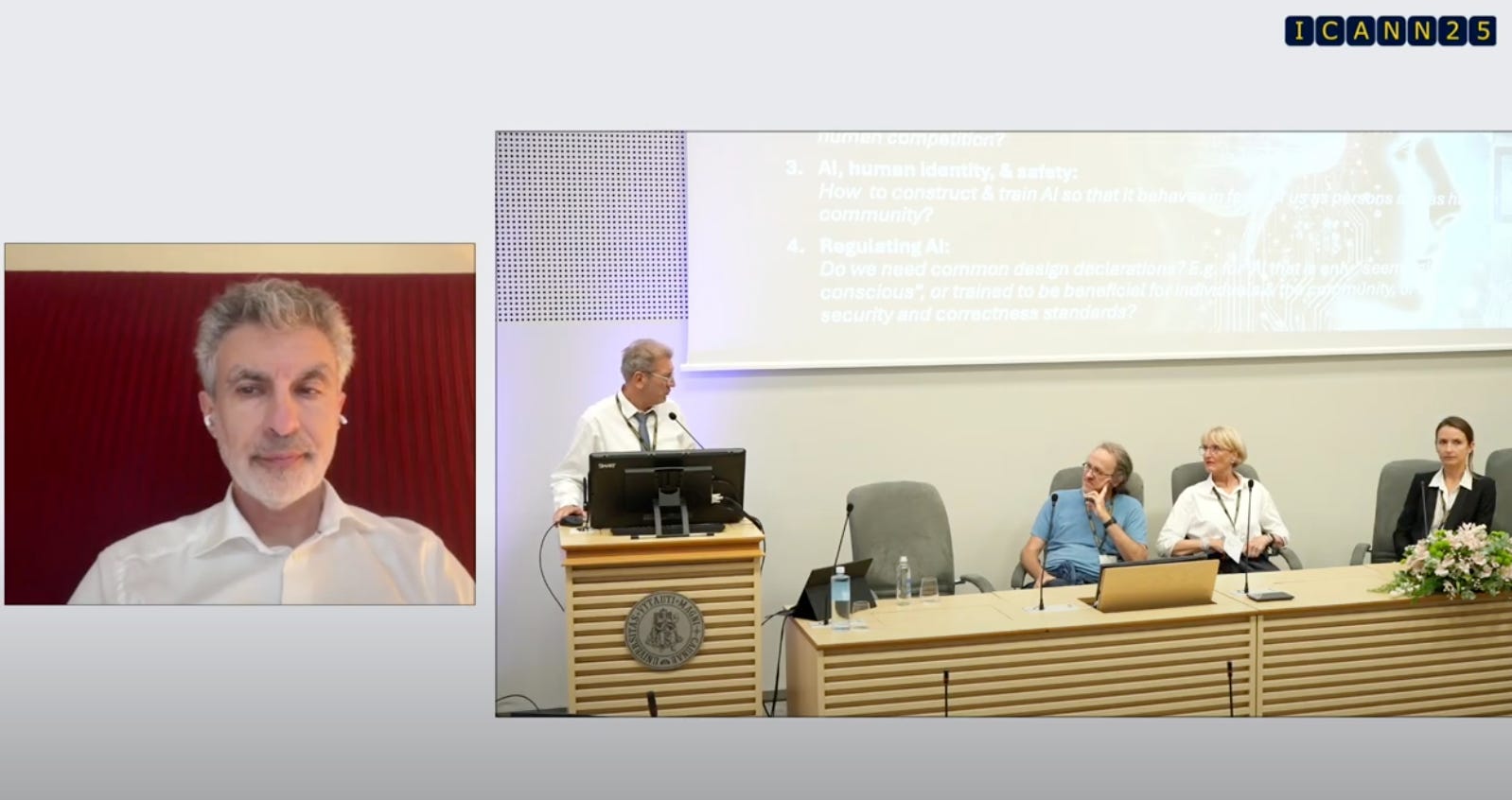
At the 34th International Conference on Artificial Neural Networks (ICANN 2025) in Kaunas, Lithuania, leading voices in AI, neuroscience, and ethics explored one of today’s most urgent questions: Where does AI lead to? Opportunities and Risks. The panel featured Yoshua Bengio, Bernhard Schölkopf, Christiane Woopen, Gintarė Dziugaitė, and Viktor Jirsa. Discussions spanned from the future of individual foundational brain models and digital twins, to ethical dilemmas in frontier AI, human identity, and the global risks of monopolistic AI control.
As Yoshua Bengio warned: “We should not build machines that could create catastrophic harm… Right now, we don’t know how to make sure these systems will behave well. There are both empirical observations of them behaving badly and theoretical reasons to be concerned.” Similarly, Bernhard Schölkopf emphasized the societal stakes: “AI is going to fundamentally change our lives… For the time being, negative consequences of AI will always be connected to humans using AI for negative purposes. But if the highest level of AI research is embedded in Europe’s public scrutiny and value systems, it will lead to different outcomes than other imaginable futures.” Together, the panel underlined that the future of AI hinges not only on technological progress, but also on ethics by design, international safeguards, and cultural values guiding its development.
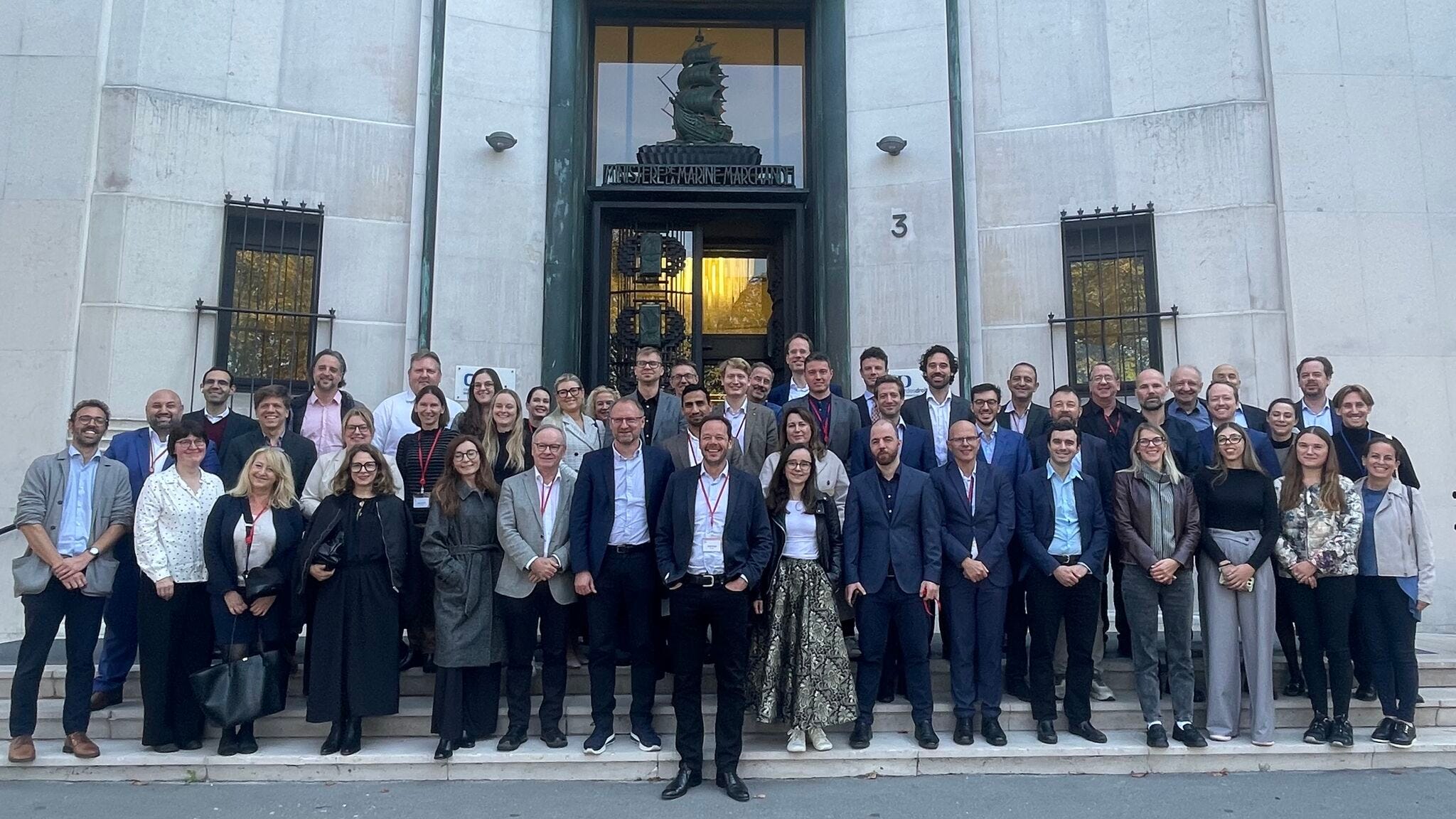
At UNESCO headquarters in Paris, experts gathered for several intensive days dedicated to the evolving challenges of AI regulation—from cybersecurity and high-risk AI to regulatory sandboxes and, most critically, the application of the AI Act to general-purpose AI systems. As chair of the workflow on GPAI, I saw firsthand how regulators are already grappling with complex cases that will only grow in scale and urgency. The discussions underscored a key truth: the success of Europe’s AI regulation will hinge not just on prohibitions, but on the details of implementation—how well Member States align practices, foster cooperation, and create space for innovation alongside accountability.
UNESCO’s new anthology, “AI and the Future of Education: Disruptions, Dilemmas and Directions”, brings together 21 global thinkers and changemakers to explore how artificial intelligence is reshaping learning and teaching—while exposing deep inequalities in access, language, and values. From dismantling outdated assessment systems to cultivating an ethics of care, the collection surfaces frictions and sparks bold visions for equitable human–machine co-creation. Building on UNESCO’s work on the ethics of AI and generative AI in education, it calls for a global commons of dialogue to reimagine curricula, pedagogy, governance, and policy with human rights, justice, and inclusion at the core.
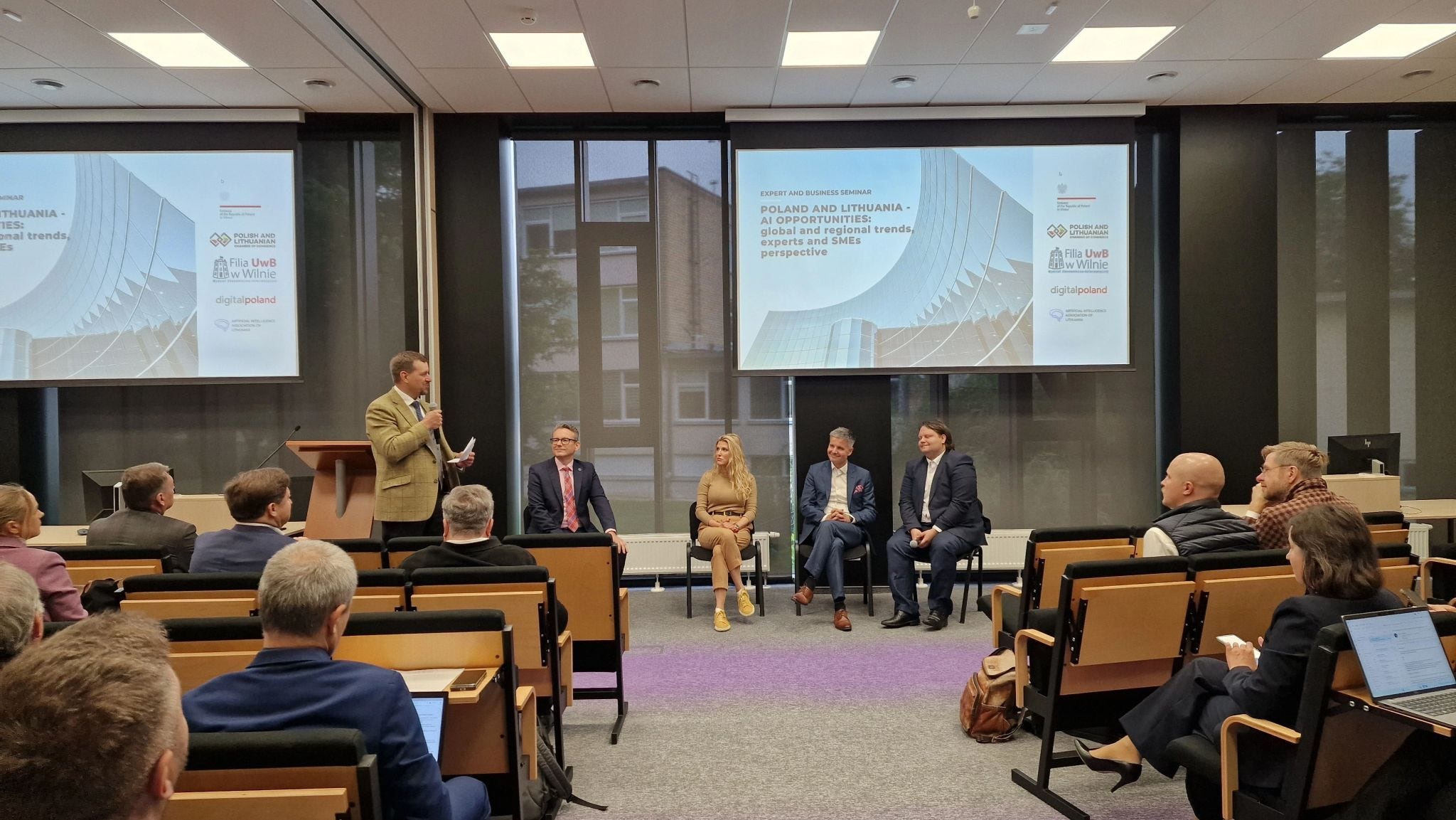
At a cross-border seminar in Vilnius—“Poland and Lithuania – AI opportunities: global and regional trends, experts and SMEs perspective”—the European AI Forum was proudly represented by EAIF Vice President Piotr Mieczkowski (Fundacja Digital Poland) and **EAIF Board Member Linas Petkevičius, PhD, whose keynotes anchored a day of expert discussions on AI perception, energy security, and practical collaboration for SMEs. Co-hosted on the 10th anniversary of the Polish–Lithuanian Chamber of Commerce, the event convened policymakers, innovators, and companies including Bielik AI, Voicelab.AI, Sages, SnapClick.ai, isLucid, GoAGI, and Women Go Tech, and capped off with vibrant networking that forged new partnerships across business, academia, and the public sector—another concrete step toward a stronger joint AI ecosystem in Central and Eastern Europe.

A new UK–Italy study has raised red flags over AI-powered browsers, warning that most of them harvest and share sensitive data—even during private browsing—potentially breaching GDPR and US privacy rules. Testing ten popular tools, including ChatGPT, Microsoft Copilot, Merlin AI and Sider, researchers found evidence of data collection ranging from medical records to banking details, often transmitted to external servers and analytics platforms. Only Perplexity AI showed no such behavior. The findings reveal how AI browsers may profile users by age, income, and interests, tailoring responses while compromising privacy—underscoring urgent concerns around transparency, accountability, and compliance in AI-enhanced browsing.

A new study by the University of Oxford, EleutherAI, and the UK AI Security Institute demonstrates that filtering dangerous knowledge from training data can make open-weight AI models far more resistant to malicious misuse. Instead of retrofitting safeguards, the researchers embedded safety at the source by removing high-risk biological content during pretraining, producing models that resisted attempts to re-train them on up to 25,000 biothreat papers—over ten times more effective than previous methods. Crucially, the filtered models performed just as well as unfiltered ones on normal tasks, showing that data filtration can preserve openness and innovation while enhancing security. As Associate Professor Yarin Gal put it: “Our study makes a significant stride in safeguarding open weight models—building systems that can be shared openly without raising risks of misuse.”
The European Commission has launched a public consultation on draft guidance and a reporting template for serious AI incidents under the forthcoming EU AI Act. As required by Article 73, providers of high-risk AI systems will need to report such incidents to national authorities once the Act becomes applicable in August 2026. The draft guidance, published on 26 September 2025, offers definitions, practical examples, and clarifies links with other reporting regimes, while also aligning with international initiatives like the OECD’s AI Incidents Monitor. Stakeholders are invited to provide feedback and share examples until 7 November 2025, helping shape how Europe ensures accountability, early risk detection, and public trust in AI technologies.
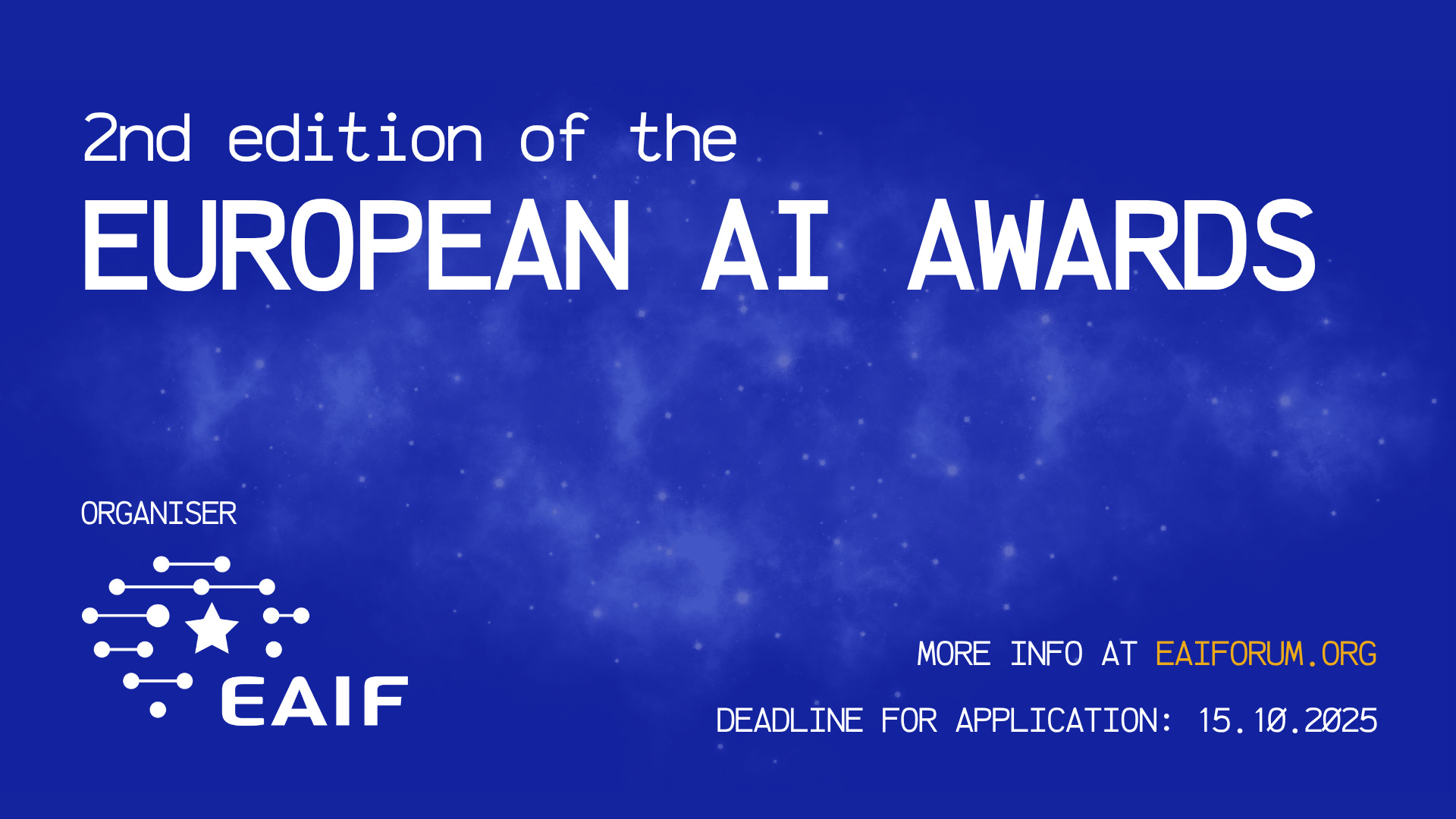
🚀 The European AI Forum is thrilled to announce the call for applications for the 2025 European AI Awards! Following the success of the inaugural awards, this year’s edition will once again spotlight the brightest innovators, investors, policymakers, and ecosystem builders shaping Europe’s AI future. Applications are open from June 1st to September 31st, 2025, with winners to be revealed at the 12th EAIF Conference in December. If your work is transforming the AI landscape across business, policy, investment, or research, now is the time to apply and be recognised!
🇦🇱Albania:
AI Minister: Albania to set digital AI minister to eliminate corruption https://www.bbc.com/news/articles/cm2znzgwj3xo
AI‑driven surveillance. Albania uses drones and satellite‑data AI to detect illegal cannabis cultivation and unauthorised construction, signalling innovative law‑enforcement applications winsomemarketing.com.
🇦🇹 Austria:
EU VP discusses AI factory AI:AT. During a 10 Sept visit to Vienna, European Commission executive VP Henna Virkkunen reviewed plans for AI:AT, an AI factory critical to Austria’s manufacturing competitiveness, and met with Austrian ministers to discuss technological sovereignty digital-strategy.ec.europa.eu.
Climate misinformation & AI event. IIASA’s “HOTHOUSE: Climatic Inequality & Climate Misinformation” workshop (26 Sept) in Vienna examined how AI and digital technologies amplify misinformation and polarisation, offering tools to counter climate disinformation iiasa.ac.at.
🇧🇬 Bulgaria:
AI‑funding bill proposed. The Yes, Bulgaria party drafted a bill on 23 Sept 2025 to provide vouchers for SMEs to buy AI solutions, fund employee training, create a national AI coordinator and ethics board, and align Bulgaria’s rules with the EU AI Act bta.bg.
Call for global AI rules at UN. At a UN Security Council debate (26 Sept), foreign minister Georg Georgiev urged world leaders to adopt ethical guidelines and global rules for AI. He warned of AI‑driven disinformation and pledged Bulgarian support for initiatives like the Blueprint for Responsible AI trend.az.
INSAIT featured in EU report. On 12 Sept the INSAIT institute announced that it was highlighted in the European Commission’s “From promise to progress” report; its PhD student Anna‑Maria Halacheva was recognised for 3D computer‑vision research, and the institute noted it had secured €90 million for Bulgaria’s planned AI factory insait.ai.
Culture minister champions human creativity. In a Sept 15 speech at the National School of Stage and Screen Arts, culture minister Marian Bachev said AI tools can help with assignments but cannot replace human inspiration and emphasised the need for professional standards bta.bg.
GATE institute demos crisis‑response AI. At a NATO emergency exercise on 9 Sept, Sofia’s GATE institute showcased AI models for predicting urban‑heat risks, detecting disinformation, running sensor networks for anomaly detection and automatically assessing damage after disasters gate-ai.eu.
Urban‑heat risk model highlighted. Within the GATE demo, researchers explained how combining remote‑sensing data and AI can map neighbourhoods most at risk from extreme heat gate-ai.eu.
Automated damage assessment. A Bulgarian firm, Sfera Technologies, presented an AI system that automatically assesses structural damage from images, enabling rapid response during emergencies gate-ai.eu.
🇨🇿 Czech Republic:
AI Knowledge Café engages librarians. On 5 Sept, the National Library of the Czech Republic hosted an “AI Knowledge Café” in Prague. The event, part of national AI‑strategy consultations, attracted 650 registrants and explored how AI reshapes research, search and information preservation ifla.org.
🇭🇷 Croatia:
HEIC 2025 conference on AI in higher education. The Zagreb School of Economics and Management hosted the Higher Education Institutions Conference (HEIC) on 4–5 Sept 2025 in Dubrovnik, focusing on AI and digital transformation in universities. Sessions covered ethical aspects of generative AI, legal frameworks, digital skills and experiences from Croatian universities zsem.hr.
Robot “Carpathia” revolutionises boat maintenance. On 28 Sept, Total Croatia reported that Karlo Džafić’s robot Carpathia polishes boat hulls autonomously. Developed by the startup Hartera Robotics in Rijeka, the robot demonstrates Croatia’s combination of robotics and maritime innovation total-croatia-news.com.
AI and Law summer school in Split. From 7–13 Sept, a summer school on “Artificial Intelligence and Law” in Split brought together students and experts to examine AI’s impact on human rights, data protection, autonomous weapons, digital elections and business law europainstitut.de.
🇫🇷 France:
Mistral AI raises €1.7 billion. On 10 Sept 2025, French startup Mistral AI closed a €1.7 billion (≈US$2 billion) Series C round led by ASML and other investors. The deal doubled the company’s valuation to US$13.7 billion and made Mistral one of Europe’s most valuable AI startups theaiworld.org.
🇩🇪 Germany:
SAP and OpenAI launch “OpenAI for Germany.” On 24 Sept, SAP announced a partnership with OpenAI and Microsoft’s Delos Cloud to bring ChatGPT‑style services to Germany’s public sector via a sovereign cloud. The project includes 4,000 GPUs and aims to meet German data‑sovereignty requirements news.sap.com.
World’s 4th‑fastest AI supercomputer inaugurated. On 5 Sept, the Jülich Supercomputing Centre unveiled JUPITER, Europe’s most powerful supercomputer using 24 000 Nvidia GH200 chips. The system will enable climate simulations, brain research and training open‑source LLMs eviden.com.
Back‑to‑school campaign tackles deepfakes. Germany’s “Back to School 2025” campaign, run by the awareness centre klicksafe, provided teaching materials on AI and deepfakes. A digital lesson titled “Deep Fake. Deep Impact.” launched on 1 Oct, and more than 30 000 pupils registered by mid‑September better-internet-for-kids.europa.eu.
🇬🇪 Georgia:
AI startup ecosystem gains traction. A September directory highlighted 22 Georgian AI startups—including STORI AI (brand‑automation), Optio.AI (data‑driven marketing), ConsalAi (workflow automation), Helio AI (recruiting platform) and Virtual Story Studio (gamified ed‑tech)—showcasing Tbilisi’s growing AI scene f6s.com.
🇱🇹 Lithuania:
Discussion event on National direction and preparaness of AI regulations took place in AI meetup. https://www.linkedin.com/feed/update/urn:li:activity:7377008558271275008
🇳🇱 Netherlands:
Job cuts at Just Eat Takeaway due to AI. DutchNews reported on 26 Sept that Just Eat Takeaway is eliminating 450 jobs (175 in the Netherlands) as AI chatbots handle more customer‑service tasks; some staff will receive retraining dutchnews.nl.
AI Coalition critiques party manifestos. On 25 Sept, the AI‑Coalition‑for‑the‑Netherlands analysed political manifestos and found parties lacked a coordinated AI vision; without investment, the Netherlands risks reliance on US and Chinese technologies aic4nl.nl.
AI & Big Data Expo draws thousands. Amsterdam hosted the AI & Big Data Expo (24–25 Sept), attracting 8 000+ attendees and 200 exhibitors. Sessions covered scaling AI, automating the AI lifecycle, building trustworthy LLMs and responsible AI timesofai.com.
Day of Digitalisation in The Hague. On 24 Sept, Holland High Tech’s Day of Digitalisation highlighted sessions on AI applications, digital autonomy, cybersecurity and the role of “Digital Delta reservists” hollandhightech.nl.
🇵🇱Poland:
AI Summit at PJAIT. The Polish‑Japanese Academy of Information Technology held its second AI summit on 23 Sept with 40 speakers from over 30 companies. Talks covered art and AI, responsible AI, conversational agents and AI & security in warfare pja.edu.pl.
Demand AI opens Warsaw hub. On 3 Sept, B2B demand‑generation platform Demand AI announced its first continental‑Europe office in Warsaw, making Poland the hub for Central and Eastern Europe operations prnewswire.com.
AIstats raises $1.1 million. Polish startup AIstats secured $1.1 million pre‑seed funding to build an AI foundation model for football analysis; the platform will deliver real‑time insights to fans and professionals retailtechinnovationhub.com.
🇷🇸Serbia:
AI‑SMART 2025 conference. Belgrade hosted the international AI‑SMART conference on 25–26 Sept 2025, gathering experts from 22 countries to explore AI applications in governance, social sciences, health, smart cities and sustainable development ai-smart-conference.com.
🇸🇪 Sweden:
AI Sweden expands partner network. On 25 Sept, AI Sweden announced seven new partners—Umeå Energi, Tjörn Municipality, SOS Alarm, the Swedish Agency for Accessible Media, DIK, Deloitte and Avfall Sverige—strengthening collaboration between public and private sectors ai.se.
AI‑driven music licence launched. On 9 Sept, rights group STIM introduced a licence allowing AI companies to train models on copyrighted songs while paying royalties. The licence requires technology to track AI‑generated content, and startup Songfox became the first licensee reuters.com.
Swedish startup Cetasol raises €2.3 million. On 24 Sept, maritime‑tech firm Cetasol secured funding co‑led by BackingMinds and Shift4Good to scale its iHelm AI system, which reduces fuel consumption in small and mid‑sized vessels smartmaritimenetwork.com.
AI and edge learning for space. Vinnova announced that ESA Phi‑Lab Sweden will develop AI and edge‑learning technologies for satellites, reducing data transfer and enabling autonomous space systems vinnova.se.
Vision for autonomous robots. The Phi‑Lab initiative envisions autonomous robots operating in the asteroid belt, highlighting Sweden’s long‑term space‑AI ambitions vinnova.se.
New government AI investments. AI Sweden welcomed the Swedish government’s 2026 budget that includes funding for AI and an “AI‑Verkstad” to develop AI solutions for the public sector ai.se.
Have news to share: newsletter@eaiforum.org
Editor: Linas Petkevičius, PhD
Contact: info@eaiforum.org
Website: eaiforum.org
LinkedIn: linkedin.com/company/eaiforum
Comments
Nothing yet. Say the first thing.
Sign in to join the conversation.