
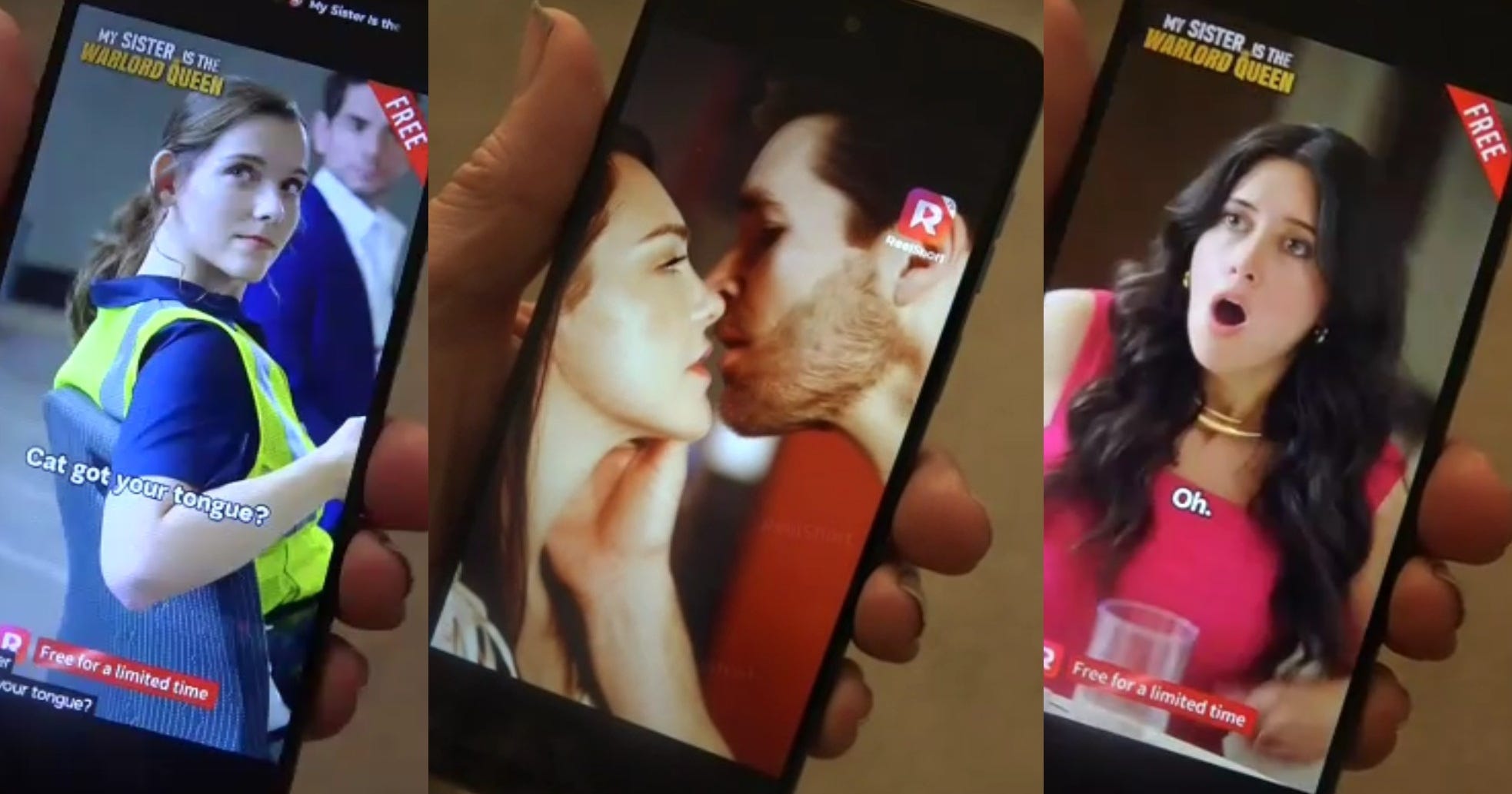
Not long ago, visual storytelling lived in long form. Feature films. Half-hour shows. Twenty minute short documentaries. Creators had to ask for time and audiences had to give it. That world still exists, but it’s no longer where attention lives. Today, attention lives in pockets, pauses, and scrolls. It lives on phones. And that shift hasn’t killed storytelling, it’s concentrated it.
We are now in the age of the vertical micro-episode. Short form dramas and documentaries, sometimes thirty to forty seconds long, built around cliffhangers, character, and momentum and designed for vertical vision: the 9:15 vertical vision of your phone. Modern soap operas designed for the spaces where people already are, waiting in line, between meetings, late at night when they say “just one more video.” Entire serialized stories are unfolding in five or six free episodes, then continuing behind a paywall. Some viewers are spending upwards of $80 a month just to stay inside these worlds. Fad or not, the behavior is real. People will stop scrolling for story.
For businesses, this opens an extraordinary opportunity.
Instead of interrupting people with ads, brands can become the story. Imagine a documentary about your company’s history told in 30 second installments. A comedy set inside your restaurant that quietly turns viewers into customers. A short drama where the solution to a problem is a product people can actually order. This isn’t speculation. It’s the return of mid-century sponsored storytelling, updated for phones, feeds, and fragmented attention spans.
My own approach to this was forged under pressure. Just before Christmas, as my channel was nearing monetization, life intervened in a very human way. I lost a tooth. Cameras were rolling. Momentum mattered. Instead of stopping, I adapted. I used AI to create a digital avatar to narrate and carry the episode forward. The video went up. The channel stayed alive. That moment crystallized something important for me. Modern tools don’t replace creativity; they protect it when reality shows up uninvited.
That same philosophy drives my work in microdramas and documentaries. Short form storytelling is not a downgrade. It’s a proving ground. Micro-episodes allow businesses to test tone, story, and audience appetite in real time. They create feedback loops instead of expensive guesses. Today’s microepisode is tomorrow’s full campaign, streaming series, or theatrical spectacle.
My current projects, like An American Backslider in the Philippines, From Jeepneys to Jackpots, and Lapu One: From Lapu to the Stars are being designed with this mindset, stories that can live as concentrated narrative bursts first, then expand once the audience tells us they want more. Brands deserve the same approach. Nimble. Narrative. Built for where people actually live.
Here are two examples of vertical brand marketing:
If you’re a business owner who understands that attention is earned, not demanded, then microdramas may be your next frontier. Let’s talk about how we can turn your brand, your history, or your product into a story people actively choose to watch, right there on their phones, and then carry with them into the real world.
Contact me. Let’s build something people don’t skip.
Contact@ walkertownmediawerx@gmail.com or call (702) 521-0576.
No posts
Comments
Nothing yet. Say the first thing.
Sign in to join the conversation.