
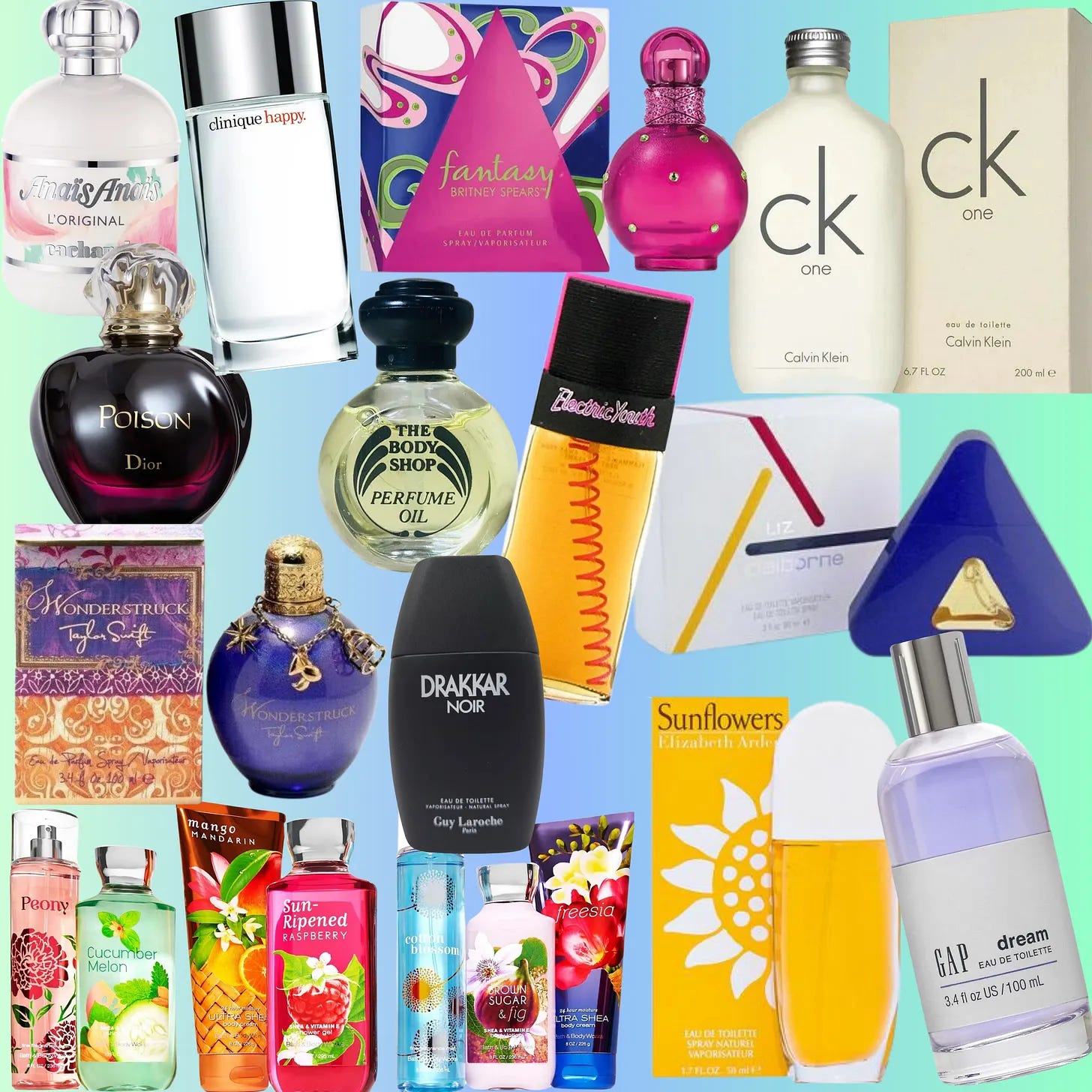
One of the first posts I published on Dry Down Diaries was about mall scents. As a Gen X Jersey girl, it's inevitable that I have a deep nostalgia for going to the mall. I interviewed about 60 people for that post, and it was such a fun trip down memory lane. In high school I wore The Body Shop oils, Liz Claiborne, Poison, and then mostly Egyptian Musk in my later high school years and college. I was never a GAP perfume girl, but so many people I know were, and so many of them credit those fragrances, especially Grass, Dream, and Heaven, with getting them into perfume in the first place.
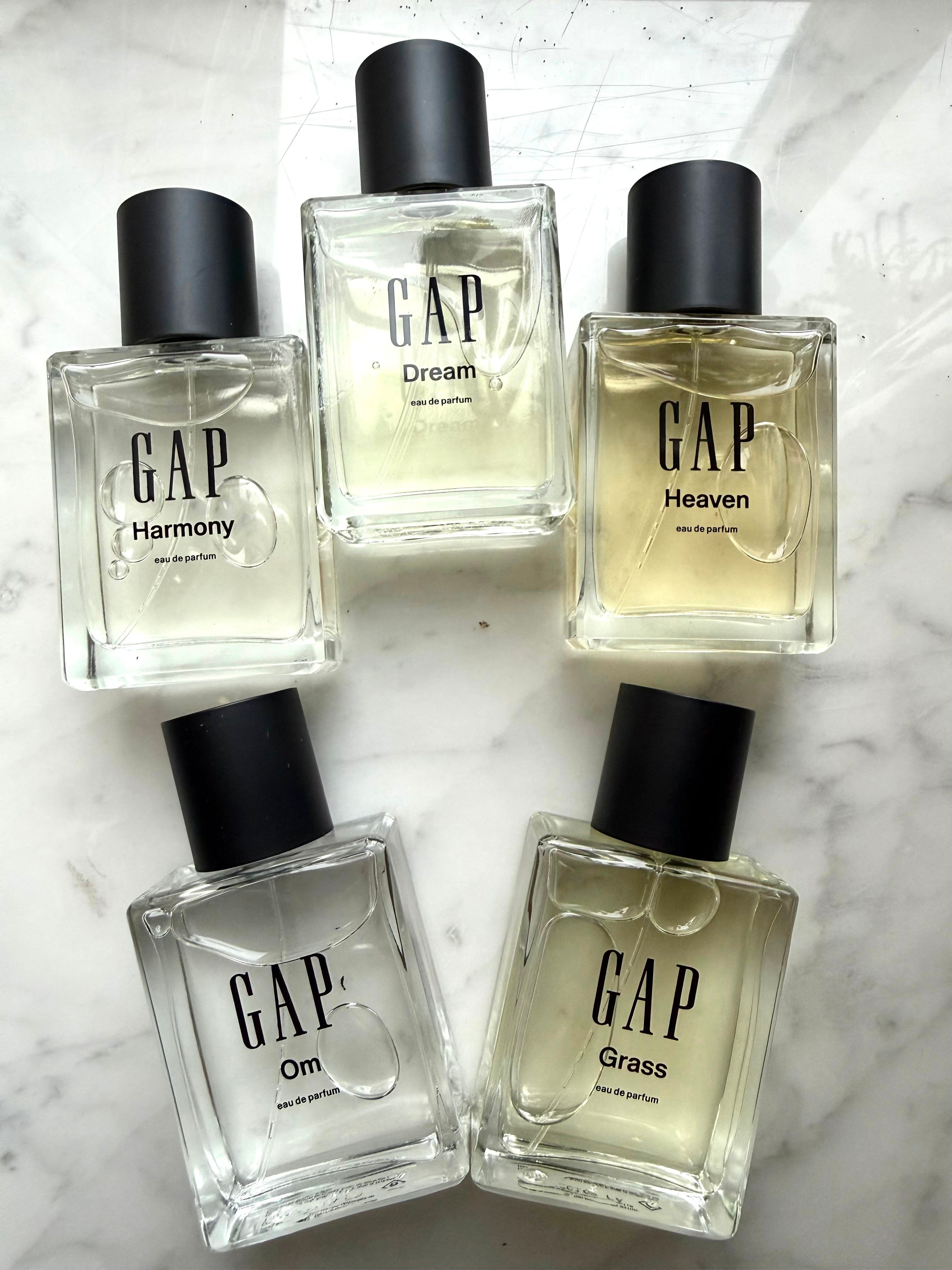
So when I got an email in May that the GAP scents were being rereleased with new formulations, I of course jumped at the chance to smell them and talk to the perfumers involved. Living on the West Coast means I often have to miss the in-person events and launch parties I get invited to, but most of the time I really just need to smell the juice and talk to the perfumers behind them.
I’ve read a lot of mixed reviews since the release, but there was still a real excitement around this launch. It makes sense. The world is on fire, and it feels good to remember a time when it wasn't. I think it makes sense that the fragrances were reformulated for today’s tastes and trends. Of course, I’m not a loyalist to the originals.
Of the five, Grass was the one I could see myself reaching for the most. It has a depth I found surprising. It’s a humid, rich scent with a distinct tea note that brings a brightness to it. It’s a far cry from the much more literal Grass released in the ‘90s. I guess I’m not alone, as it’s the only one currently sold out on their site. The other scent I’d wear is Om. It’s a sheer thing, what some would call a skin scent, light and airy with soft woods. It doesn’t feel quite as original to me as Grass, but it’s a nice, light, easy wear.
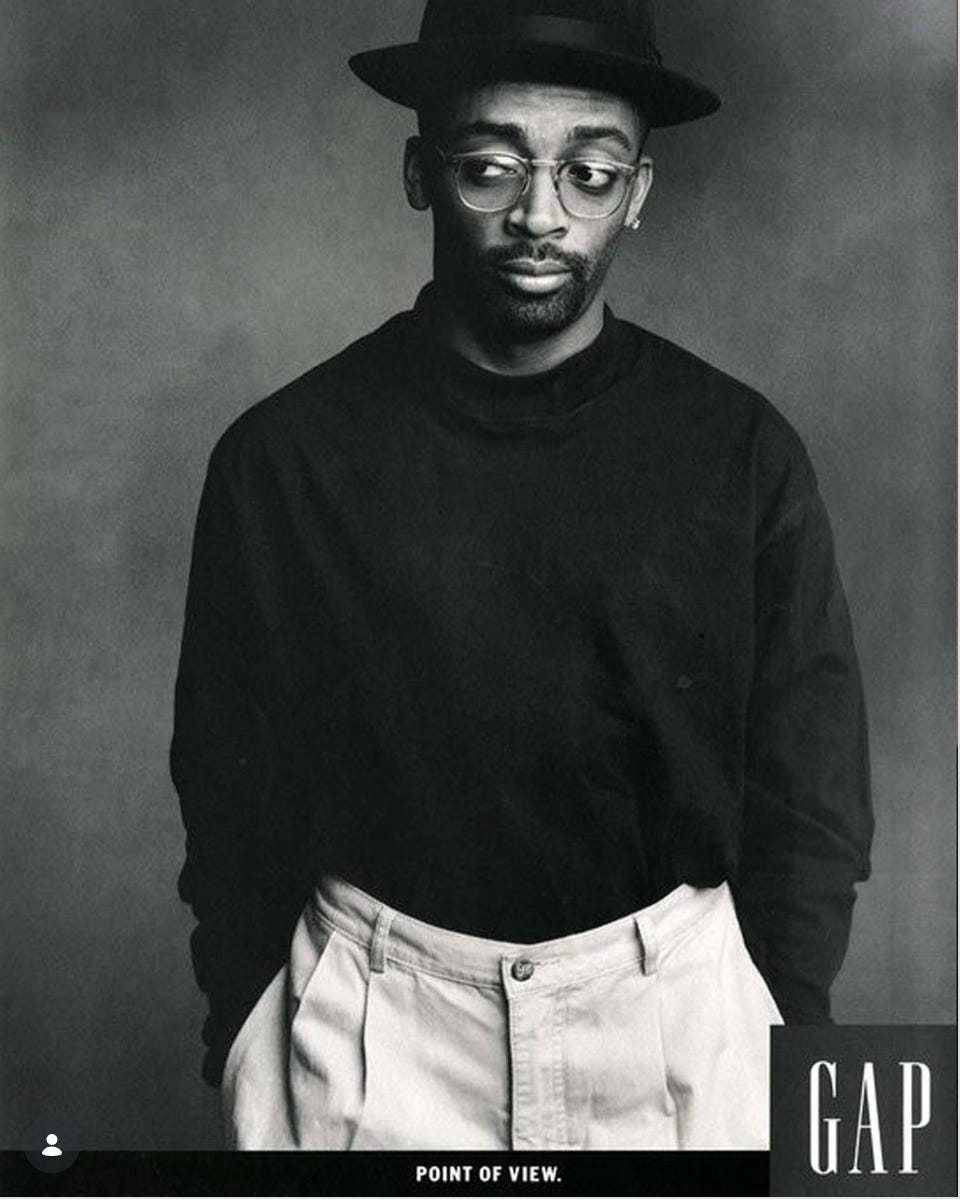
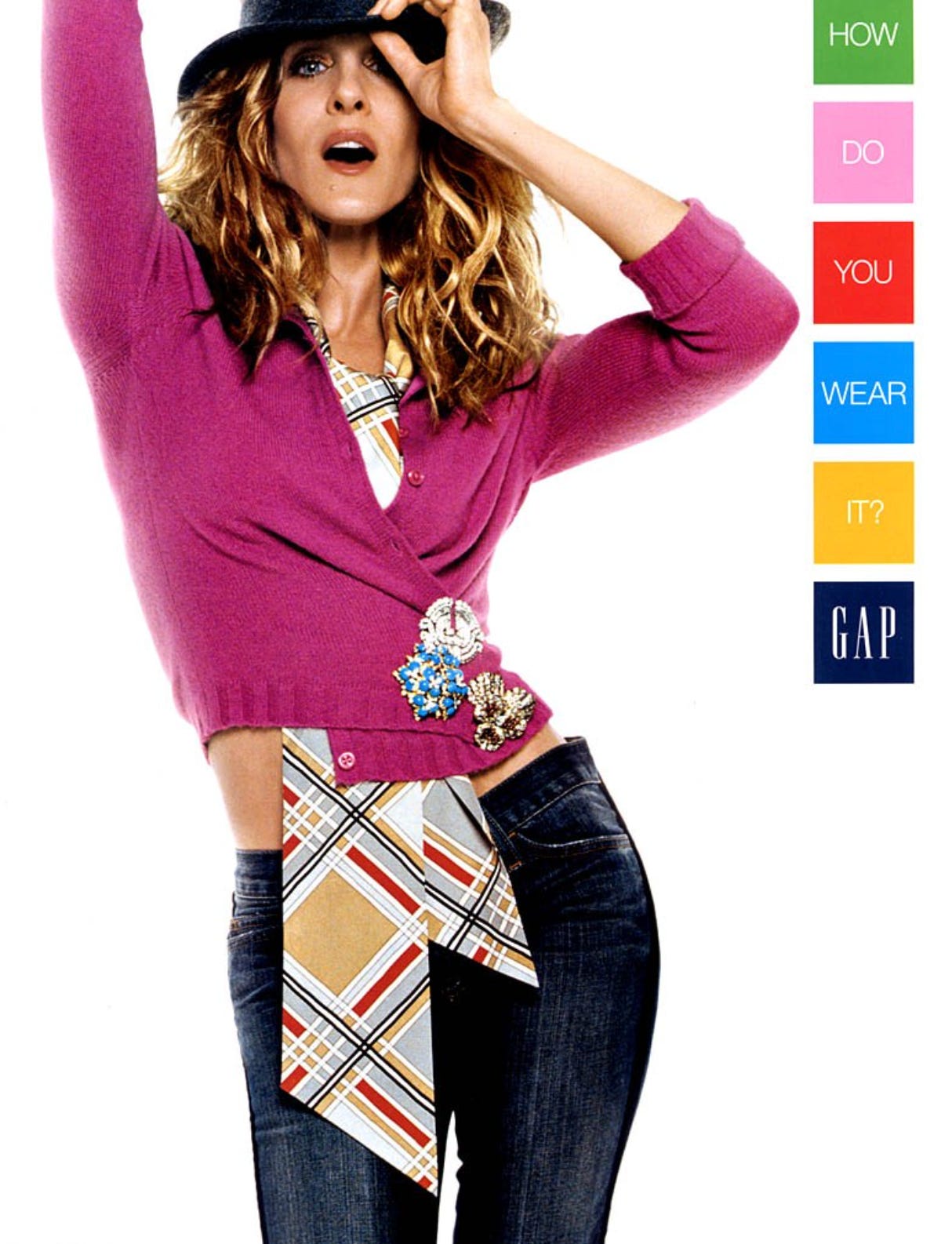
The marketer in me remains impressed by how GAP has endured since my childhood (and well before it). There have certainly been stronger decades than others, but both the clothes and the advertising have often felt steady and reliable. I’m enjoying watching the company’s latest evolution under Zach Posen’s creative direction. And I’ll never tire of a dancing GAP ad. And just look at some of these iconic ads through the years.
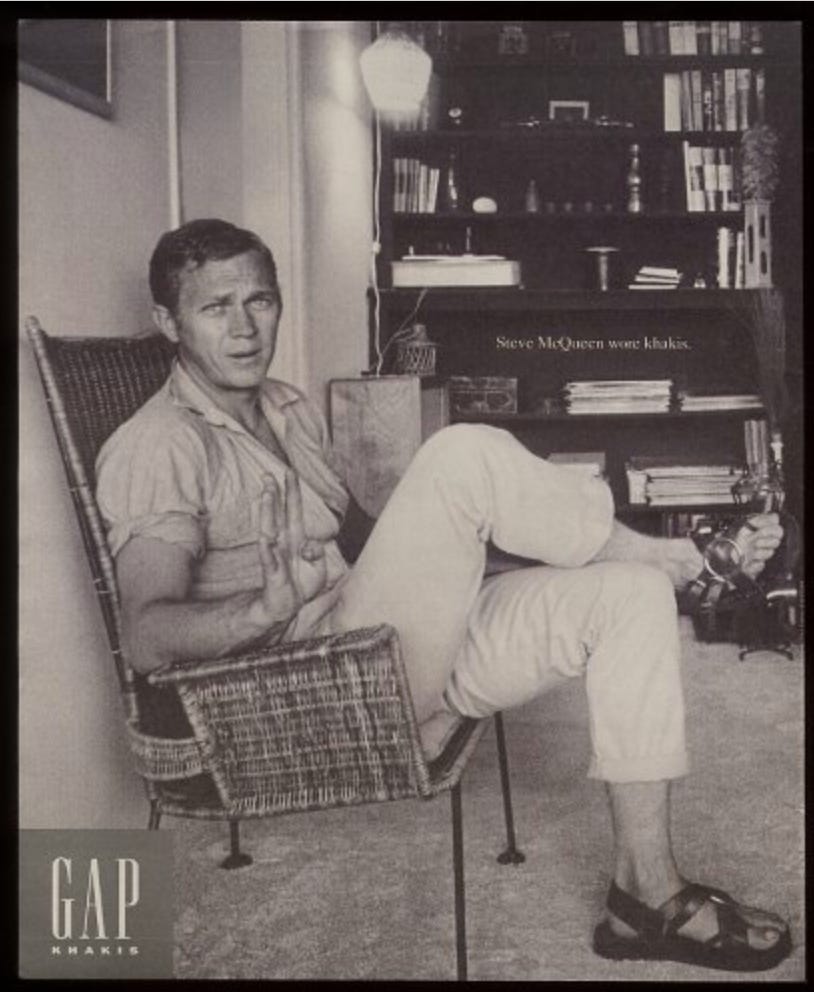
You can purchase the bus shelter poster of this Steve McQueen ad for $450 on ebay.
On to what you probably came here for, the fragrances. The perfumers behind these new versions are Honorine Blanc and Nicole Mancini. Honorine Blanc, a Master Perfumer at Firmenich, was recently awarded the Lifetime Achievement Award at this year's Fragrance Foundation Awards. She created the original Om for the GAP collection and returned to reformulate Dream and Om, while also creating Harmony. Nicole Mancini, a Principal Perfumer at Firmenich, was responsible for Heaven and Grass.
You have a unique history with this collection. Can you talk about your connection to Om, Dream, and now Harmony?
Honorine: Om is the one I can really take you back to, because I was involved in developing the original in the ‘90s. Revisiting it decades later felt personal, like closing a circle.
Dream I experienced differently. I’d just moved to the US from Paris in 1993, and a year later everyone was talking about Gap fragrance, especially Dream. It was everywhere, and it represented something about America - optimism, freshness, a kind of ease. Harmony is a different story altogether. It didn’t exist in the ‘90s at all, and it’s the one true newcomer in the collection, so with that one I wasn’t looking back, I was creating forward.
The Gap fragrances have become deeply nostalgic for so many people and have an almost cult following. Why do you think they resonated so strongly, and why have they endured?
Honorine: I think it’s because they captured something so simple: freshness, cleanliness, comfort. They came at a time when there weren’t nearly as many fragrances on the market to choose from. Dream in particular represented the U.S. itself: a white t-shirt, jeans, that feeling of ease. Since the ‘90s we’ve lived through so much change with different wars, technology, AI, and a much smarter and more demanding consumer. I think that’s exactly why people are reaching back for the ‘90s now. It’s a comfort zone, a safety zone. Nostalgia becomes even more powerful when the present feels complicated.
What was the process like revisiting these fragrances decades later? As you reformulated them, how did you balance staying true to the originals while creating something that feels relevant today?
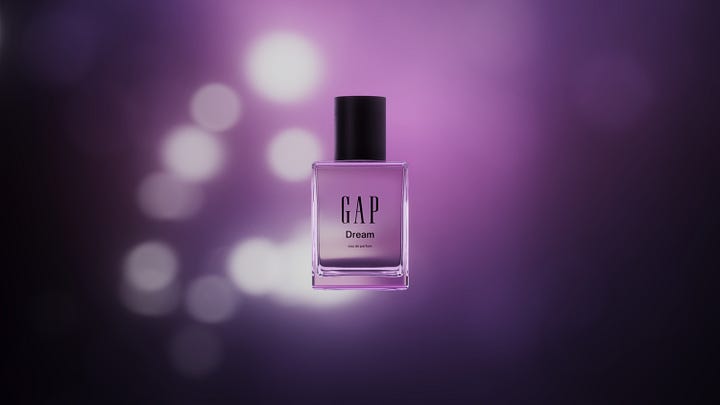
Honorine: Every fragrance needed a different approach. Some I kept very close to the original, some I pushed further, and Harmony didn’t have an original to hold onto at all. For Dream, I thought of it like a painting: I kept the structure, the skeleton, the ‘cloud,’ but filled it with new elements - orange flower, neroli, more vibrant wood in the base - ingredients the consumer didn’t know or wasn’t ready for in the ‘90s. It’s more long-lasting, bigger sillage, more natural, but the softness and cleanliness are still there.
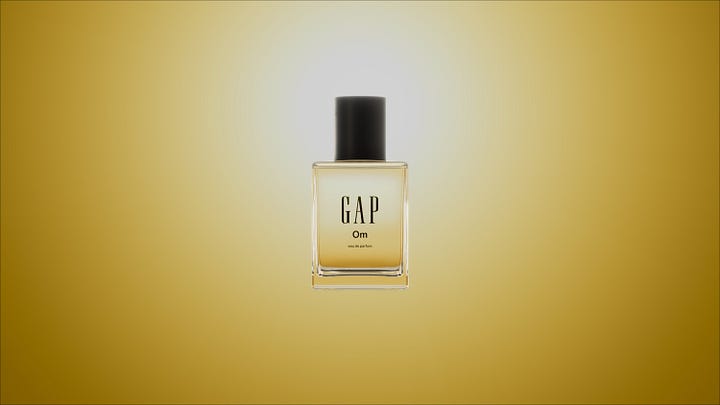
Om I stayed much closer to, because it was full of incense, sandalwood, resin (notes today’s consumer already loves), so I mostly elevated the quality and the extraction rather than changing the signature. Honestly, with Dream I actually went too far in a different direction at first. We smelled it and said, “Wait, where’s Gap Dream? We lost the nostalgia.” So I pulled back. That’s the balance. You’re not choosing between authenticity and modernity; you’re using today’s technology in service of the original feeling.
How much did you think about the people who have loved these fragrances for years? Did you feel a responsibility to preserve the memories attached to them?
Honorine: I did think about it, especially because I know people have real attachments like a favorite Spice Girl, almost. You’re a ‘Dream girl’ or a ‘Grass girl,’ and that’s tied to memory and identity. But I don’t think the answer is to freeze the fragrance in time out of respect for that memory. If you stay too attached to the past, you don’t see the future, and that becomes boring. What I wanted was for people to recognize it immediately and like it even more because we kept the DNA, the spirit, and simply gave it more quality and depth. It’s respect for the memory, expressed through making the thing better, not through leaving it untouched.
What do you hope people feel when they wear these fragrances today, whether they’re rediscovering an old favorite or smelling them for the very first time?
Honorine: I want people to feel it, not just smell it. Every fragrance in this collection carries its own emotion, and you live it as much as you wear it. For someone rediscovering Dream, I hope it feels like that same cloud of happiness, that comfort of a white t-shirt and jeans, just deeper and more vivid than they remember. For someone new to it, I hope they feel that same ease without needing the nostalgia to access it. And for the whole collection, I love that today there’s less taboo and more freedom - today you’re Grass, tomorrow you’re Om. There’s no single fixed identity anymore, and I think that’s exactly right for how people actually live.
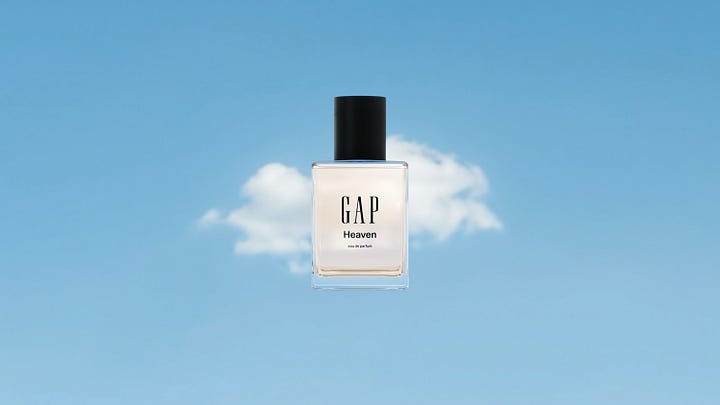
What was the process like reimagining the cult classics Heaven and Grass? Did you feel a responsibility to the people who have loved them for years? How did you approach honoring what made those scents so special while also making them feel fresh for a new generation?
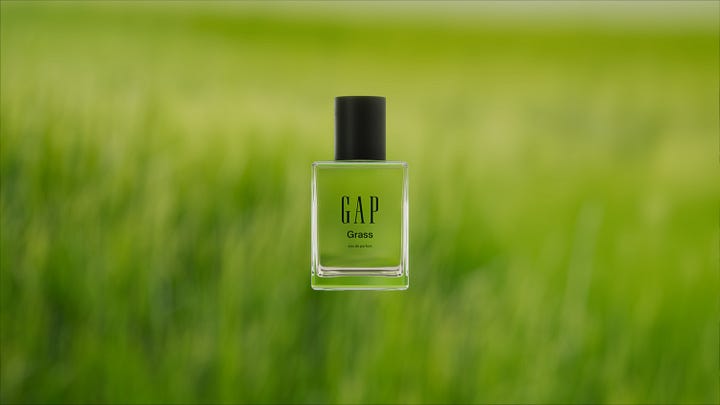
Nicole: With Grass especially, I felt that responsibility, but I also knew the original was very singular; really just the smell of fresh-cut grass, a linear fragrance that didn’t evolve. When we tested a modernized version blind against the original with an external group, the new one wasn’t just preferred. It wasn’t close. That told us honoring the memory didn’t mean preserving the formula exactly, it meant preserving the feeling. So instead of leading with the literal smell of grass, I built a 360-degree idea of greenness: green mandarin, linden blossom, violet leaf, matcha for that grounding ritual, cypress and Virginia cedar to make it feel American, and Polywood, a molecule we simply didn’t have in the ‘90s. There’s still a touch of that original grass molecule in there - it’s just surrounded by so much more now.
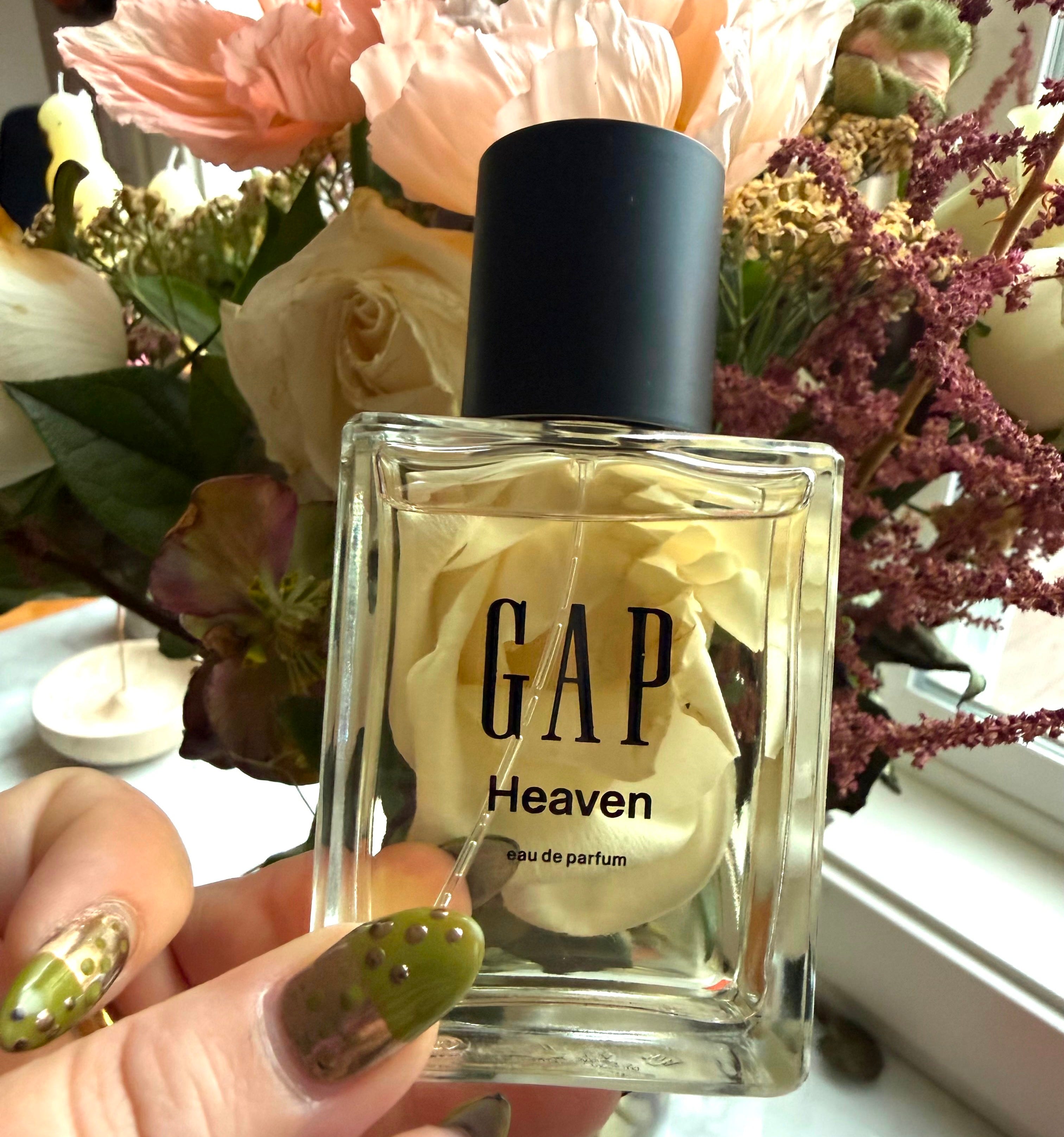
Heaven was a different kind of honoring. Olfactively, the original read as very dated to me. The aldehydes especially don’t work with how people want to smell today. So I replaced those with cardamom and juniper for that same twinkling, effervescent lift, and built out the ‘wrapped in something bigger’ feeling with solar vanilla, honeysuckle, and a celestial musk built on Amber Xtreme. The feeling of awe and wonder stayed exactly the same, I just built it out of different materials.
We also moved the whole collection up to a 20% EDP concentration, which meant richness and longevity came with the reformulation almost automatically - that’s not something you could say about a lot of ‘90s fragrance.
Of the five fragrances in the collection, which one do you reach for most often, and what draws you back to that scent?
Nicole: Grass, honestly. The original was so literal - just the smell of grass. Reimagining it became the blueprint for how I approached the whole collection. It was never really about grass, it was about that feeling of stepping outside and resetting in the middle of a busy day. Today that reset looks different. It’s less about literally going outside and more about a small ritual, like making a matcha. I went hiking with my perfumer group a few years ago, did a forest-bathing walk on a rainy fall day, and that’s where the mood board really started for me. That’s the one I keep coming back to.
What do you hope people feel when they wear these fragrances today, whether they’re rediscovering an old favorite or smelling them for the very first time?
Nicole: I always tell people: we’re not replicating, we’re not reviving, we’re recreating a feeling and an emotion. So my hope is that people don’t spend their time comparing it to the ‘90s version in their head. Comparison is the thief of joy. I want Grass to feel fresh, grounding, and uplifting on its own terms, whether or not you ever smelled the original. For someone discovering it for the first time, I want it to just feel like a good idea, on its own. For someone rediscovering it, I hope there’s a flicker of recognition, and then something new to love on top of that.
You can still find some of the originals available for sale on Etsy and ebay.
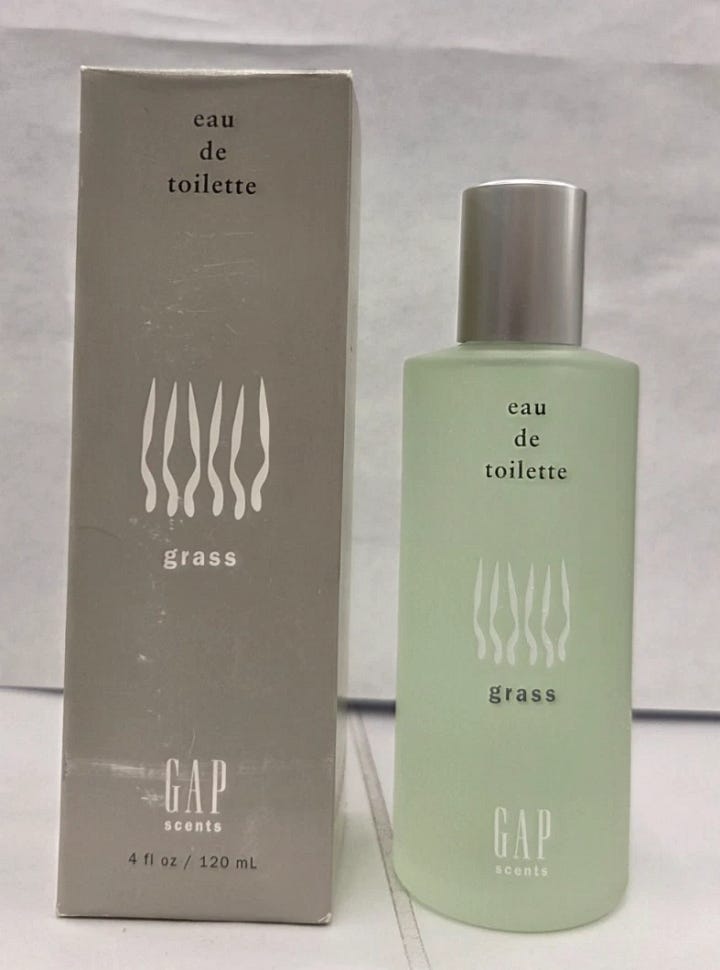
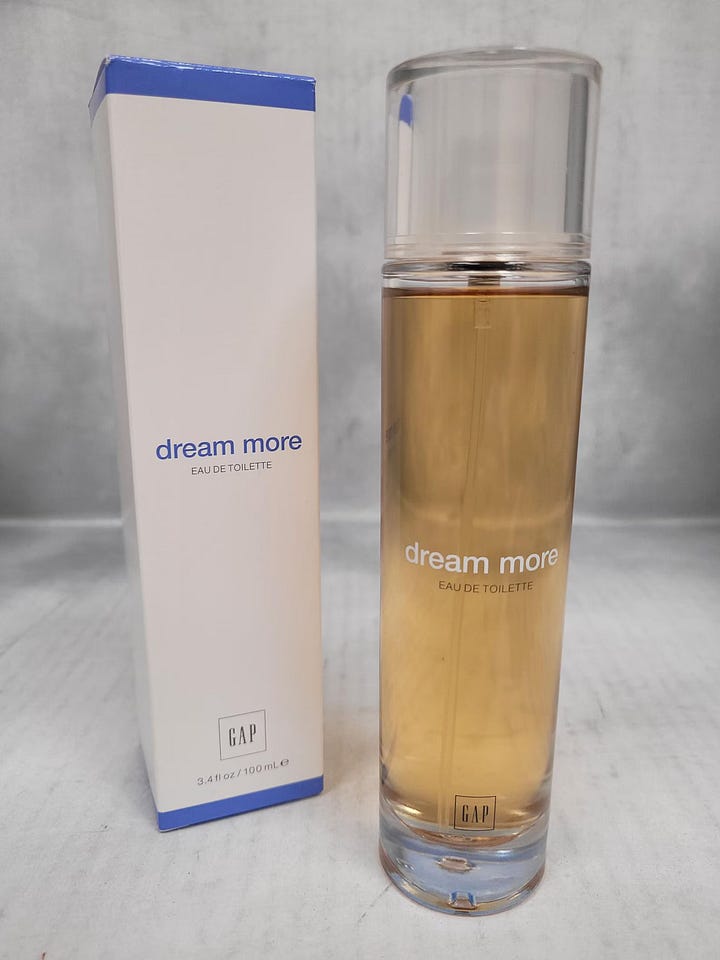
This bottle of grass is selling for $250 on ebay and the bottle of dream more is going for $156.
And if you just want to soak in the nostalgia of shopping at GAP, this Spotify user has compiled many of the store playlists.
Comments
Nothing yet. Say the first thing.
Sign in to join the conversation.