
Hey MoodFoodie,
It’s been very hot in the northeast and I’m making sure to carry my water bottle everywhere! I’ve been in Manhattan for work, and the city is literally overheated in more ways than one – with the excitement about the Knicks and the upcoming FIFA World Cup soccer is electrifying. Boston has been through every single of their sports teams winning major tournaments and trophies – and I fondly recall the parades even during snowy winters! While I’m planning for this to be a fun summer I'm also thinking through the most relevant clinical symptoms I am hearing. During COVID it was anxiety that I was seeing, feeling and then treating - which led to my writing “Calm Your Mind with Food.”
Then over the past several years, the term “brain fog” has entered everyday conversation in a way we had not seen before. While people have long described feeling mentally foggy, forgetful, or unlike themselves—in conditions ranging from menopause and autoimmune disease to chronic stress and mood disorders—the COVID-19 pandemic brought these experiences into sharper focus. As millions of individuals with Long COVID reported persistent difficulties with memory, concentration, and mental clarity, brain fog emerged as a widely recognized symptom and an area of intense scientific investigation. Today, researchers are working to better understand what brain fog represents biologically—and recent brain imaging studies are beginning to offer important clues.
Well, Is Brain Fog Just Inflammation?
For years, scientists suspected that brain fog—particularly after COVID infection(s)—was primarily caused by ongoing brain inflammation.
However, a new 2026 brain imaging study from the University of Turku found something surprising. Researchers found no evidence of widespread brain inflammation in people experiencing persistent Long COVID symptoms. Instead, individuals with more severe symptoms showed altered activity in brain regions involved in emotion, stress regulation, and memory processing.
This finding challenges a common assumption: Brain fog may not simply be an inflammation problem.
Instead, changes in the brain’s emotional and cognitive networks may contribute to how people experience mental fatigue, concentration difficulties, and cognitive slowing.
As a nutritional psychiatrist, I find this particularly interesting because it reinforces something I often discuss:
Mental clarity is influenced by multiple interconnected systems—not just one.
Sleep, stress, metabolism, hormones, nutrition, the gut-brain axis, and emotional health all affect how clearly, we think and function. Oftentimes there is no mental health diagnosis, but there may be some symptoms a person experiences.
Brain Fog Is Real
A second study using advanced PET imaging identified measurable biological changes associated with Long COVID-related cognitive symptoms.
The researchers found alterations in AMPA receptors, which play a critical role in learning, memory, and communication between brain cells. Higher receptor density was associated with worse cognitive symptoms.
These findings help validate what so many people have been saying for years:
“I don’t feel like myself.”
Brain fog is not simply imagined. Increasingly, research suggests there may be measurable neurobiological changes underlying these experiences.
What Do These Studies Mean Together?
At first glance, these studies may appear contradictory.
One study found no widespread inflammation.
Another found measurable biological changes.
But together they point toward a larger truth: Brain fog is likely not caused by a single mechanism.
This is exactly why I believe we need a broader conversation about mental clarity rather than searching for a single culprit.
There is just one week left to lock in the founding members annual subscription price of $79.99 before the price increases to $99.99. Subscribe today to lock in this low price for the next year!
Warmly,
Dr. Uma
P.S.: Scroll down hear my personal perspective on this as we dive deeper into the research.
Have you read my latest book, Calm Your Mind with Food? Calm Your Mind with Food is a revolutionary full-body approach to relieving anxiety and includes anti-anxiety recipes and meal plan guidelines.
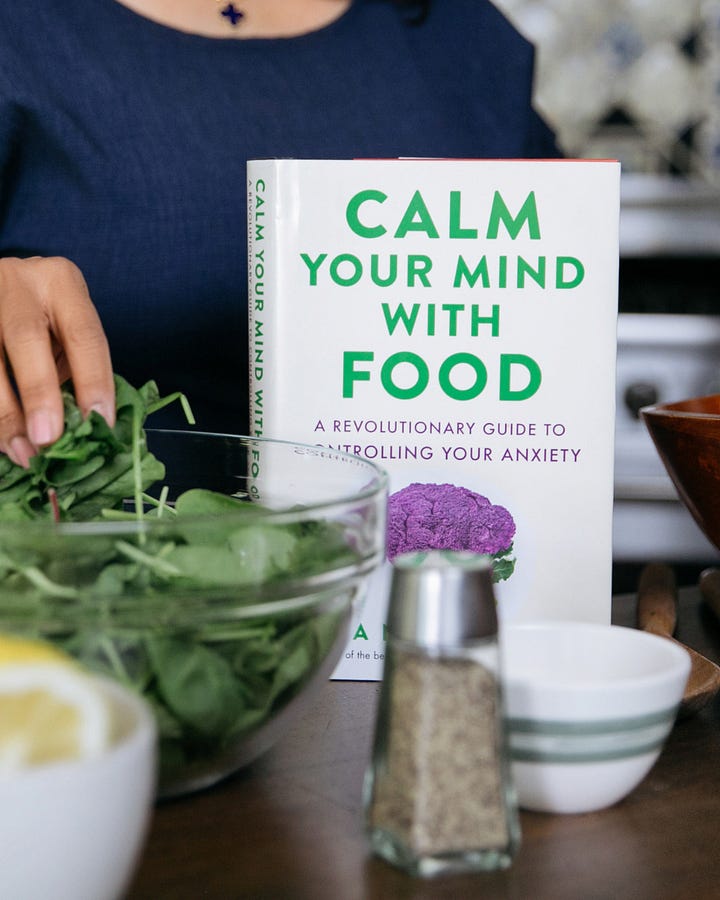
If you haven’t gotten your copy already, get yours here:
US Edition: Amazon | Barnes & Noble | Bookshop | Books-A-Million | Target | Walmart
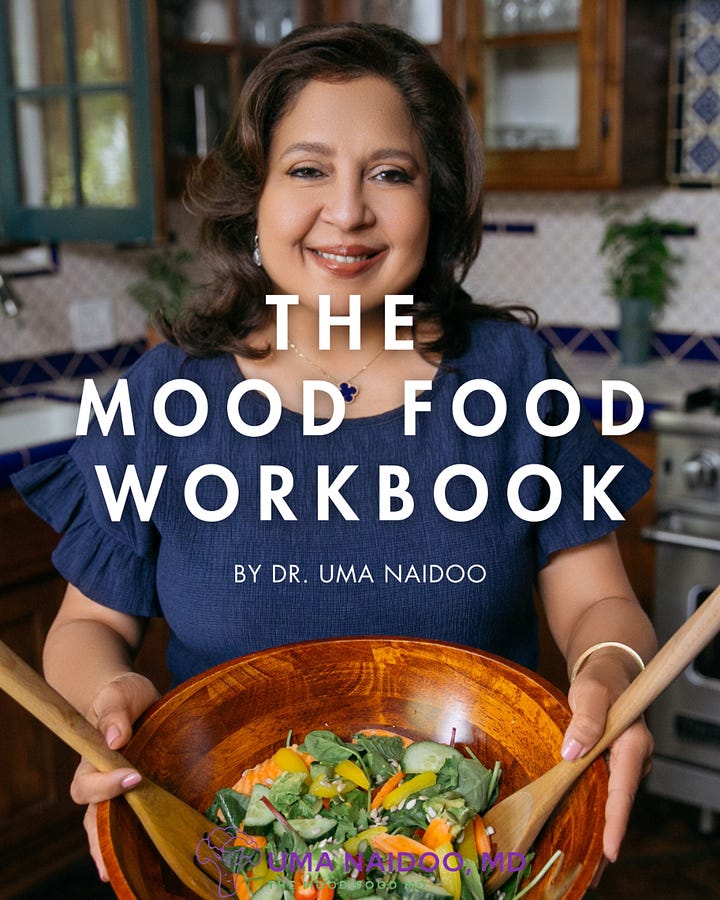
I am also excited to share my new companion workbook, The Mood Food Workbook, that was designed to work alongside, Calm Your Mind With Food, to help you put its recipes and principles into practice in a structured, supportive way. Click here to get my workbook today.
USA Today: Can dark chocolate lower cholesterol? I explain here.
University of Daytona: Eat to support your mental health!
Maria Shriver Sunday Paper: What is in my kitchen? Check it out here!
I am delighted that you are here
Comments
Nothing yet. Say the first thing.
Sign in to join the conversation.