
Hey MoodFoodie,
With all the news about peptide therapies I got a lot of emails, calls and texts about what the difference is between the FDA-approved GLP-1 medications versus the recent news about compounded peptides.
In July 2026, an FDA advisory committee (the Pharmacy Compounding Advisory Committee, or PCAC) voted to recommend that several peptides — including BPC-157, TB-500, KPV, and MOTS-c — be considered for inclusion on the 503A compounding list. The FDA advisory committee recommended that licensed compounding pharmacies could prepare these peptides based on an individual prescription from a healthcare provider. This is a regulatory change, not a medical approval. These peptides have not been proven safe or effective through the rigorous clinical trial process that FDA-approved drugs must pass. These are not the same thing, and I can help break this down to help you.
Peptides are short chains of amino acids — the building blocks of proteins. Your body naturally produces many peptides that play roles in healing, inflammation, metabolism, and other functions. The peptides discussed here are synthetic (lab-made) versions inspired by naturally occurring compounds.
What Are GLP-1 Medications? - In your brain: They act on appetite centers (especially the hypothalamus) to make you feel full sooner and reduce food cravings and reward-driven eating.
GLP-1 stands for “glucagon-like peptide-1.” It is a hormone your body naturally produces in your gut after you eat. GLP-1 medications are lab-made versions of this hormone (or related hormones) that have been carefully engineered to last much longer in your body than the natural version.How GLP-1 medications work :
- In your stomach: They slow down how fast food leaves your stomach, so you feel satisfied longer after meals.
- In your pancreas: They help your body release insulin more effectively when blood sugar is high, and they reduce a counter-hormone called glucagon that raises blood sugar.
- Throughout your body: They reduce inflammation, improve how your blood vessels function, and may protect your heart and kidneys.
What Has Been Proven About GLP-1 Medications? - Weight loss These are usually manageable with slow dose increases. Serious but rare side effects include pancreatitis, gallbladder problems, and (in people with diabetes) worsening of eye disease. These medications should not be used by anyone with a personal or family history of medullary thyroid cancer or a condition called
These medications have been studied in human clinical trials and shown to support:
- Heart protection
- Kidney protection
- Liver disease
The most common side effects are digestive:
- Nausea (usually improves over time)
- Vomiting
- Diarrhea or constipation
- Stomach pain
These are a completely different category. They are peptides (short chains of amino acids) that have been studied mostly in animals and laboratory settings. An FDA advisory committee recently recommended they be considered for compounding, meaning pharmacies may be allowed to prepare them with a doctor’s prescription.
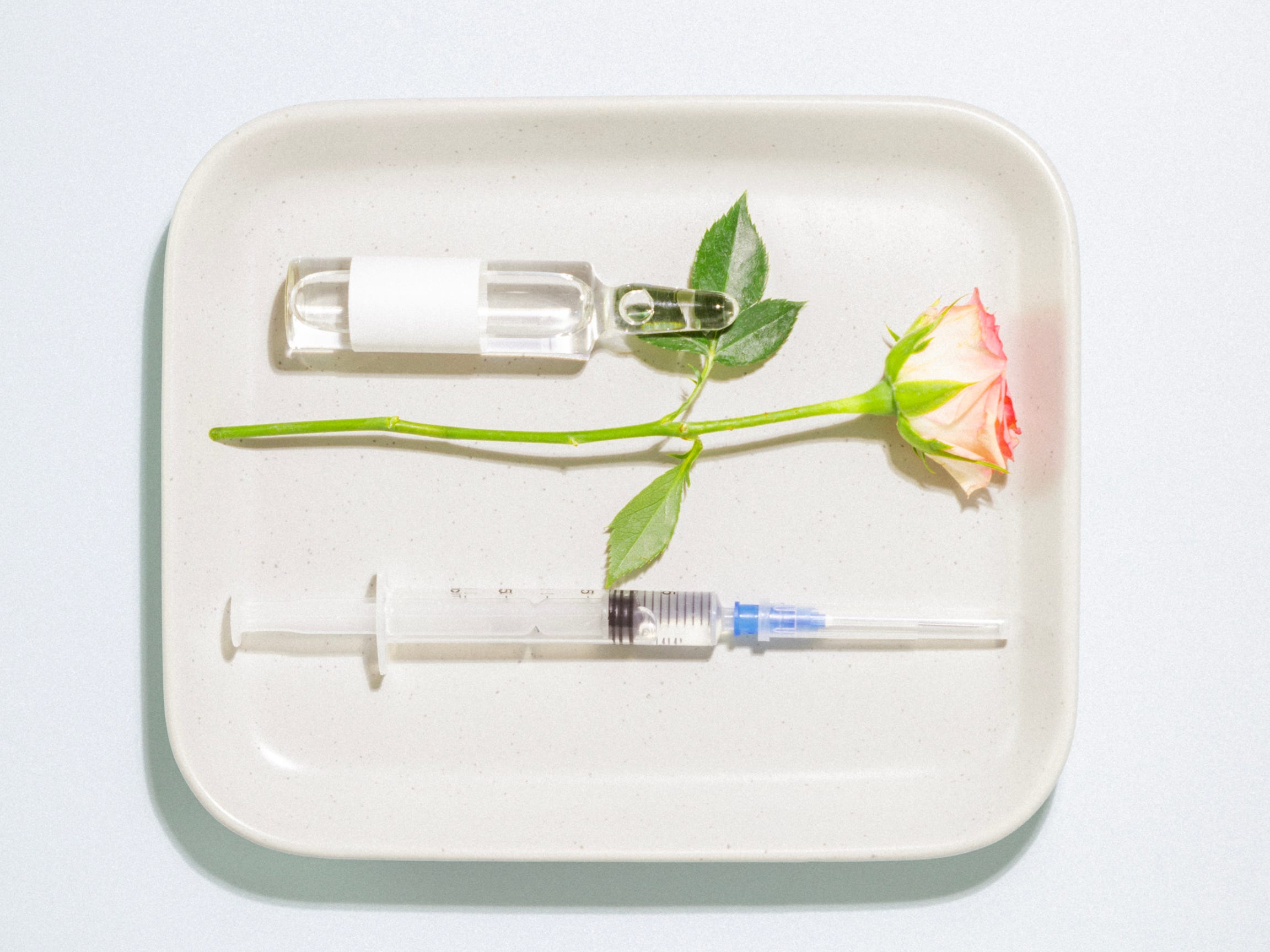
For Mental Clarity Kitchen members we will dive deeper into the science of what the mechanisms and effects of GLP-1 medications are, and the critical difference between these prescription medications and BPC-157, TB-500, KPV, and MOTS-c. Also, what are the effects of peptides and where does the evidence lie?
Warmly,
Dr. Uma
Have you read my latest book, Calm Your Mind with Food? Calm Your Mind with Food is a revolutionary full-body approach to relieving anxiety and includes anti-anxiety recipes and meal plan guidelines.
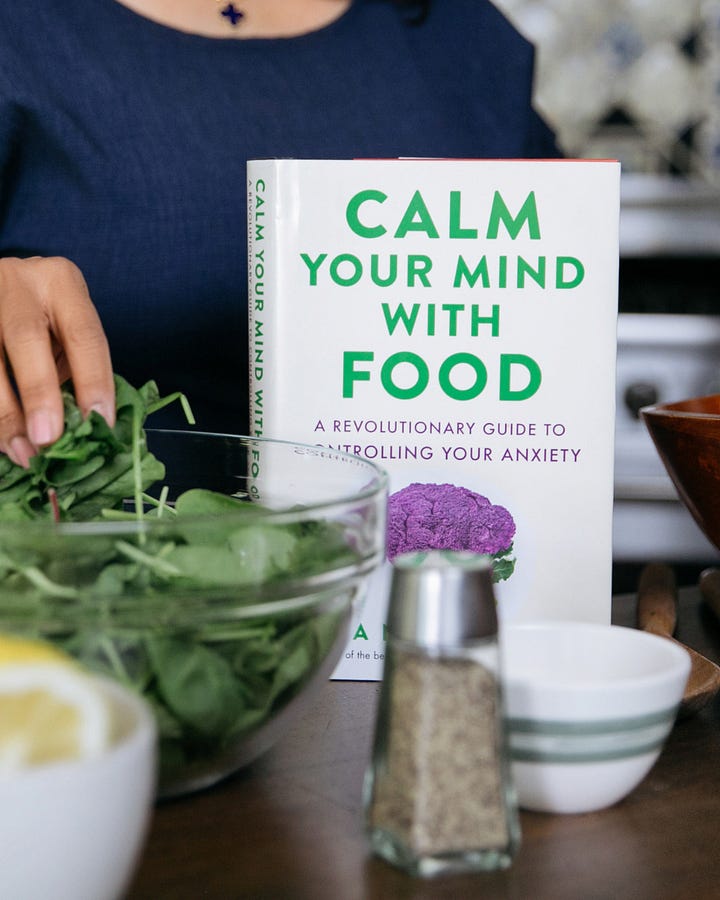
If you haven’t gotten your copy already, get yours here:
US Edition: Amazon | Barnes & Noble | Bookshop | Books-A-Million | Target | Walmart
I am also excited to share my new companion workbook, The Mood Food Workbook, that was designed to work alongside, Calm Your Mind With Food, to help you put its recipes and principles into practice in a structured, supportive way. Click here to get my workbook today.
Medscape: I was asked to comment on the ketogenic diet here.
USA Today: Can dark chocolate lower cholesterol? I explain here.
Maria Shriver Sunday Paper: What is in my kitchen? Check it out here!
I am delighted that you are here
Comments
Nothing yet. Say the first thing.
Sign in to join the conversation.