
The first death threat that I received in my life was when I was 13. It was April 1994. A soggy envelope came in the mail. It ended with the words, “the only good Muslim is a dead Muslim.” My father fished it out of my hands and looked at me. In response, he said, “This person is a coward. They didn’t even sign their name. They are trying to silence you. You will never let that happen.”
“People are trapped in history and history is trapped in them.”
- James Baldwin
In the weeks before he passed away, we talked about the state of the dystopian world. We were talking about something on social media and he said, “Don’t say anything that would get you in trouble.”
I laughed and reminded him about the letters and the death threat from my youth. His response was,
“That was a different time. These days people are losing their jobs for saying anything controversial.”
He was right. We are in a different time and a different world. A world where almost anyone can find your words, remove them from their context, and offer them to strangers for judgment. Where visibility can feel like influence one day and exposure the next. Where silence may protect you, but can also slowly estrange you from yourself while eroding your soul and making you feel complicit in horrible things you never want to be a part of.
I have spent much of my life trying to decide which version of my father to please: the one who taught me never to be silenced, or the one who learned that speaking carries consequences. Only recently have I understood that both were trying to teach me how to remain free.
I wonder what had changed for him. Perhaps the world had become more dangerous. Perhaps he had become more afraid for me. Or perhaps the man who once taught me defiance had learned, as fathers often do, that it is easier to encourage courage in a child than to watch an adult child absorb its consequences.
Over the years, I have often returned to the tension between silence and voice. I think this is a universal human experience. I’ve asked parents of youth in North Hartford how they balance their approach to parenting through such tensions. Between strategic self-preservation and advocacy. Between overprotection and empowerment. In my life and in my work I watch every single day how people calculate whether it is safe or feels safe enough to name what they can plainly see. I have felt that calculation in my own body. In a quickened thumping in my chest. Light perspiration on my brow. In a visceral sense of fear that somehow not speaking will make me not good enough or that speaking too much will make me a bad leader or a bad father or a bad friend.
We are all asking these questions.
What will this cost me?
Who will misunderstand me?
Will anything change?
Now more than ever these questions can feel exhausting. It can feel like some of us are allowed to speak impulsively and be forgiven for their imprecision. Others might learn that every word must arrive polished and perfect. I learned this and obsessed over my skills to communicate with words and in writing. I still routinely read and re-read emails and texts before sending and ruminate and perseverate over typos or missteps. Sometimes I over-edit. I anticipate every misperception. I soften. I shrink. I add, I pad credibility or inflate reassurance. I try to remain small enough to be acceptable but bright enough to help validate and lead the reader towards the possibility that something, even if small or uncertain, might still feel possible and hopeful.
I once believed that courage meant honesty and silence felt like surrender. Like giving up and giving in. Like allowing someone else’s fear and ignorance or prejudice determine who I am and who I want to be.
Perhaps this was intergenerational. Years ago before I was born and when my father was around 10, a man who barely knew the land of the Punjab drew a line through villages, fields, rivers, and families with ink on a map and then left others to live with the consequences. Millions awoke to discover that home was now on the wrong side of a border.
My father inherited a world shaped by that line and I inherited the fear. I inherited the knowledge that strangers can make decisions from a distance and alter the course of your life. Perhaps this is why I am so vigilant about remaining the author of my own story and determine which parts of me are acceptable enough to exist or belong.
These days, I still believe that there are moments where silence will mean complicity and that my silence will not protect me from hate or from violence. This can be true. There are times where protecting our comfort requires other to carry the weight of injustice and I never want self-protection for survival to become the same as comfort, coddling, and a refusal to lean into pain or suffering.
But I have also come to understand that speaking is not the only expression of courage. Refusing to perform our pain for some can be an act of dignity. Withholding our vulnerability from people who have not earned it can be wisdom and saving our energy for self-preservation or for relational cohesion can be a strategic, agentic and empowering choice.
It always comes back to one thing: Who is making the choice?
Silencing takes choice away and leaves us studying the room and editing ourselves in anticipation. Discernment is entirely different. Discernment asks what I am trying to protect, to change, and whether or not I should choose something that aligns with my greater purpose and values. Discernment permits me to decline an argument that was never offered in good faith or to carry anyone else’s ignorance on my back. It helps me recognize that I do not owe every stranger an explanation and that I do not need to take the bait.
All around us we do this in our own ways. Some of us may be silent because we feel trapped. Another might be preserving energy or just have none left to give. Another might be vulnerable to risk, another might be protecting something so sacred and important that they need to keep it as close as possible.
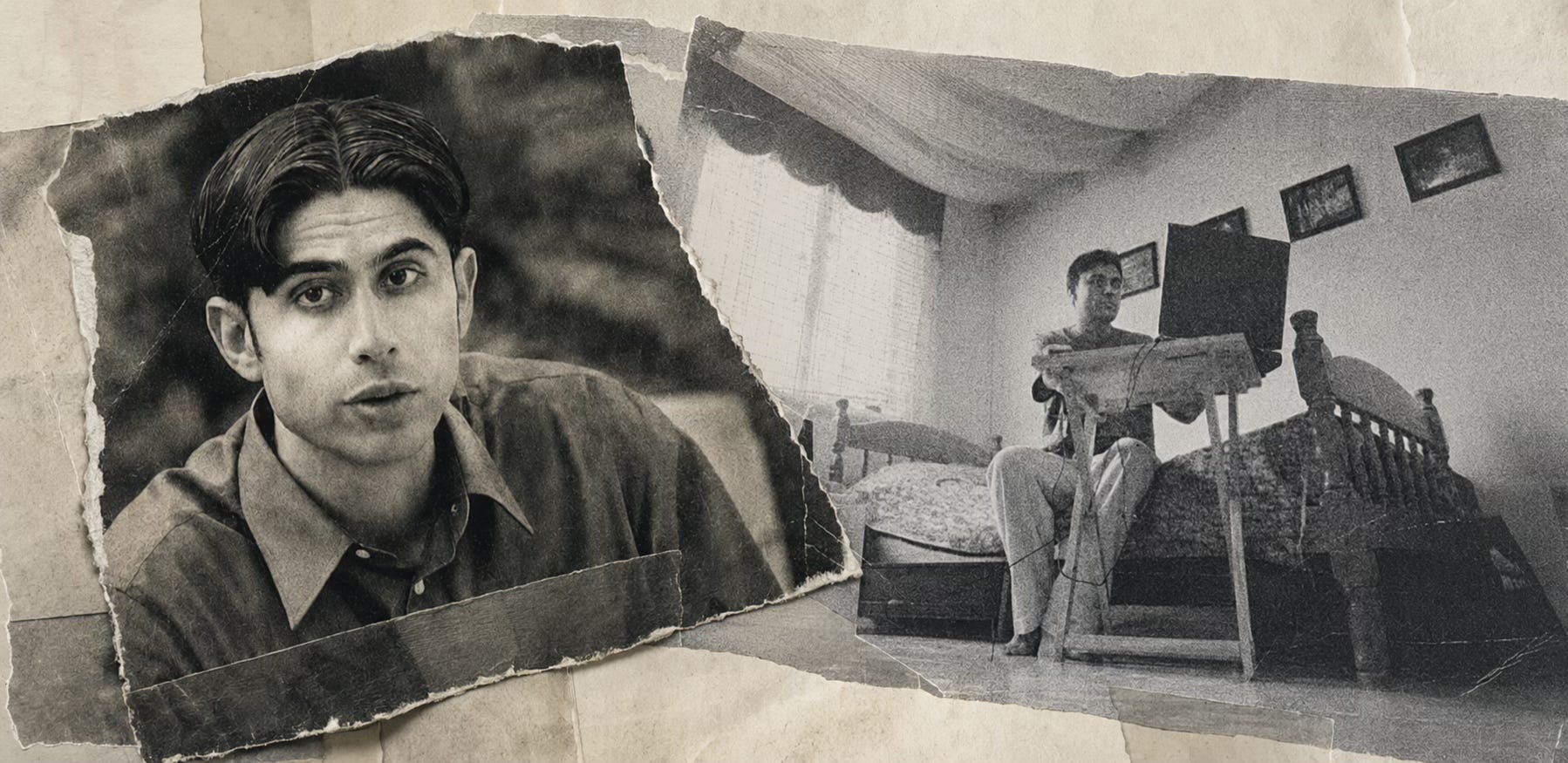
Today’s version of me can be so many things. I can mistake fear for wisdom. I can dress avoidance in the language of strategy and focus. I can also punish myself for remaining silent when the truth is that I am wounded or tired. Sometimes I simply want a mundane and ordinary day. I want to feel the ground beneath my feet, sleep softly, and wake to the sound of my alarm. Discernment gives me permission to want that. It asks me to find the voice beneath the noise and choose silence rather than submit to it. Then I can give myself space and grace, rest, and begin again.
Perhaps, by the end of his life, my father understood that refusing to be silenced did not require me to speak every time someone invited me into an argument. As a father myself, I want my children to trust their voices. I know the world does not distribute the consequences or labour of speaking equally but I don’t want this to feel like a burden. It just is. Perhaps it might get better somehow. Perhaps it might not. I want them to be courageous but I do not want courage to become another demand or another piece of inheritance they feel forced to carry. Maybe their freedom will be found in knowing that their voices belong to only them. They get to decide when to raise, soften, share, hold, amplify, quiet, or censor them. They can choose the moment and the audience. They can walk away without surrendering who they are.
Donna Kate Rushin writes,
The bridge I must be
Is the bridge to my own power
I must translate
My own fears
Mediate
My own weaknesses
I must be the bridge to nowhere
But my true self
And then
I will be useful
I have spent so much of my life trying to be a bridge. Between cultures. Between generations. Between people who do not trust one another. Between the world I inherited and the world I want to remake. But I am not going to be walked on. I will be a bridge to myself. To the place I can hear my own voice before deciding what to do with my energy.
My father taught me that silence born from fear can become a trap. He also taught me that speaking without choice can be another kind of surrender. I still do not always know when to speak or when to remain silent. I am learning to ask myself a more important question: Who is making the choice? Is it fear? Is it memory? Is it pain? Or is it me?
A note on process: These reflections begin as my own writing, drawn from memory, clinical experience, and years of thinking through these questions on the page. I use generative AI as an editing partner in the way I might use a trusted colleague or a demanding editor. It offers high level feedback, helps me test structure, and catches clutter in the copy. The voice, the arguments, and the truth I am reaching for are mine.
No posts
Comments
Nothing yet. Say the first thing.
Sign in to join the conversation.