
26 years ago, my friend and colleague Dr. Steven Goldstein published a book titled “Could it be Perimenopause?”
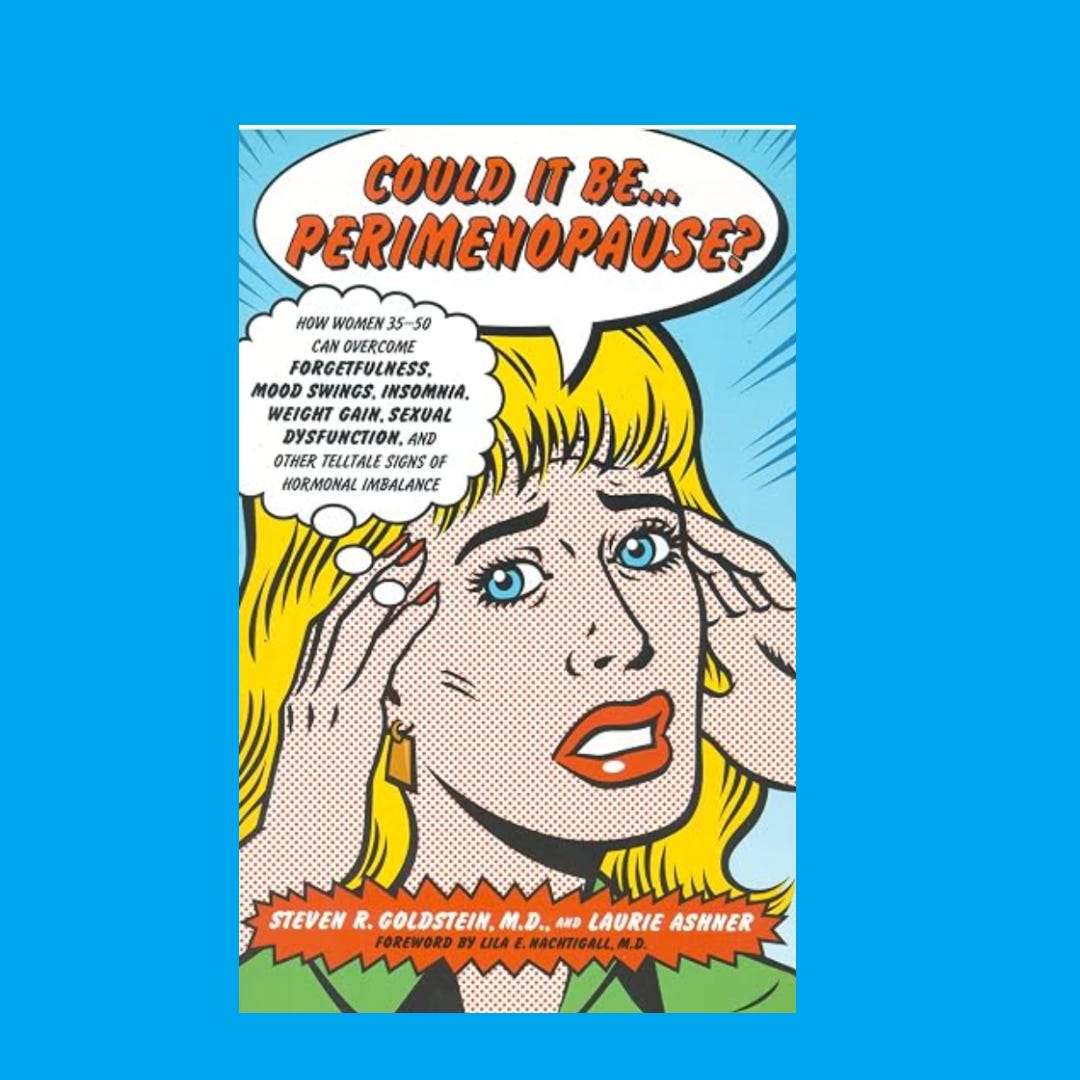
Dr. Goldstein was, and is, always ahead of his time. Today, it would no doubt be a bestseller.
Perimenopause, the lead-up time prior to menopause, usually begins when women are in their mid-40s, but can occur earlier. It is estimated that approximately two million women begin perimenopause each year in the United States and remain in perimenopause for roughly 4 to 8 years.
While women who enter perimenopause before 40 are the exception, it is increasingly common for women as young as 30 to think they are crashing into an early perimenopause when they experience symptoms like missed periods, hot flashes or moodiness (because 30-year-olds never get moody).
This “epidemic” of young women thinking they are perimenopausal took off after a 2025 study reported that over 50% of women between the ages of 30 and 35 experience moderate to severe menopause symptoms. Overnight, perimenopause was trending, and scores of women in their 30s were convinced, driven by social media, that hormonal fluctuations were the cause of everything from anxiety to insomnia. I wasn’t surprised when I got this text from a friend:
The study that fueled this confusion was based on a large sample of US women from age 30-35 who sought help for what they perceived to be “perimenopause” because of symptoms they were experiencing. Over 25% of those women were told, based on their reports of irregular periods, absence of periods, pain with intercourse, and hot flashes, that they were in perimenopause. But most cases were not medically confirmed to be perimenopause, and it’s not unusual for women of reproductive age to have painful sex, irregular periods, and other perimenopause-like symptoms that have nothing to do with ovarian aging.
According to a study published yesterday in the journal Menopause, the confusion continues. In this survey of 7,640 women over age 35, one in three women was unsure of their reproductive stage. 42% of women aged 40 to 44 (the group most likely to be in perimenopause) were unclear about what their hormonal status was and were unable to identify which phase they were in.
A combination of factors is responsible for women not knowing if they are pre-, peri-, or postmenopausal.
There is no single blood test to definitively determine perimenopause status
Hormones and hormone markers fluctuate during perimenopause
Perimenopausal symptoms are highly variable and come and go
Many perimenopause symptoms also occur in other conditions such as PMS, thyroid problems, mental health conditions, or from medications.
Almost half of women do not menstruate and cannot rely on cycle changes.
Many women in this age group do not have regular medical care, and even if they do, chances are their clinician does not have expertise in perimenopause.
The messaging on social media is inconsistent and often wrong,
Why it Matters
All of the hormone therapy in the world will not alleviate painful sex or treat mental health issues like depression or anxiety if the ovaries are fully functioning and cycling.
In addition, it would be helpful to know whether pregnancy is still a possibility, whether a positive test would be welcome news—or a full-on catastrophic “cancel everything and breathe into a paper bag” situation.
Most important, though, is that perimenopause, menopause, and premature menopause (premature ovarian insufficiency) have different issues and require different treatments to both manage symptoms and prevent long-term issues like bone loss.
The details are in my post, but here’s the headline: 90% of the time, an expert will know which phase you are in just by getting details about your menstrual cycle, symptoms, and age.
If you do not menstruate because of a hysterectomy, IUD, or endometrial ablation, or there is concern for premature ovarian insufficiency, there are blood tests that are useful, such as FSH, estradiol, and anti-mullerian hormone. But ideally, these tests (which often need to be repeated) should be ordered and interpreted by an expert.
And in case you are wondering, home menopause tests are not only worthless but often misleading.
I am pushing Dr. Goldstein to publish an updated version of “Could it be Perimenopause?”, but in the meantime, take a listen to our conversation about how to know if you are in perimenopause, and the best way to manage it,

Dr. Goldstein on Instagram: dr.goldsteinshareswisdom/
Comments
Nothing yet. Say the first thing.
Sign in to join the conversation.